- 4.9· 610 reviews51 tours include this
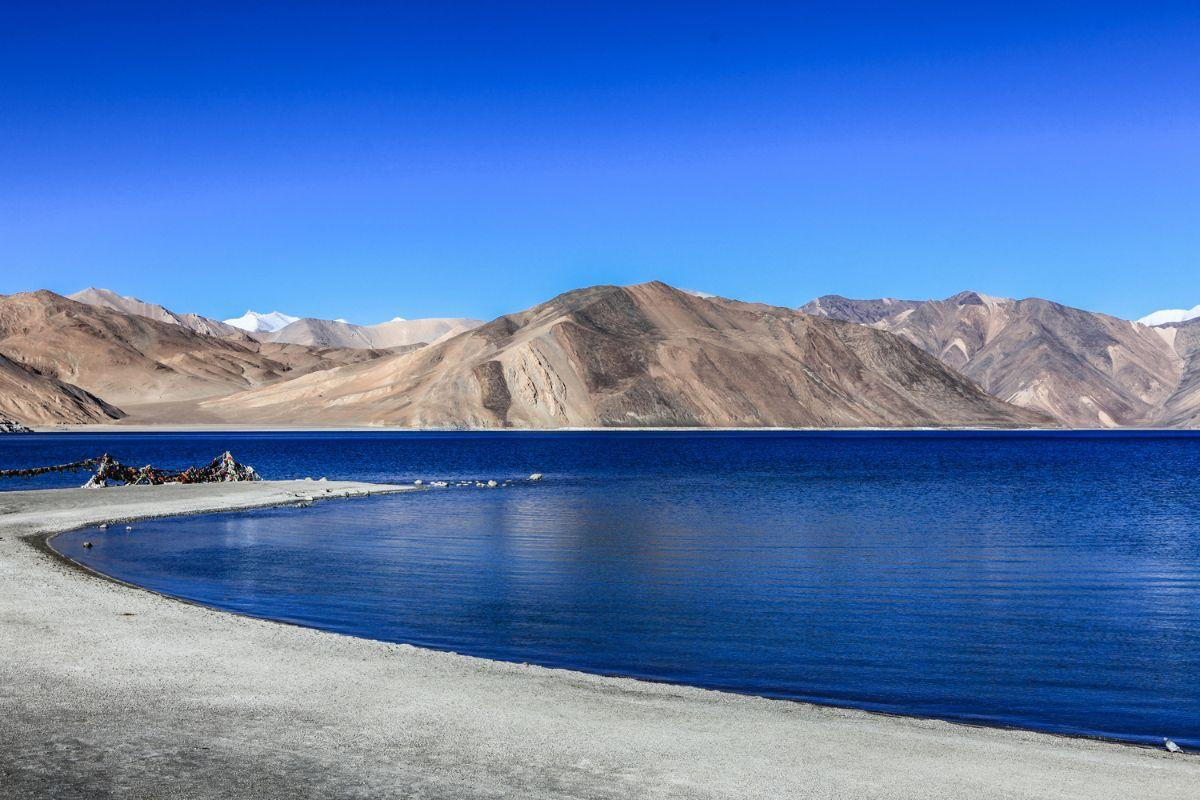
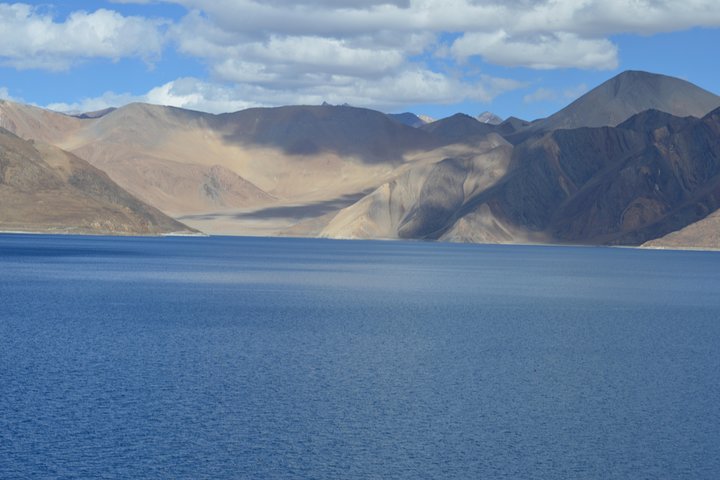
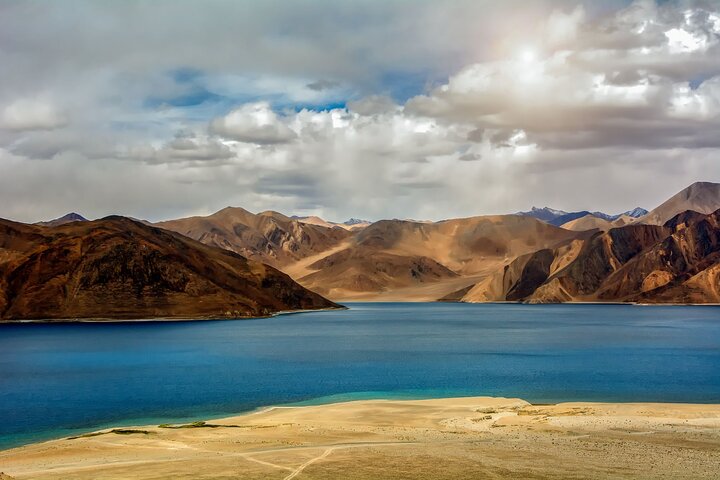
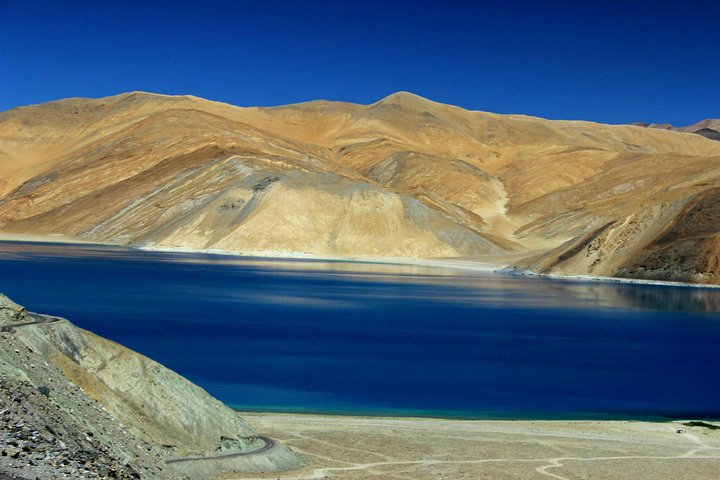
Pangong Lake, or Pangong Tso, is a vast saline water body stretching over 134 kilometres across the Ladakh region, famous for its striking blue hues and scenic backdrop of the Himalayas. The lake sits at an altitude of 4,300 metres and changes colour with the shifting sunlight, presenting visitors with a dynamic vista. Allocate a few hours to stroll alongside its shores, taking in the tranquility and unique landscape. Summer is the ideal time to visit, when the lake is most accessible and the surrounding mountains are clear of snow. The nearby villages and wildlife add to the experience, inviting quiet moments of reflection.
- 4.9· 267 reviews27 tours include this
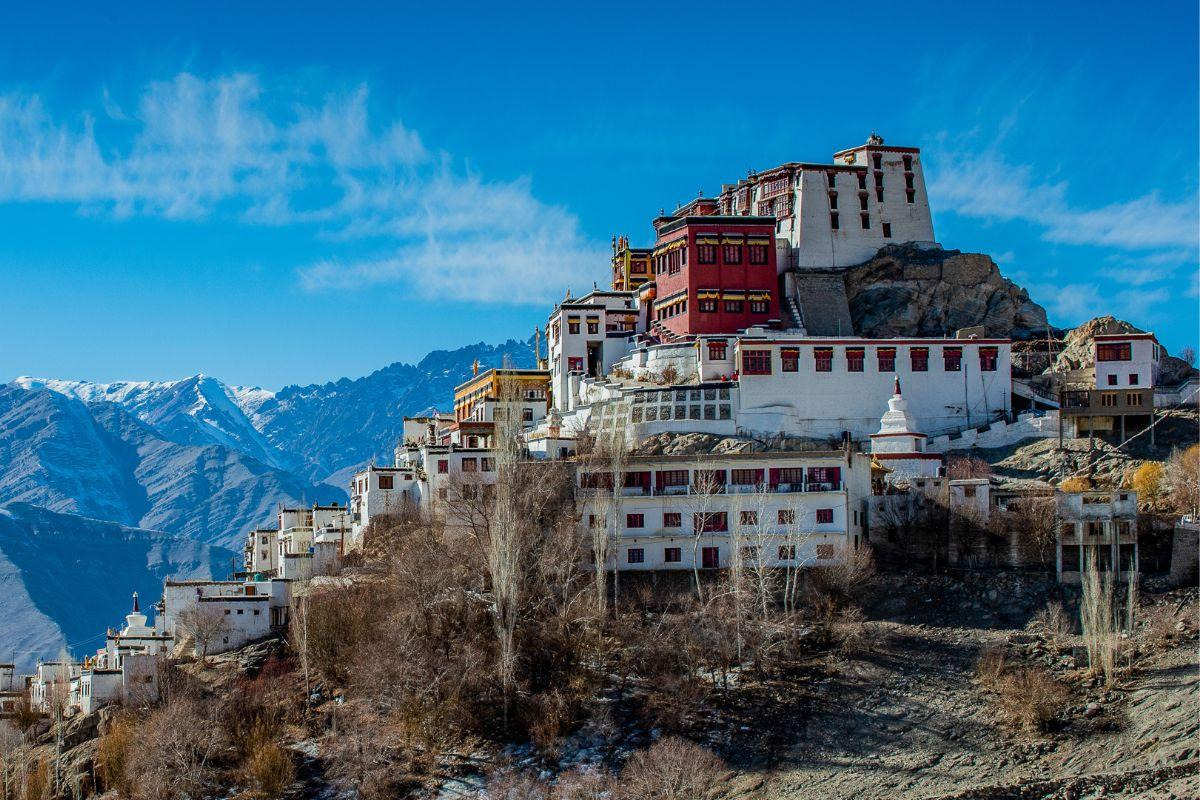
Thiksey Monastery is a striking example of a Buddhist hermitage rising 3,600 metres above sea level, founded in the 15th century as part of the Gelug school of Tibetan Buddhism. Its whitewashed structures climb a hillside and resemble the Potala Palace, with a commanding view of the Indus Valley and the surrounding mountains. Allocate at least an hour to explore its serene assembly halls and 49-foot statue of Maitreya Buddha. The monastery is around 19 kilometres from Leh, making it a convenient stop in the Nubra Valley region. Early mornings are quiet, allowing for meditation amid the vibrant prayer flags fluttering in the breeze.
- 5.0· 176 reviews15 tours include this
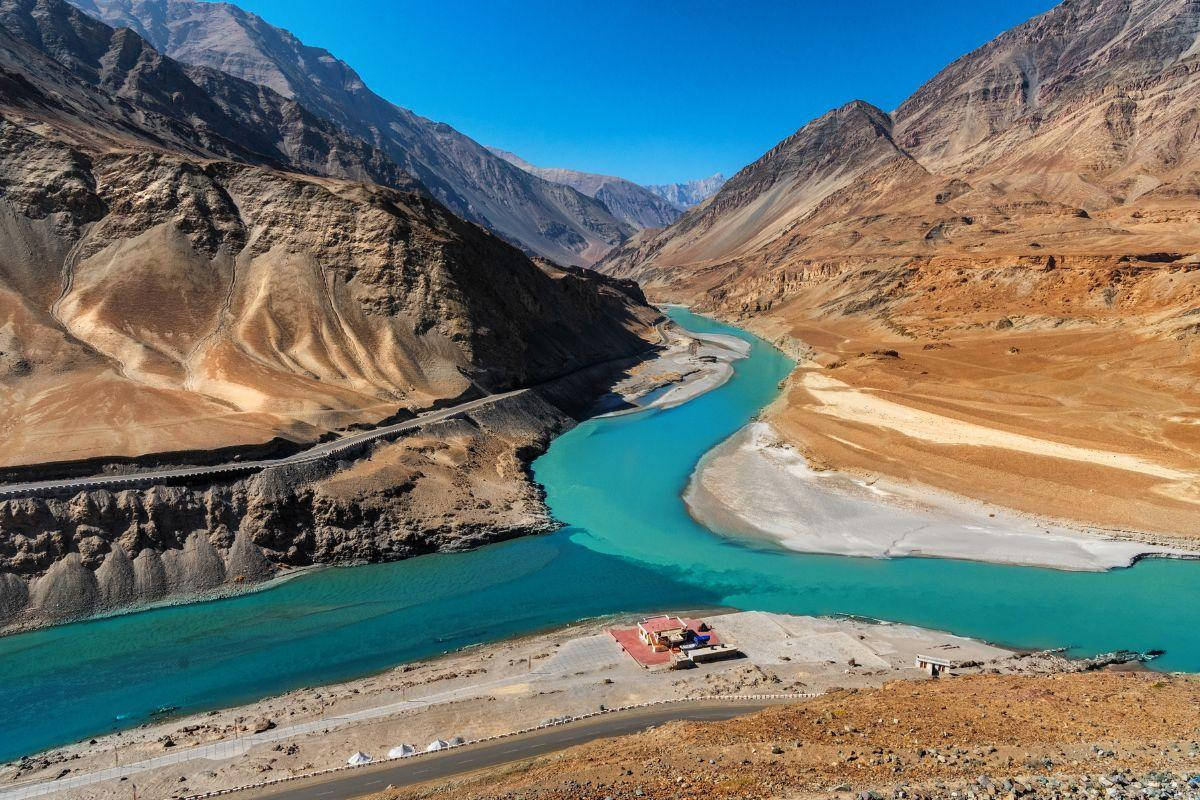
The confluence of the Indus and Zanskar Rivers is where two major rivers meet, creating a breathtaking natural spectacle in the Ladakh region. The turquoise waters of the Zanskar flow into the Indus, a deeper blue river, their merging visible from the cliffs above, offering striking views against the surrounding barren landscape. Visiting this site is best in the summer months when the region is accessible and the contrasting colours are most vibrant. The confluence is about 50 kilometres from Leh, making it a popular day trip; nearby attractions include the picturesque Zanskar Valley and the quaint village of Nimu, which adds to the experience.
- 5.0· 63 reviews7 tours include this
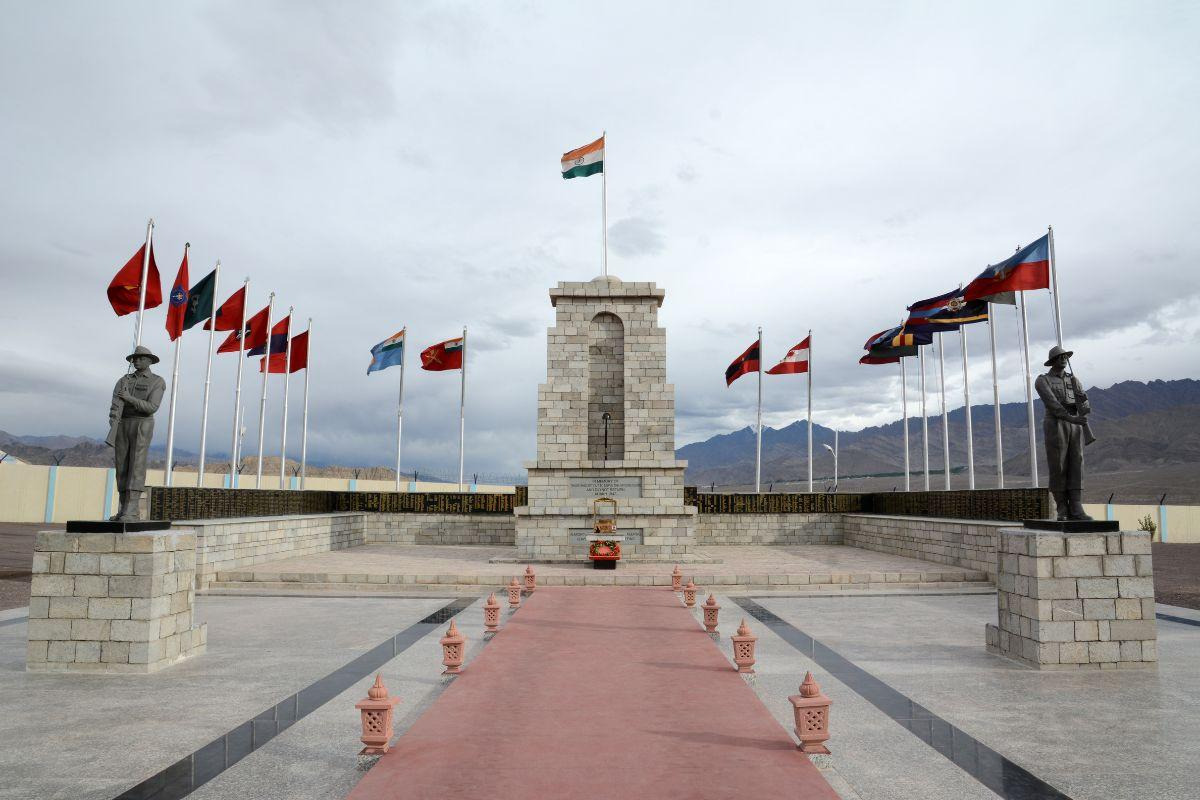
The Hall of Fame is a museum dedicated to the Indian armed forces, located in Leh, Ladakh. Built by the Army Welfare Educational Society, it showcases the rich history and sacrifices of the soldiers who have defended the region, with exhibits featuring weapons, uniforms, and photographs, set against the backdrop of the Himalayas. An hour is enough to explore its various sections, which include a remembrance gallery and a section on the Siachen glacier. It’s best visited in the afternoon when the lighting enhances the artifacts. The museum is close to Leh town, making it easily accessible before or after other local attractions.
- 5.0· 168 reviews28 tours include this
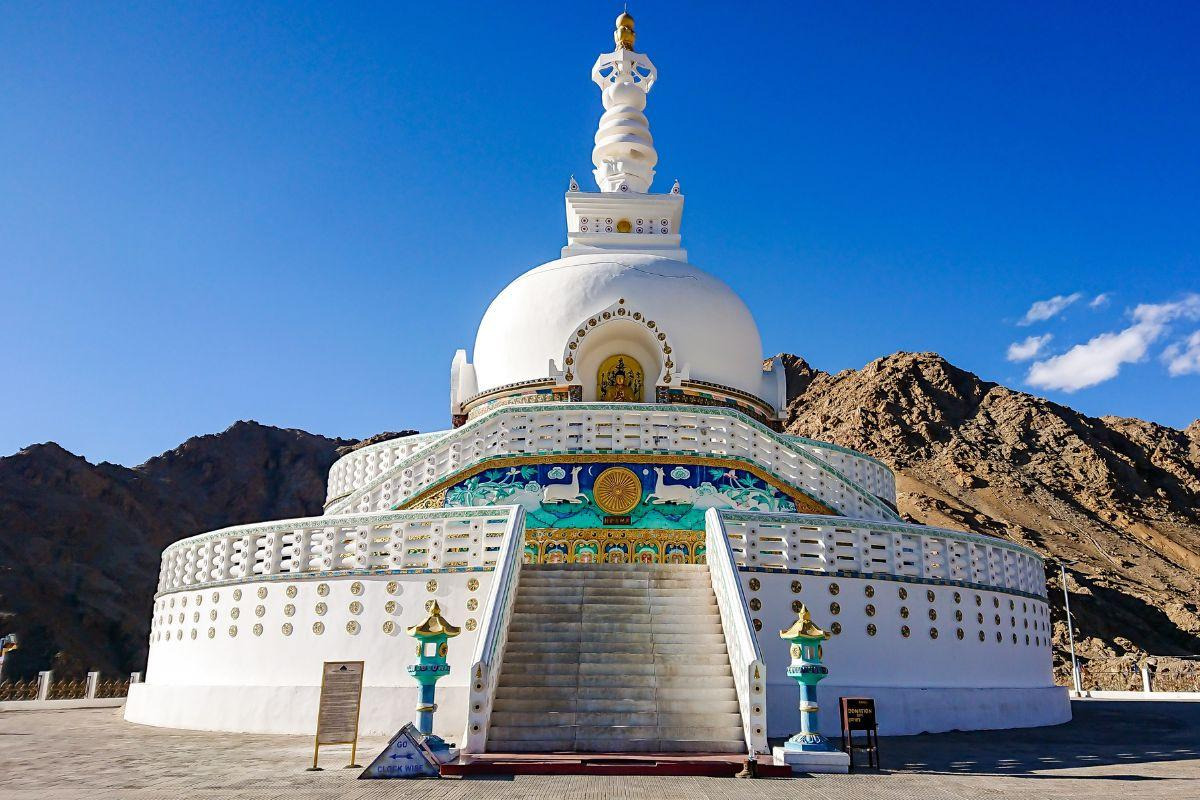
Shanti Stupa is a white-domed monument built in 1985 on a hilltop overlooking Leh, designed to promote peace and harmony. Constructed by the Japanese in collaboration with the local Buddhist community, it signifies the legacy of Buddhism in the region, housing relics of the Buddha testifying to his wisdom. Visit early in the morning to experience the tranquil surroundings and enjoy panoramic views of the Indus Valley and the distant Himalayas. The stupa is part of a broader cultural landscape that includes monasteries like Leh Palace and beautifully reflects the area’s spiritual heritage. Plan for some quiet reflection as you admire the intricate details adorning the structure.
- 4.8· 91 reviews6 tours include this
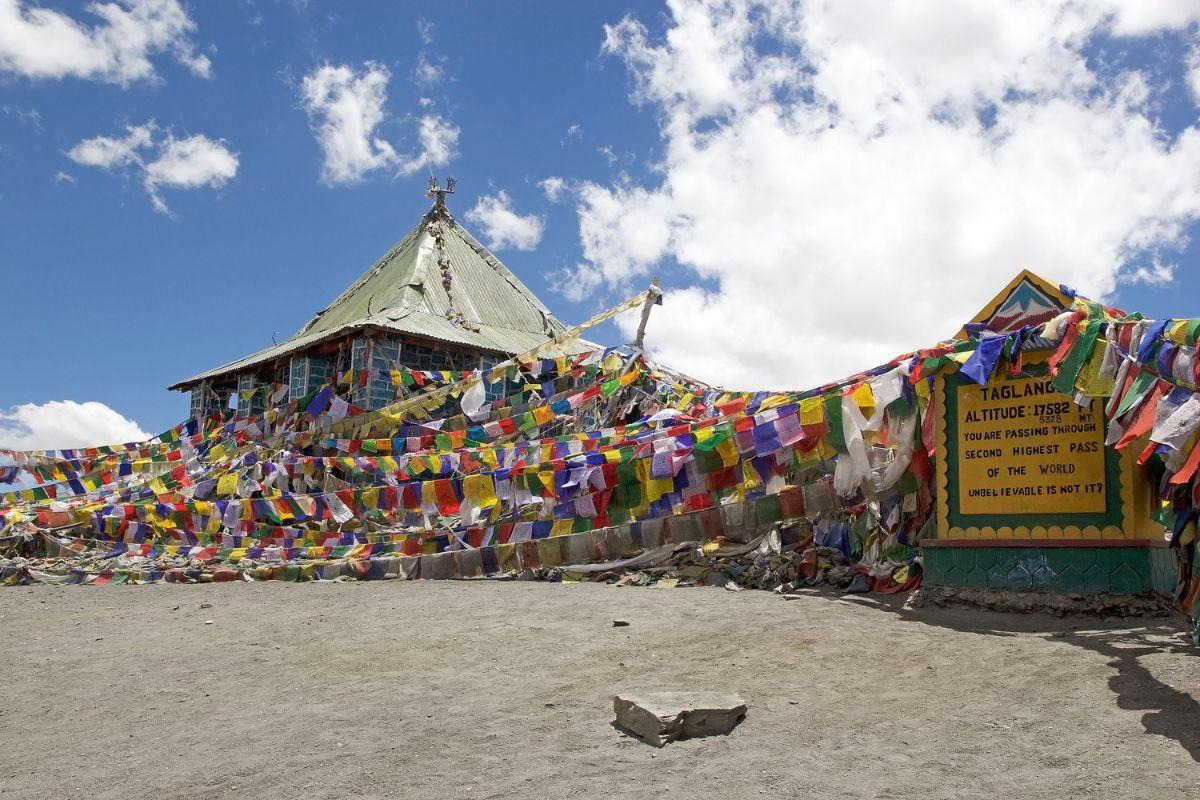
Taglang Pass, known as Taglang La, is a high-altitude mountain pass on the Manali-Leh Highway, standing at about 5,328 metres. It is one of the highest motorable passes in the world, offering sweeping views of the barren yet stunning landscape of the Himalayas, punctuated by rugged terrain and distant snow-capped peaks. Visiting Taglang La provides an exhilarating experience, particularly for adventure seekers and motorcyclists. The best time to come is during the summer months, between May and October, when the roads are more accessible. Be prepared for rapid weather changes and take time to acclimatize to the altitude before travelling further into the region.
Best activities to do in Leh
Explore all (47) →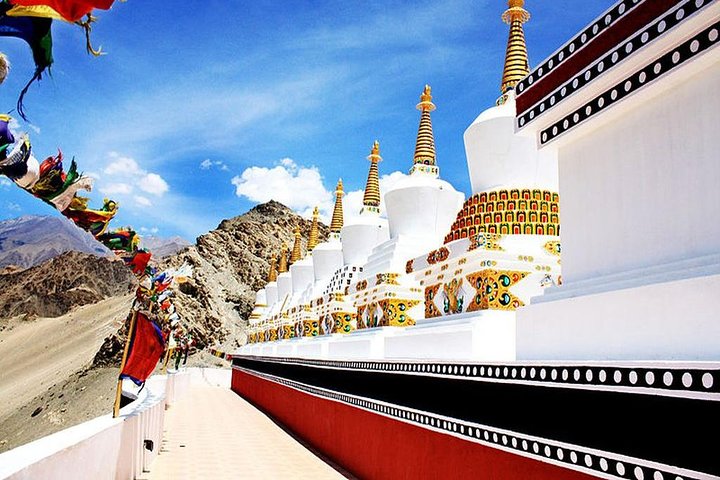 6 days
6-day private tour of Ladakh's highlights
Likir and Alchi Monastery excursion from Leh
 7 days
7-day private tour through Ladakh with transportation
 8 days
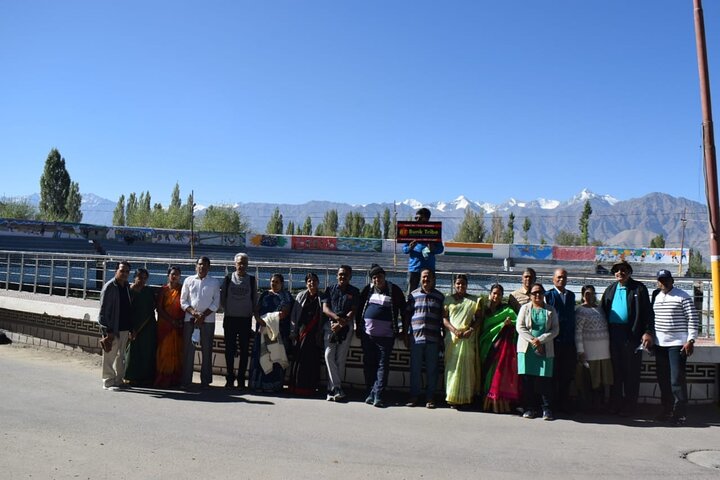
Eight-day tour of Leh, Nubra Valley and Pangong Lake
 10 days
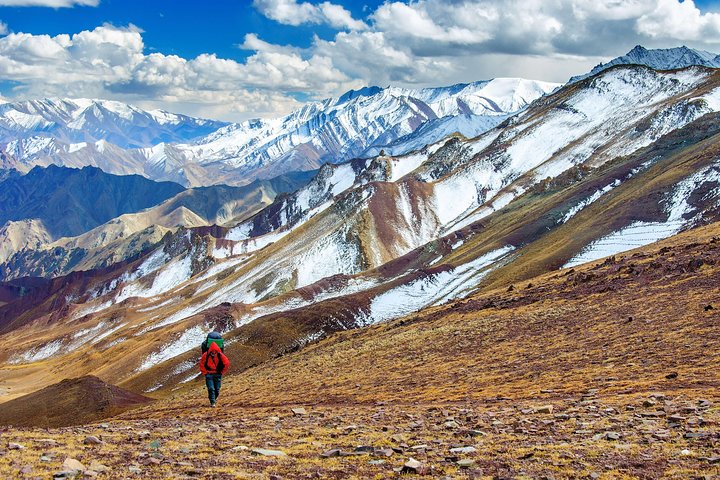
Markha Valley Trek in Ladakh
 7 hours
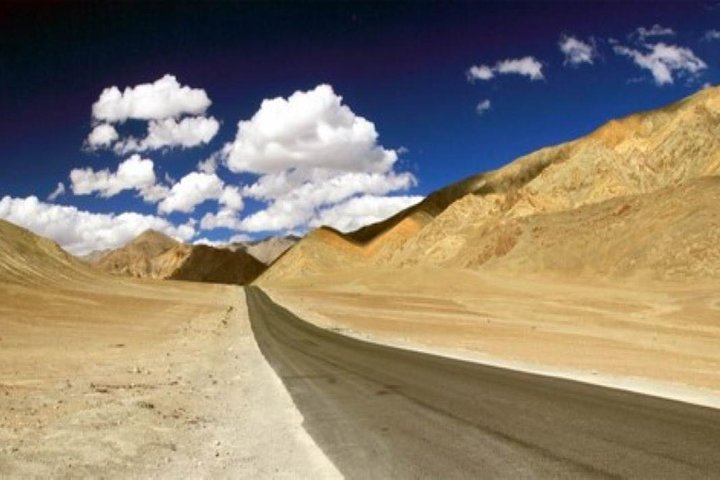
Private full-day excursion to Likir from Leh
 8 hours
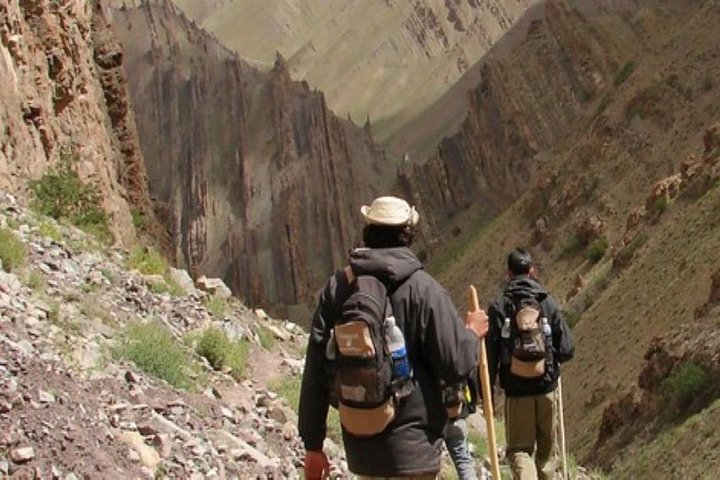
Private full-day local sightseeing tour of Leh
 16 days
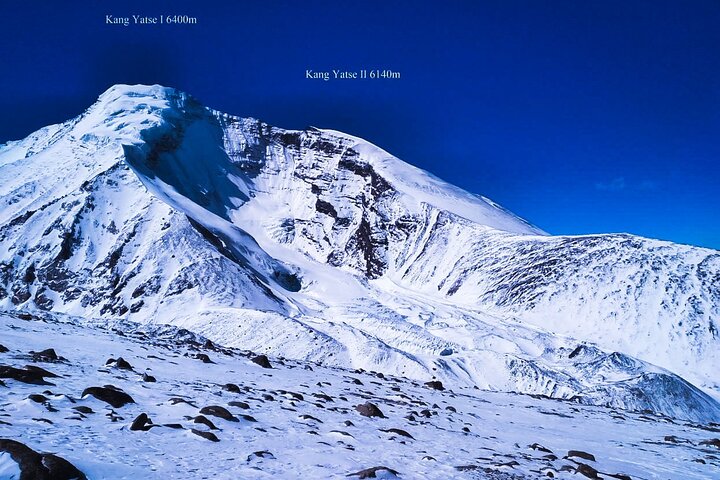
Kang Yatse I and II climbing expedition in Ladakh
Adventure in Leh
See all 16 →7 days7-day private tour through Ladakh with transportation
10 daysMarkha Valley Trek in Ladakh
16 daysKang Yatse I and II climbing expedition in Ladakh
 6 days
Six-day Ladakh itinerary with key sites and experiences
 7 days
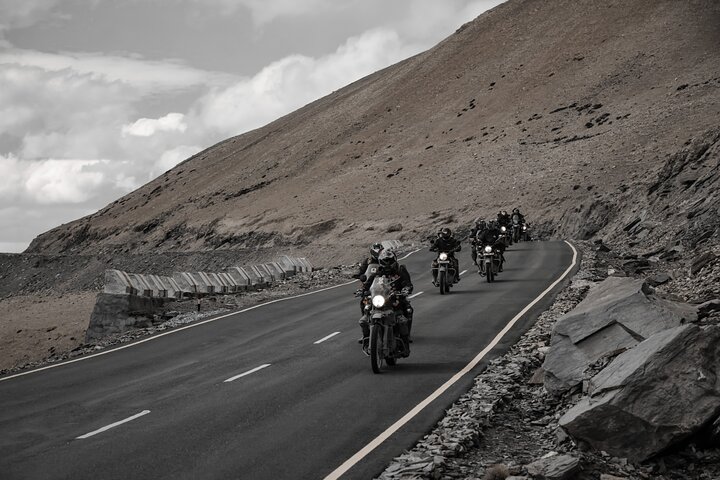
7-day motorcycle tour in Leh-Ladakh
 6 days
Highlights of Ladakh tour from Leh
Luxury & private in Leh
See all 15 →6 days6-day private tour of Ladakh's highlights
7 days7-day private tour through Ladakh with transportation
7 hoursPrivate full-day excursion to Likir from Leh
8 hoursPrivate full-day local sightseeing tour of Leh
16 daysKang Yatse I and II climbing expedition in Ladakh