- 4.8· 569 reviews18 tours include this
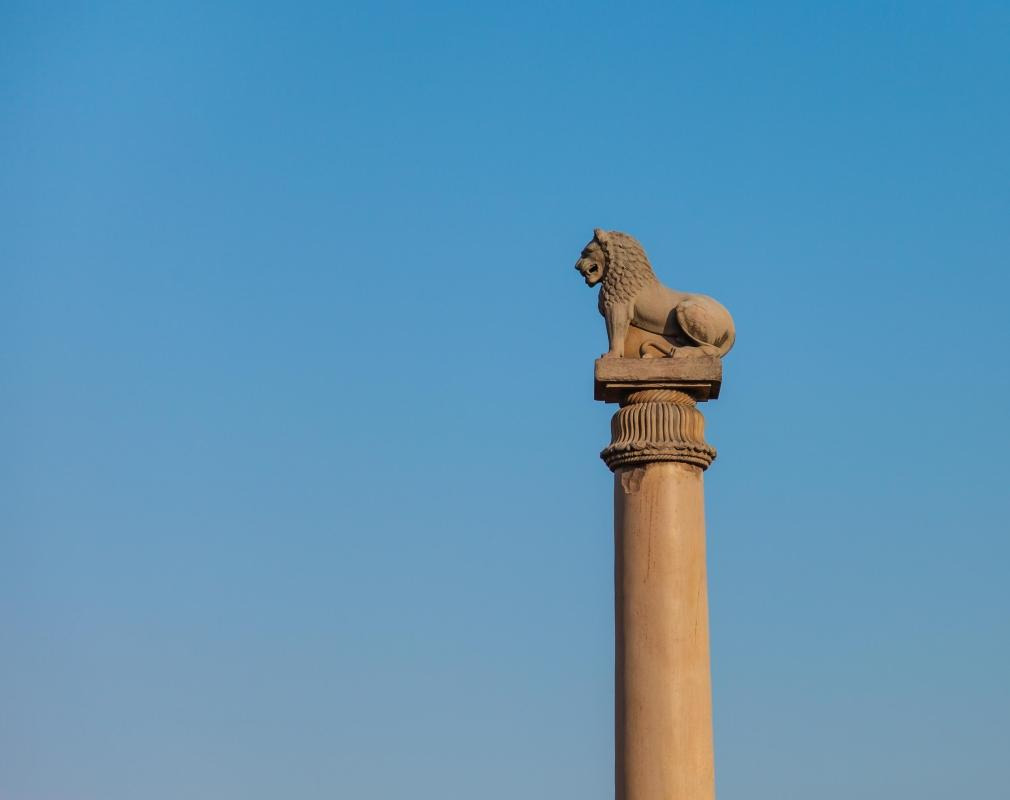
The Pillars of Ashoka are a series of polished sandstone columns from the 3rd century BCE, erected by Emperor Ashoka to mark key Buddhist sites. Each pillar stands approximately 15 to 20 metres tall and is inscribed with edicts promoting ethical governance and moral conduct, showcasing the emperor's commitment to dharma. The most famous pillar, located at Sarnath, is notable for its capital, which features four lions and serves as a symbol of modern India. Visiting early morning offers a serene atmosphere, and the nearby Dhamek Stupa is worth a walk to witness the historical context of the site.
- 4.9· 2,594 reviews151 tours include this
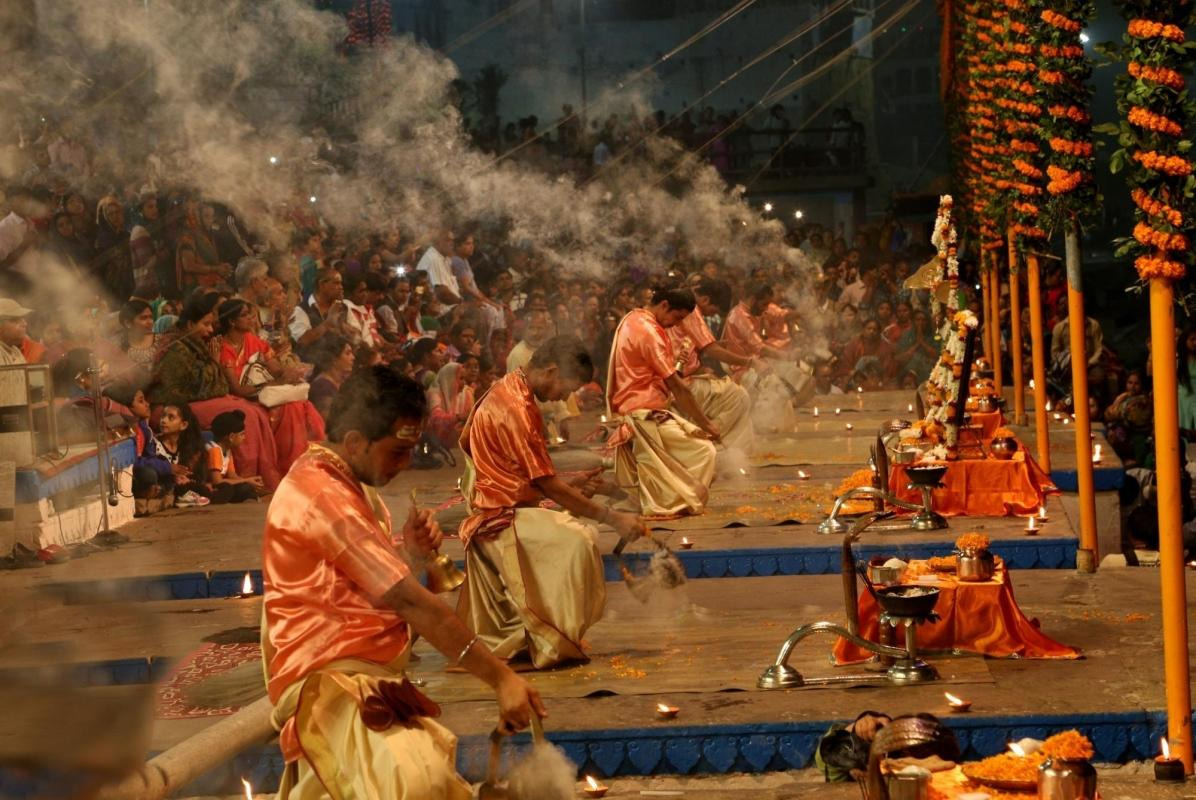
Dashashwamedh Ghat is one of the most famous riverfront steps along the Ganges in Varanasi, renowned for its striking evening Ganga Aarti ceremony. Legend has it that this ghat was built by Lord Brahma to welcome Lord Shiva, and its vibrant atmosphere reflects the spiritual essence of this ancient city. Arriving at dusk, visitors can witness an elaborate ritual featuring chanting, music, and the lighting of lamps, which creates a mesmerizing spectacle against the river's surface. Mornings are ideal for boat rides along the Ganges, offering another perspective on the city's ghats. Keep an eye out for local vendors selling offerings and snacks along the banks.
- 4.8· 2,283 reviews92 tours include this
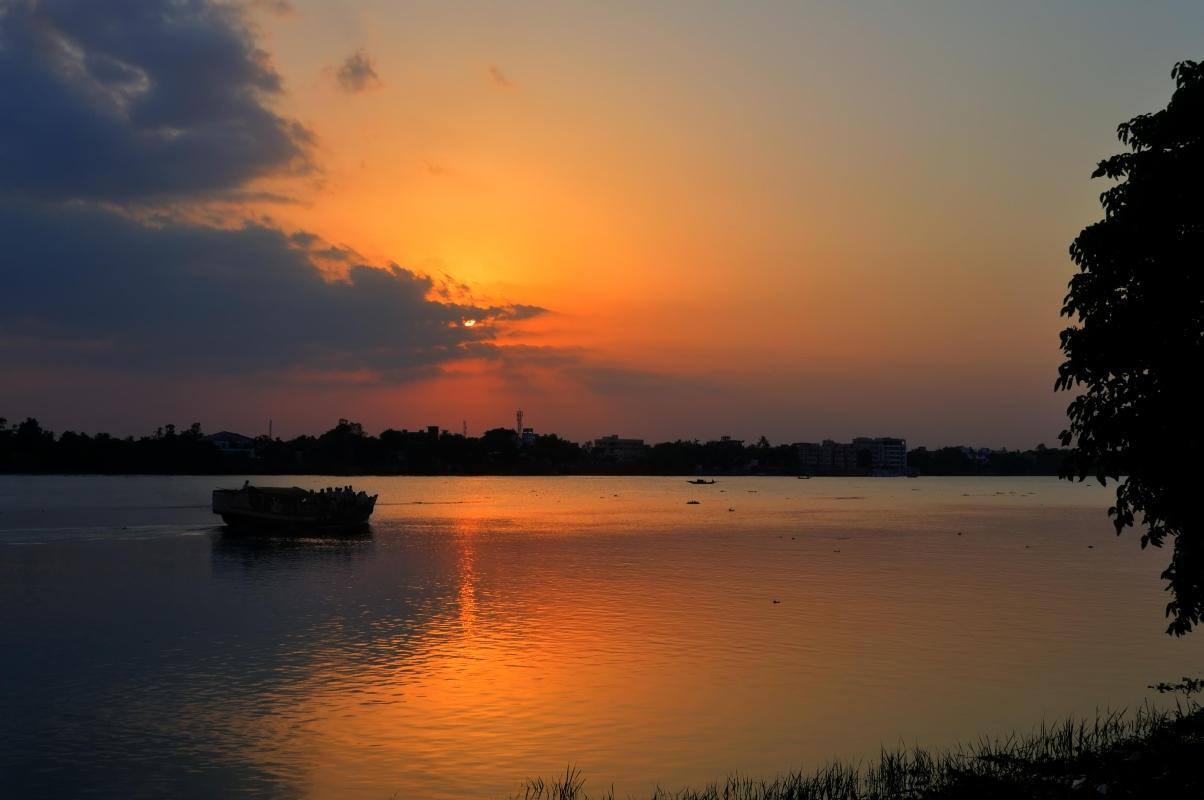
The Ganges River, known as the Ganga, flows through Varanasi, one of the oldest living cities in the world. Its banks are lined with ghats, where centuries of ritual bathing and cremation ceremonies take place, making this river a sacred lifeline for millions of Hindus. Visitors often arrive at the iconic Dashashwamedh Ghat, where the evening aarti ceremony draws crowds to witness a mesmerizing display of devotion. For a deeper experience, take a morning boat ride to see the sunrise over the river, illuminating ancient temples and bustling ghats. Plan to explore the narrow lanes of the old city nearby, where local shops and eateries offer a taste of Varanasi's rich culture. Be aware of the ebb and flow of river traffic, which can be busy, particularly during festivals.
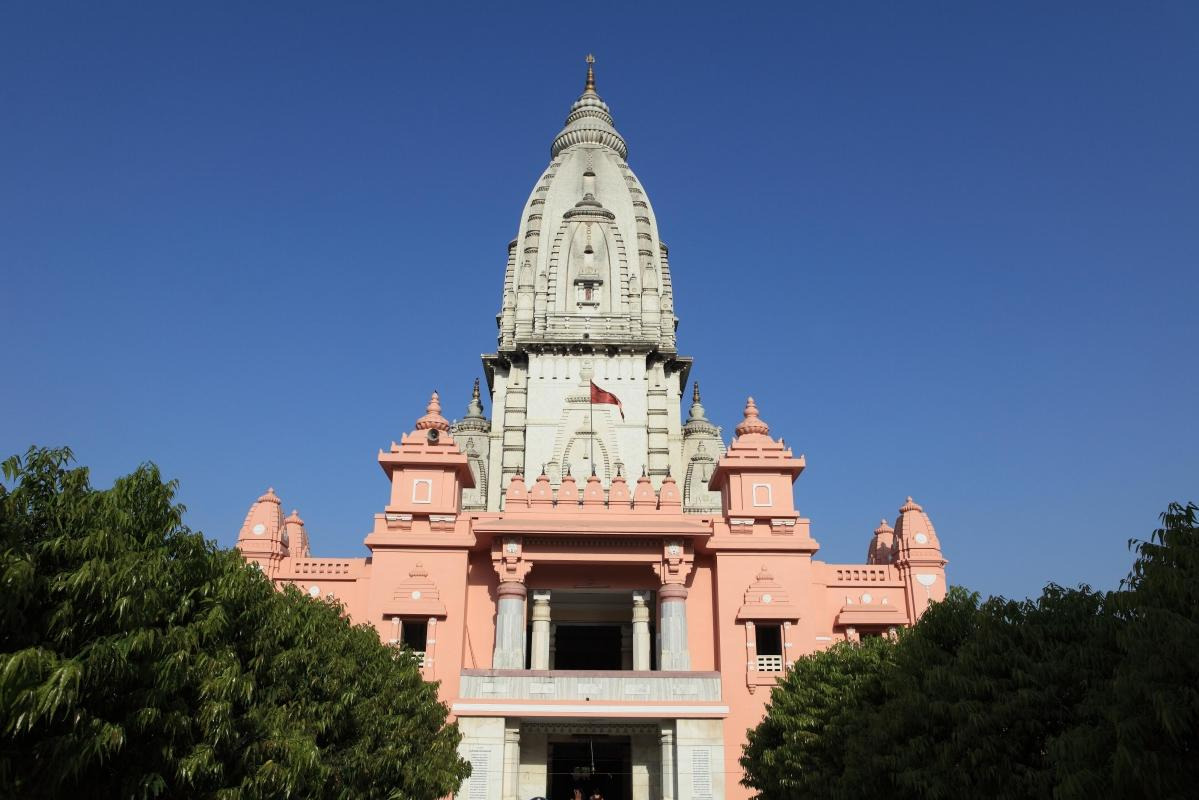
Kashi Vishwanath Temple, often referred to as the Golden Temple, is a significant Hindu shrine dedicated to Lord Shiva, located in Varanasi. The current structure was established in the 18th century, with its towering gold-plated dome drawing the eye of visitors. The temple complex is adjacent to the Ganges River, which plays a vital role in the rituals and significance of the site. Visiting the temple provides an immersive experience in Hindu spirituality, especially during the early morning aarti when rituals are performed with great fervour. The surrounding narrow lanes are filled with shops selling flowers, offerings, and sacred items. Be prepared for a crowded atmosphere, particularly during festivals and significant religious occasions.
- 05
Sarnath
4.9· 2,477 reviews239 tours include this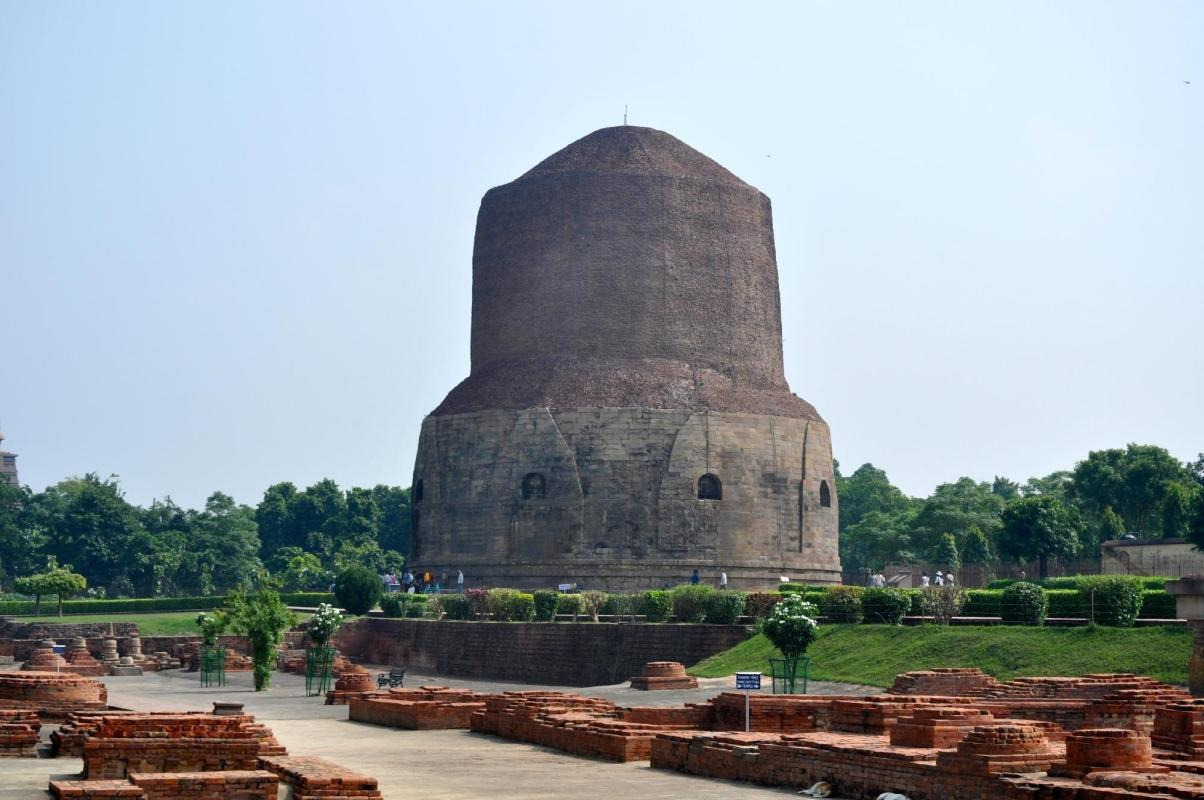
Sarnath is a significant Buddhist site where Gautama Buddha delivered his first sermon after attaining enlightenment, marking the birthplace of the Buddhist community. The Dhamek Stupa, built in the 5th century, dominates the site along with other ancient ruins and the Sarnath Archaeological Museum, which houses important relics and sculptures. To appreciate its serene atmosphere, visit early in the morning when the crowds are minimal and the light is soft. Nearby, the Ashoka Pillar stands as a testament to ancient Indian artistry. The site lies about 10 kilometres from Varanasi's city centre and is best combined with a trip to the ghats along the Ganges.
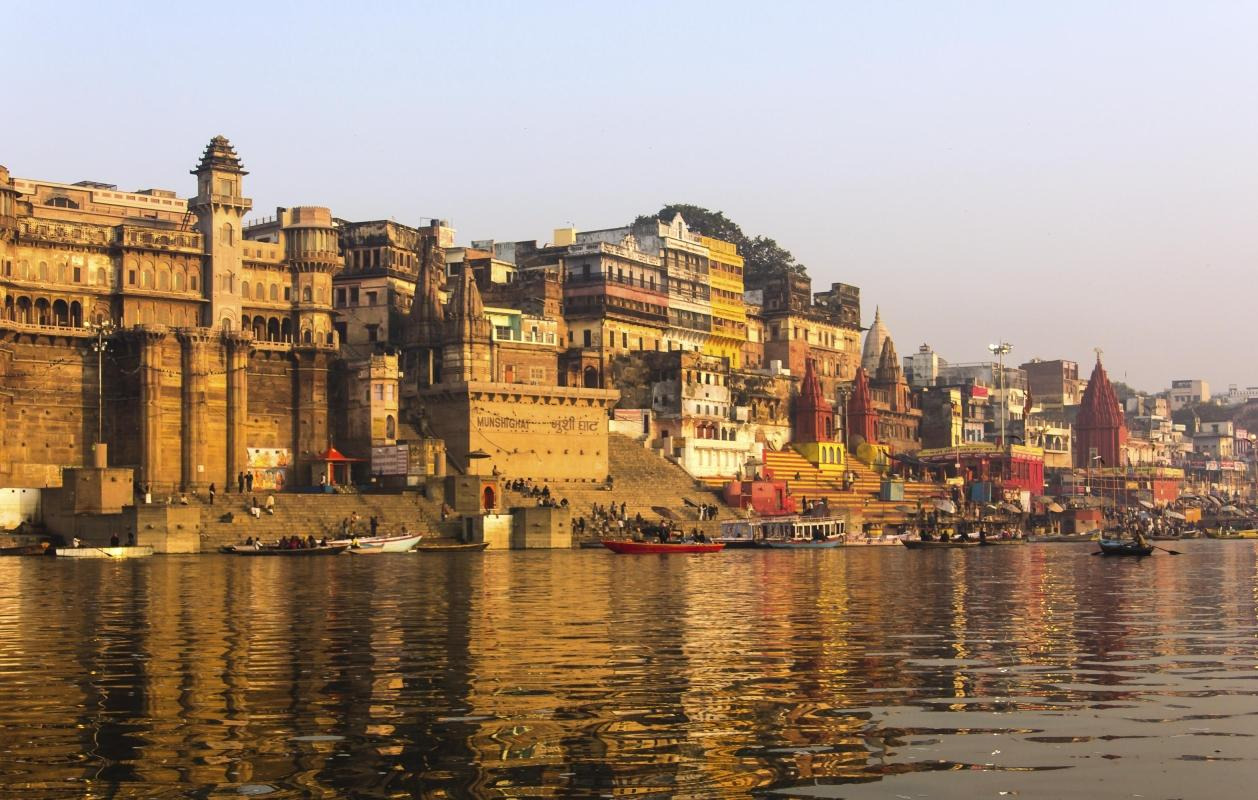
The Varanasi Ghats are a series of steps leading down to the holy Ganges River, with over 80 bathing ghats lining the waterfront that have been in use for centuries. These stone staircases serve as both a sacred space for pilgrims and a vivid tableau of life and death, with rituals happening around the clock against the backdrop of ancient temples. The most renowned ghat, Dashashwamedh, is an excellent spot to witness the Ganga Aarti ceremony in the evening, while the early morning boat rides offer a tranquil perspective of the city awakening. Be prepared for crowds, particularly at sunset and during religious festivals, which can be overwhelming yet captivating.
- 4.9· 3,382 reviews138 tours include this
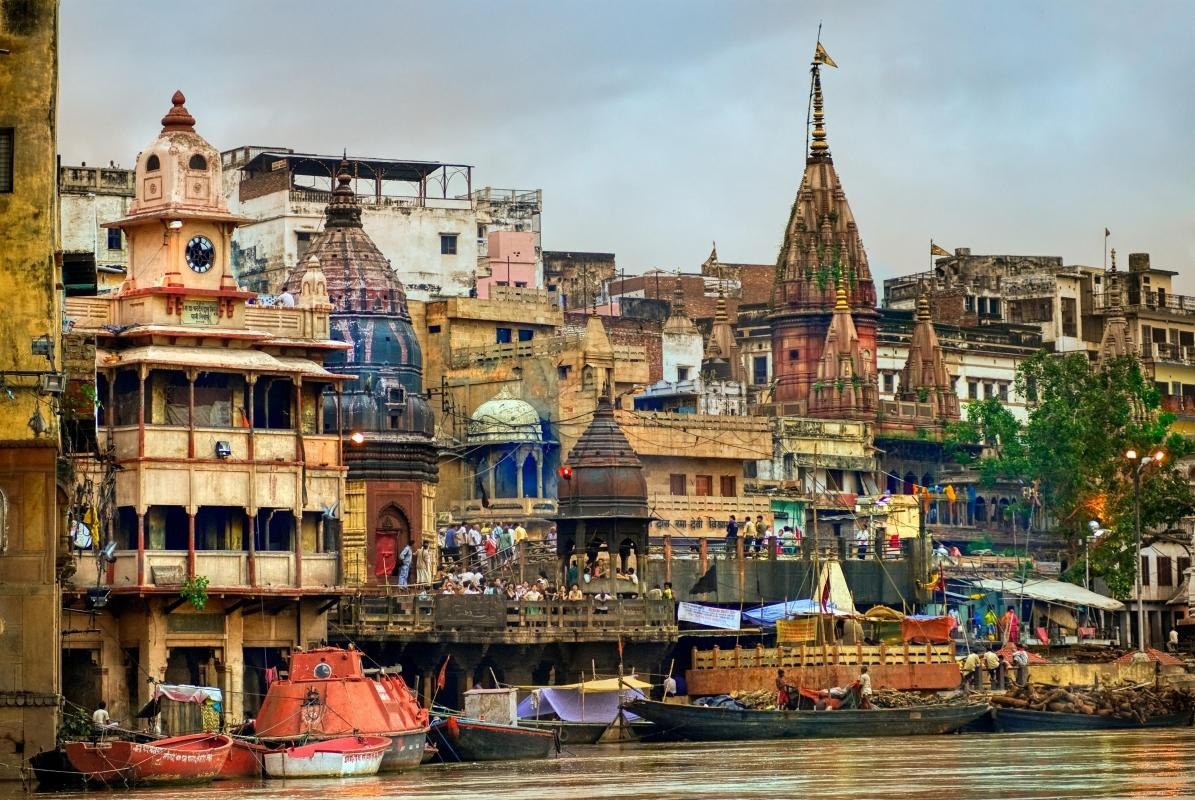
Manikarnika Ghat is one of the oldest and most significant cremation sites along the Ganges River in Varanasi, where countless Hindus have been cremated for centuries. The ghat is an open-air crematorium marked by the constant presence of flames and surrounded by the activity of mourners, priests, and onlookers, offering a poignant insight into life's cyclical nature. Visiting at dawn provides a quieter atmosphere, where you can observe the spiritual rituals as morning fog hovers over the river. Nearby, Dashashwamedh Ghat is known for its evening aarti ceremonies, and the vibrant lanes of the old city are perfect for wandering. Be prepared for the intense sights and smells that characterize this sacred space.
- 4.9· 478 reviews54 tours include this
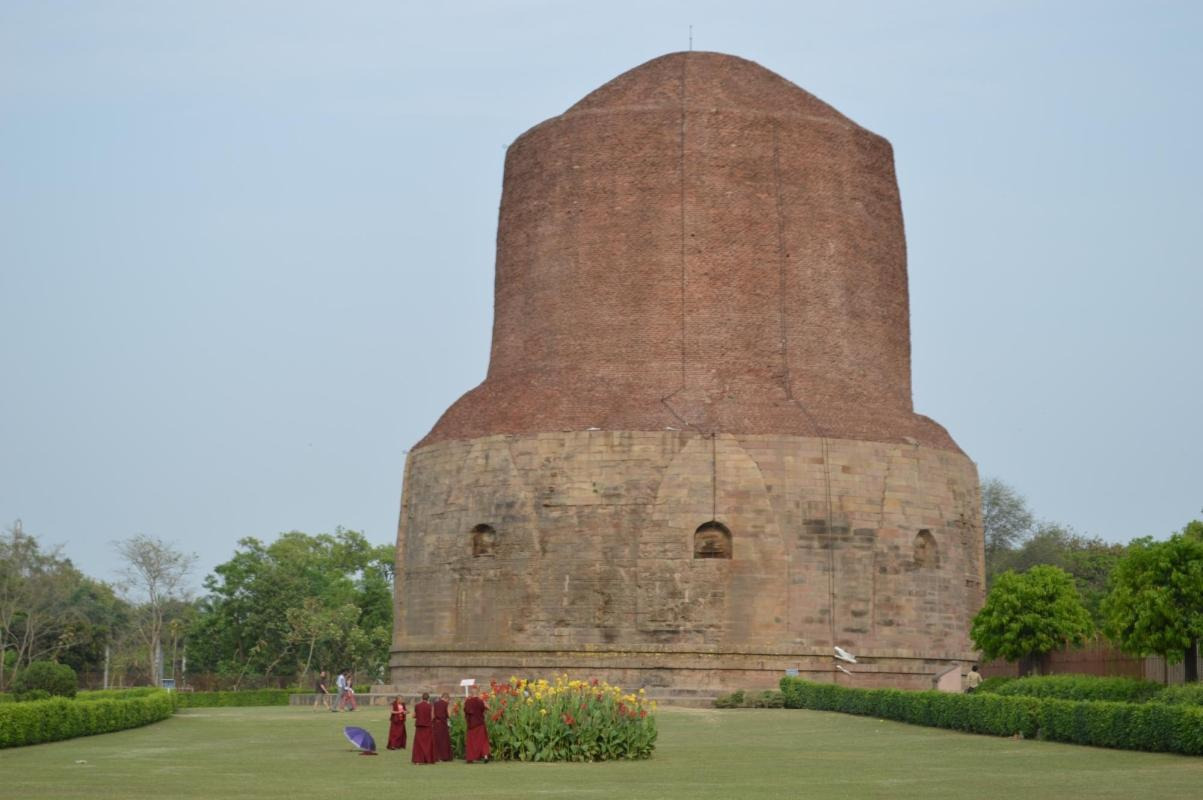
Dhamek Stupa is a massive brick structure, approximately 43 metres high and 28 metres in diameter, located in Sarnath, a significant Buddhist pilgrimage site. Built during the 5th century, it marks the place where Buddha delivered his first sermon to his disciples after attaining enlightenment, making it a crucial site in Buddhist history. Visit the stupa early in the morning for a quieter experience, as the site tends to get busier later in the day. The surrounding archaeological park also features ancient ruins and the Ashoka Pillar, adding layers to your visit. The serene atmosphere, especially at dawn, invites reflection on its historical significance.
- 4.8· 108 reviews26 tours include this
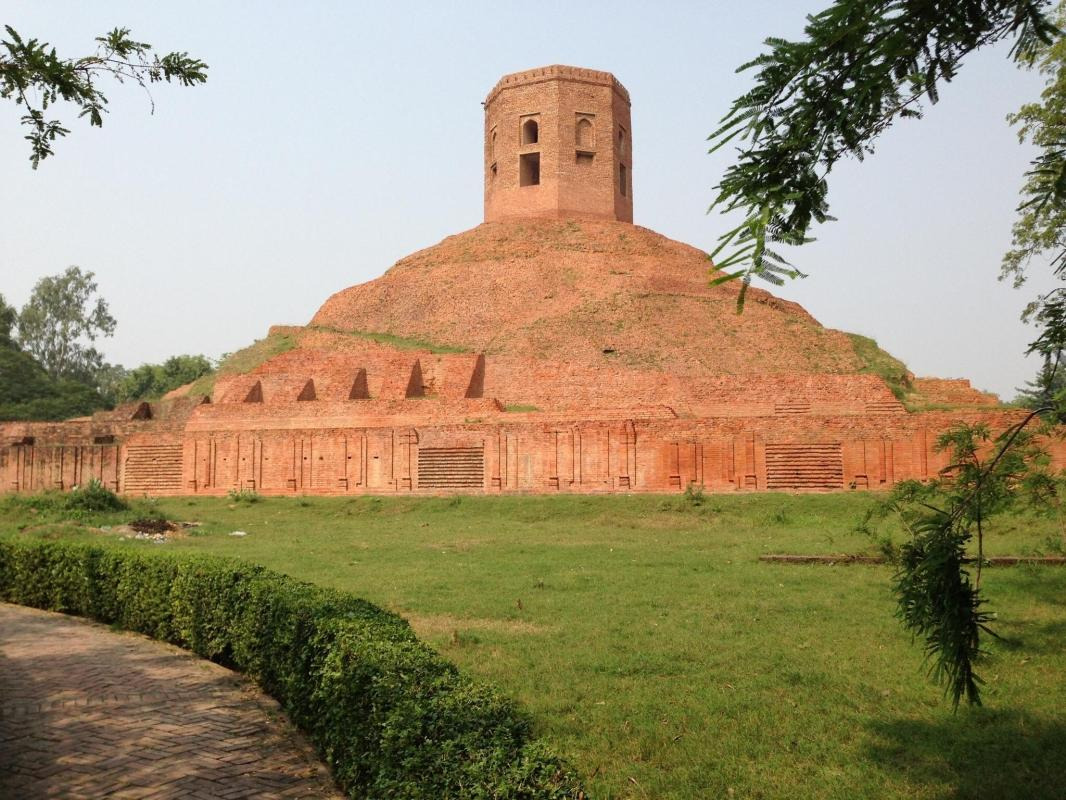
The Chaukhandi Stupa is a significant Buddhist monument located approximately 13 kilometres from Sarnath, a site tied to the life of Gautama Buddha. Dating back to the 5th to 6th centuries CE, this domed structure stands 34 metres tall and has an impressive square base, originally built to mark the spot where Buddha delivered his first sermon. Visit the stupa for its serene atmosphere and historical weight, best appreciated in the early morning light when the surrounding gardens are quiet. Nearby, the ruins of ancient monasteries and the Deer Park are worth exploring. The gentle commotion of Varanasi lies just a short drive away, contrasting the stupa's tranquillity.
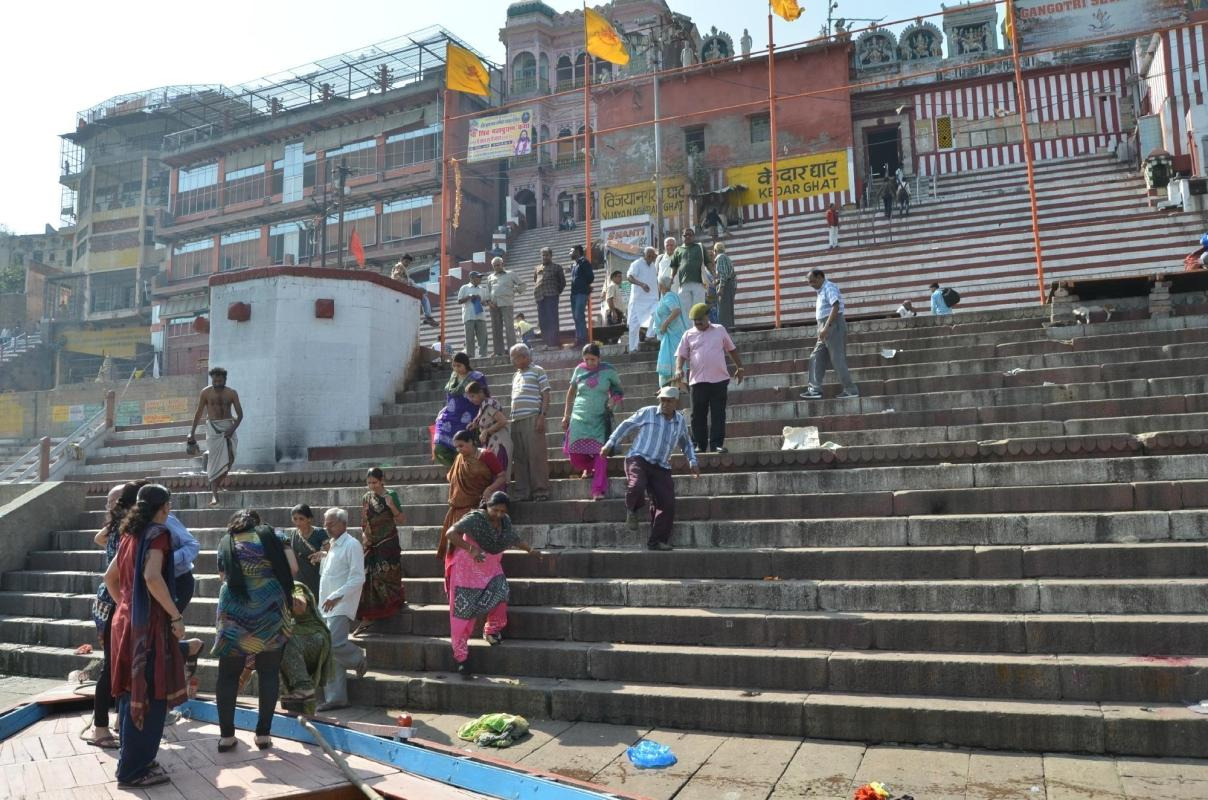
Kedar Ghat is one of the prominent bathing ghats lining the Ganges in Varanasi, known for its religious significance and historical architecture. Built in the 18th century, it features intricate stonework and offers views of daily rituals performed by pilgrims. The ghat is particularly associated with the revered Kedareshwar Temple, dedicated to Lord Shiva. Visit early in the morning to witness the vibrant scene of worshippers performing their rituals against the backdrop of dawn breaking over the river. Nearby, the bustling streets of Varanasi lure with local shops and food stalls, adding to the city’s rich tapestry of life. The atmosphere can be crowded, so wearing comfortable shoes is advisable.
Best activities to do in Varanasi
Explore all (49) →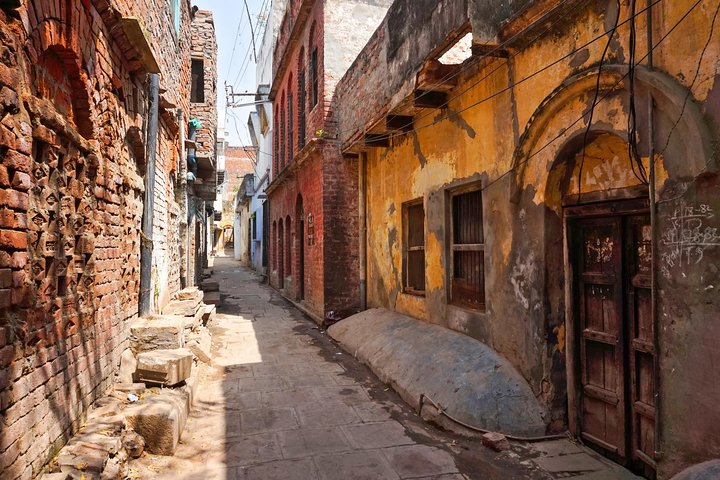 2 hours
Guided walking tour for photography in Varanasi
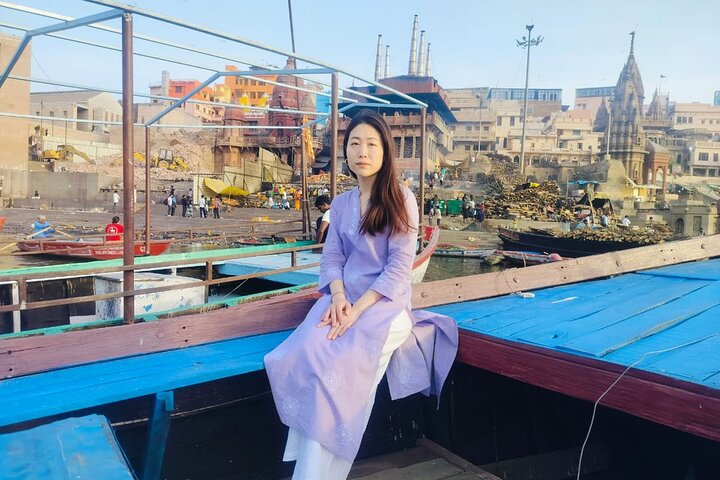 14 hours
Full-day private tour of Varanasi with boat rides
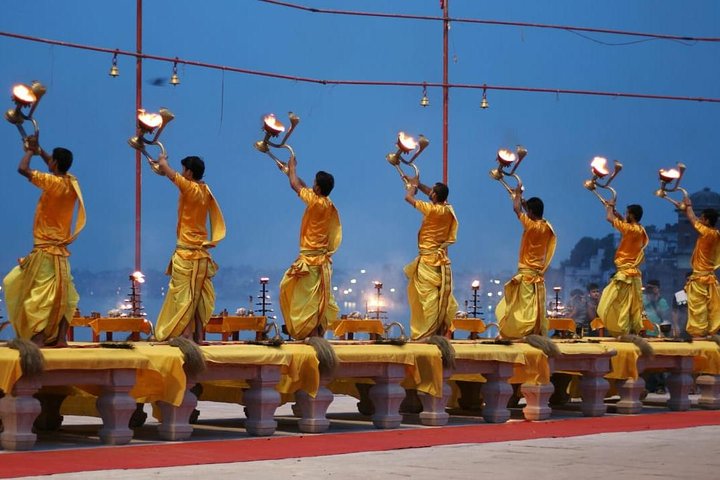
Private heritage tour of Varanasi with a local
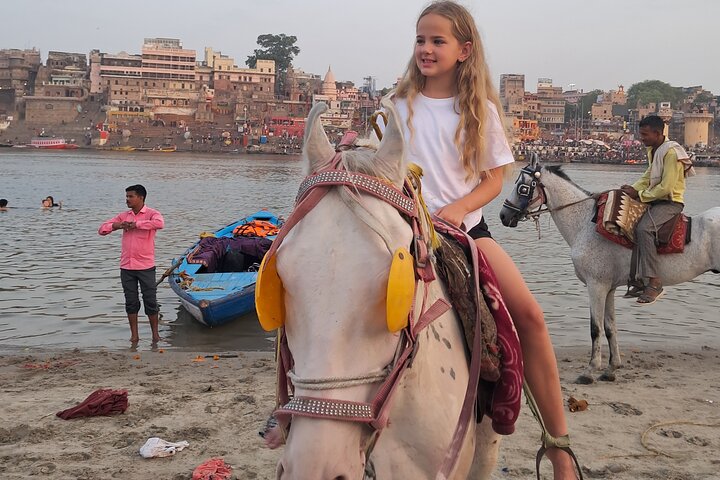 3 days
Three-day private tour of Varanasi
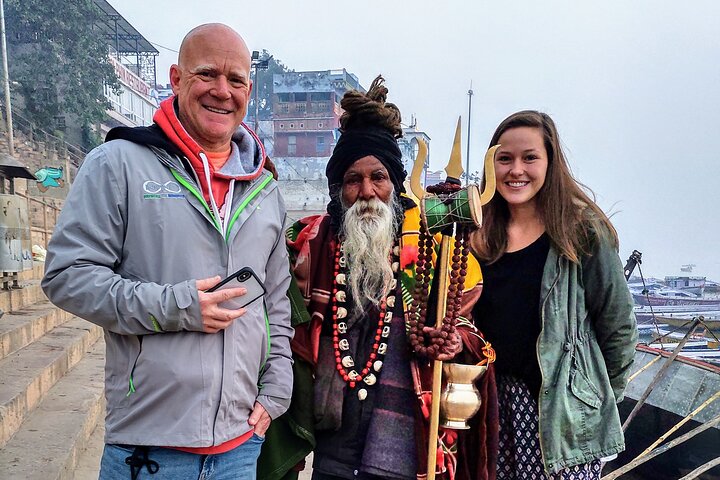
One-day private guided tour of Varanasi
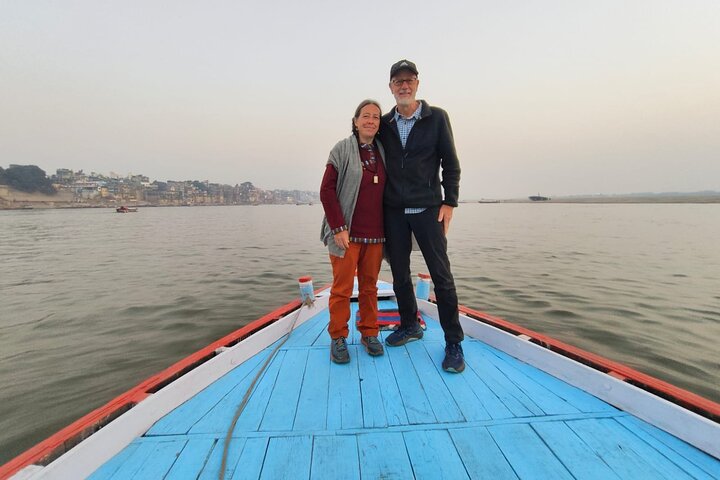 5 hours
Sunrise boat ride and walking tour in Varanasi
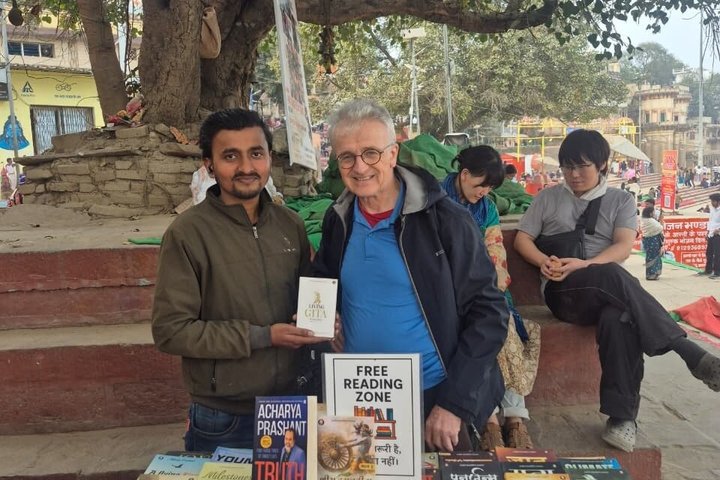
Full-day tour of Varanasi and Sarnath with Ganges boat ride
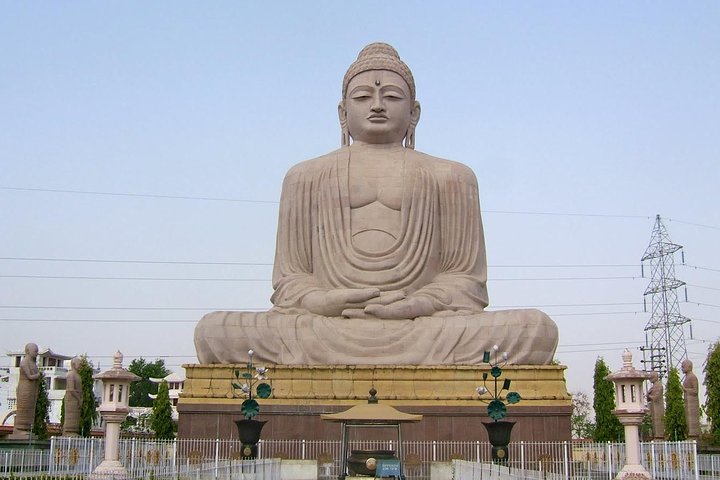 14 hours
Bodhgaya day trip from Varanasi
Cultural & heritage in Varanasi
See all 25 →Private heritage tour of Varanasi with a local
One-day private guided tour of Varanasi
14 hoursBodhgaya day trip from Varanasi
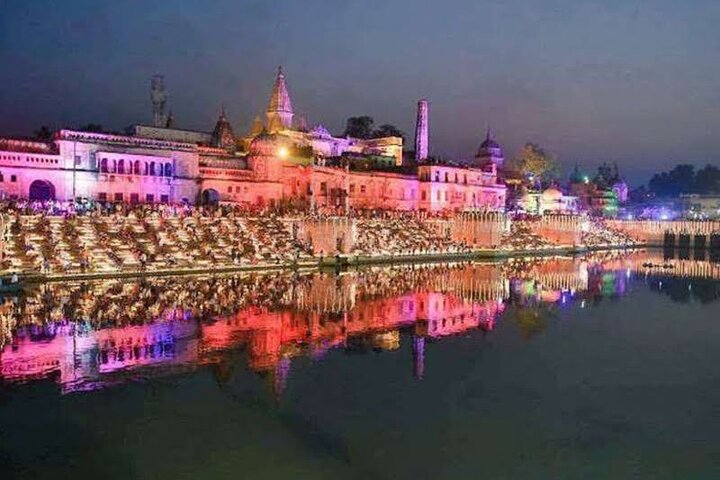 5 days
5-Day private tour of Varanasi, Ayodhya and Prayag
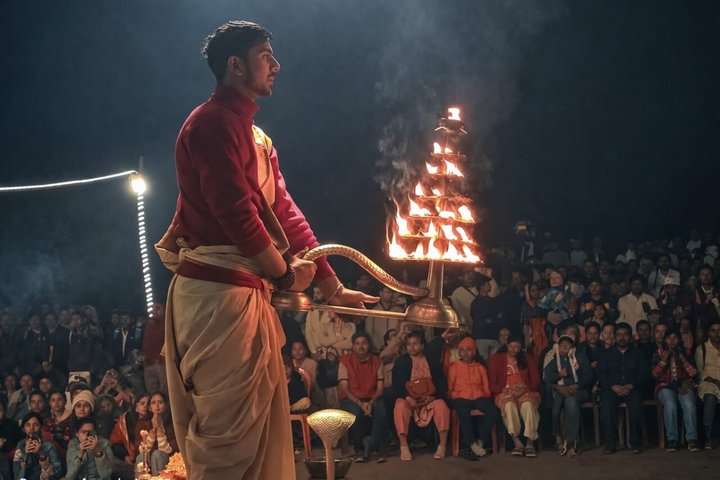 2.5 hours
Evening boat ride and Ganga Aarti in Varanasi
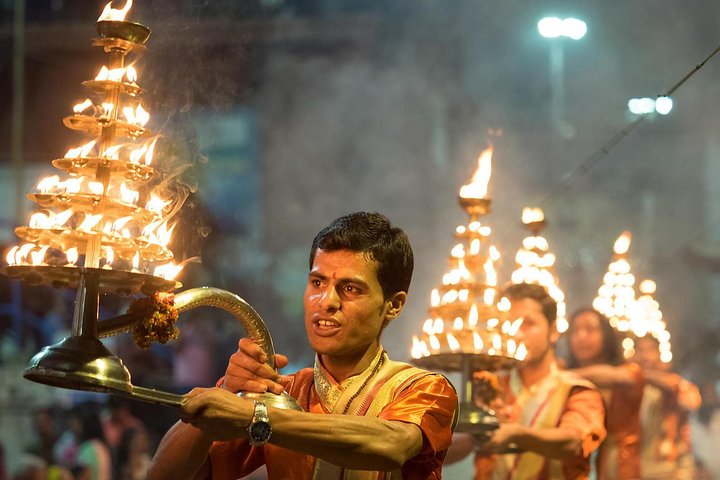 2 days
Two-day private tour of Varanasi with boat rides
Luxury & private in Varanasi
See all 21 →14 hoursFull-day private tour of Varanasi with boat rides
Private heritage tour of Varanasi with a local
3 daysThree-day private tour of Varanasi
One-day private guided tour of Varanasi
 8 hours
Customisable private sightseeing tour of Varanasi
5 days