- 4.7· 52 reviews8 tours include this
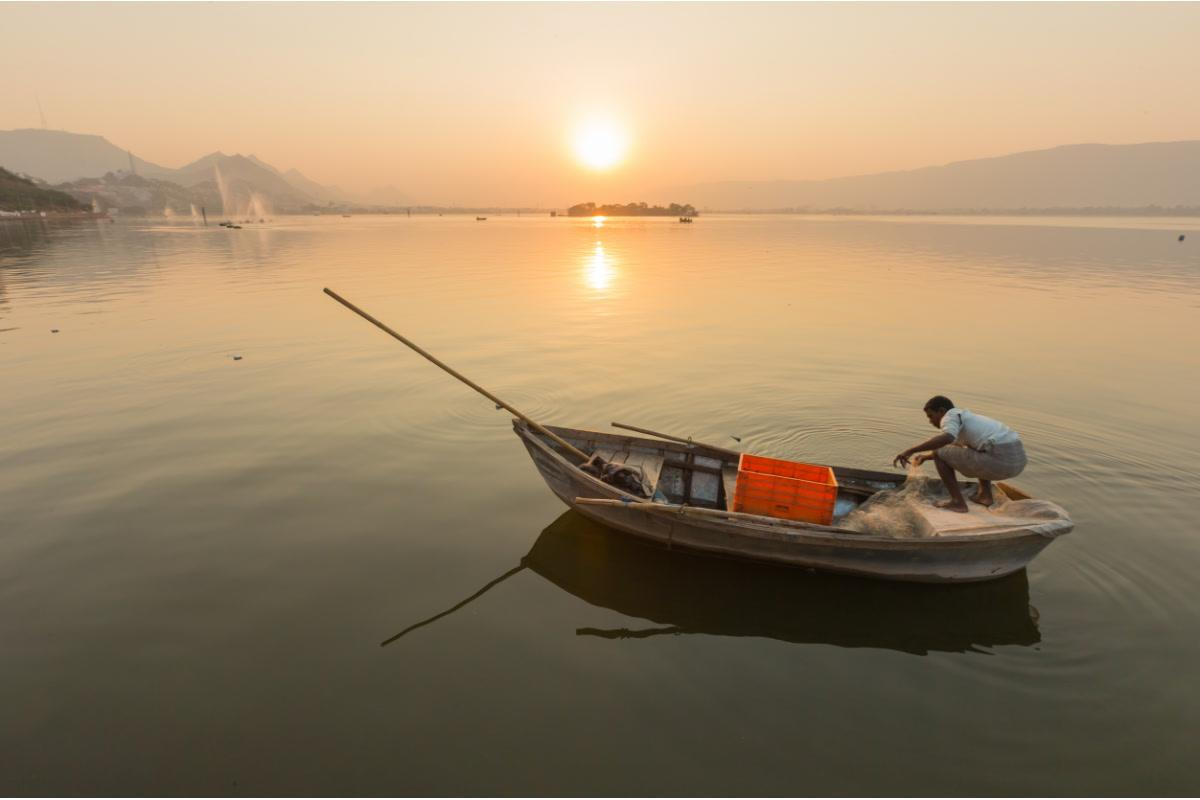
Ana Sagar Lake is an artificial lake built in the 12th century by the Mughal emperor Anasagar. Spanning over 13 square kilometres, its tranquil waters are bordered by landscaped gardens and the historic Ajmer Fort overlooks the site, providing a picturesque setting that draws both locals and tourists alike. Visiting in the early morning or late afternoon offers the best light for photography, and a boat ride on the lake reveals views of the surrounding hills and the impressive Ana Sagar Circular Garden. Nearby, you can explore the Ajmer Sharif Dargah, a significant pilgrimage site.
- 02
Ajmer
4.7· 169 reviews51 tours include this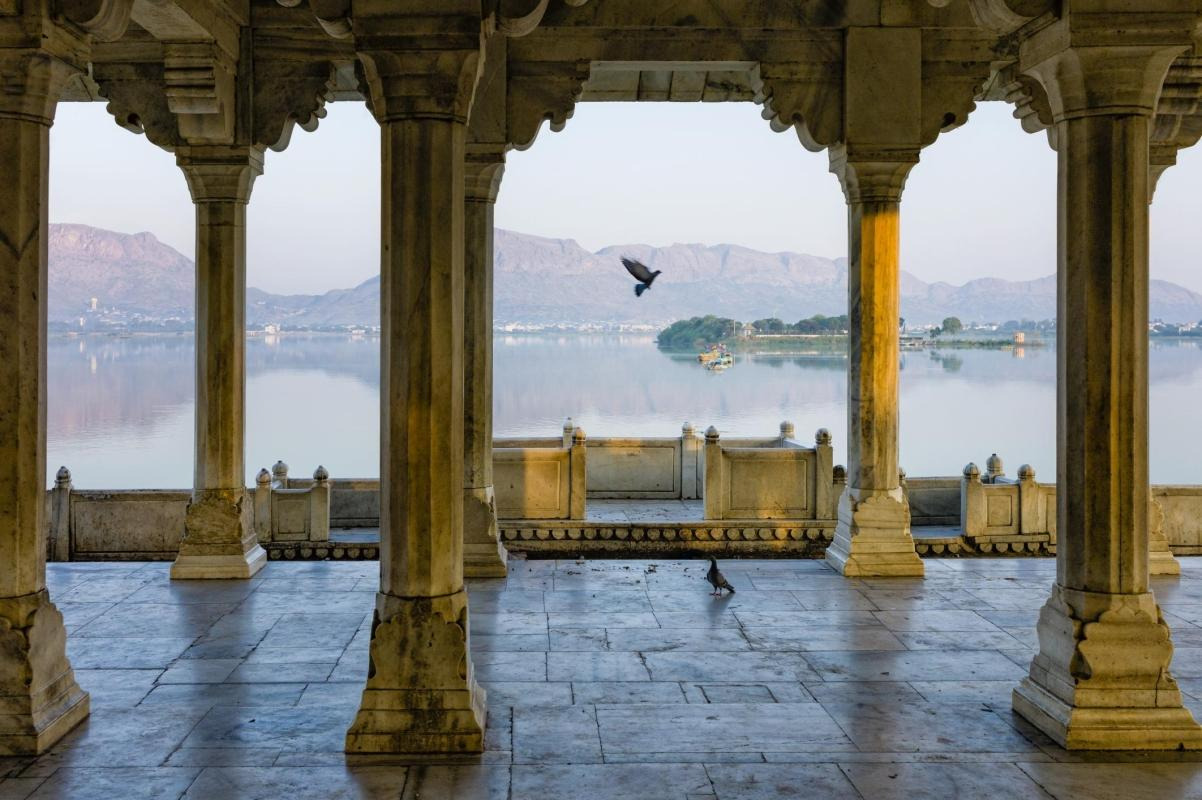
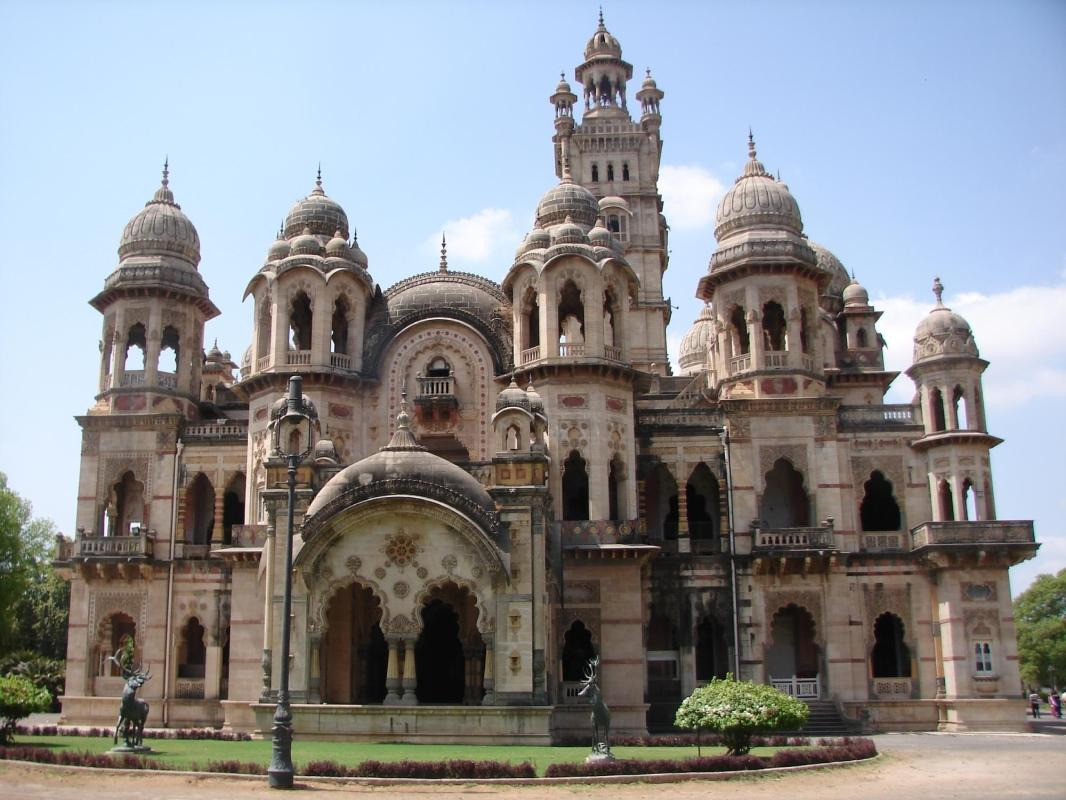
Ajmer is a historic city that serves as a significant pilgrimage site, known primarily for the Ajmer Sharif Dargah, the tomb of the revered Sufi saint Khwaja Moinuddin Chishti, built in the 13th century. The city is surrounded by the Aravalli mountain range and features Indo-Saracenic architecture, particularly in its stunning mosques and the beautiful Ana Sagar Lake. Visit the dargah early in the morning to experience the peaceful atmosphere before the crowds arrive. Consider exploring the nearby Pushkar, famous for its sacred lake and temples, which is just a short drive away. The blend of cultures and spirituality is palpable here, especially during the Urs festival.
- 4.7· 113 reviews29 tours include this
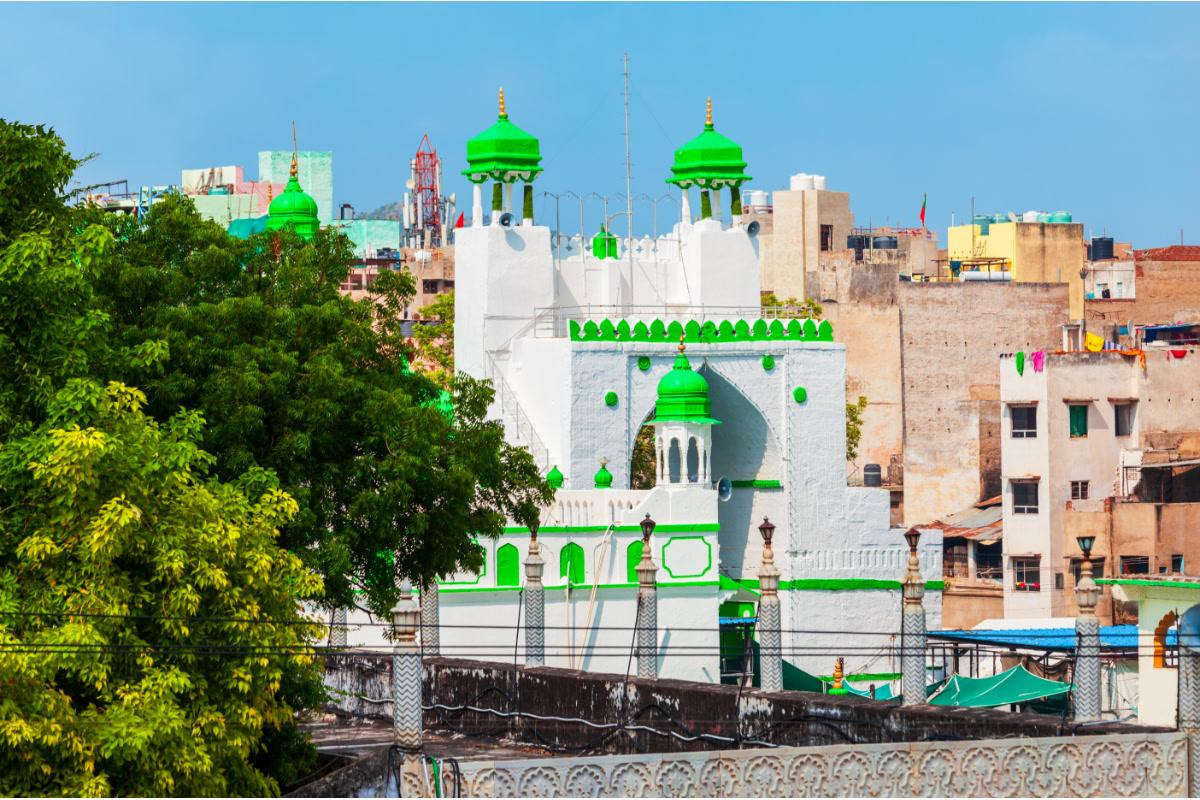
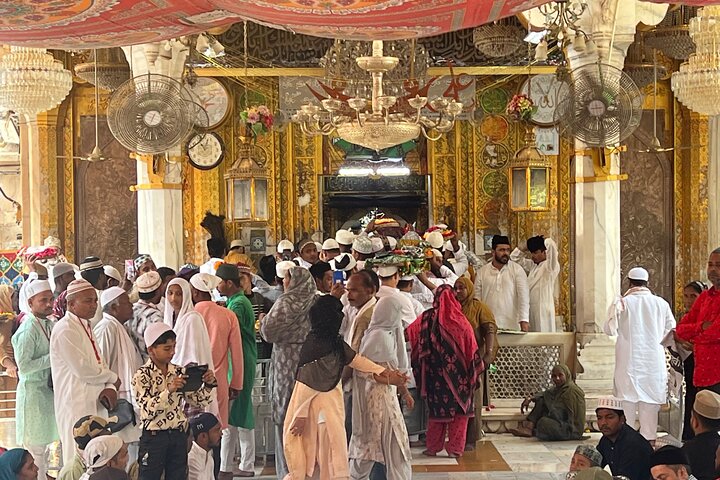
The Ajmer Sharif Dargah is the mausoleum of the revered Sufi saint Khwaja Moinuddin Chishti, built in the late 13th century. This magnificent structure, with its intricate marble façade and domed roof, draws visitors for both its spiritual significance and architectural beauty, marked by a blend of Indo-Saracenic design elements. Plan to spend time inside the serene courtyard, where pilgrims offer prayers and seek blessings. Fridays are especially busy as devotees gather for weekly congregational prayers. The dargah is located near the bustling streets of Ajmer, where shopkeepers sell devotional items and local snacks, enhancing the vibrant atmosphere.
- 4.4· 23 reviews4 tours include this
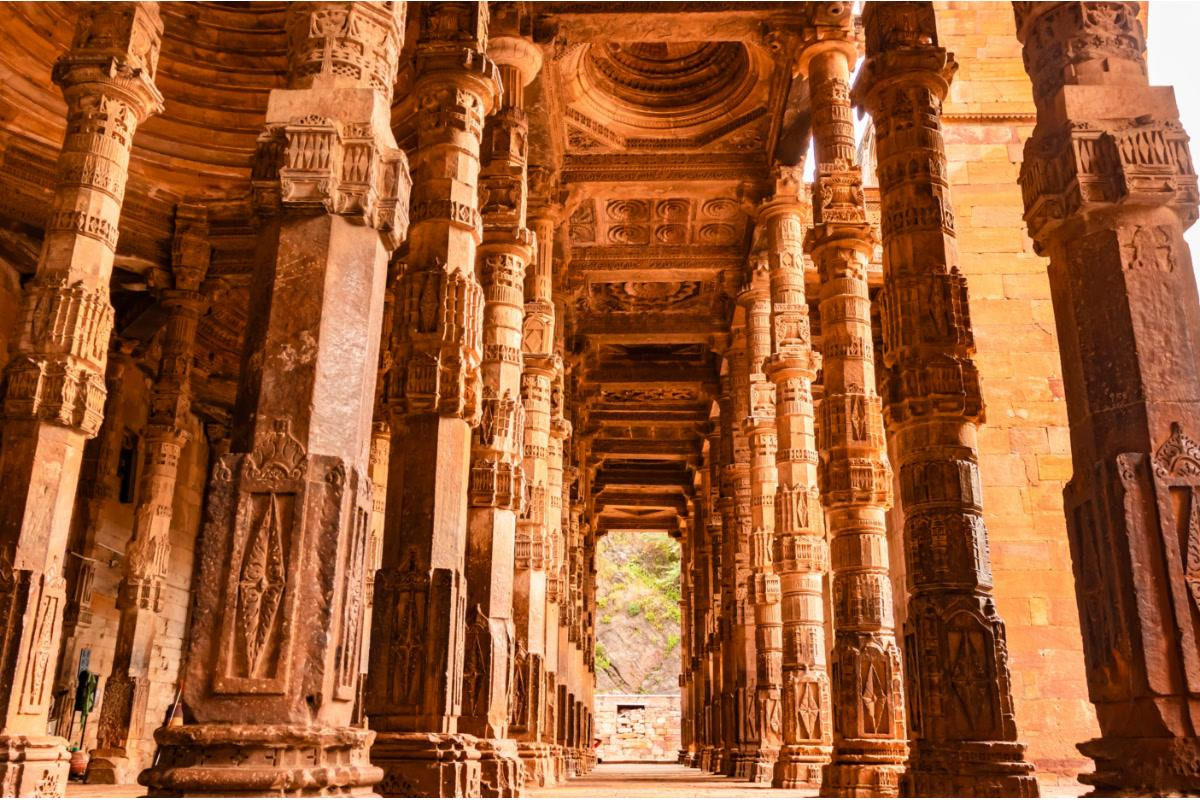
Adhai Din Ka Jhonpra is a striking mosque located on the outskirts of Ajmer, constructed in the 12th century. This architectural marvel features a striking use of Indo-Islamic design, with intricate carvings and elegant arches made from red sandstone. Originally a Sanskrit college, it was repurposed by Muhammad Ghori as a place of worship, showcasing a blend of cultural influences. Plan to spend around an hour exploring the site, particularly appreciating the detailed inscriptions and unique pillars. Visit in the cooler parts of the day to avoid the heat, and consider pairing your visit with a trip to the nearby Ajmer Sharif Dargah, which deepens the city’s historical context.
- 5.0· 18 reviews3 tours include this
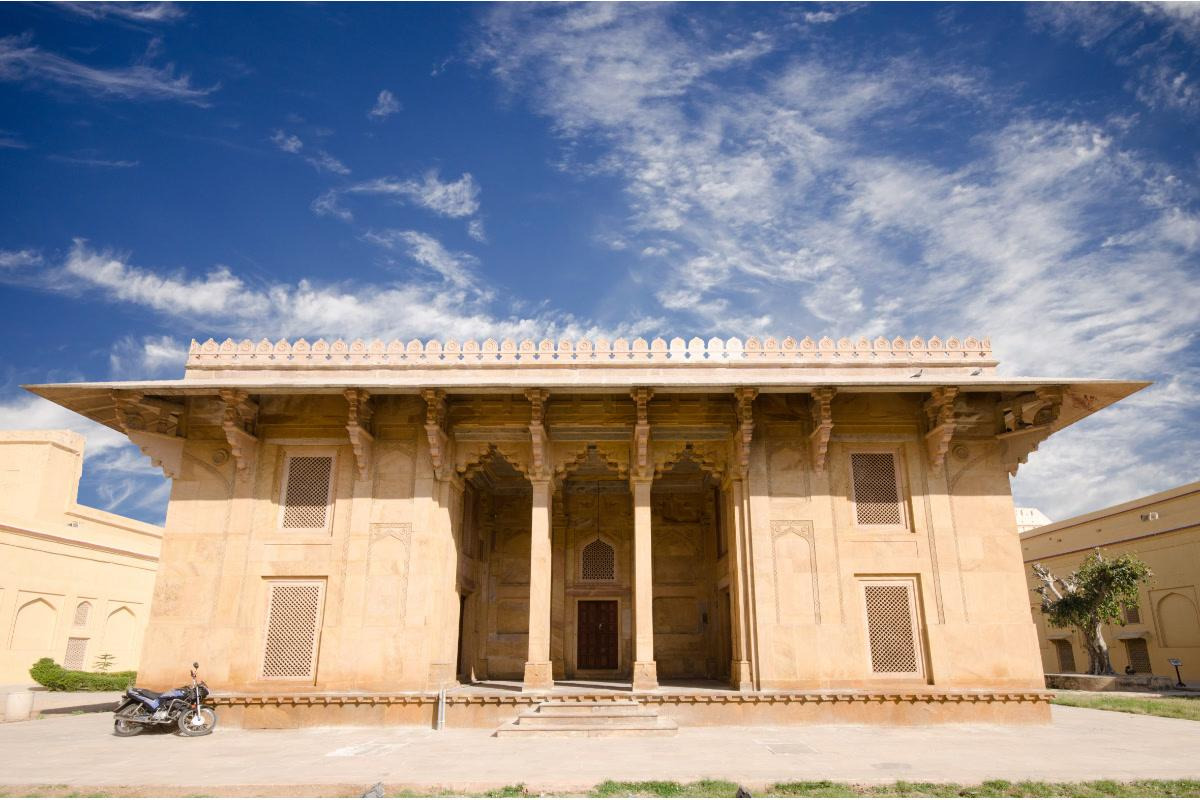
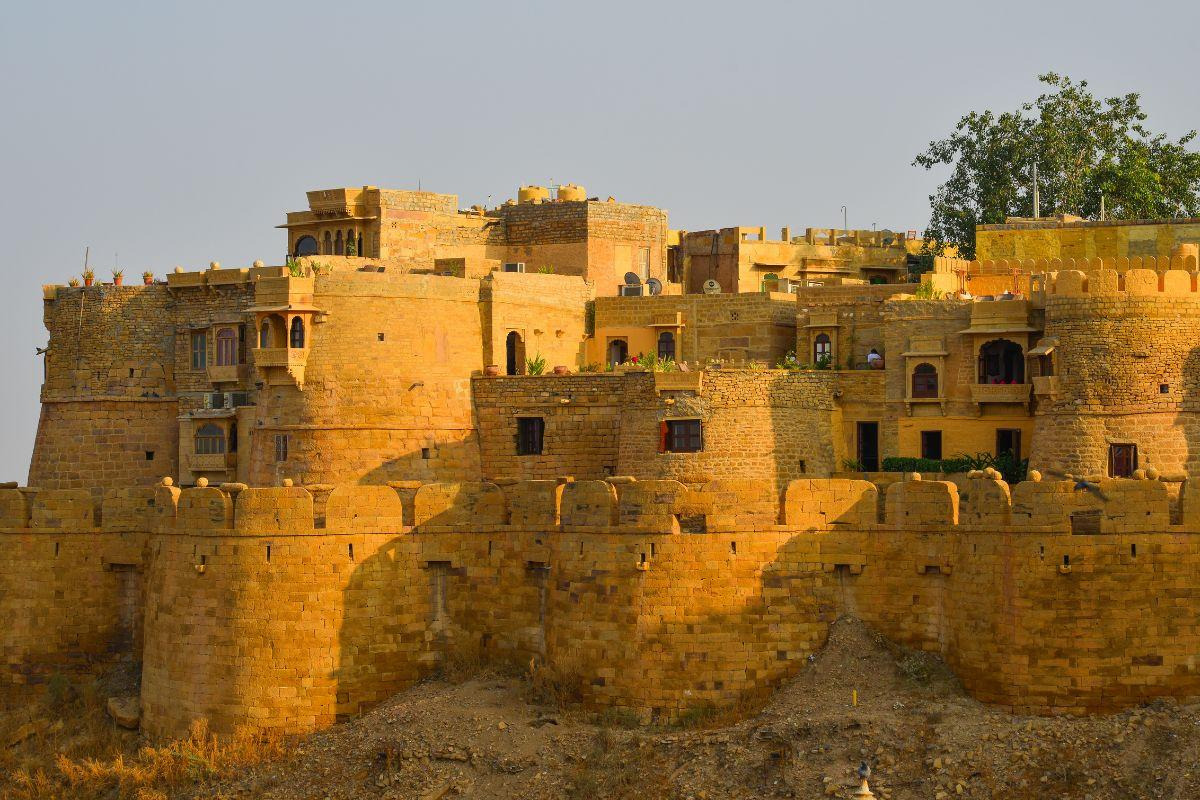
Akbari Fort and Museum is a 16th-century fortress built by the Mughal Emperor Akbar, located in the heart of Ajmer. The fort features robust sandstone walls, intricate architecture, and houses a museum that showcases a variety of artefacts from the Mughal era, including weapons, manuscripts, and paintings, reflecting the historical significance of the region. Allocate an hour or two to explore the fort and museum at a leisurely pace. The best time to visit is early morning or late afternoon, when the light enhances the fort's details. Nearby, you can also visit the Ajmer Sharif Dargah, a revered Sufi shrine, which adds to the area's cultural richness.
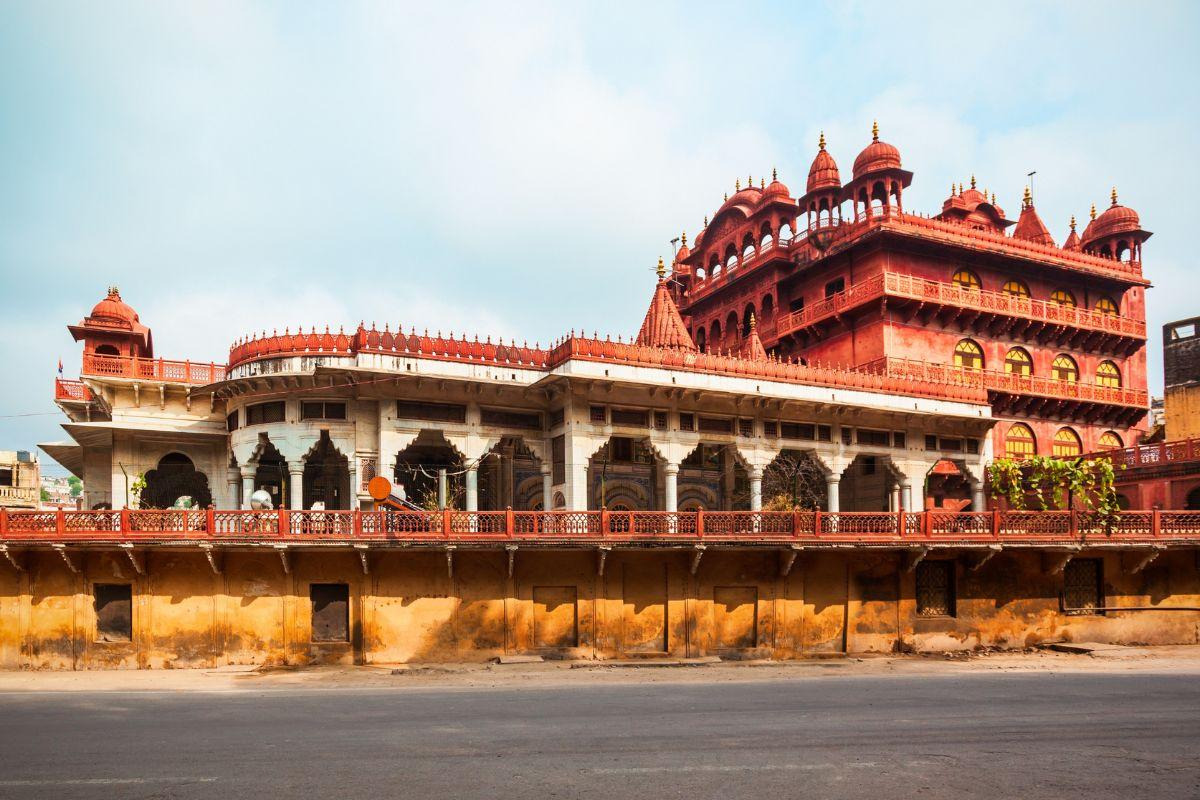
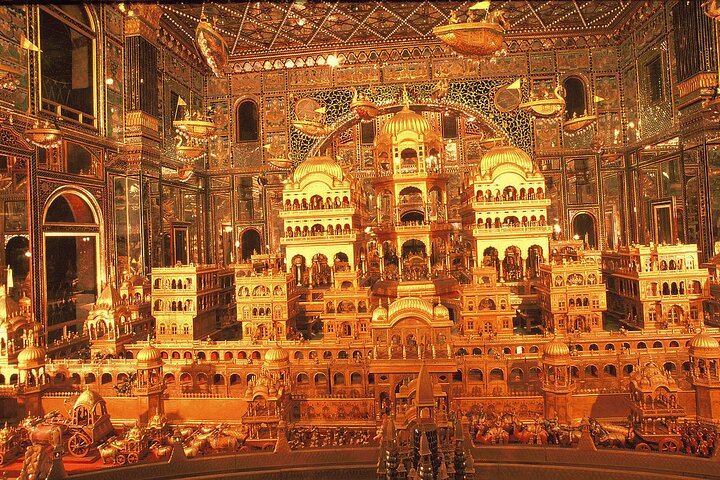
The Nasiyan Jain Temple, also known as the Golden Temple, is a stunning example of 19th-century architecture, adorned with intricately carved red sandstone and lavish gold leaf interiors. Built in 1865, this temple is dedicated to the first Tirthankara, Adinatha, and features a striking golden altar that captures the attention of every visitor upon entry. Allocate about an hour to explore the temple and its serene surroundings. The best time to visit is during the cooler months from October to March. Nearby, the Ajmer Sharif Dargah offers a contrasting spiritual experience, making it easy to combine both visits.
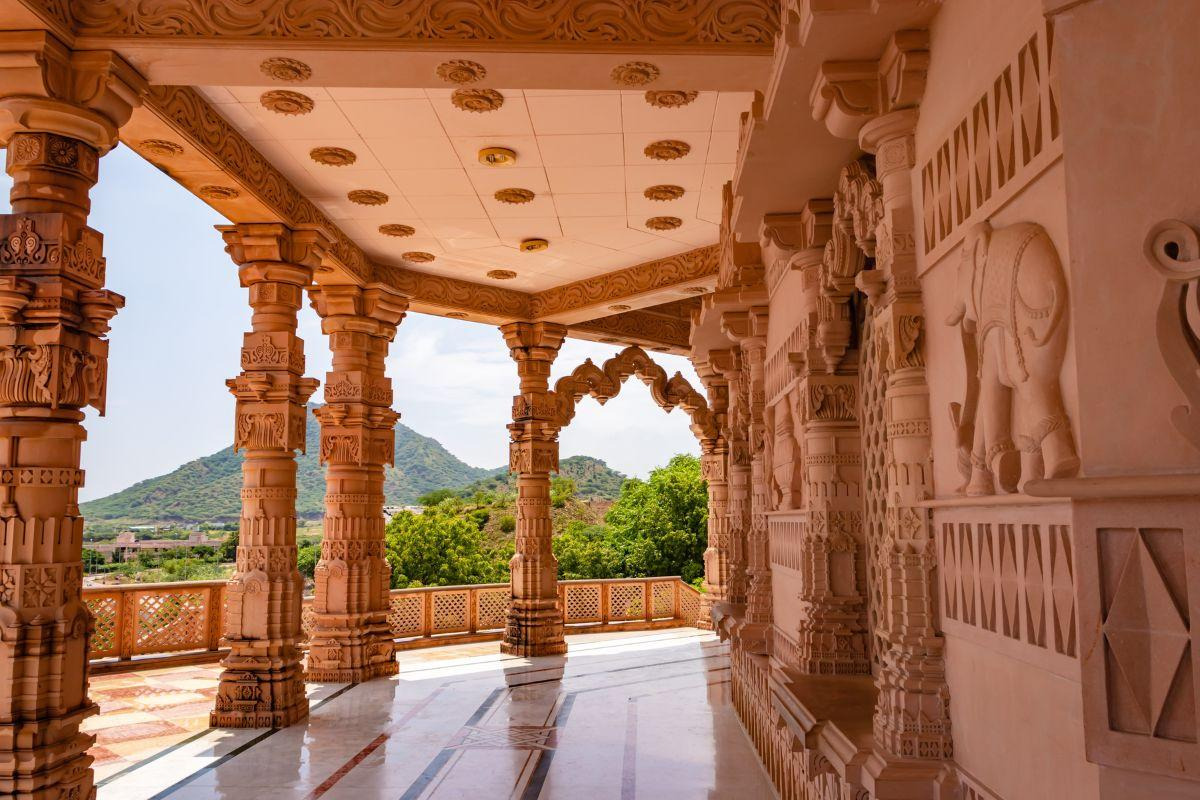
The Nareli Jain Temple is a contemporary place of worship, inaugurated in 2001, renowned for its striking architecture that blends traditional Jain styles with modern elements. Its main shrine features intricate marble carvings and is flanked by a series of smaller temples, all set against the backdrop of the Aravalli hills. Allocate some time to explore the serene surroundings and the various temple complexes. Best visited in the morning or late afternoon to enjoy the calm atmosphere, the temple is located about 8 kilometres from Ajmer city centre, making it a peaceful retreat away from the hustle. The air here carries a sense of stillness, ideal for reflection.