
The Athabasca Glacier is one of the most accessible glaciers in North America, part of the Columbia Icefield, which is situated in the Canadian Rockies. Visitors are greeted by a vast expanse of ice and stunning mountain scenery, where the glacier extends approximately 6 kilometres long and is a remnant of the last Ice Age. Plan to join a guided tour for the best experience, especially if you want to step onto the ice itself. Summer is the peak season, but early autumn offers fewer crowds and striking views of the surrounding peaks. The Icefields Parkway nearby is an iconic route that shouldn't be missed.
- 4.7· 327 reviews11 tours include this

The Columbia Icefield is one of the largest icefields in North America, spanning 325 square kilometres within the Canadian Rockies. Located in Jasper National Park, it feeds several glaciers, including the Athabasca Glacier, which visitors can explore via guided tours and walkways, showcasing the stunning icy landscape against the towering peaks. Timing your visit for late spring to early fall will offer the best conditions for exploring, with warmer temperatures and clearer skies. Nearby attractions include the Icefield Parkway, frequently listed as one of the most scenic drives in the world, and the breathtaking Sunwapta Falls, both just a short drive away.
- 4.7· 1,553 reviews50 tours include this

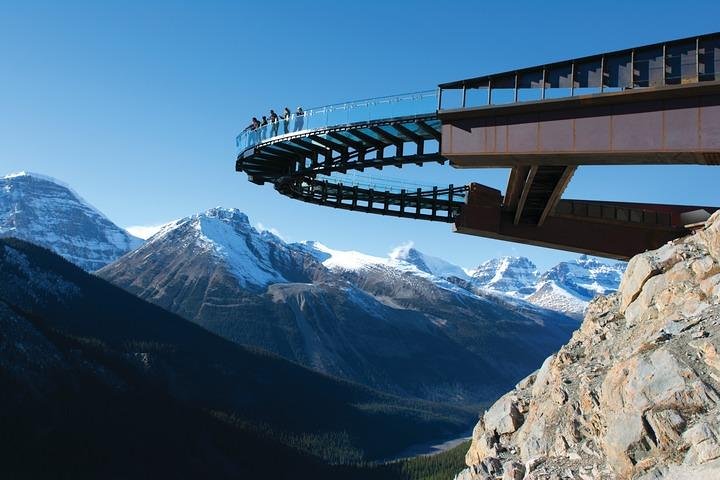
The Columbia Icefield Skywalk is a glass-floored cantilevered bridge that extends 280 metres over the Sunwapta Valley, offering sweeping views of the Columbia Icefield and the surrounding Rocky Mountains. Opened in 2014, the structure provides a unique perspective of glacial landscapes and diverse wildlife, enhancing the experience of the Icefields Parkway. Allocate about an hour to take in the views and walk along the pathway. Autumn is ideal for fewer crowds and stunning fall colours, but be prepared for changing weather conditions. The nearby Athabasca Glacier, part of the same icefield, can be accessed via guided tours for an deeper exploration.
“This tour was fantastic, with Colin being an exceptional guide. He was punctual, clear, and incredibly knowledgeable, plus his great sense of humor kept us entertained. He also showed care and consideration for everyone. The overall experience was spectacular, and I would highly recommend it.”— Michelle_B who visited Columbia Icefield Skywalk on a Rovostays-listed tour
- 4.7· 1,813 reviews50 tours include this

Yoho National Park is a stunning expanse of wilderness in the Canadian Rockies, established in 1886 and known for its dramatic mountain landscapes, glacial lakes, and waterfalls. The park is home to natural wonders like the turquoise waters of Emerald Lake and the thundering Takakkaw Falls, which at 373 metres is one of the tallest in Canada. Plan a day to traverse the various hiking trails, which cater to all skill levels, and consider visiting in summer for the best access to trails and lakes. The park's proximity to Lake Louise and Yoho Valley makes it a great addition to a broader exploration of the area, particularly for photography enthusiasts drawn to its scenic vistas.

Kicking Horse River is a stunning natural feature in Banff National Park, characterized by its impressive turquoise waters that flow through the rocky terrain of the Canadian Rockies. The river, known for its remarkable rapids and scenic vistas, attracts outdoor enthusiasts year-round for activities like white-water rafting and kayaking, as well as leisurely hiking along its banks. Visiting in late spring or early summer offers the best experience, when the snowmelt creates thrilling rapids. The Kicking Horse Mountain Resort is nearby, providing additional recreational options. Keep an eye out for wildlife along the river, as the surrounding forest is home to various species that occasionally wander close to the water's edge.
- 4.6· 145 reviews1 tour includes this

Kicking Horse Mountain Resort is a prominent ski area nestled in the Selkirk Mountain range, praised for its challenging terrain and breathtaking views. Opened in the late 1990s, it features 120 marked runs spanning over 2,800 acres, with some of the highest vertical drops in North America at 1,260 metres. A visit here is ideal from December to April, when the powder is at its best. In addition to skiing and snowboarding, the resort offers snowshoeing and a scenic gondola that provides a panoramic view of the surrounding peaks. The nearby town of Golden offers additional dining and accommodation options for those looking to explore further.
- 4.8· 18,281 reviews314 tours include this

Moraine Lake is a glacially fed lake in Banff National Park, renowned for its vivid turquoise waters that are framed by the Valley of the Ten Peaks. The lake, which sits at an elevation of 1,884 metres, is particularly striking in late spring when the ice melts, revealing its stunning colouration against a backdrop of rugged mountains. The area offers various hiking trails, including the popular Rockpile Trail, which provides an impressive view of the lake and surrounding peaks. Early morning is ideal for photography, as the light reflects beautifully on the water. Parking can be limited, so arriving early is advisable to enjoy the serene atmosphere before the crowds arrive.
“I had previously booked another tour for Banff but decided to add this one because it seemed to feature more lakes. Who would find The Rockies dull to see twice? Our guide was fantastic and even spotted some mountain goats, stopping for us to admire them from afar. I appreciated that we visited Lake Louise early, making our hike to the viewing platform comfortable. We explored numerous lakes, many from unique angles compared to the other tour, which was enjoyable. The guide also led us on a short hike to a fantastic viewpoint that was less known to other tourists, providing a more secluded experience. It was a wonderful trip, and I'm glad I joined! A confirmation text a day or two in advance would be helpful, as I had to reach out myself for details.”— Agdjdijehudhdu who visited Moraine Lake on a Rovostays-listed tour
- 4.7· 4,088 reviews74 tours include this

The Banff Gondola is an eight-minute aerial tramway that transports visitors 698 metres above sea level to the summit of Sulphur Mountain, offering expansive views of the Canadian Rockies and Banff National Park. Built in 1959 and upgraded in recent years, it features a glass-enclosed cabin for an unobstructed panorama. Timing is key; early mornings or late afternoons provide the best light and fewer crowds. At the top, boardwalks lead to viewing platforms and interpretive panels about the region's ecology. Nearby, the Banff Upper Hot Springs offer a relaxing option after the ride.
“Booking online was straightforward, and it fit conveniently into our schedule. There were no issues upon arrival. The gondola is an essential experience while in Banff.”— Kerri_H who visited Banff Gondola on a Rovostays-listed tour
- 4.8· 8,836 reviews72 tours include this

Lake Louise is a glacial lake nestled in the heart of Alberta's Banff National Park, known for its striking turquoise waters framed by rugged mountain peaks and dense pine forests. This picturesque destination has been a celebrated site for outdoor enthusiasts since the late 19th century, highlighted by the historic Fairmont Château Lake Louise that overlooks the tranquil waters. A visit here is best during the summer or early fall, when hiking trails like the Plain of Six Glaciers and Lake Agnes tea house hike offer stunning views and a chance to see local wildlife. It can get crowded during peak times, so arriving early in the morning allows for quieter moments by the lakeside.
“I had previously booked another tour for Banff but decided to add this one because it seemed to feature more lakes. Who would find The Rockies dull to see twice? Our guide was fantastic and even spotted some mountain goats, stopping for us to admire them from afar. I appreciated that we visited Lake Louise early, making our hike to the viewing platform comfortable. We explored numerous lakes, many from unique angles compared to the other tour, which was enjoyable. The guide also led us on a short hike to a fantastic viewpoint that was less known to other tourists, providing a more secluded experience. It was a wonderful trip, and I'm glad I joined! A confirmation text a day or two in advance would be helpful, as I had to reach out myself for details.”— Agdjdijehudhdu who visited Lake Louise on a Rovostays-listed tour
- 4.7· 336 reviews17 tours include this

The Canadian Rocky Mountains rise dramatically from the landscape of Banff National Park, their jagged peaks reaching heights of over 3,600 metres. Formed over millions of years, this range features a mix of limestone and granite, creating iconic formations such as Mount Rundle and the Three Sisters, which draw mountaineers and photographers alike. Visit for the diverse wildlife, pristine lakes, and stunning hiking trails, especially in the summer months when wildflowers bloom. The town of Banff offers shops and restaurants, making it a convenient base. Note that the park can get crowded in peak season, so a morning start is advisable for solitude.
- 4.8· 8,501 reviews131 tours include this

Lake Minnewanka is a large glacial lake in Banff National Park, stretching approximately 21 kilometres in length. Surrounded by towering mountains and lush forests, it was formed during the last Ice Age and remains one of the park's most picturesque locations, known for its deep blue waters and stunning scenery. Visiting in late spring or early autumn offers the best weather and fewer crowds. Activities include boat tours, fishing, and hiking along the scenic shoreline trails, which provide excellent views of the surrounding peaks. The nearby town of Banff is just a short drive away, where you can find additional amenities and viewpoints.

Johnston Canyon features a dramatic series of waterfalls and unique limestone rock formations carved from ancient seabeds, making it a geological highlight in Banff National Park. The walk along the catwalks and bridges allows visitors to view the cascading waters up close that plunge into turquoise pools, providing a stark contrast against the surrounding evergreen forest. Visit in late spring or early autumn to enjoy the vibrant foliage without the summer crowds. The hike to the Upper Falls is worth the effort, but be prepared for slippery sections and ensure you're equipped with proper footwear. The nearby Ink Pots, natural mineral springs, are often overlooked yet equally captivating.
- 4.8· 10,310 reviews151 tours include this

Bow Falls is a powerful cascade located just outside Banff, where the Bow River tumbles over rocks in a dramatic display of nature. This 30-metre waterfall, flanked by rugged cliffs and dense pine forests, captures the essence of the Canadian Rockies and offers stunning views year-round. A short walk from the town centre, the falls are best visited in spring, when the melting snow swells the river, creating a more robust flow. The area around Bow Falls is perfect for photography, and nearby, you can explore the scenic pathways along the river or visit the historic Banff Springs Hotel just upstream.
- 4.7· 511 reviews33 tours include this

Banff Upper Hot Springs is a natural thermal spring located at an elevation of 1,585 metres in the Canadian Rockies, featuring pools fed by mineral-rich waters. The facilities include a historic bathhouse built in 1932, where you can enjoy views of Mount Rundle while soaking in waters that maintain a temperature of around 37 to 40°C. Plan to spend an hour or two; the outdoor pool is particularly inviting in the colder months. Arrive early in the day for a quieter experience, and consider a post-soak walk along the nearby Banff Avenue for shops and dining options within a scenic mountain backdrop.
- 4.8· 3,545 reviews126 tours include this

Peyto Lake is a striking glacial lake in Banff National Park, known for its unique wolf-head shape and brilliant turquoise colour created by glacial silt. The lake sits at an elevation of 1,860 metres, surrounded by forest and rugged Rocky Mountain peaks, making it a crucial part of the park’s ecological landscape. Visit in late spring to see the lake melt into its vibrant blue hues, with viewpoints along the Bow Valley Parkway providing easy access. The short hike from the main viewing platform offers panoramic vistas, while the surrounding area is ideal for wildlife spotting, particularly in the early morning or late evening hours.

Icefields Parkway, or Highway 93, is a 232-kilometre scenic drive that connects Jasper National Park and Banff National Park through the Canadian Rockies, renowned for its dramatic landscapes and glacial valleys. The route showcases turquoise lakes, glaciers, and jagged peaks, with key stops like the Athabasca Falls and the Columbia Icefield providing striking views and ample photo opportunities. Plan a day to fully appreciate the drive, especially if you intend to hike along the way. Summer attracts the most visitors, yet autumn offers a quieter experience with stunning fall colours. Keep an eye out for wildlife; bears and elk are commonly spotted along the highway.
- 4.6· 1,653 reviews15 tours include this

Banff National Park is Canada's first national park, established in 1885 and located in the heart of the Canadian Rockies. Covering over 6,600 square kilometres, it features towering mountains, turquoise lakes like Lake Louise, and extensive pine forests. The town of Banff serves as a hub, offering stunning views from virtually every angle. Visit in summer for hiking and in winter for skiing, as each season provides distinct experiences. Popular activities include taking the Banff Gondola for panoramic views or exploring the scenic drives like the Icefields Parkway. Keep an eye out for local wildlife, especially in the early morning or late evening.
- 18
Bow Lake
4.8· 3,847 reviews134 tours include this
Bow Lake is a glacial lake located in Yoho National Park, known for its striking turquoise waters fed by the surrounding glaciers, particularly the Bow Glacier. The lake, with a surface area of approximately 28 hectares, is framed by rugged mountain peaks and offers stunning views that change with the seasons. Visiting Bow Lake in late spring to early fall provides the best chance to appreciate the vibrant colours and hiking opportunities; the Bow Glacier Lookout trail offers a rewarding vantage point. The nearby Num-Ti-Jah Lodge adds a touch of history, as it was built in the 1950s to accommodate early tourists. The serene landscape invites quiet reflection, especially in the early morning light.
- 4.8· 2,321 reviews45 tours include this

The Spiral Tunnels are a pair of engineering marvels on the Canadian Pacific Railway, completed in the early 20th century to navigate the steep terrain of the Kicking Horse Pass. These tunnels allow trains to gain elevation in a series of spirals, creating a fascinating view for those observing from above, as entire trains disappear into the mountainside. Visiting the viewing areas provides a unique perspective on this impressive feat of railway engineering, particularly at the lookout near the town of Field. The best time to see the trains in action is during the late morning or early afternoon. Wildlife sightings of elk or deer nearby add to the experience, so keep an eye out as you explore.
- 4.8· 3,967 reviews90 tours include this

Crowfoot Glacier is a classic valley glacier located on the eastern slopes of the Rocky Mountains within Banff National Park. Named for its distinctive shape resembling a crow's foot, it is surrounded by steep mountain walls and is part of a larger glacial system, providing stunning views of the surrounding landscape. The best times to visit Crowfoot Glacier are in late spring and summer when the weather is milder and hiking trails are accessible. A short walk along the lookout point offers a chance to admire the glacier and the turquoise waters of Bow Lake nearby. Keep in mind that the area can be prone to quickly changing weather conditions.
- 4.7· 1,064 reviews19 tours include this

Sulphur Mountain is a prominent peak in Banff National Park, rising to 2,451 metres and offering stunning vistas of the surrounding Rockies and Bow Valley. The mountain's name comes from the natural hot springs at its base, which were a significant draw for visitors even in the late 19th century, when the first gondola was built. A ride on the Sulphur Mountain Gondola provides an easy ascent and panoramic views, while trails traverse the mountain for those wanting a more active experience. Late spring to early fall is the best time to visit, and be sure to allow extra time at the summit boardwalk, where interpretive signs detail the area's natural history.
- 4.6· 795 reviews20 tours include this

Cave and Basin National Historic Site is the birthplace of Canada’s national parks system, established in 1885 to protect the hot springs discovered here by three railway workers. Visitors encounter a series of rustic buildings that showcase the area’s history and the natural thermal baths, all framed by the stunning backdrop of the Canadian Rockies. A visit typically includes exploring the caves and the boardwalks that meander through the marshland. The site is popular year-round, offering different views with each season; spring and summer bring vibrant greenery, while winter allows for quiet contemplation among the snow-draped landscape. Keep an eye out for local wildlife along the trails.
- 4.9· 59 reviews6 tours include this

Banff Via Ferrata is a climbing route that takes adventurers along the sheer cliffs of Mount Norquay, offering a mix of fixed cables, bridges, and ladders designed for both beginners and experienced climbers. Established in the early 21st century, it provides unique access to stunning views of the Bow Valley and surrounding peaks. Timing is crucial; summer months are ideal for agreeable weather, though the experience can get busy, so early mornings or late afternoons work best. Nearby, the town of Banff offers a range of patios and shops for post-climb relaxation, enhancing your mountain adventure.
- 4.9· 2,967 reviews53 tours include this

Bow River is a glacial river that flows through Banff National Park, meandering over 58 kilometres from the Bow Glacier in the Canadian Rockies. Notable for its turquoise waters, the river provides striking views against the backdrop of rugged mountains and dense forests, a natural corridor for both wildlife and visitors. For many, the best way to experience the Bow River is to walk along its banks or explore the surrounding hiking trails, which vary in difficulty. Late spring through early autumn offers the most pleasant conditions, though the river's freezing beauty is captivating in winter. Watch for migratory birds, especially near the marshy areas.
- 4.8· 1,070 reviews36 tours include this

Takakkaw Falls is a stunning waterfall in Yoho National Park, cascading 254 metres down the sheer cliffs of the Ottertail Mountain. The Kicking Horse River tumbles over the edge, creating a powerful spray that can be seen from a distance, especially impressive in spring when the snowmelt swells the flow. Visiting during early summer offers the best view of the falls in full flow. There’s a nearby viewing platform that provides a closer look without much effort, and the surrounding trails lead to breathtaking mountain scenery. Note that the area can be crowded on weekends, so consider an early visit.
- 4.8· 1,218 reviews4 tours include this

Victoria Glacier is a prominent glacial mass located in the Canadian Rockies, part of the vast Banff National Park. Its striking blue ice and rugged terrain can be viewed from various vantage points, with the glacier spilling down from the peaks of Mount Victoria and Mount Lefroy. This ice formation is named after Queen Victoria and remains a key attraction in the region. The best time to experience Victoria Glacier is during the summer months, when trails around the area are accessible and the weather is milder. Nearby attractions include Lake Louise and the historic Fairmont Château Lake Louise, making it easy to spend a day enjoying the stunning alpine scenery. The sight of the glacier reflecting sunlight can be particularly striking in the morning.
- 4.7· 389 reviews10 tours include this

Tunnel Mountain Drive is a scenic route that winds its way through Banff National Park, offering stunning views of the surrounding peaks and the Bow River. Named after Tunnel Mountain, this road provides easy access to various lookout points, picnic areas, and trailheads, making it an essential part of the park's landscape. Driving along the route is particularly rewarding in the fall when the aspens turn golden. Stop at the Tunnel Mountain viewpoint for panoramic vistas of Banff and the surrounding valley, and consider taking a break at the nearby Tunnel Mountain Trailhead for a short hike. Keep an eye out for wildlife, especially during dawn and dusk.
- 4.6· 283 reviews8 tours include this

Sunshine Meadows is an alpine area renowned for its stunning wildflower meadows, framed by the majestic peaks of the Canadian Rockies. This 2,400-metre-high destination is part of Banff National Park and provides access to picturesque hiking trails, shimmering lakes, and sweeping views that attract outdoor enthusiasts from late spring through early fall. Plan for a full day to explore the network of trails, with the Sunshine Village ski resort nearby as a reference point. Late June to early August offers the best conditions for flower viewing. The high altitude means weather can change rapidly; dressing in layers is advisable for a comfortable experience.
- 4.5· 37 reviews3 tours include this

Mt. Assiniboine is a rugged peak rising 3,618 metres in the Canadian Rockies, often referred to as the "Matterhorn of the Rockies" for its distinctive shape. Surrounded by pristine alpine forests and glacial lakes, the mountain is accessible via trails that provide stunning views of the surrounding wilderness, making it a key outdoor landmark in Banff National Park. For those planning to hike, the best time to visit is during the summer months, when the trails are clear and the wildflowers bloom. The nearby Lake Magog offers scenic campsites and a base for exploring the area further. Be prepared for rapidly changing weather and remember that the alpine environment can be more challenging than it appears.
- 3.9· 48 reviews7 tours include this

Tunnel Mountain Summit Trail is a 2.5-kilometre hiking route that leads to a viewpoint overlooking Banff and the surrounding mountains. This relatively easy trail gains about 300 metres in elevation and is well-loved for its stunning vistas, especially of the iconic Mount Rundle to the east. Visit in the morning or late afternoon to enjoy cooler temperatures and softer light. The trailhead is conveniently located near the Banff townsite, making it an accessible option for a quick outdoor escape. Early spring brings wildflowers, while autumn showcases vibrant foliage along the path.

Stanley Glacier is a prominent feature in the northern sector of Kootenay National Park, framed by rugged mountain peaks and an ancient glacial landscape. This glacier, part of the Bugaboos range, is a reminder of the region's glacial past and offers a striking sight with its icy blue tones juxtaposed against rocky terrain and pine forests. To appreciate the area fully, consider a hike on the Stanley Glacier Trail, which leads through lush meadows and showcases stunning alpine views en route to the glacier's base. Late summer offers an ideal time for hiking when the trails are clear, and the wildflowers are in bloom, but be mindful of the wildlife in the vicinity.

Banff Sunshine Village Ski Resort is a premier ski destination located in the Canadian Rockies, notable for its extensive ski terrain and scenic views. Boasting three mountain peaks and over 3,300 acres of skiable area, it is a year-round resort that showcases the beauty of the rugged landscape, attracting both skiing enthusiasts and summer hikers. The resort is best visited during the winter months when its powdery slopes are in full swing, although summer offers stunning trails for hiking and mountain biking. Nearby Banff National Park is a UNESCO World Heritage Site, offering additional opportunities for exploration. Be aware that weather can change rapidly in the mountains, so preparedness is key.

Mt. Norquay Ski Resort is a ski area located just a few kilometres from Banff, offering a range of winter sports including skiing, snowboarding, and snowshoeing. Established in the 1920s, it features a variety of runs suitable for all skill levels, alongside stunning views of the surrounding Rockies. Visit during the winter months for the best snow conditions, particularly from December to March. The resort also hosts events like night skiing in the winter and has nearby trails for hiking in the summer. The historic Banff townsite is just a short drive away, providing additional dining and entertainment options.

Lake Louise Ski Resort is a premier ski destination in the heart of the Canadian Rockies, renowned for its stunning turquoise lake and surrounding peaks. Established in the mid-20th century, this resort offers over 4,200 acres of skiable terrain with a diverse range of runs, catering to both beginners and advanced skiers. Peak season runs from December to April, with the best conditions typically found in January and February. In addition to world-class skiing, visitors can enjoy snowshoeing and ice skating on the frozen lake. The nearby Fairmont Chateau Lake Louise offers a picturesque backdrop, making for a striking contrast against the winter landscape.

Yamnuska Wolfdog Sanctuary is a refuge dedicated to the unique and captivating wolfdog hybrid, located just outside Banff. Established to rehabilitate and provide education about these animals, the sanctuary features spacious enclosures where visitors can observe them up close and learn about their behavior, history, and the challenges they face. Allocate a couple of hours for a guided tour, which includes interactions with the wolfdogs and insights into their care. The sanctuary's setting against the backdrop of the Rocky Mountains enhances the experience, making for a peaceful outing. Keep in mind that visits are best arranged in advance due to limited capacity.
Best activities to do in Banff
Explore all (12) → 8 hours
Banff hop-on, hop-off bus tour

Half-day small group tour to Lake Louise and Moraine Lake

Full-day tour of Lake Louise and Moraine Lake via Icefields Parkway
 11 hours
Full-day Columbia Icefield tour with Glacier Skywalk from Banff
 3 hours
Covered wagon ride and western cookout in Banff
 3 hours
Banff wildlife and highlights small-group tour
 3 hours
Columbia Icefield tour with Glacier Skywalk from Banff

Banff Gondola ride to Sulphur Mountain
Nature & wildlife in Banff
See all 7 →8 hoursBanff hop-on, hop-off bus tour
3 hoursBanff wildlife and highlights small-group tour
Banff Gondola ride to Sulphur Mountain
 1 hours
Lake Minnewanka cruise in Banff National Park
 1 hours
One-hour horseback ride along the Bow River
 2 hours
Two-hour horseback riding in Banff National Park
Day trips in Banff
See all 4 →Half-day small group tour to Lake Louise and Moraine Lake
Full-day tour of Lake Louise and Moraine Lake via Icefields Parkway
11 hoursFull-day Columbia Icefield tour with Glacier Skywalk from Banff
3 hours


