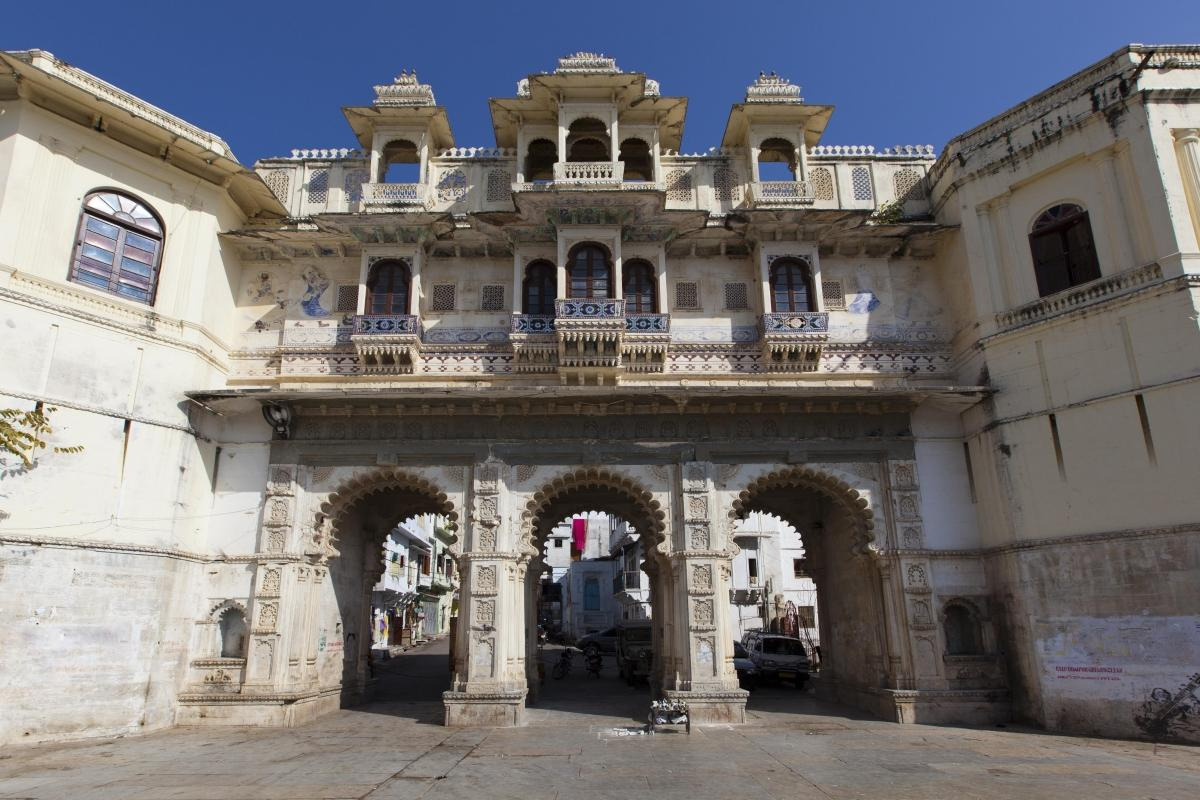
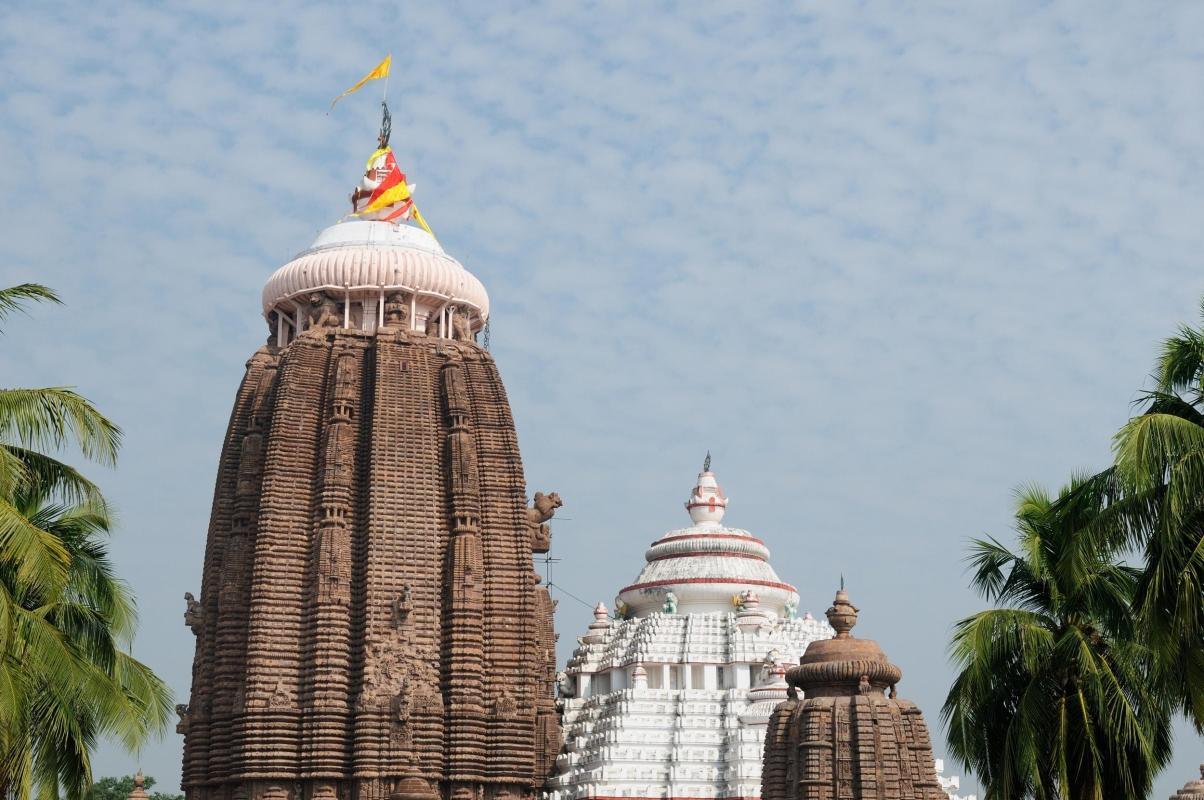
- 4.9· 104,707 reviews4511 tours include this
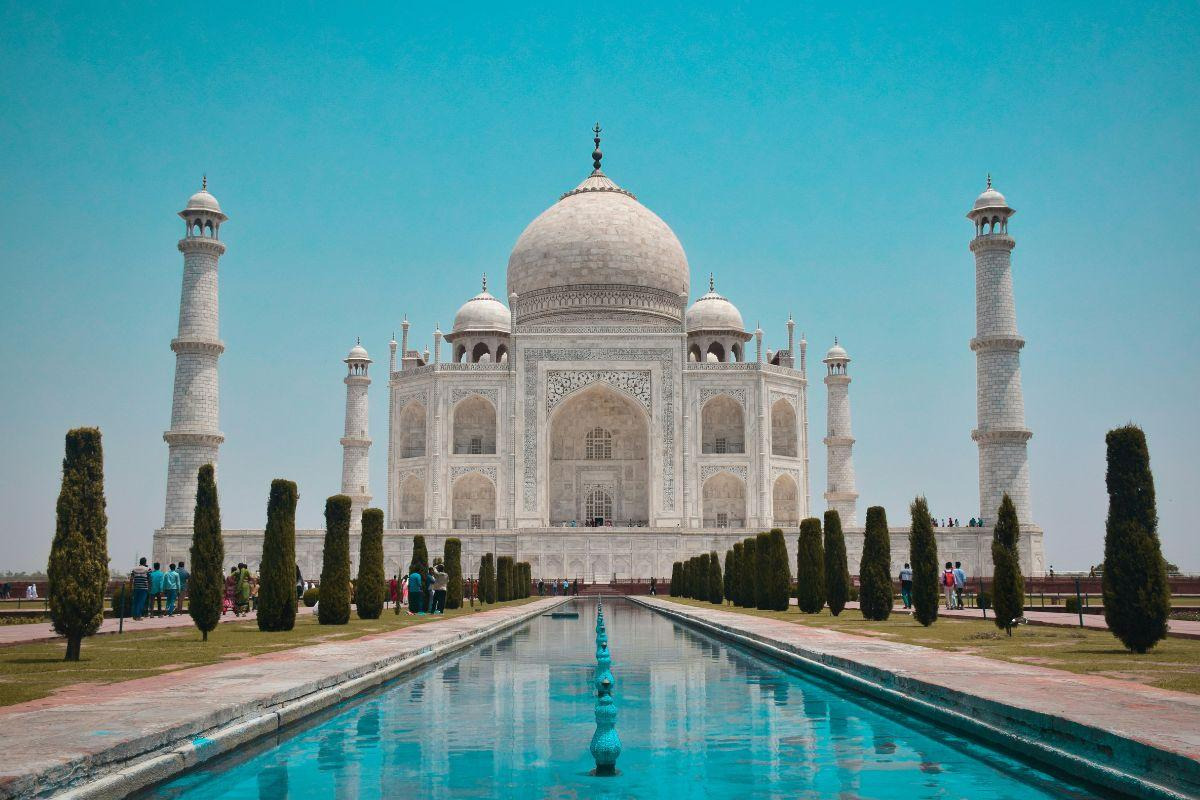
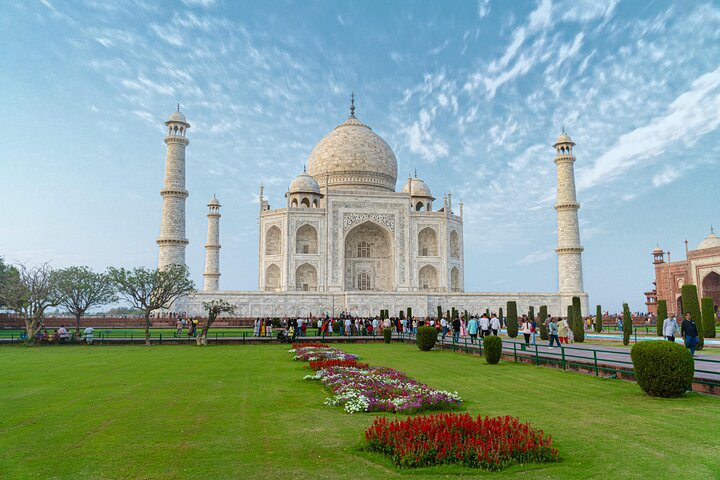
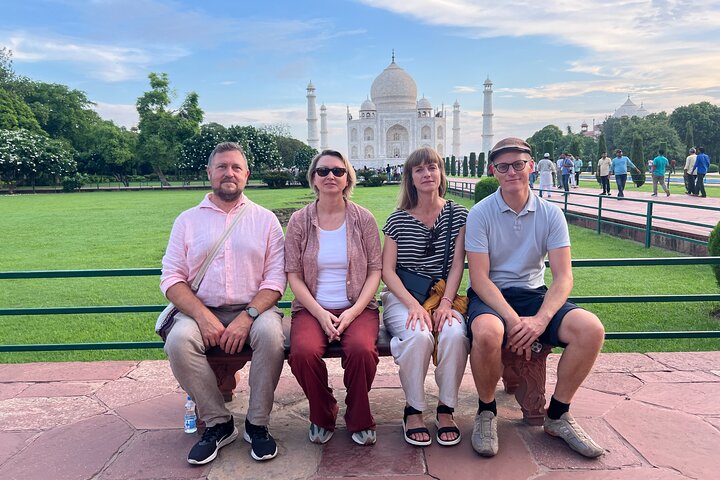
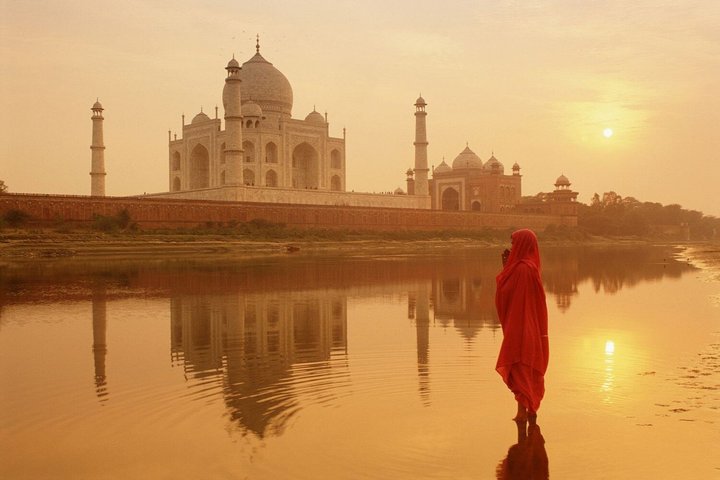
The Taj Mahal is a white marble mausoleum built in the 17th century by Mughal emperor Shah Jahan in memory of his wife Mumtaz Mahal. Recognised as a UNESCO World Heritage Site, its intricate inlay work features semi-precious stones, and the expansive gardens accentuate its symmetrical design, reflecting Mughal architectural grandeur. Visiting early in the morning provides the clearest light and fewer crowds, allowing for a more contemplative experience. The site is located in Agra, about 210 kilometres from New Delhi, and is often combined with visits to the Agra Fort and the bustling markets nearby, which enhance the historical context.
- 4.9· 34,164 reviews647 tours include this
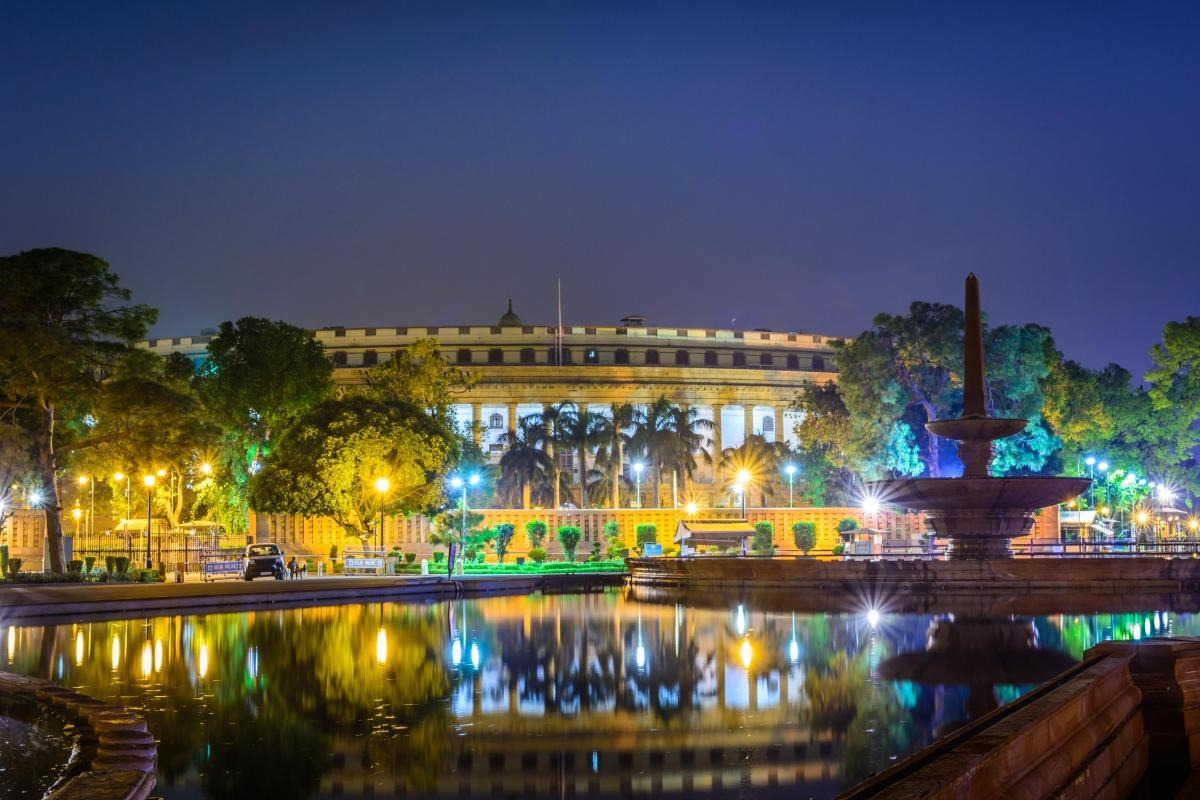
Parliament House, or Sansad Bhavan, is a circular edifice designed by British architect Edwin Lutyens and completed in 1927, serving as the seat of India's Parliament. Its grand colonnades of sandstone complement the adjoining lawns and gardens, while the assembly chambers inside reflect the country's democratic ideals. Visiting is more than just a glimpse of political activity; guided tours are available that delve into the history of legislation and architecture. Best visited during winter months for pleasant weather, the structure is near the National Museum and the India Gate, both significant in their own right. The intricate patterns on the columns are particularly striking, marking Lutyens' blend of Indian and European influences.
- 4.9· 31,556 reviews1507 tours include this
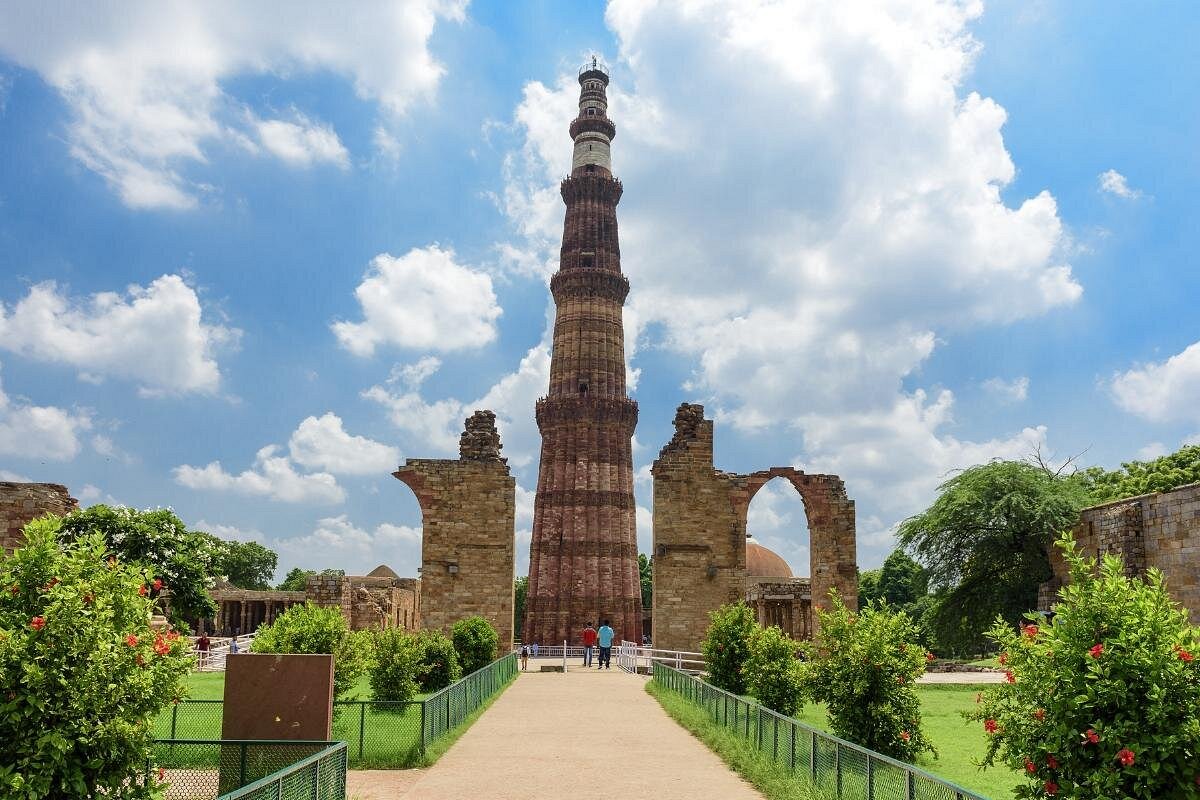
The Qutub Minar is the tallest brick minaret in the world — a 73-metre tower of red sandstone and marble raised in stages from the late 12th century onwards, the earliest layer the work of Qutb-ud-din Aibak, the founder of the Delhi Sultanate. Around its base, the Qutub complex preserves the ruins of the Quwwat-ul-Islam mosque and the iron pillar that has stood without rusting for sixteen centuries. Plan two hours; longer if you read the inscriptions. Best in the cooler months and ideally before 10 AM, when the light raking across the sandstone is at its most photogenic. The complex is in Mehrauli, a fifteen-minute walk from Mehrauli Archaeological Park.
- 4.9· 54,262 reviews1320 tours include this
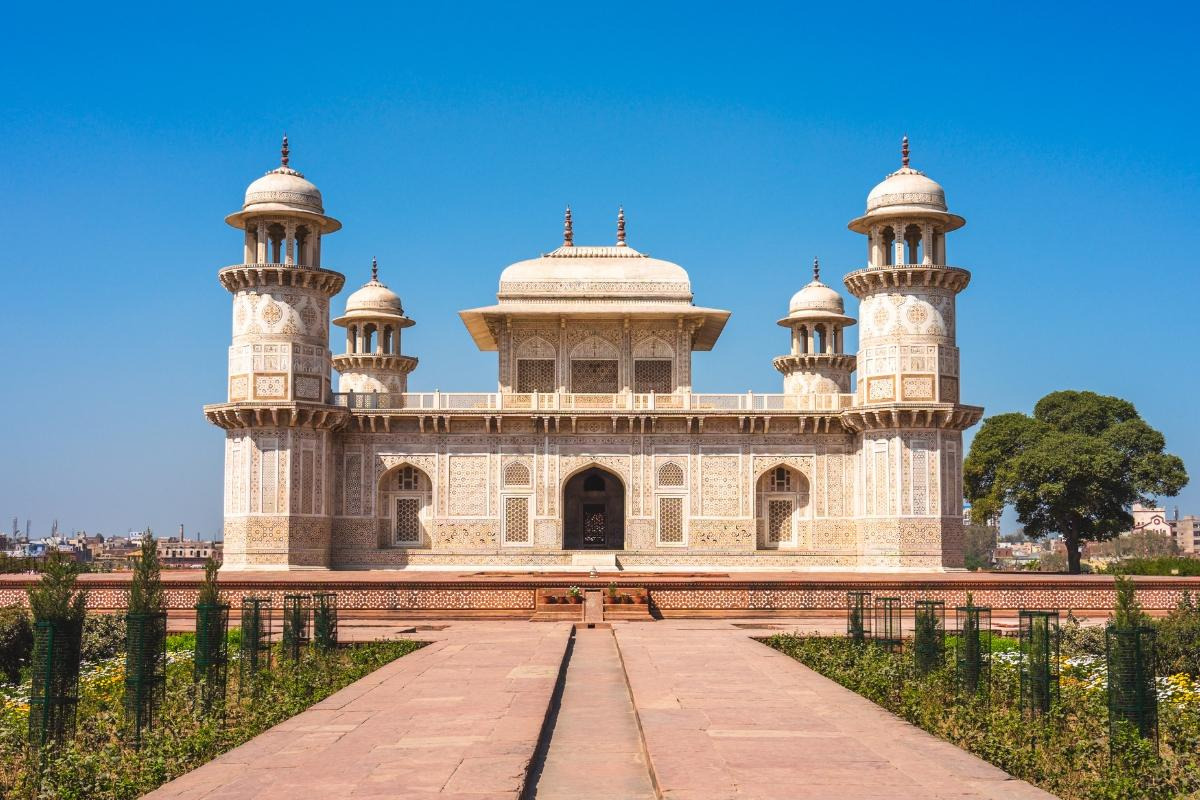
The Tomb of I'timad-ud-Daulah, often referred to as the "Baby Taj," is a stunning marble mausoleum completed in 1628, serving as the final resting place of Mirza Ghiyas Beg, a Persian noble and father of Empress Nur Jahan. The structure is notable for its intricate carvings, elaborate inlay work, and serene gardens, marking a significant transition in Mughal architecture. Visit for its serene atmosphere and attention to detail, especially the inlaid floral designs that embellish the walls. The tomb is located in the vicinity of the larger Taj Mahal complex, making it a peaceful stop before or after visiting that iconic site. Early mornings or late afternoons provide the best light for photography, with fewer crowds.
- 4.8· 66 reviews29 tours include this
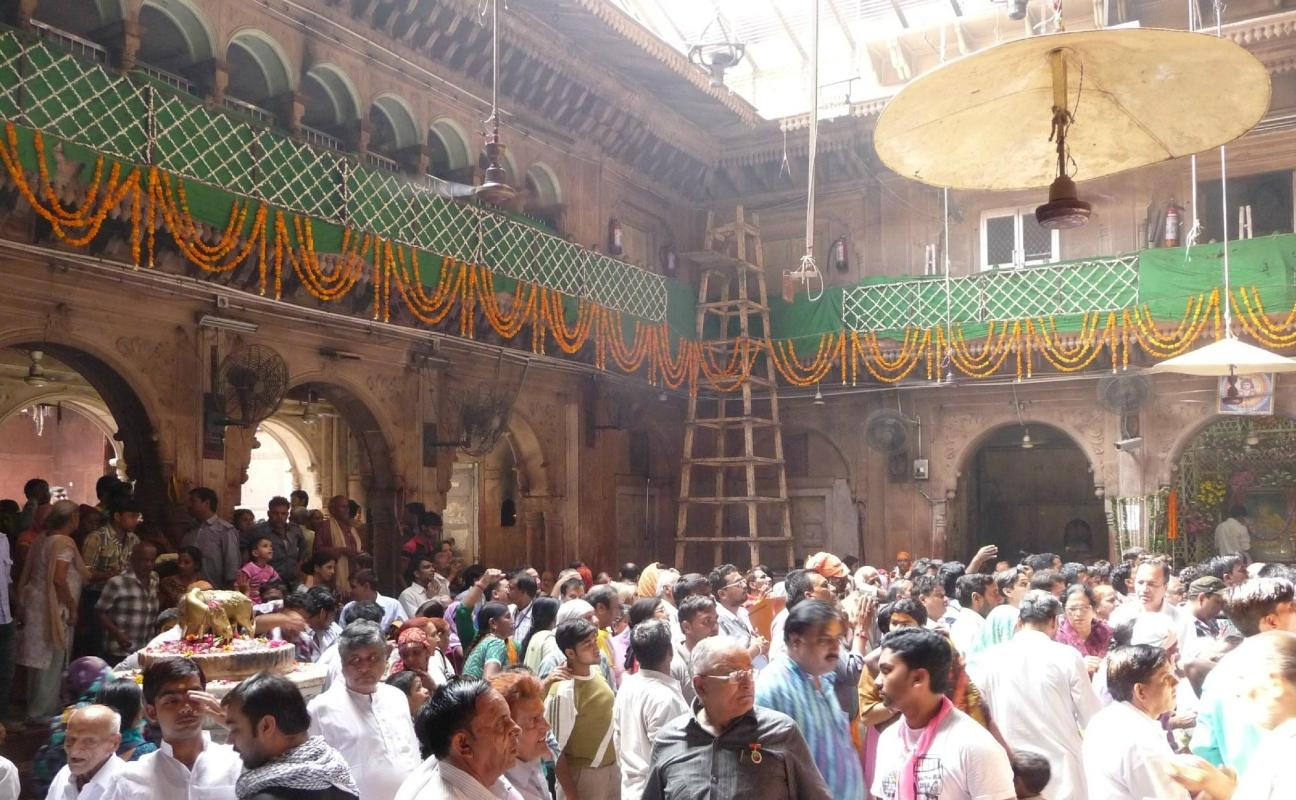
Banke Bihari Temple is a renowned Hindu shrine dedicated to Lord Krishna, built in the late 19th century in the traditional north Indian style. It features a striking black idol of Krishna in a playful pose, surrounded by intricate carvings and vibrant decorations, drawing devotees and tourists alike to its spiritual ambience. Visiting the temple during early morning or late evening prayers enhances the experience, as the rituals create a lively atmosphere with chanting and song. The temple is located in the lively area of Vrindavan, with nearby attractions like the ISKCON temple and various local markets offering a taste of devotional culture. The rush during festivals can be intense, so plan accordingly.
- 06
Mathura
4.9· 132 reviews25 tours include this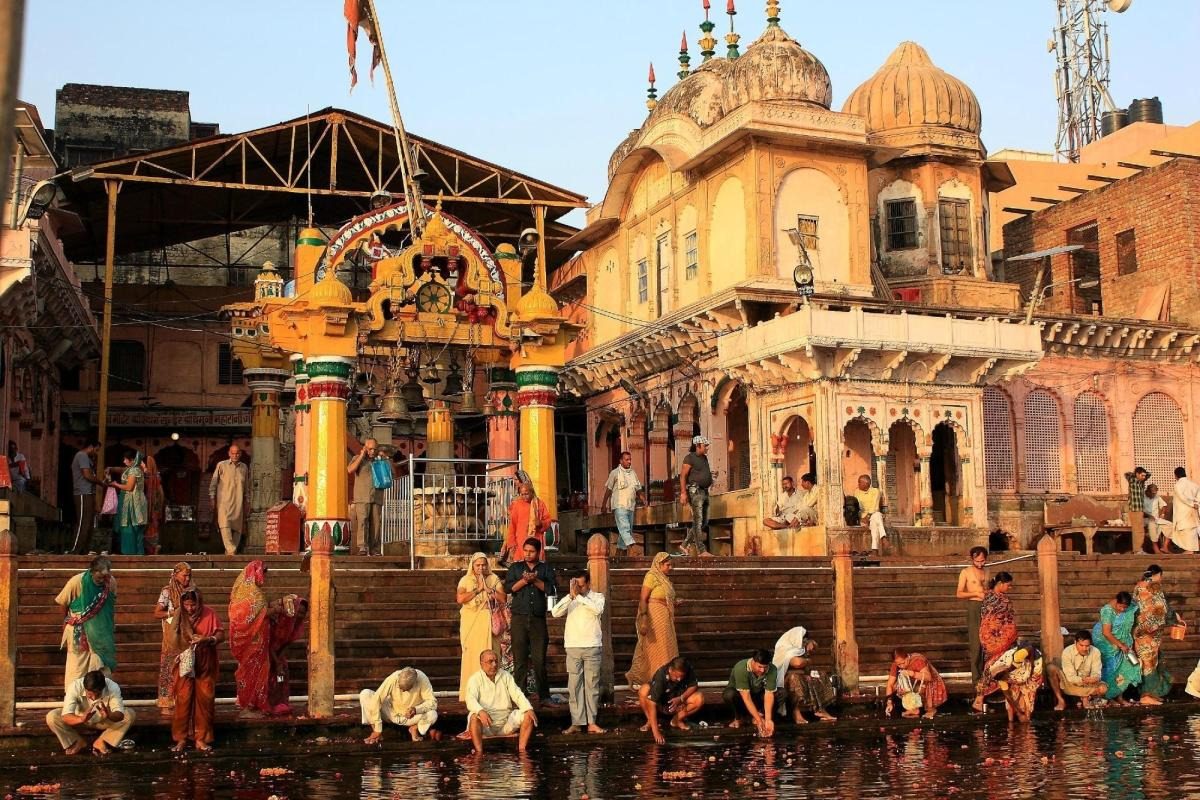
Mathura is a historic city known as the birthplace of Lord Krishna, situated about 180 kilometres from New Delhi. The town is dotted with temples and ghats that allude to its ancient past, with the Krishna Janmabhoomi Temple being the focal point for visitors. Its vibrant culture is steeped in religious significance and tradition. Plan to spend a day exploring the main temples and the surrounding ghats, especially during festivals when the atmosphere becomes especially lively. The nearby town of Vrindavan, famous for its own temples and association with Krishna’s life, is only a short drive away, making for a convenient visit. The early morning is the best time to witness rituals at the ghats.
- 4.9· 38,531 reviews1090 tours include this
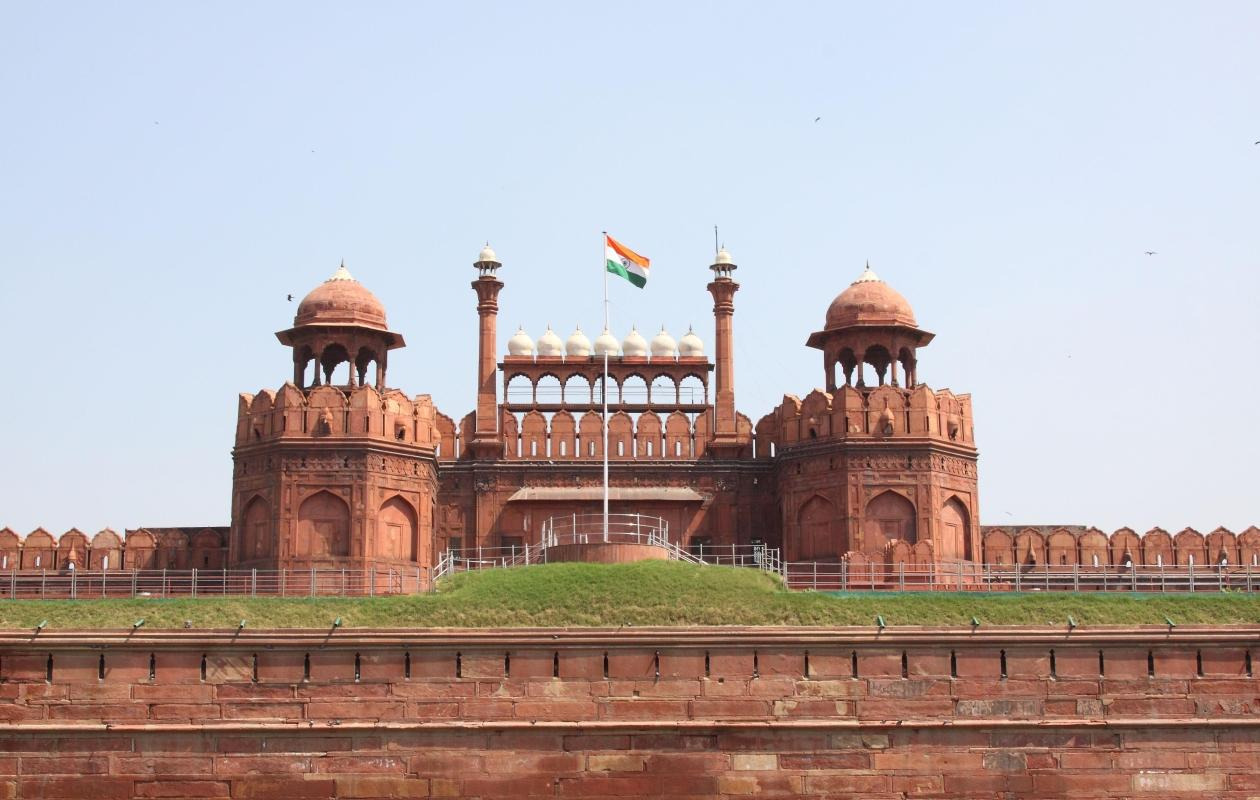
The Red Fort, or Lal Qila, is a UNESCO World Heritage site built in the 17th century by the Mughal Emperor Shah Jahan as a royal residence. Its imposing red sandstone walls stretch over 2 kilometres, protecting intricate interiors that showcase Mughal architecture, including impressive halls, gardens, and a museum within its grounds. Plan to spend at least two hours exploring the complex, ideally in the morning or late afternoon to avoid the heat. Entry is through the Lahore Gate, leading visitors to the impressive public and private spaces. Nearby, the bustling Chandni Chowk offers a contrast with its street food and vibrant market atmosphere.
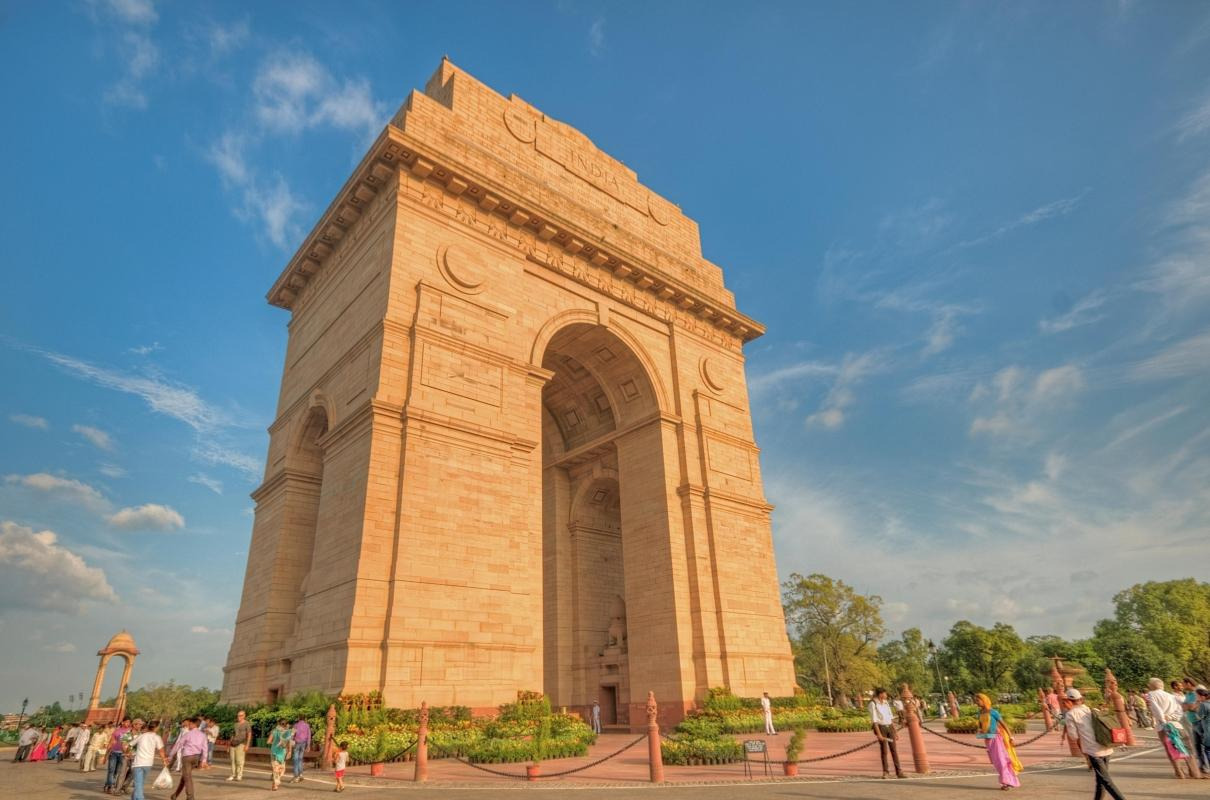
India Gate is a 42-metre triumphal arch built in the early 20th century to commemorate the 90,000 soldiers of the Indian Army who died in World War I and the Third Anglo-Afghan War. Crafted from sandstone, it stands centrally in New Delhi, surrounded by lush lawns and reflecting pools. Evenings draw families and friends to the site, where the arch is beautifully illuminated. Nearby attractions include the National Gallery of Modern Art and the Rashtrapati Bhavan, which is a short walk away. The area can be crowded on weekends, so visiting early can provide a quieter experience.
- 4.9· 40,520 reviews1011 tours include this
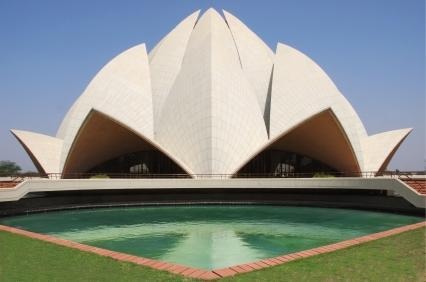
The Lotus Temple is a Bahá'í House of Worship completed in 1986, notable for its flower-like design made from white marble and set amidst lush gardens. The structure, shaped like a lotus flower, features 27 free-standing petals and is celebrated for its architectural beauty and the serene atmosphere it offers to visitors from all backgrounds. Plan for about an hour to fully appreciate the temple and its surroundings. The best time to visit is in the early morning or late afternoon, when the light accentuates its delicate features. Nearby, the Nehru Place market offers shops and eateries for a more lively experience after your visit.
- 4.9· 42,201 reviews1243 tours include this
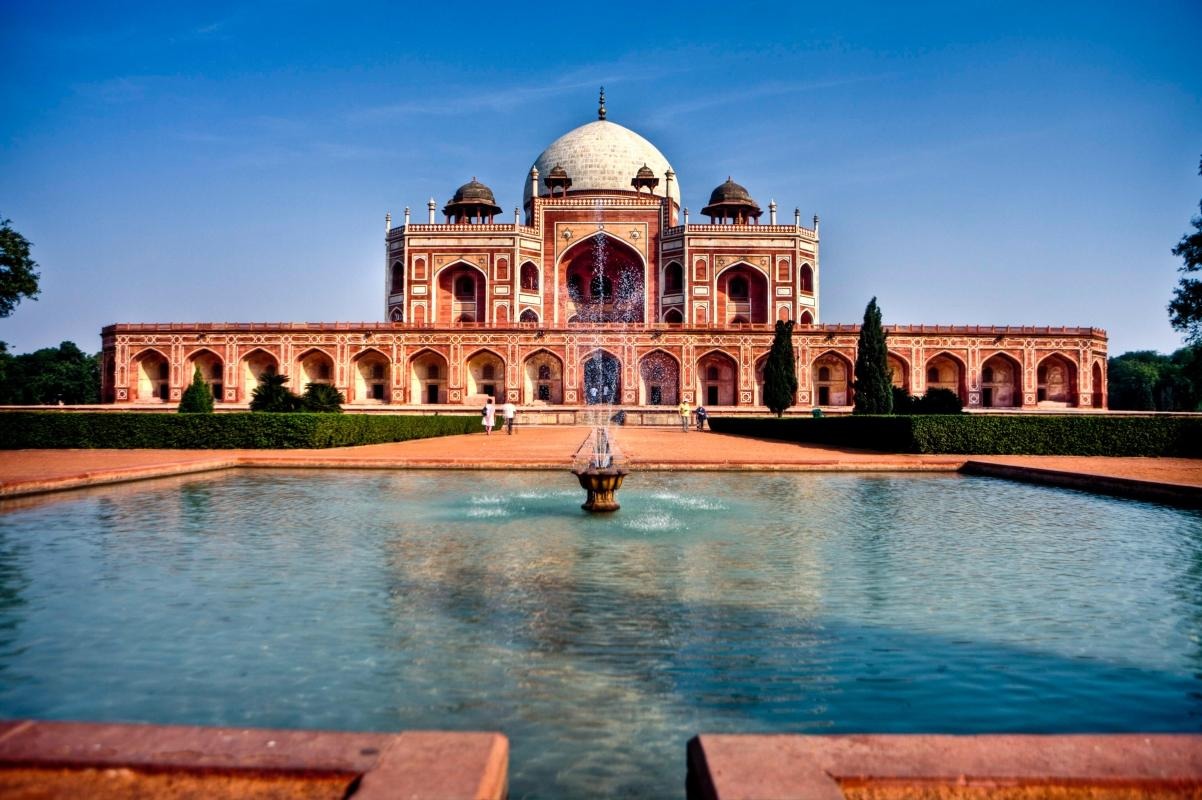
Humayun's Tomb is a stunning Mughal mausoleum built in the mid-16th century, renowned for its grand scale and innovative architectural features. Constructed from red sandstone and marble, it was commissioned by Humayun's first wife, Bega Begum, and exemplifies the garden tomb concept that would later influence the Taj Mahal. Allocate at least an hour to wander the spacious grounds, which include beautifully landscaped gardens and several smaller tombs. Visit during the cooler months, ideally early morning or late afternoon, to fully appreciate the structure's intricate details and enjoy the serene atmosphere. The nearby Nizamuddin Dargah offers an opportunity to understand the spiritual landscape of the area.
- 4.9· 33,367 reviews641 tours include this
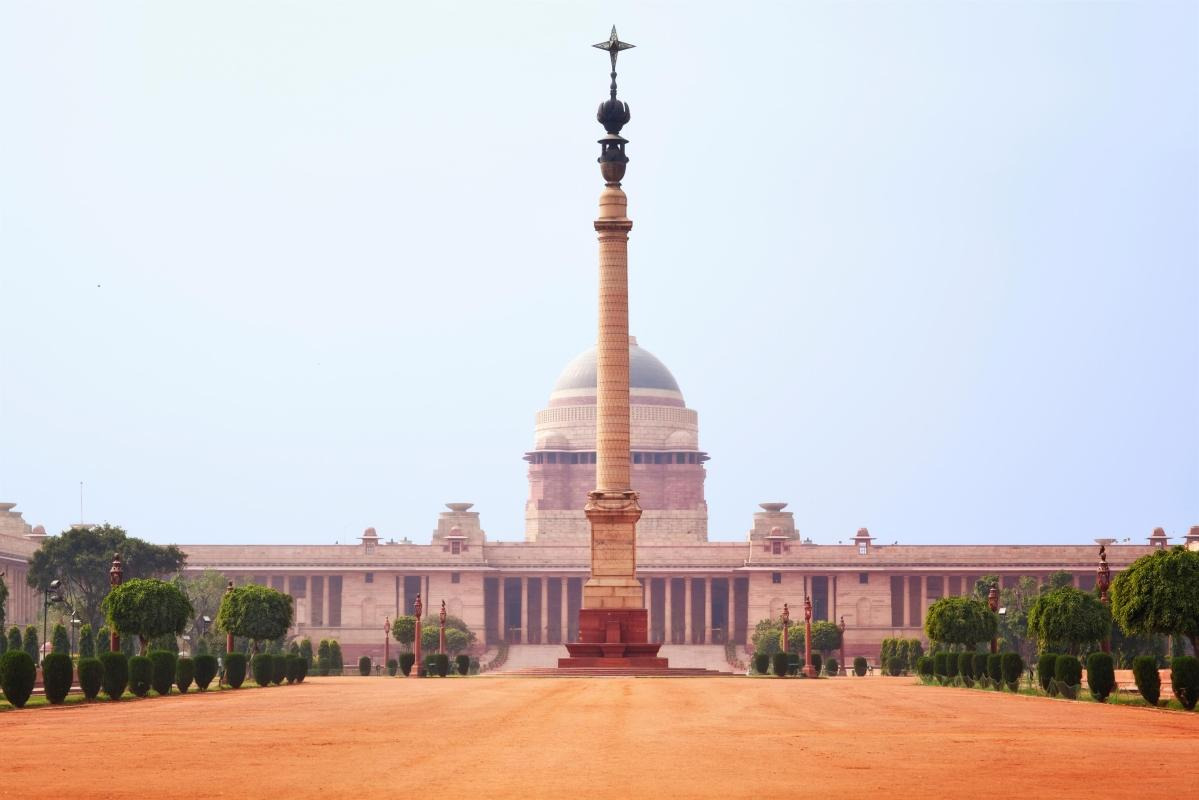
The Rashtrapati Bhavan is the official residence and workplace of the President of India, an impressive 1929 structure designed by Edwin Lutyens. A blend of Indian and colonial architecture, it features a grand dome and extensive gardens, known as the Mughal Gardens, which showcase an array of seasonal blooms and intricate water features. Plan for at least half a day to explore the estate and its impressive architecture. The best time to visit is during the garden's bloom, typically in February and March. Nearby, the India Gate and the National Museum provide additional context to the area's historical significance.
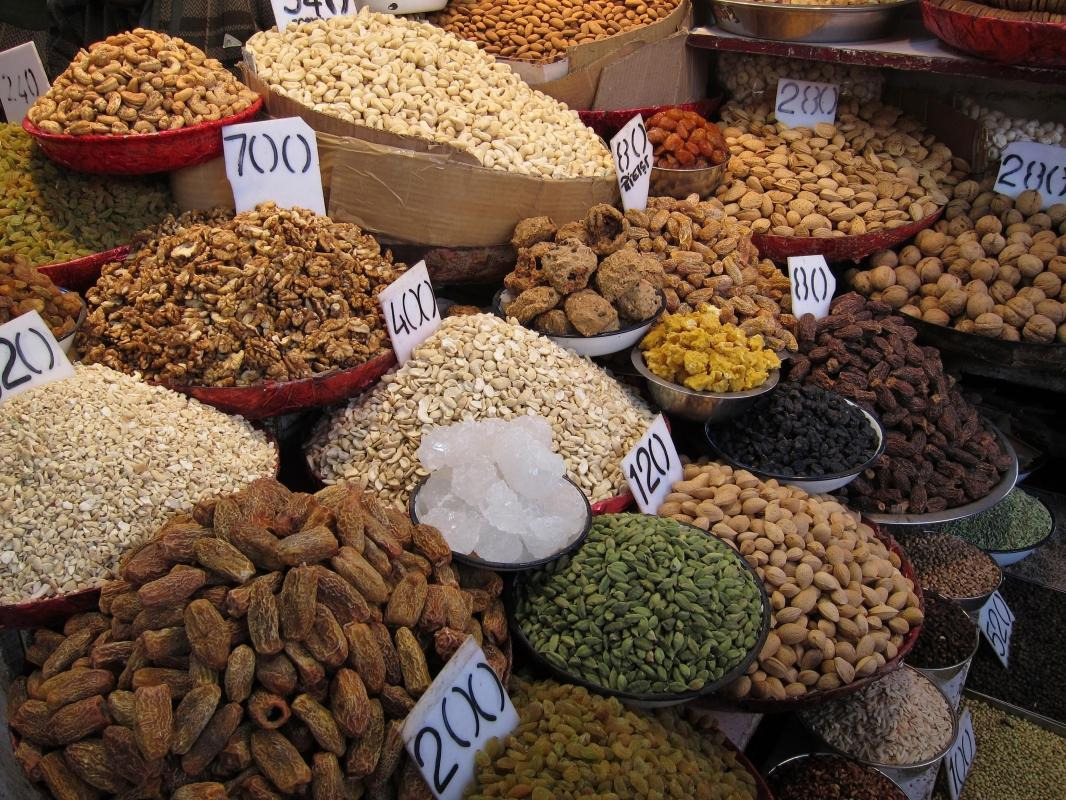
Chandni Chowk is a historic market area in Old Delhi, established in the 17th century by Mughal Emperor Shah Jahan. This bustling area is a labyrinth of narrow lanes filled with shops selling everything from spices and textiles to electronics and street food, reflective of the diverse culture that has thrived here for centuries. Visiting Chandni Chowk is best done on foot to soak in the sights and sounds. Don't miss the iconic Red Fort nearby and the Jama Masjid, one of India's largest mosques. The vibrant atmosphere reaches its peak in the early morning and late afternoon, so plan your visit accordingly to avoid the midday heat.
- 4.9· 45,866 reviews1327 tours include this
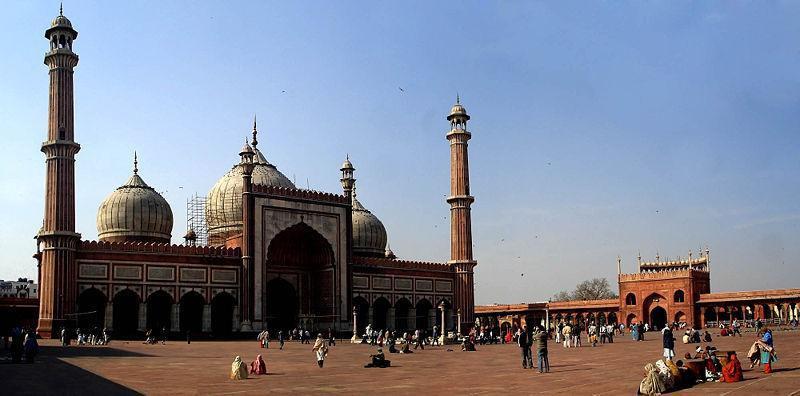
Jama Masjid, or Masjid e Jahan Numa, is one of the largest mosques in India, commissioned in the 17th century by Mughal Emperor Shah Jahan. Built with red sandstone and white marble, this imposing structure features a central courtyard that can accommodate up to 25,000 worshippers, framed by towering minarets and a grand entrance. Visit early in the morning to appreciate its architecture before the crowds arrive. Don't miss the nearby narrow lanes of Chandni Chowk, where you can sample local delicacies and shop for textiles. The vibrant atmosphere around the mosque provides a vivid slice of Delhi's life.
- 4.9· 26,229 reviews505 tours include this
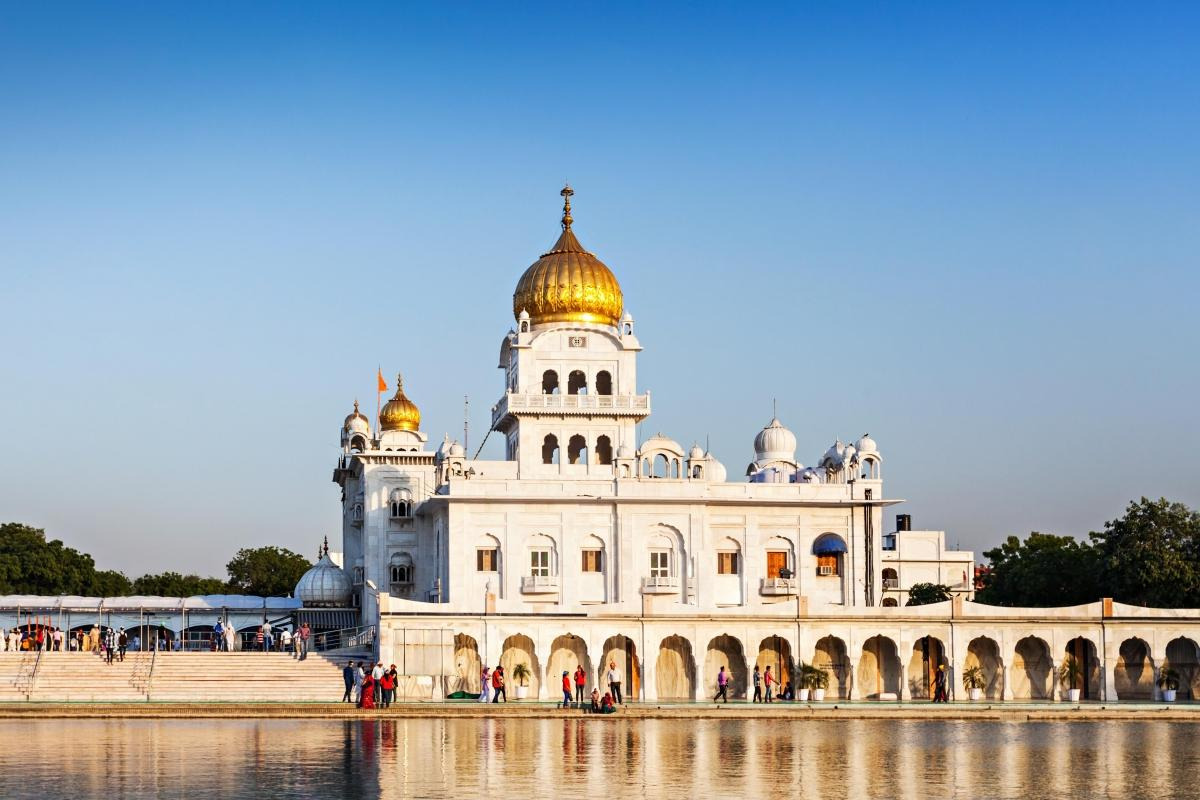
Gurudwara Bangla Sahib is one of the most important Sikh temples in India, renowned for its stunning gold-domed architecture and serene ambience. Originally a bungalow belonging to Raja Jai Singh in the 18th century, the gurudwara now features a large prayer hall, an adjacent pond, and beautifully landscaped gardens that provide a peaceful retreat in the heart of the city. Visiting the gurudwara can be an enriching experience, especially during the morning prayers when the sound of kirtan fills the air. The langar, or community kitchen, serves free meals to thousands daily, encouraging visitors to partake. It's located near Connaught Place, making it easy to combine with a walk in this bustling area.
- 4.9· 5,622 reviews300 tours include this
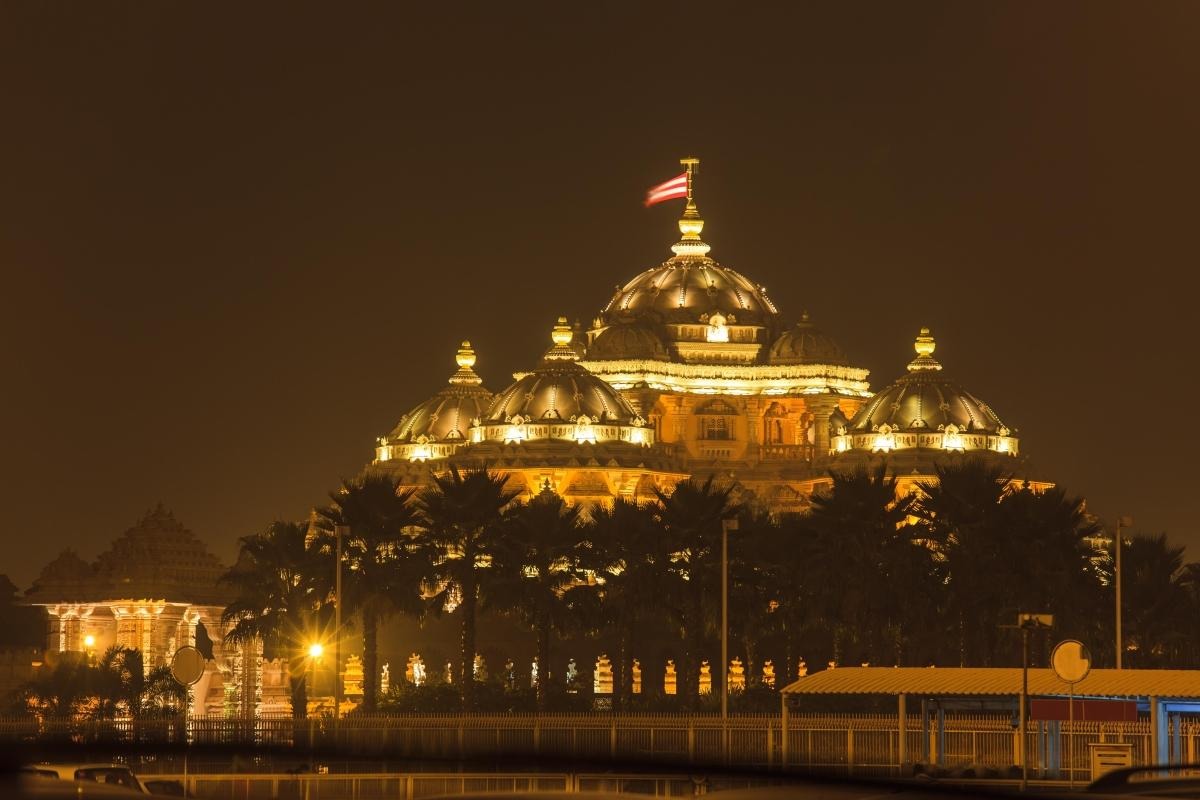
Swaminarayan Akshardham is a sprawling temple complex opened in 2005, celebrating the life and teachings of Bhagwan Swaminarayan. Its main shrine, built from pink sandstone and white marble, showcases intricate carvings and an imposing dome, while the surrounding gardens and water features contribute to the serene atmosphere. Allocate at least three hours to explore its exhibitions, gardens, and the evening light and sound show. The best times to visit are in the cooler months, preferably early in the day to avoid crowds. The complex is located in the eastern part of the city, close to the banks of the Yamuna River.
- 4.9· 32,216 reviews312 tours include this
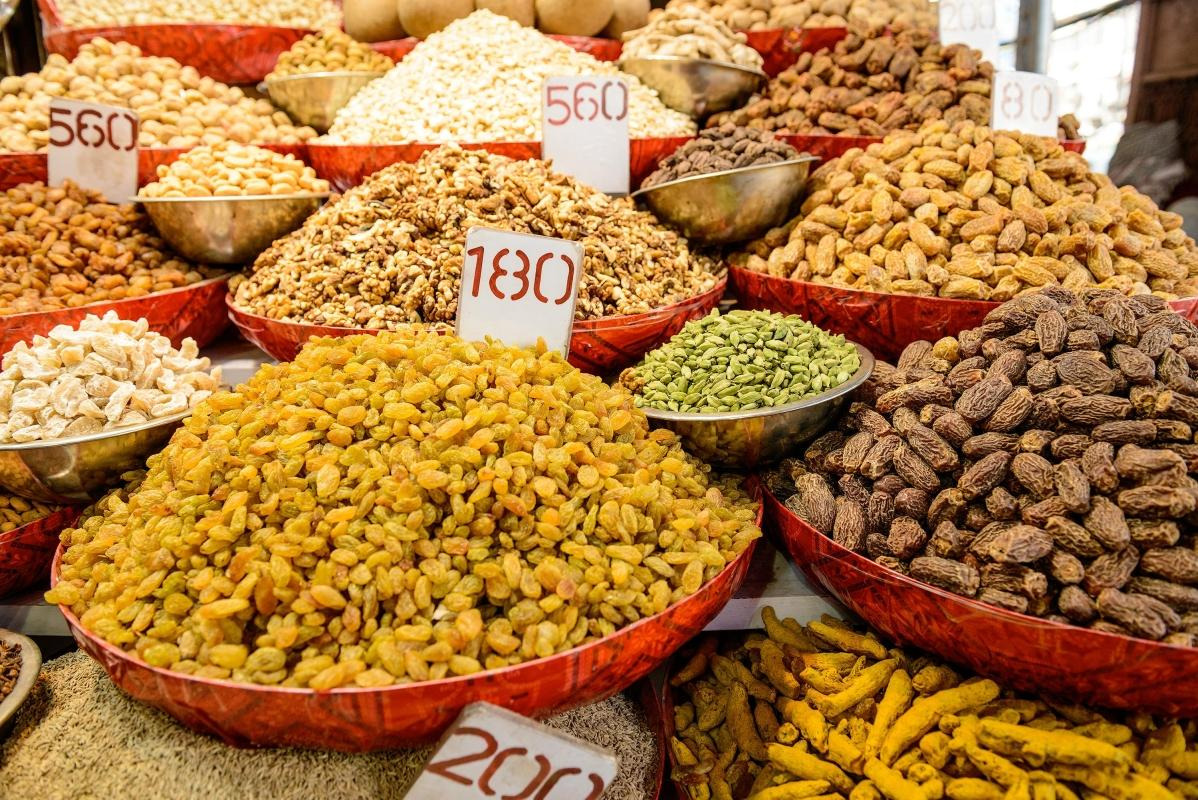
Khari Baoli is Asia's largest wholesale spice market, located in the heart of Old Delhi just off Chandni Chowk. Established in the 17th century, it features narrow lanes lined with shops that sell an array of spices, herbs, and other food items in vibrant, aromatic displays. The buzz of commerce is palpable as traders and customers haggle for the freshest ingredients. Visit early in the morning when the market is most energetic, and the air is filled with the scents of cardamom, saffron, and dried fruits. Nearby attractions include the historic Fatehpuri Masjid and the lane leading to the Red Fort, making it easy to combine a visit with other iconic sites. The experience is a fascinating immersion into Delhi's culinary culture.
- 17
Raj Ghat
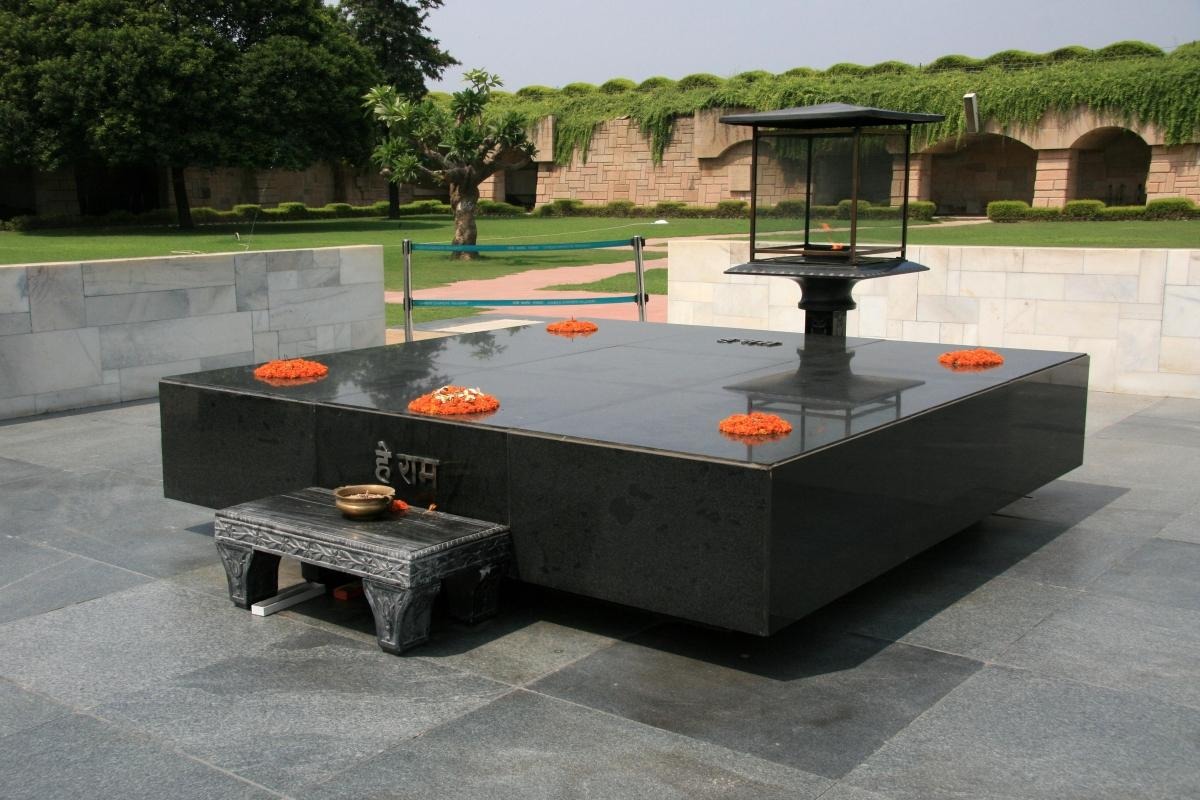
Raj Ghat is the memorial dedicated to Mahatma Gandhi, located on the banks of the Yamuna River. This serene park features a simple black marble platform set within a landscaped expanse, marking the site of Gandhi's cremation in January 1948. The area is lined with lush trees and inscribed stone tablets, commemorating his principles and philosophy. Visiting Raj Ghat is best done in the early morning or late afternoon to appreciate the peaceful atmosphere. Try combining your visit with a stroll through the adjacent Gandhi Smriti, where he spent the last days of his life, offering further insight into his legacy.
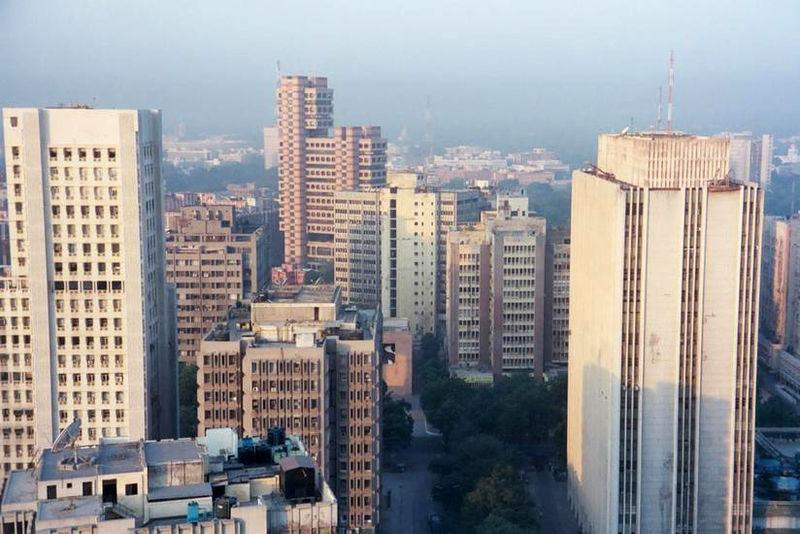
Connaught Place is a colonial-era commercial hub designed in the 1920s, characterised by its circular layout and Georgian-style buildings painted in white. This historical landmark, originally named after the Duke of Connaught, serves as a major shopping and entertainment district, with a mix of international brands and local boutiques under its colonnades. Visiting is best done in the early morning or late afternoon to avoid the mid-day heat, when the area is less crowded. Nearby, you can explore the busy Janpath market, the tranquil Central Park, and the historic Gurudwara Bangla Sahib, which offer contrasting experiences within easy walking distance.
- 4.9· 194 reviews14 tours include this
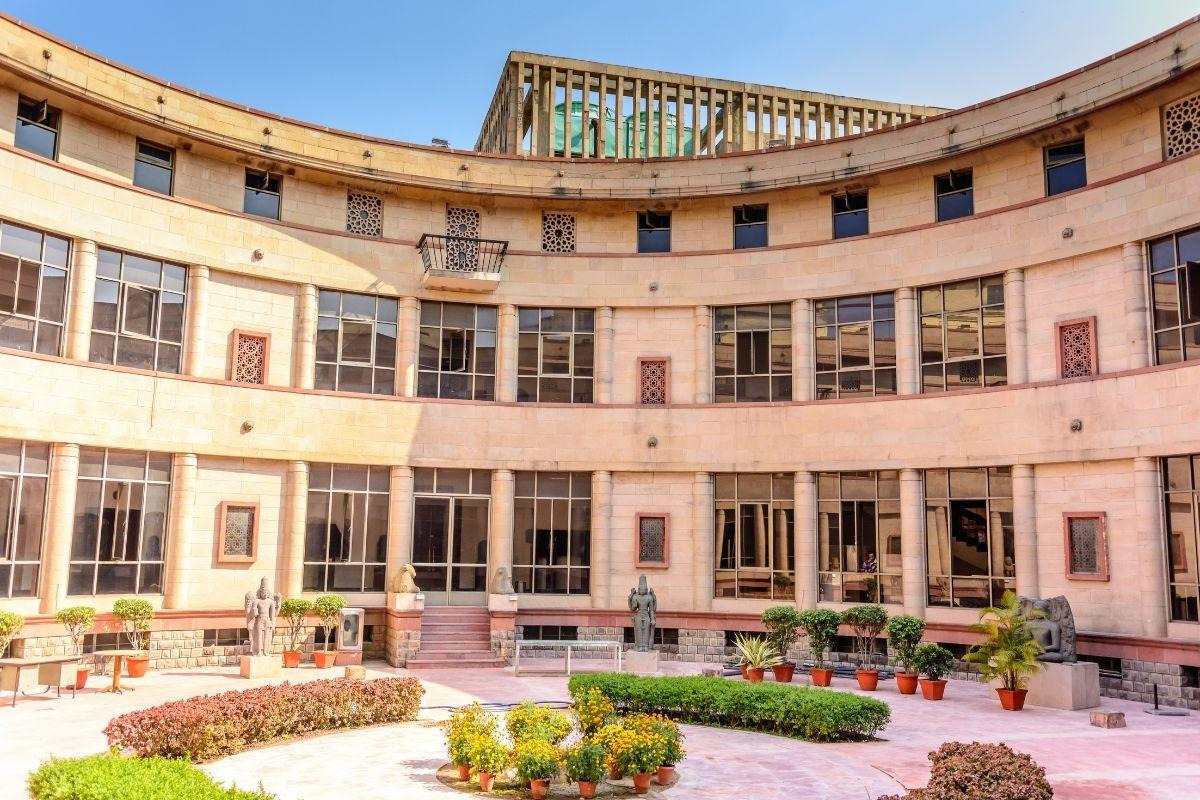
The National Museum in New Delhi is one of the largest museums in India, founded in 1949 and housing a vast collection of over 200,000 artifacts. The museum spans various periods of Indian history, featuring galleries dedicated to ancient sculptures, decorative arts, and a distinctive collection of Buddhist art, including the famous Amaravati sculptures. Allocate a couple of hours to explore its extensive displays. The museum is conveniently located near Rajpath, making it easy to combine with visits to India Gate and the National Gallery of Modern Art. The quiet courtyard can be a refreshing place to reflect after viewing the exhibits.
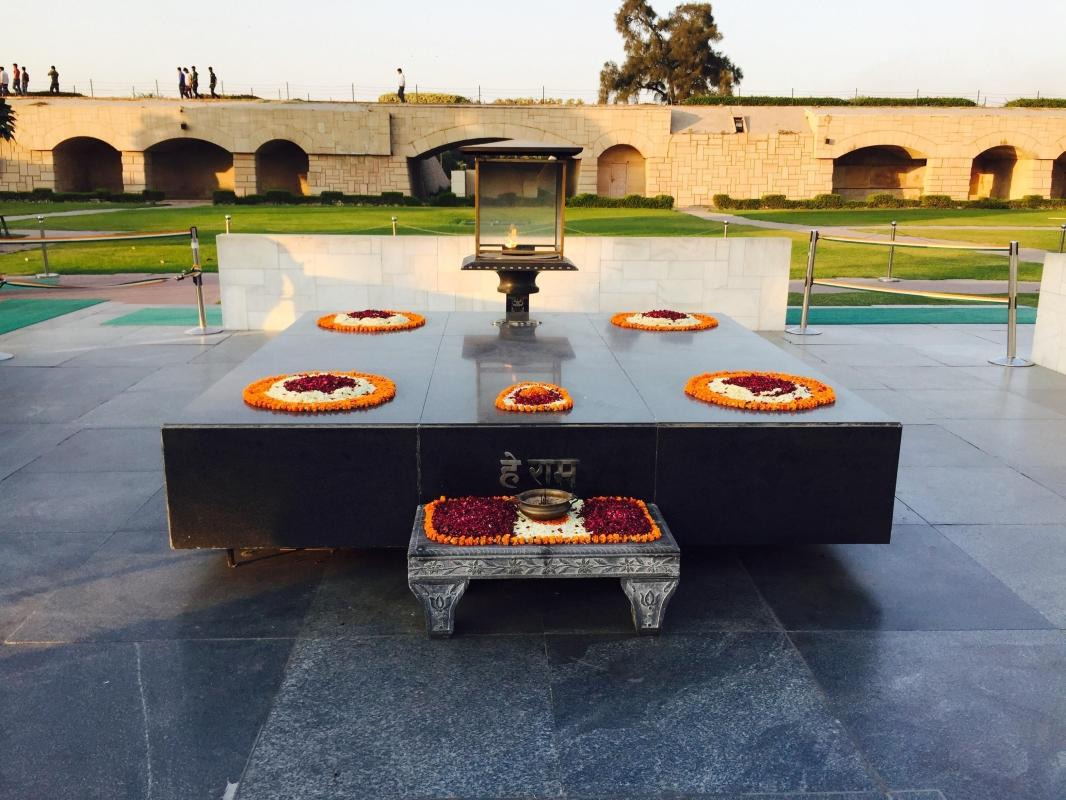
Gandhi Smriti is the site of the former Birla House, where Mahatma Gandhi was assassinated in 1948. The museum preserves the room where he spent his final hours and features a poignant collection of photographs and exhibits chronicling his life and philosophy of non-violence. The surrounding gardens invite quiet reflection and remembrance. Plan for an hour to explore the exhibits and gardens. It’s best visited in the cooler months to enjoy the peaceful atmosphere. Nearby, you can find the peaceful Raj Ghat memorial and the sprawling India Gate, which are both easily accessible on foot.
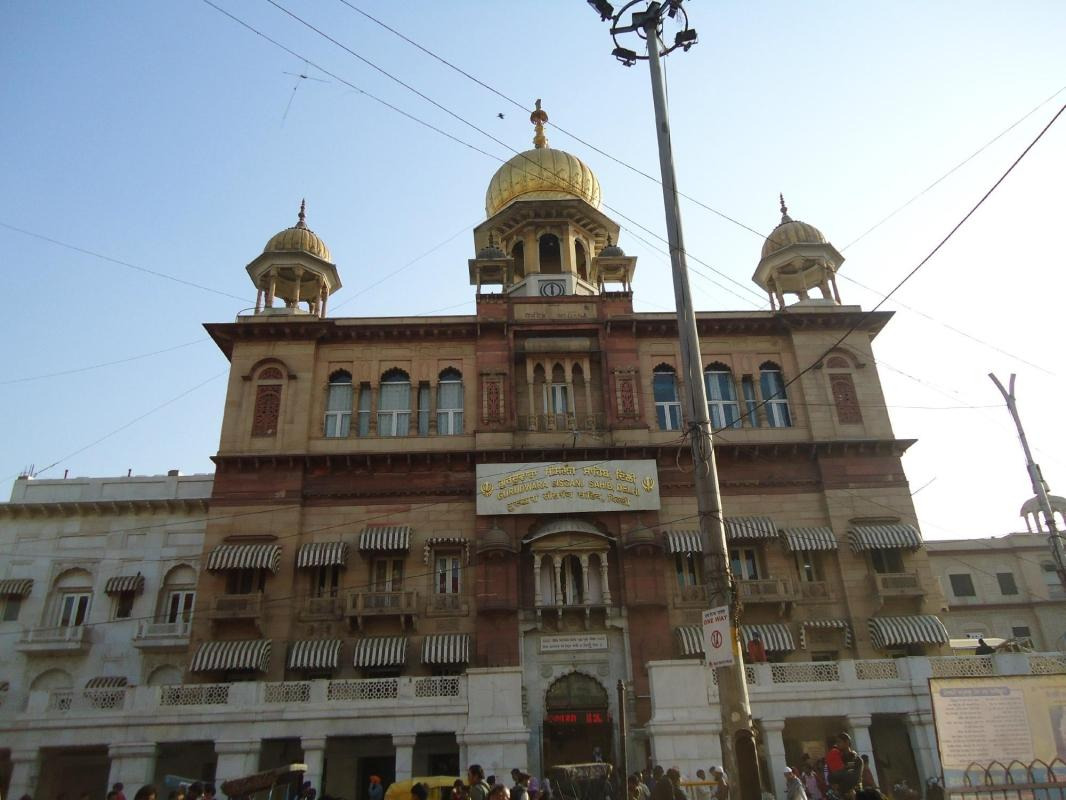
Gurudwara Sis Ganj Sahib is a prominent Sikh temple located in Chandni Chowk, established in 1783 to commemorate the martyrdom of Guru Tegh Bahadur, the ninth Guru of Sikhism. The gurdwara features a striking gold dome and a spacious courtyard, offering a peaceful ambiance amidst the bustling market that surrounds it. Visiting this site provides a chance to witness the community engaging in prayer and ritual. Plan for around an hour to soak in the architecture and serenity, ideally during the early morning or late afternoon for a quieter experience. Nearby, explore the historical lanes of Chandni Chowk, which are rich in Old Delhi's charm.
- 4.9· 1,507 reviews88 tours include this
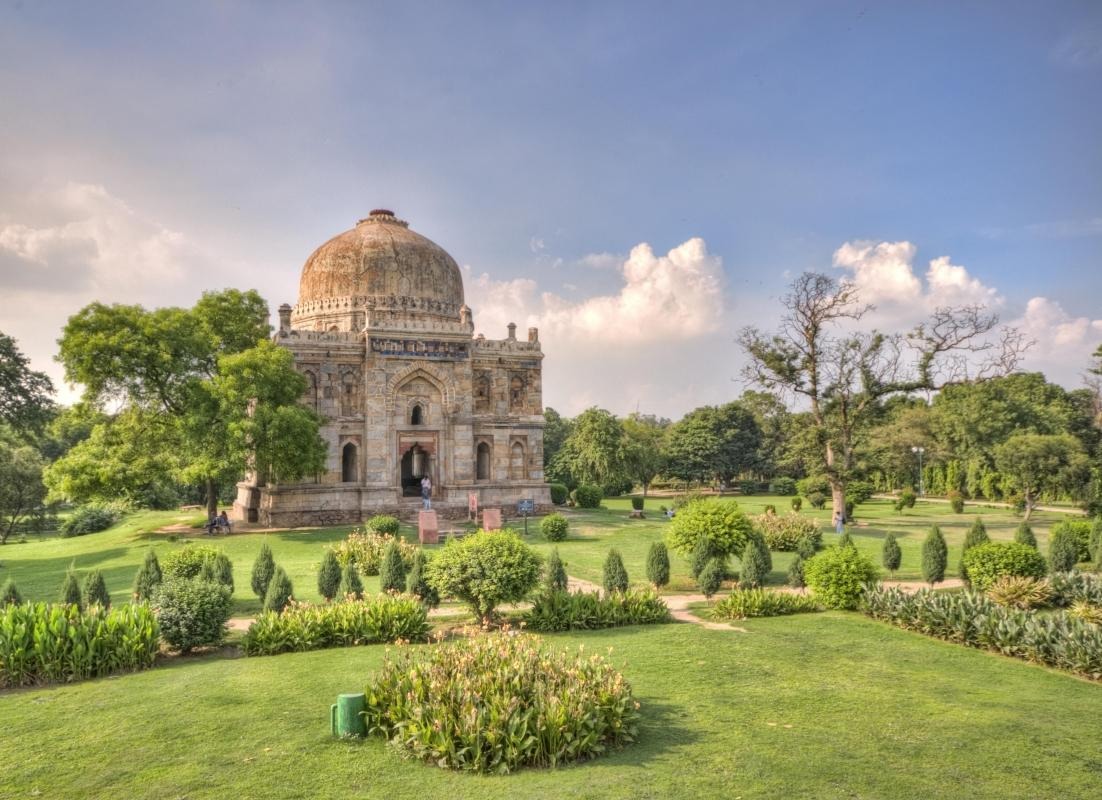
Lodhi Gardens is a large urban park in New Delhi, established in the 15th century and featuring the tombs of the Sayyid and Lodhi dynasties. This landscaped area covers 90 acres and includes various architectural marvels, such as the tomb of Iltutmish and the Bada Gumbad, set amidst beautiful gardens filled with indigenous trees and flowering plants. Ideal for a serene stroll or a morning jog, the gardens attract locals and tourists alike. Early mornings are particularly refreshing, allowing visitors to enjoy the tranquil environment and the chirping of birds. Nearby, the vibrant Khan Market offers a good contrast with its shops and cafés.
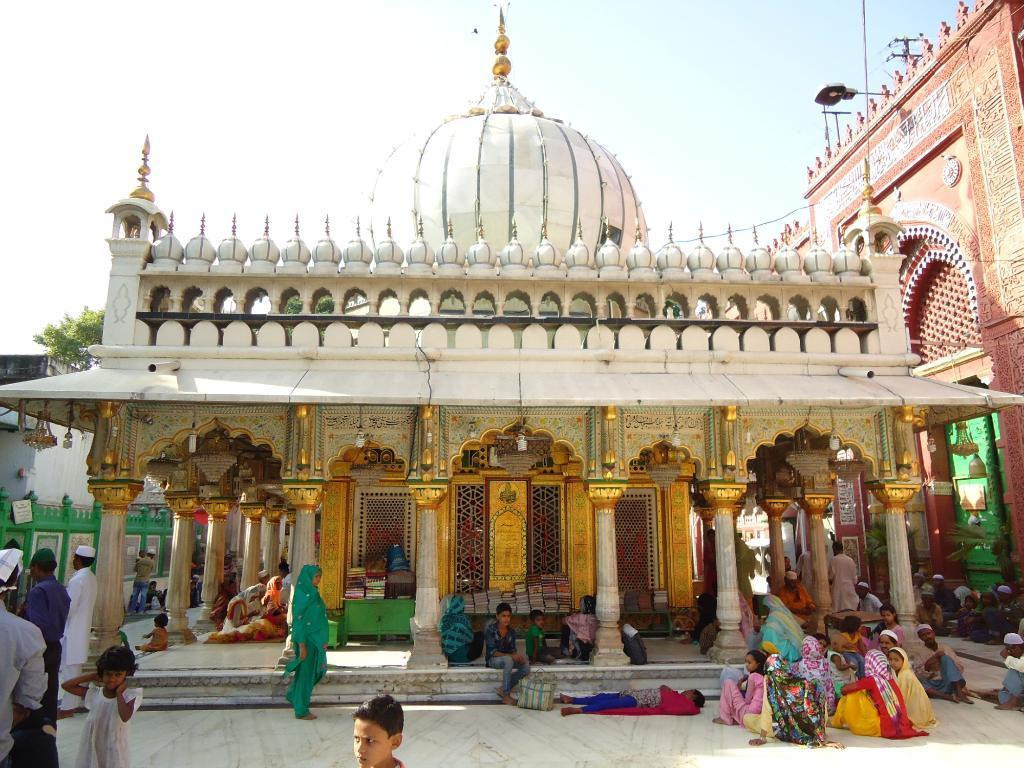
Hazrat Nizamuddin Auliya Dargah is a revered Sufi shrine dedicated to the 13th-century mystic and saint, Nizamuddin Auliya. The complex features ornate Mughal architecture, with intricate marble work and a beautiful courtyard that receives countless visitors seeking blessings and solace. The dargah is a significant pilgrimage site, attracting devotees of all faiths. The atmosphere is particularly stirring during the evening qawwali sessions, where devotional music fills the air, creating a spiritual ambiance. Visit on Thursdays for the most vibrant experience, as this is when the dargah sees its largest crowds. Look out for the fragrant offerings of roses and the centuries-old tomb of Amir Khusro nearby.
- 4.9· 141 reviews8 tours include this
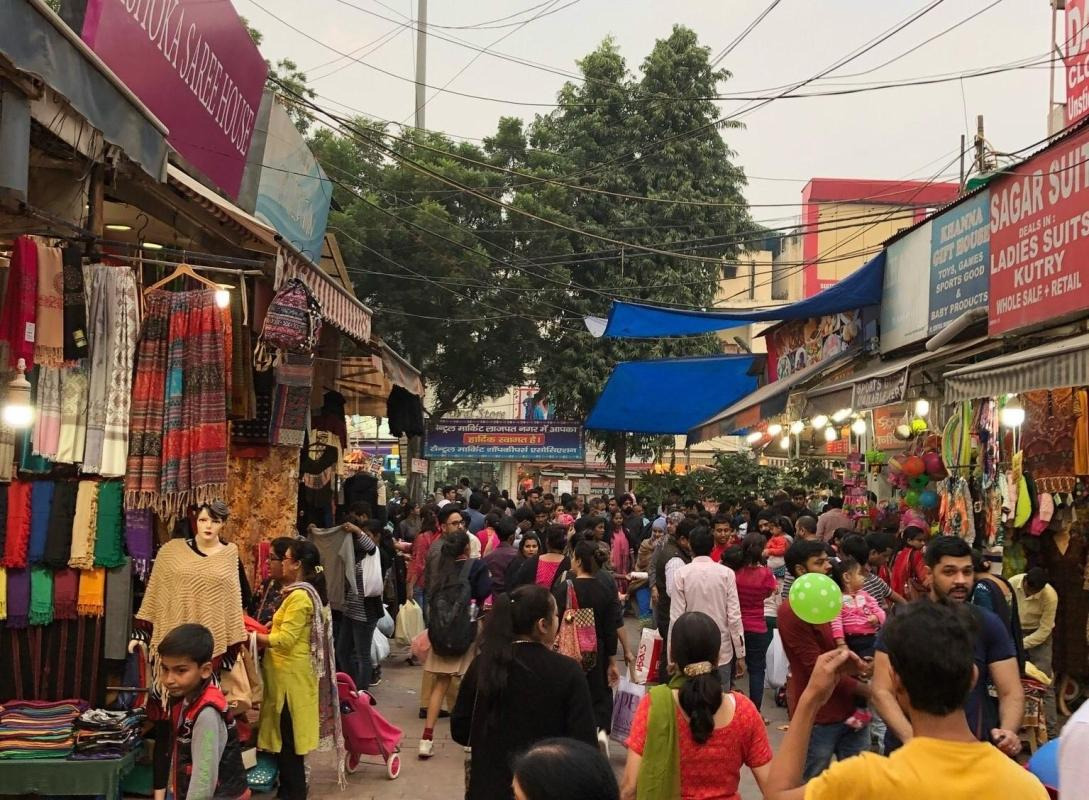
Lajpat Nagar Central Market is a sprawling bazaar established in the 1950s, characterized by a vibrant mix of shops selling clothing, accessories, and household goods. The market's chaotic energy is apparent upon entering, with brightly coloured stalls and vendors eager to showcase their products, making it a hub of local commerce and culture. It’s best to visit in the morning, when the market is less crowded, allowing for easier browsing. Be prepared to haggle, as bargaining is part of the experience. Nearby, the charming streets of Lajpat Nagar offer additional shops and eateries, perfect for a post-shopping break.
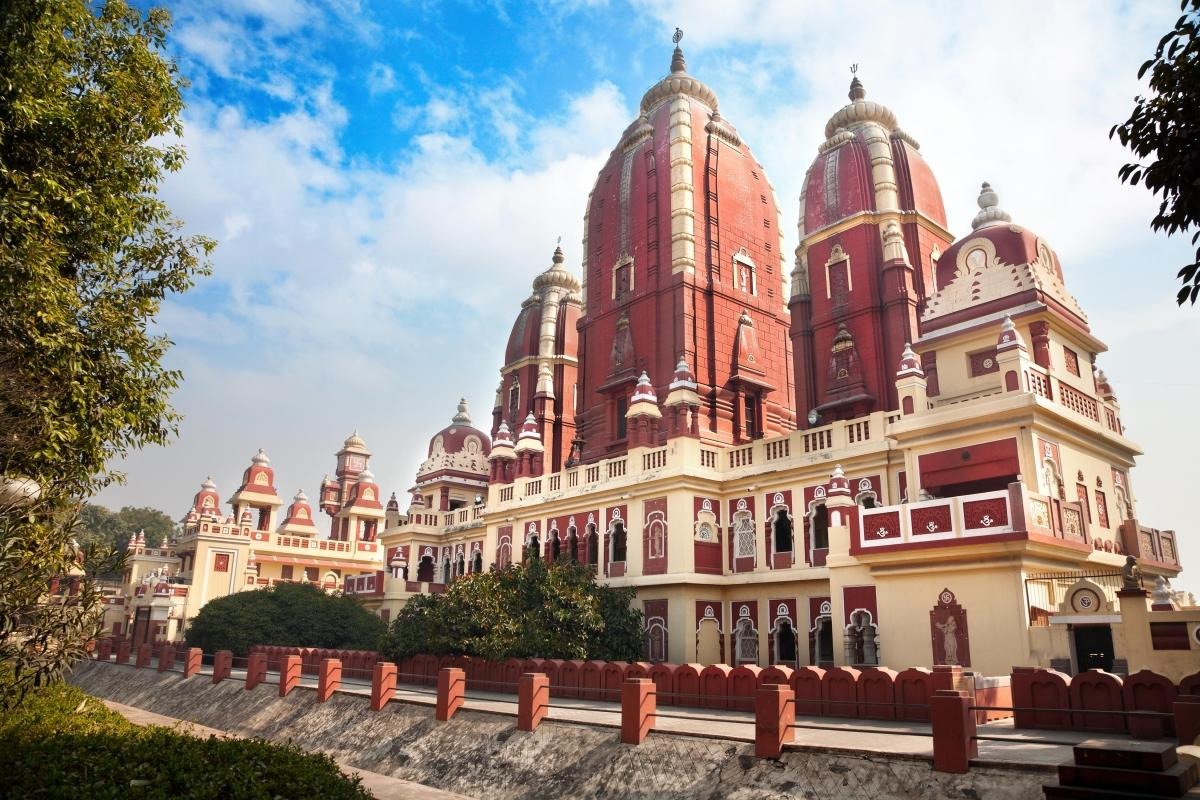
Lakshminarayan Temple, commonly known as Birla Mandir, is a Hindu temple dedicated to Lakshmi and Narayana, built in 1939 from white marble and red sandstone. The temple features intricate carvings, a striking tower, and a serene ambiance, surrounded by beautifully landscaped gardens that add to its spiritual appeal. Visit early in the morning to experience the peaceful atmosphere and avoid crowds, especially during festivals when the temple fills with devotees. Located near Connaught Place, it's a short drive from several other landmarks like the national museum and India Gate, making it easy to explore the area in a day.
- 4.9· 403 reviews30 tours include this
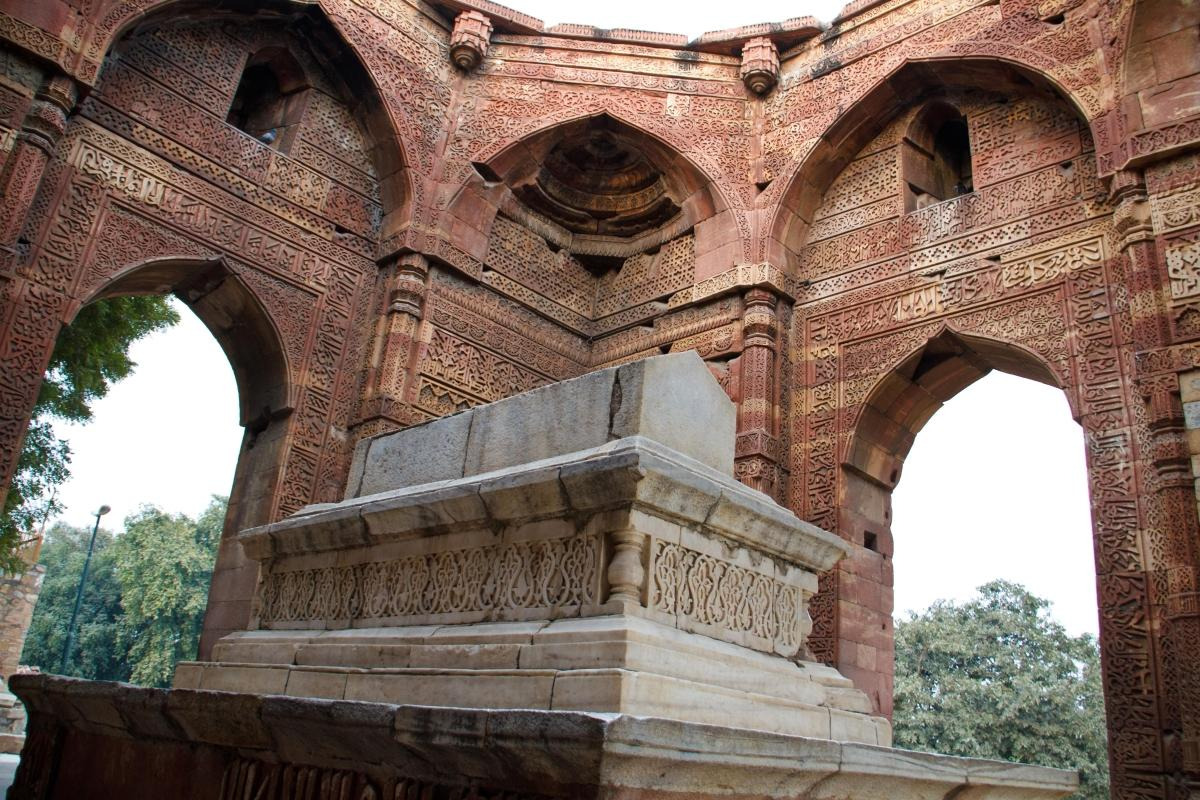
Mehrauli Archaeological Park is a sprawling site that spans over 200 acres, showcasing remnants from Delhi’s past, including both medieval and Mughal structures. Notable elements include the 16th-century Jamali Kamali Mosque, the intricate tomb of Ghiyath al-Din Tughlaq, and the 14th-century Rajon Ki Baoli stepwell, all set against a backdrop of lush greenery. A visit here invites leisurely exploration, ideal in cooler months for comfort. Allocate a couple of hours to wander the grounds, which are relatively quiet compared to other attractions. Nearby, the Qutub Minar complex is just a fifteen-minute walk away, further enriching the historical narrative of the area.
- 4.5· 90 reviews20 tours include this

Janpath Market is a bustling street market in the heart of New Delhi, lined with vibrant shops and stalls selling clothing, accessories, and handicrafts. Originally set up in the 1960s, it is a popular destination for both locals and tourists, offering a mix of traditional Indian goods alongside trendy fashion items. Plan to spend an hour or two browsing the diverse offerings, especially in the cooler hours of the day. Adjacent to Connaught Place, it's conveniently located near other popular attractions like the Indian Museum and the Gandhi Smriti. Bargaining is expected, so be prepared to negotiate for better deals.
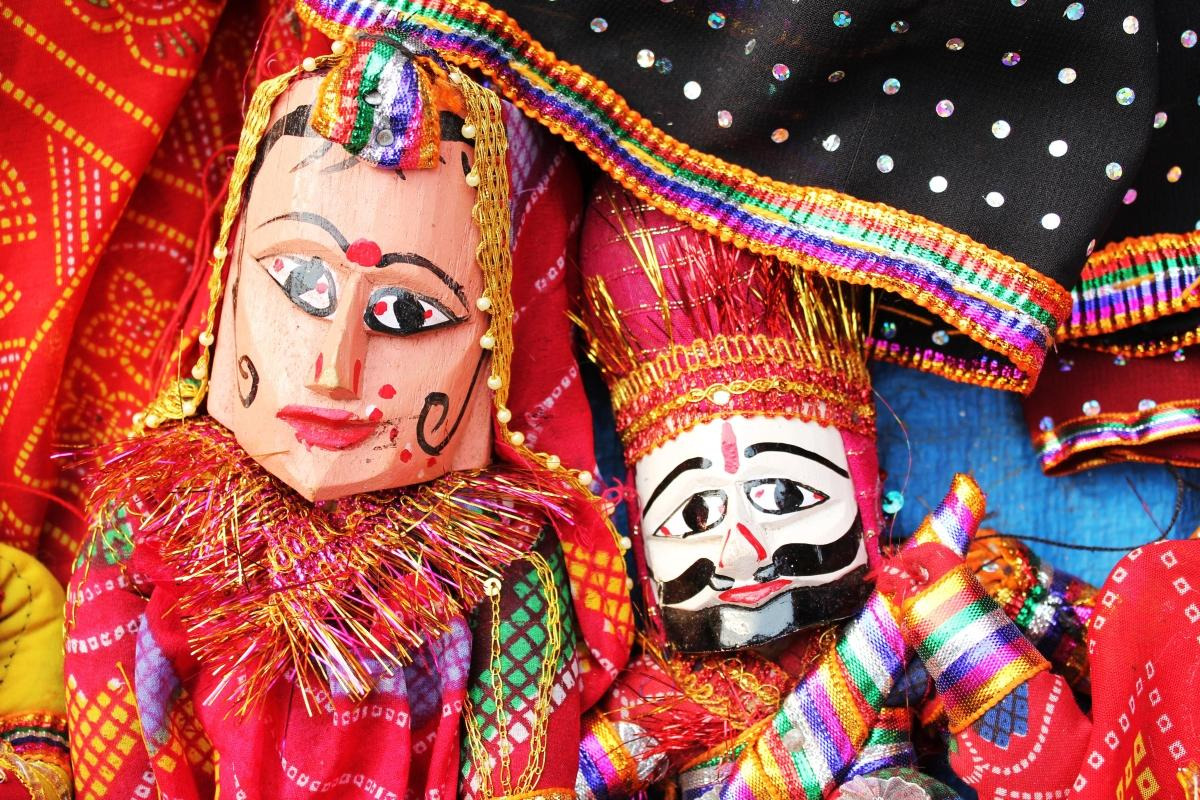
Dilli Haat is an open-air market that showcases traditional crafts and cuisines from various Indian states, created in the late 20th century to promote handlooms and handicrafts. The vibrant stalls reflect the diversity of Indian culture, with artisans displaying their wares alongside food stalls offering regional delicacies. Plan to spend a couple of hours browsing the craft stalls, sampling street food, and enjoying cultural performances. It's particularly lively on weekends when events like dance and music performances are scheduled. Located in the heart of South Delhi, it's easily accessible from the bustling markets of INA and Lajpat Nagar.
- 4.9· 283 reviews11 tours include this
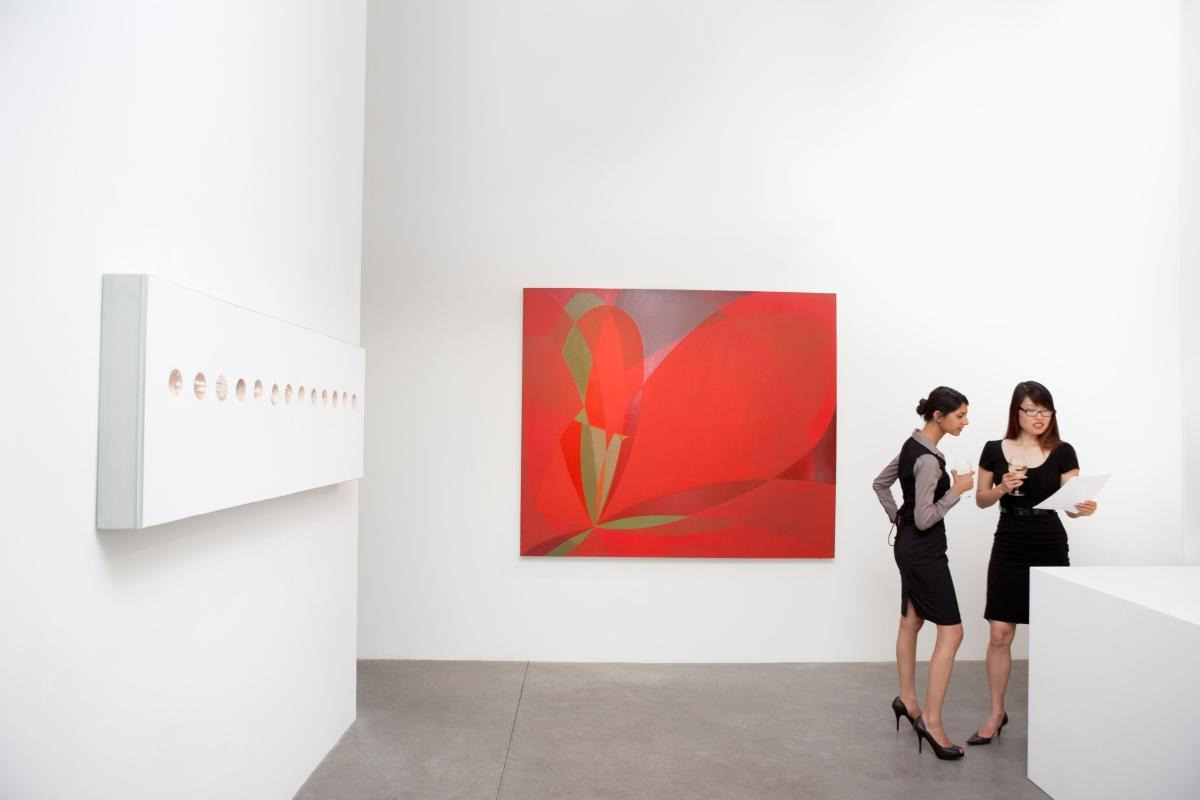
The National Gallery of Modern Art is India's premier museum dedicated to modern and contemporary art, housed in a former maharaja's palace from the 1930s. It showcases an extensive collection of Indian artworks from the 1850s to the present, featuring notable artists such as Rabindranath Tagore and Amrita Sher-Gil, alongside international pieces. Allow at least a couple of hours to explore the galleries, which are often quieter on weekdays. The museum is located near India Gate and is a short walk from the bustling Connaught Place, making it easy to combine with a visit to other local landmarks. Look for the special exhibits that rotate periodically.
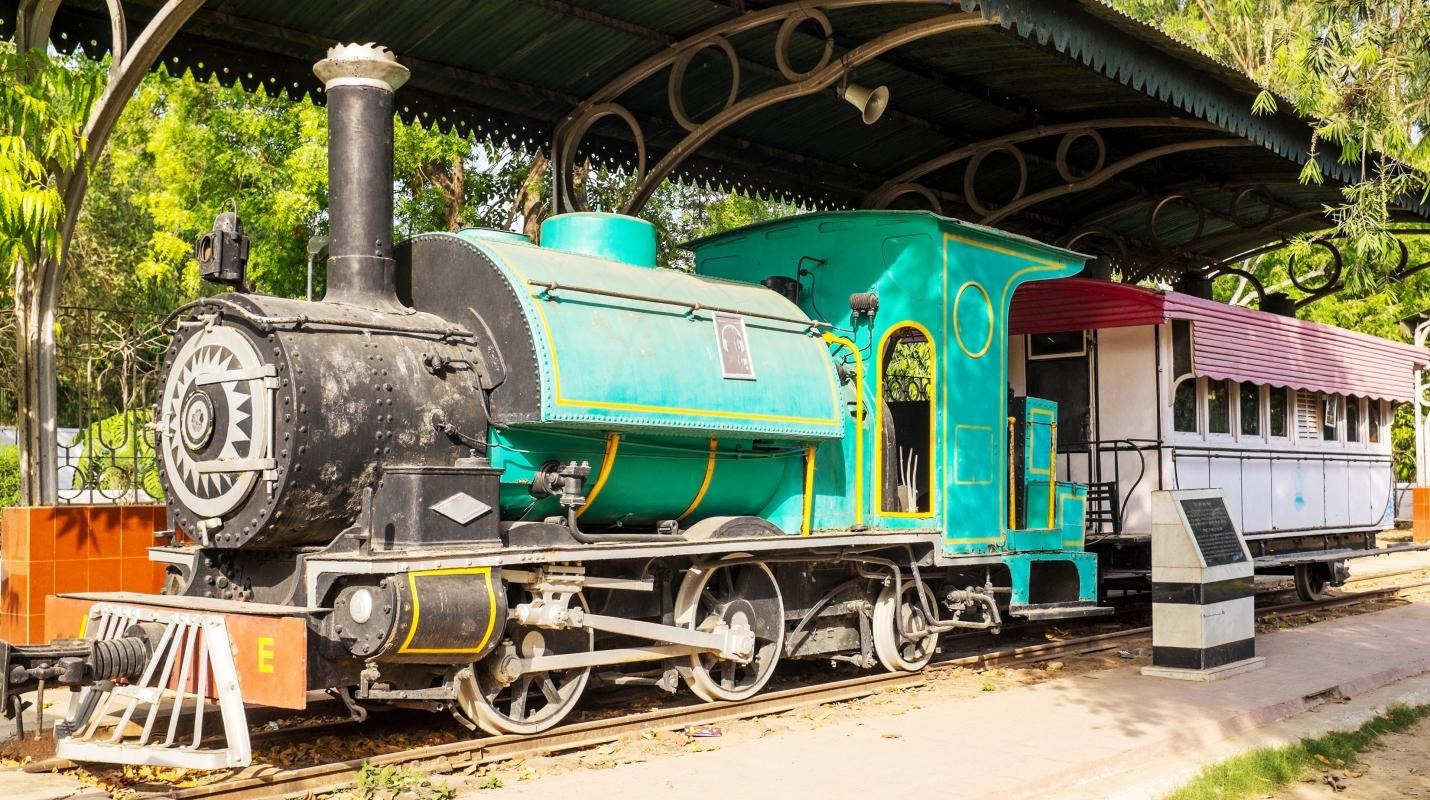
The National Rail Museum is an extensive collection of over a hundred vintage locomotives and carriages spanning the history of Indian railways, housed within 11 acres of landscaped gardens. Opened in 2000, it features exhibits like the Maharajas’ luxurious carriages and the steam engine that represents the railway’s colonial legacy. Allocate a few hours to fully appreciate the interactive displays and activities, including rides on miniature trains. The museum is situated near Chanakyapuri, making it easily accessible if you plan to explore nearby diplomatic enclaves or the nearby Indira Gandhi National Museum of Art. Look out for the vintage railway memorabilia throughout the grounds.
- 4.8· 96 reviews4 tours include this
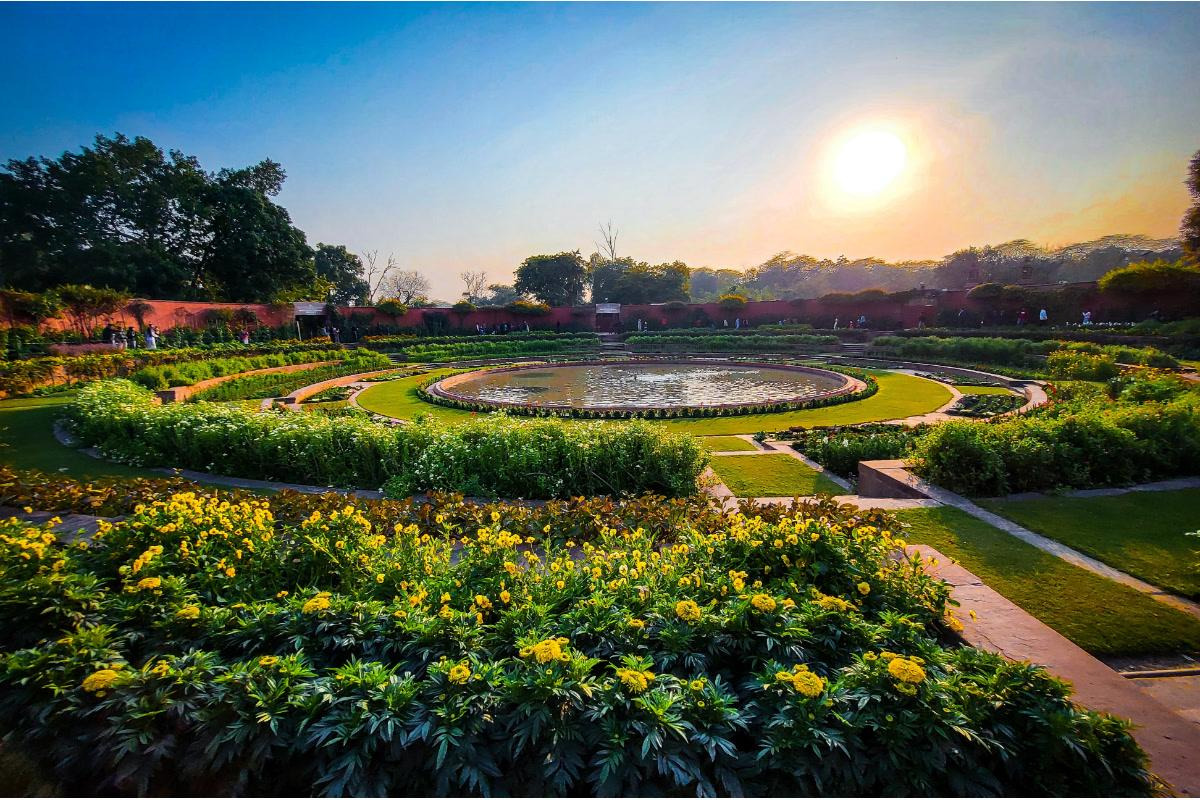
Amrit Udyan is a sprawling garden complex formerly known as Mughal Gardens, located within the grounds of the Rashtrapati Bhavan. Designed in the early 20th century, these meticulously maintained gardens feature terraced lawns, vibrant flowerbeds, and water channels, all inspired by traditional Mughal landscaping principles. The gardens also house several fountains and pathways that create a serene atmosphere in the heart of New Delhi. Best visited during the winter months when the flowers are in full bloom, Amrit Udyan offers a peaceful retreat from the bustling city. It's advisable to plan for a morning visit to fully appreciate the flower arrangements and avoid the later crowds. Gandhi Smriti is a short distance away, offering a poignant historical contrast to the gardens’ beauty.
- 4.9· 363 reviews24 tours include this
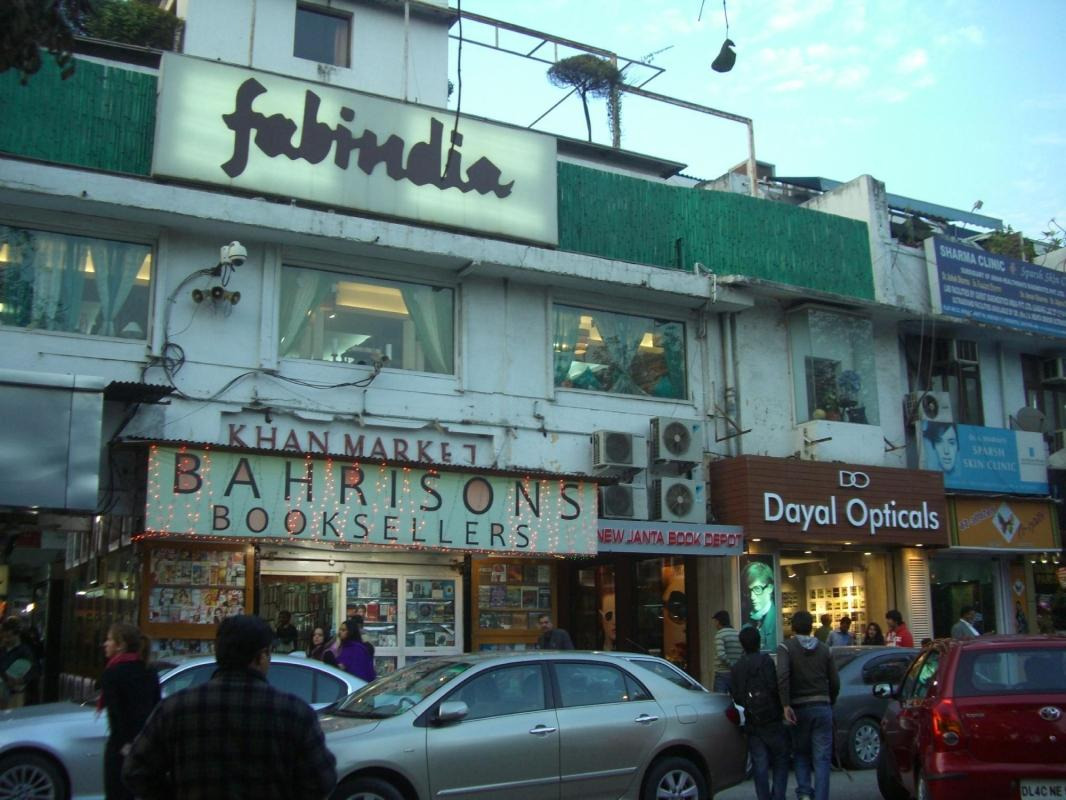
Khan Market is a bustling retail hub established in 1951, known for its high-end boutiques, bookstores, and gourmet food shops. Its rows of shops and cafés are set in a series of urbane, modern buildings that attract both locals and visitors for their variety and quality, making it a staple in New Delhi's shopping scene. The market is best explored early in the day when crowds are thinner, allowing for leisurely browsing. Don’t miss the nearby Gandhi Smriti, a museum dedicated to Mahatma Gandhi, which adds a cultural touch to your visit. The place offers a blend of shopping and history, making it worth a few hours of your time.
- 4.8· 158 reviews14 tours include this
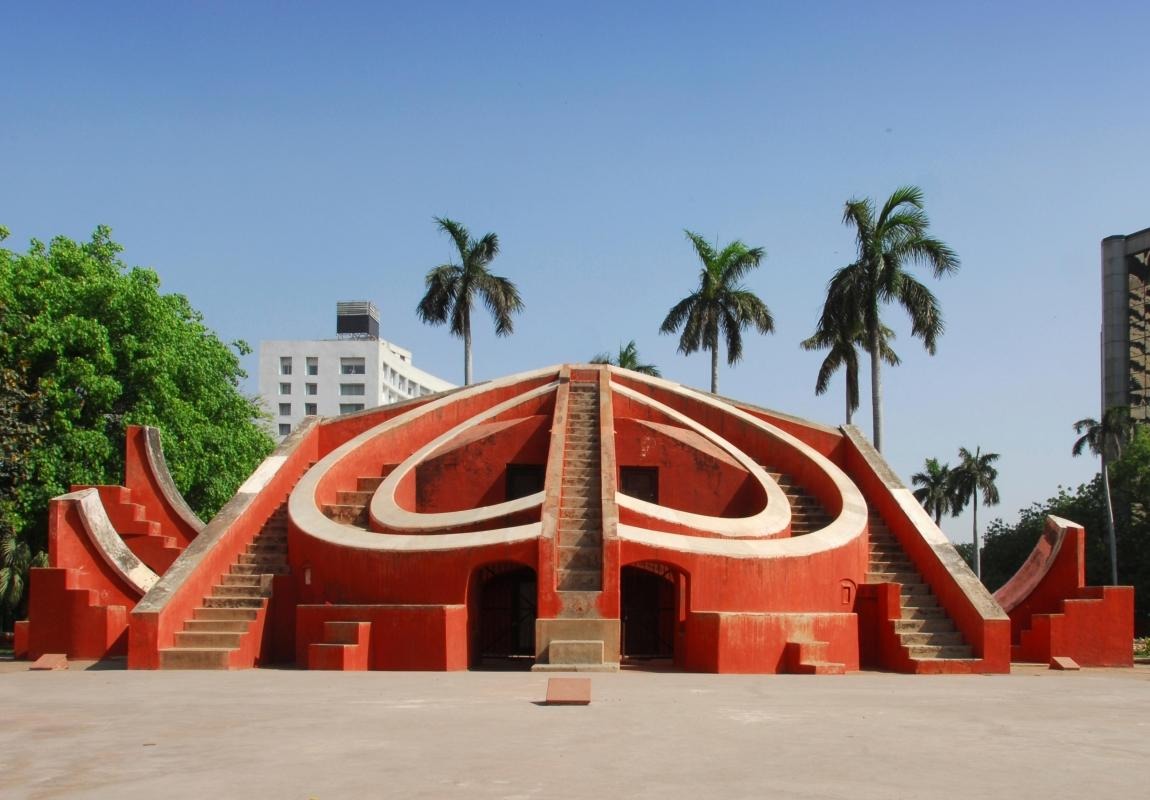
Jantar Mantar is a collection of astronomical instruments built in the 18th century by Maharaja Jai Singh II, located in the heart of New Delhi. The site features several large-scale devices made of stone and marble that were designed for tracking celestial bodies, including the famous Samrat Yantra, which is a massive sundial. Allocate about an hour to explore the intricate structures and their functions. Early mornings or late afternoons offer the best light for photographs. The Jantar Mantar is a short walk from Connaught Place, making it a convenient stop when exploring the city’s colonial architecture and bustling markets.
- 4.9· 85 reviews3 tours include this

The National Zoological Park of Delhi spans 240 acres near the heart of the city, established in 1959. Home to over 1,500 animals across 130 species, it features diverse habitats, including wetlands and landscaped gardens, designed to mimic natural environments. The zoo’s expansive pathways lead visitors through its various enclosures, offering glimpses of both native and exotic wildlife. Plan to spend a few hours wandering its grounds, especially on weekends or public holidays when families flock to observe the animals. Early morning visits are recommended for a quieter experience. The park is adjacent to the Historical Purana Qila, making it easy to combine both attractions in a day.
- 4.7· 176 reviews21 tours include this
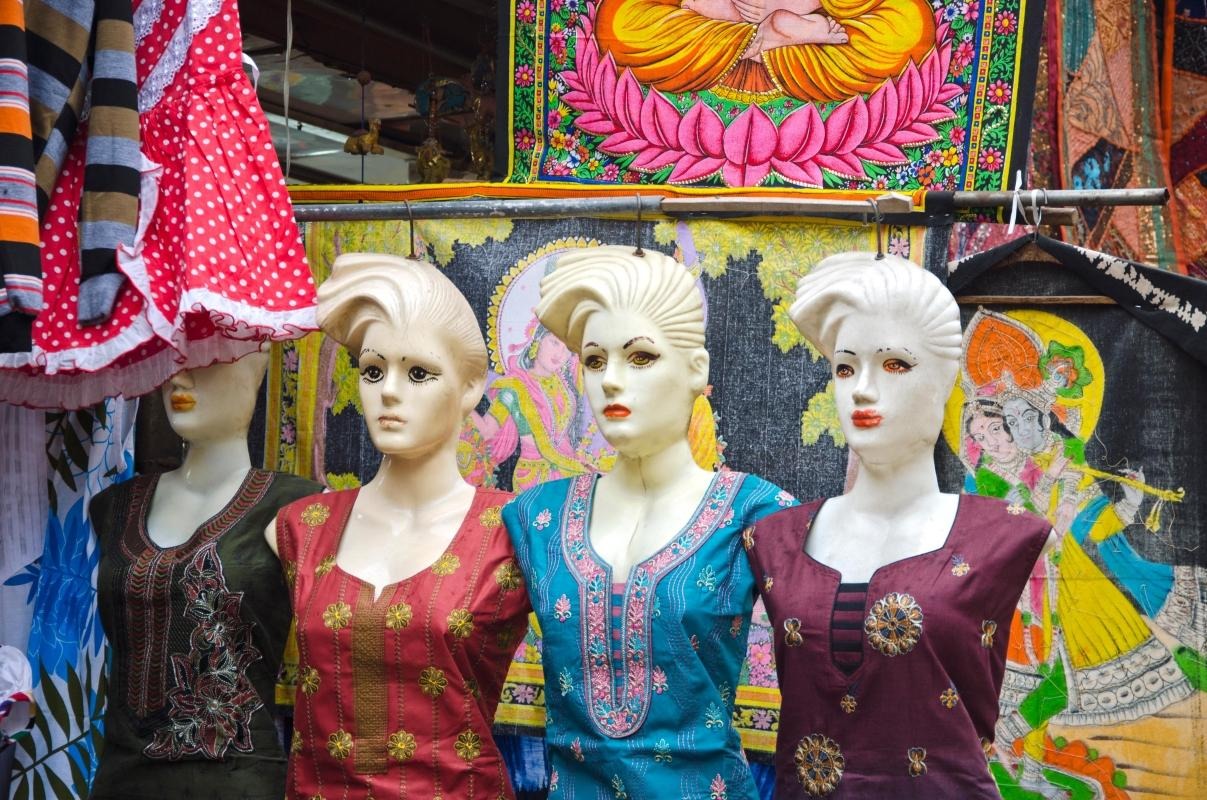
Hauz Khas Village is a historic region in South Delhi, known for its 14th-century water tank and ruins of the Indo-Islamic architecture that surround it, including a mosque and medieval tombs. Once an important part of the city during the reign of the Tughlaq dynasty, it now merges heritage with contemporary allure. This area has become a cultural hub, packed with galleries, boutiques, and a vibrant food scene. Weekends can be crowded, with visitors enjoying the view over the reservoir. A stroll through the adjacent Hauz Khas Complex provides insight into its historical significance, making it worthwhile to explore both the village and its surroundings.
- 4.9· 467 reviews22 tours include this
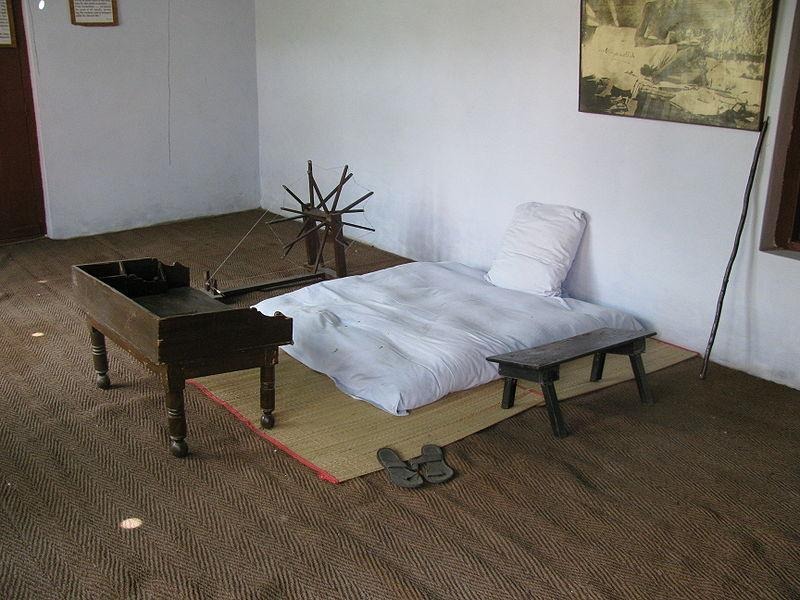
The National Gandhi Museum is a tribute to Mahatma Gandhi, housed in a historic building that was once the Birla House, where he was assassinated in 1948. The museum features a collection of artifacts, photographs, and documents that chronicle his life and philosophy, providing insight into India's struggle for independence. Visitors can explore the serene gardens and dedicated galleries that highlight key moments in Gandhi's journey. Plan for an hour to absorb the key exhibits; early morning visits offer a quieter experience. The museum is located near Raj Ghat, Gandhi's memorial, making it easy to combine both visits.
- 4.9· 80 reviews3 tours include this
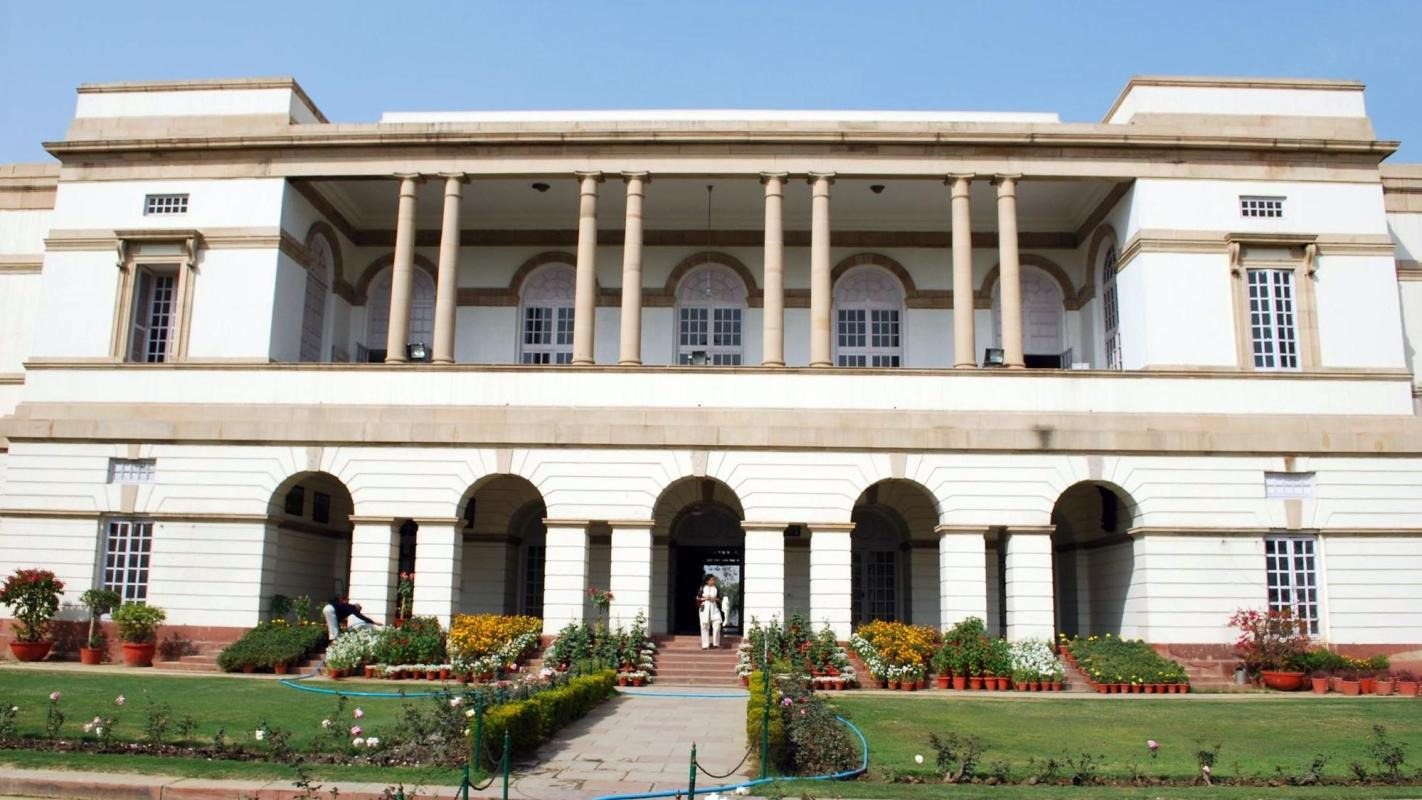
The Nehru Memorial Museum and Library houses an extensive collection chronicling the life of Jawaharlal Nehru, India's first Prime Minister, within a striking example of modernist architecture from the mid-20th century. The museum features personal artifacts, photographs, and documents that illuminate India's struggle for independence and Nehru's vision for the nation, alongside the adjacent Nehru Planetarium. Visiting the museum offers a deep dive into India's political history, best experienced during weekdays for a quieter atmosphere. The surrounding gardens are ideal for a leisurely stroll, and the nearby India Gate provides a convenient additional stop for visitors seeking to explore more of the capital's historical landscape.
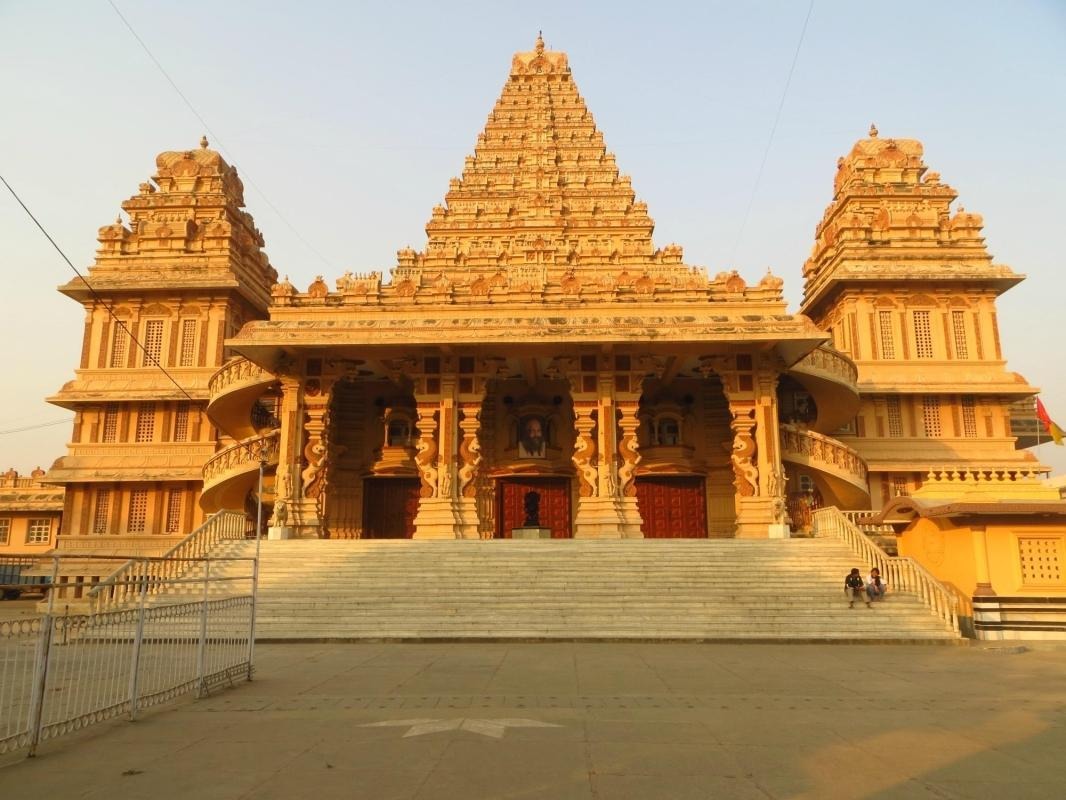
Chhatarpur Temple is a sprawling complex established in the 1970s, dedicated to the goddess Katyayani and part of the larger Jain tradition. The site features intricate carvings in marble, blending traditional Indian and modern architectural styles, with ornate gateways and serene landscaped gardens that enhance its spiritual ambience. Visiting the temple is a peaceful experience, best enjoyed in the early morning or late afternoon when the crowds are lighter. The temple is located in the Chhatarpur area, not far from the historic Qutub Minar, making it easy to combine visits to both sites. The soft sound of chanting adds to the tranquillity of the atmosphere.
- 4.8· 128 reviews12 tours include this
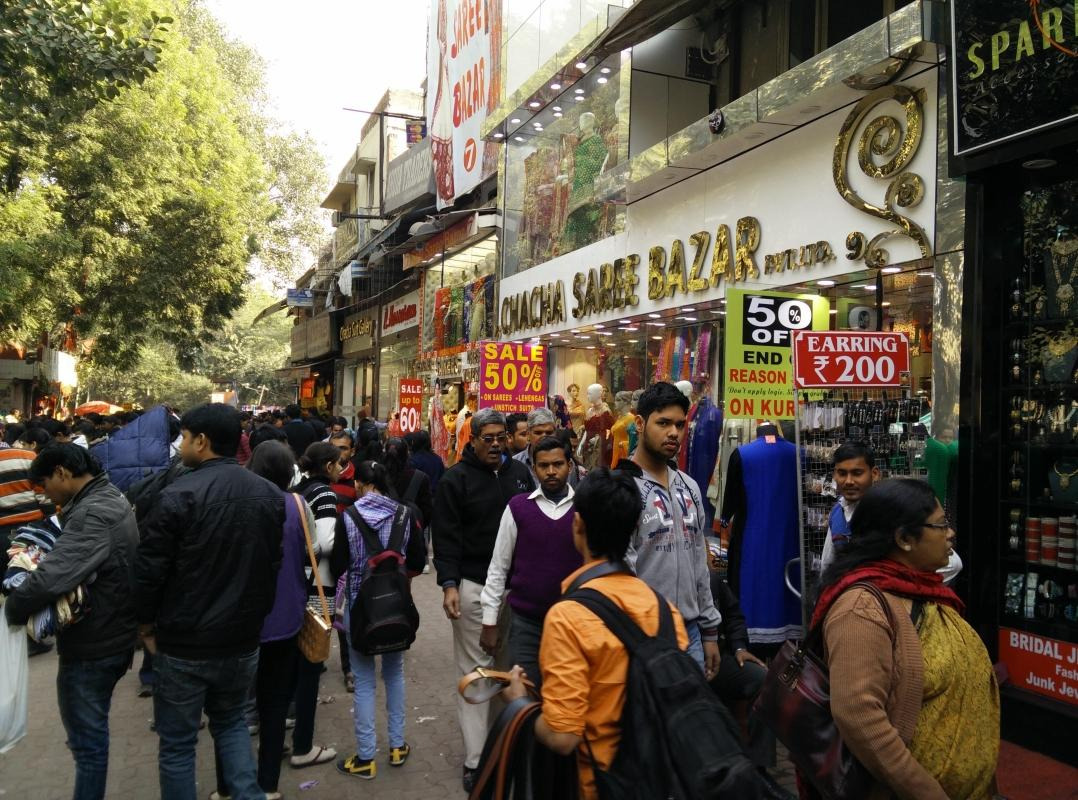
Sarojini Nagar Market is an open-air market in New Delhi known for its extensive variety of inexpensive clothes, accessories, and textiles. Established in the post-independence period, it features stalls and shops that attract a large number of shoppers looking for fashionable yet affordable items, from Western wear to Indian ethnic attire. Visiting is best during the early morning or late afternoon to avoid the heat and crowds. Be prepared to bargain for the best prices, as haggling is part of the experience. Nearby, the always-busy Lajpat Nagar Market offers a contrasting shopping experience, focused on traditional Indian goods.
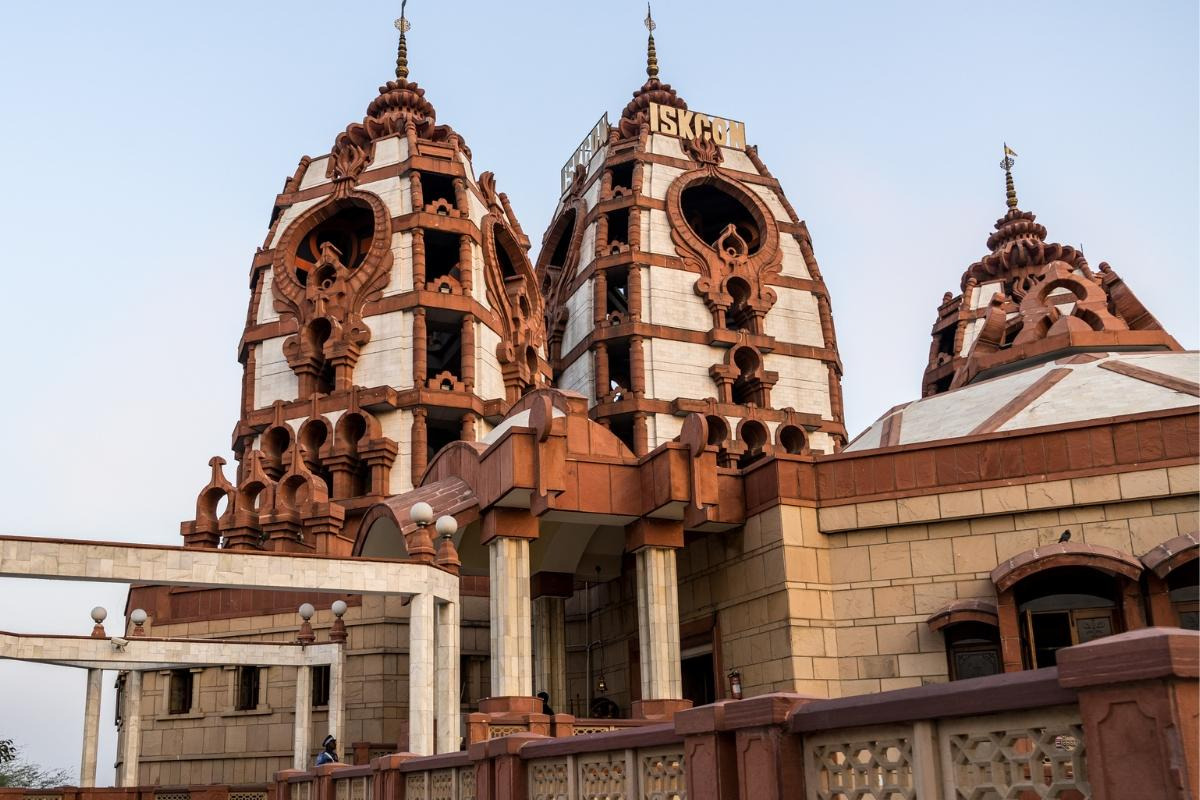
ISKCON Temple Delhi is a prominent Hindu temple dedicated to Lord Krishna, part of the International Society for Krishna Consciousness. Opened in the 1990s, its striking white marble façade and intricate carvings attract devotees and tourists alike. The temple complex also includes gardens, a restaurant, and spaces for meditation and cultural events. Plan for about an hour to explore the interiors, especially during the morning or evening aarti for a more immersive experience. Located in the busy area of East of Kailash, it’s conveniently near the markets of Greater Kailash and the Lotus Temple, making it easy to combine visits.
- 4.9· 141 reviews14 tours include this
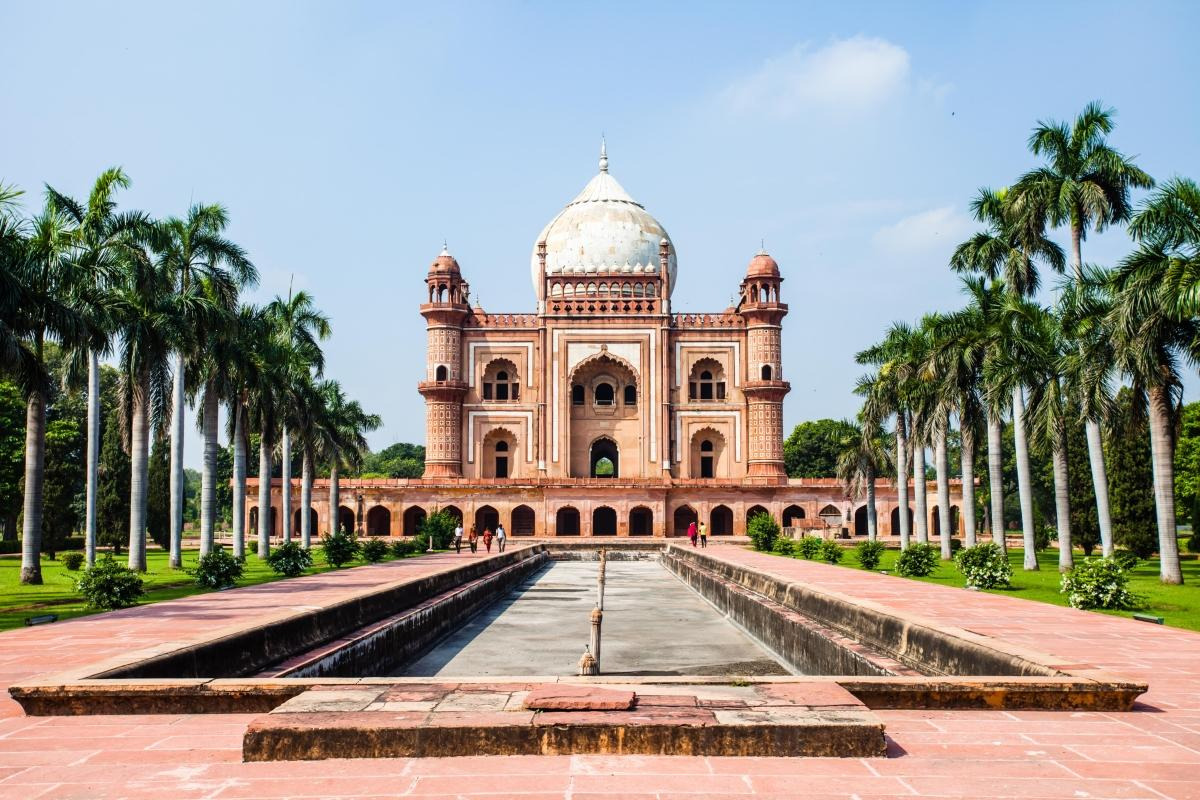
Safdarjung's Tomb is an ornate mausoleum built in the mid-18th century to honour Safdarjung, a noble of the Mughal Empire. Crafted from buff sandstone and marble, this structure features lush gardens in the Persian style, with intricate inlay work and large domes that reflect the Mughal architectural legacy. Allocate about an hour to wander the expansive gardens and admire the central tomb. Visit early in the morning to avoid crowds, when the light is gentle and the air cool. It's located in the Safdarjung Enclave, a short drive from the bustling neighbourhood of Hauz Khas.
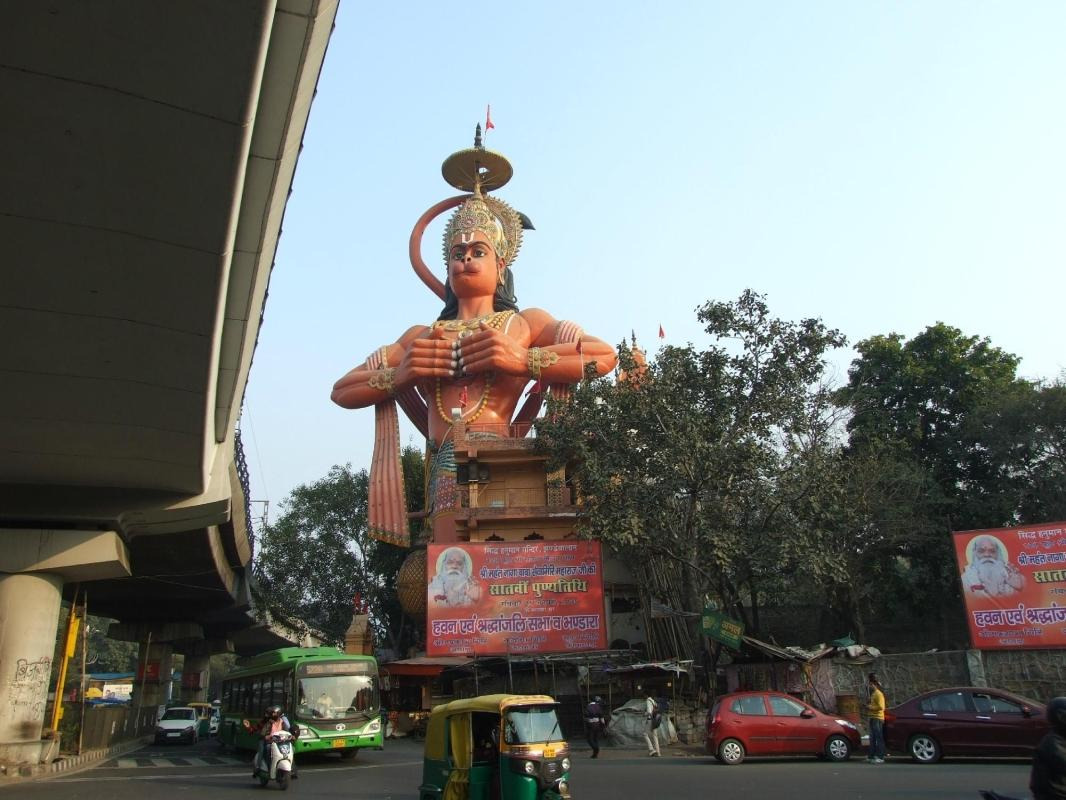
Hanuman Temple, also known as Hanuman Mandir, is a revered Hindu temple dedicated to Lord Hanuman, located in the heart of Connaught Place. Built in the mid-20th century, it features an impressive idol of Hanuman made from marble, set against red and white walls adorned with intricate carvings and murals depicting scenes from the Ramayana. Visiting the temple is an experience steeped in spirituality, particularly on Tuesdays and Saturdays, when devotees flock to offer prayers. Nearby, the bustling Connaught Place offers a range of eateries and shops, making it a convenient stop after your visit. The peaceful ambiance inside contrasts sharply with the vibrant energy of the surrounding area.
- 4.8· 101 reviews20 tours include this
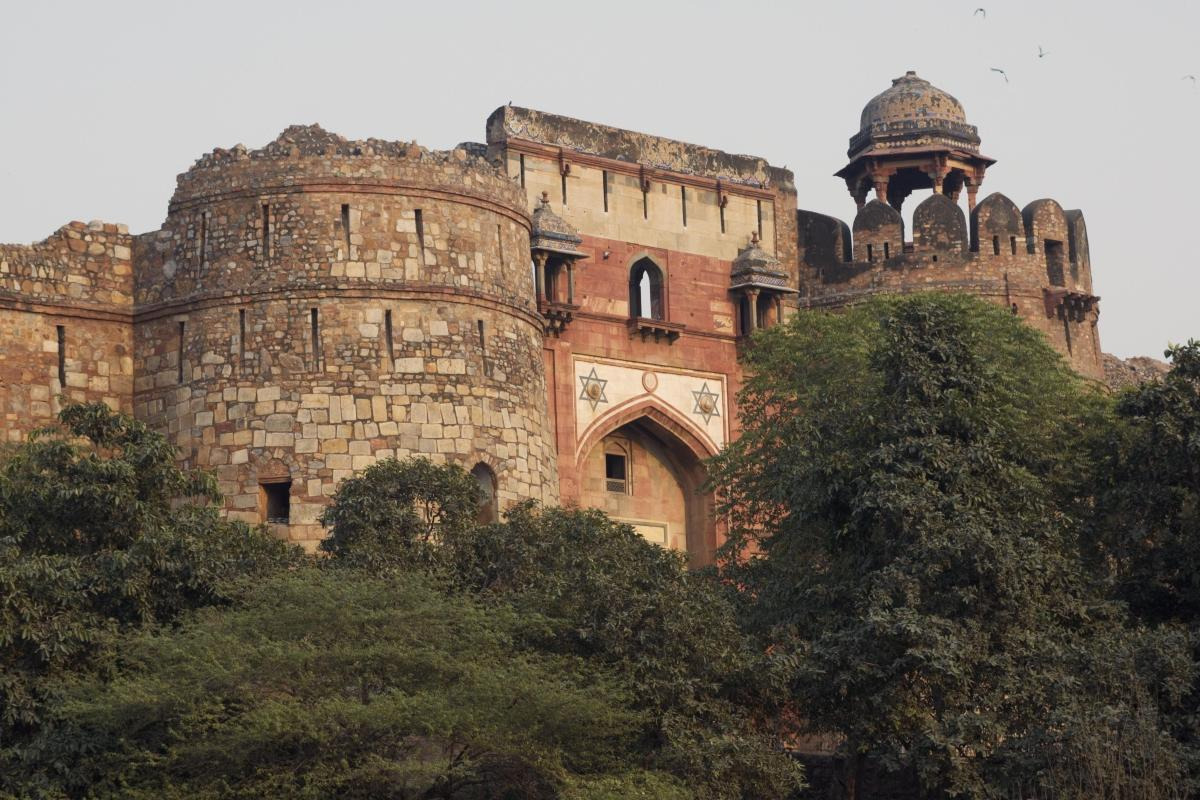
Delhi Old Fort, also known as Purana Qila, is a sprawling fortress dating back to the 16th century, constructed by the Mughal emperor Humayun. Its massive walls, built from red sandstone, enclose a complex that includes ancient gates, a mosque, and a small museum, offering a glimpse into the city's historical significance. Allocate at least two hours to explore the grounds, which are dotted with lush gardens and a lake ideal for boating. Morning visits provide a cooler climate and quieter atmosphere. The fort is adjacent to the National Zoo and can be easily combined with a trip to India Gate nearby.
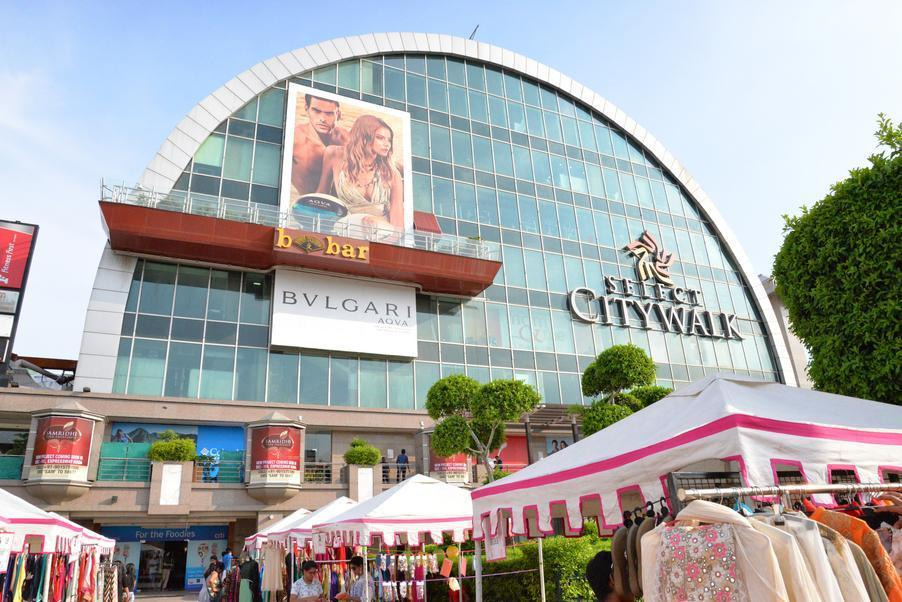
Select Citywalk is a modern shopping and entertainment complex located in Saket, featuring a blend of international and local brands across its spacious, air-conditioned interiors. The design includes various dining options, a multiplex cinema, and themed event spaces, making it a standout destination for both shopping and leisure in South Delhi. Visit during the evening for a lively atmosphere as families and young people gather to unwind. Nearby, you can explore the ancient Qutub Minar or take a stroll in the adjacent DLF Place, which offers additional shopping and dining experiences. Parking can get crowded on weekends, so plan accordingly.
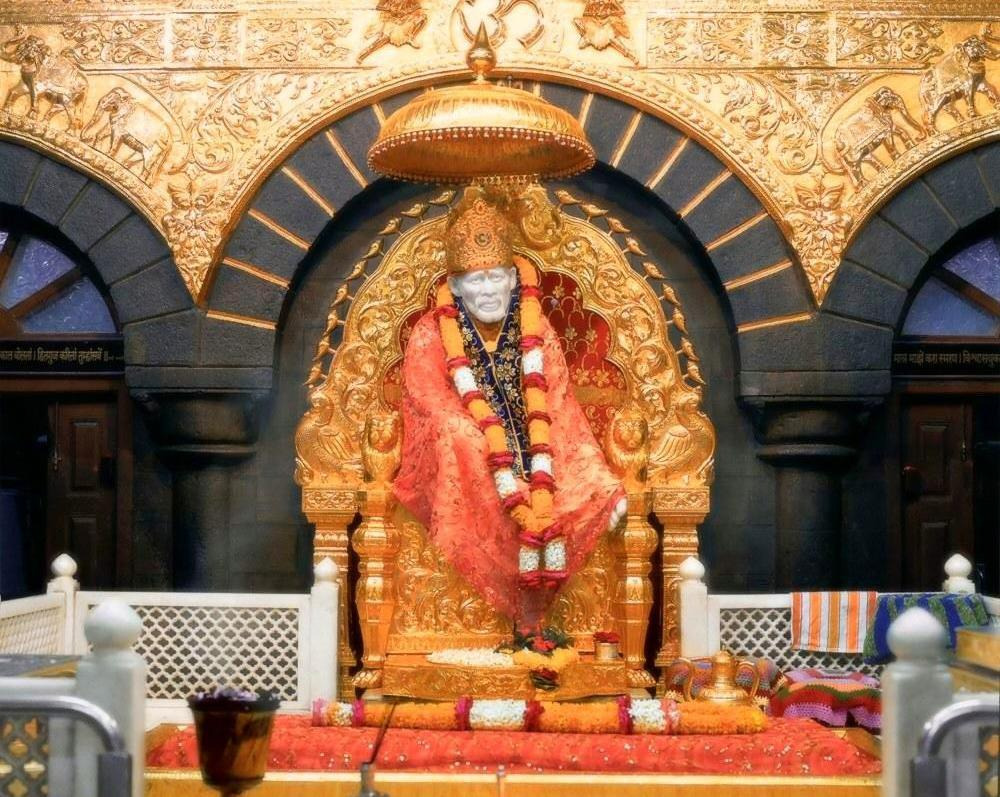
Sai Baba Temple is a marble-clad shrine erected in the late 20th century, dedicated to the revered saint Sai Baba of Shirdi. The temple features an impressive idol of Sai Baba, seated in a traditional pose, surrounded by intricately carved columns and serene gardens that create a tranquil atmosphere for visitors. Best visited in the morning or late afternoon, the temple attracts devotees and tourists alike, offering a space for prayer and reflection. Nearby, you can explore other religious sites such as the Hanuman Temple and the peaceful settings of the adjacent gardens, which are perfect for a quiet stroll.
- 4.9· 85 reviews6 tours include this
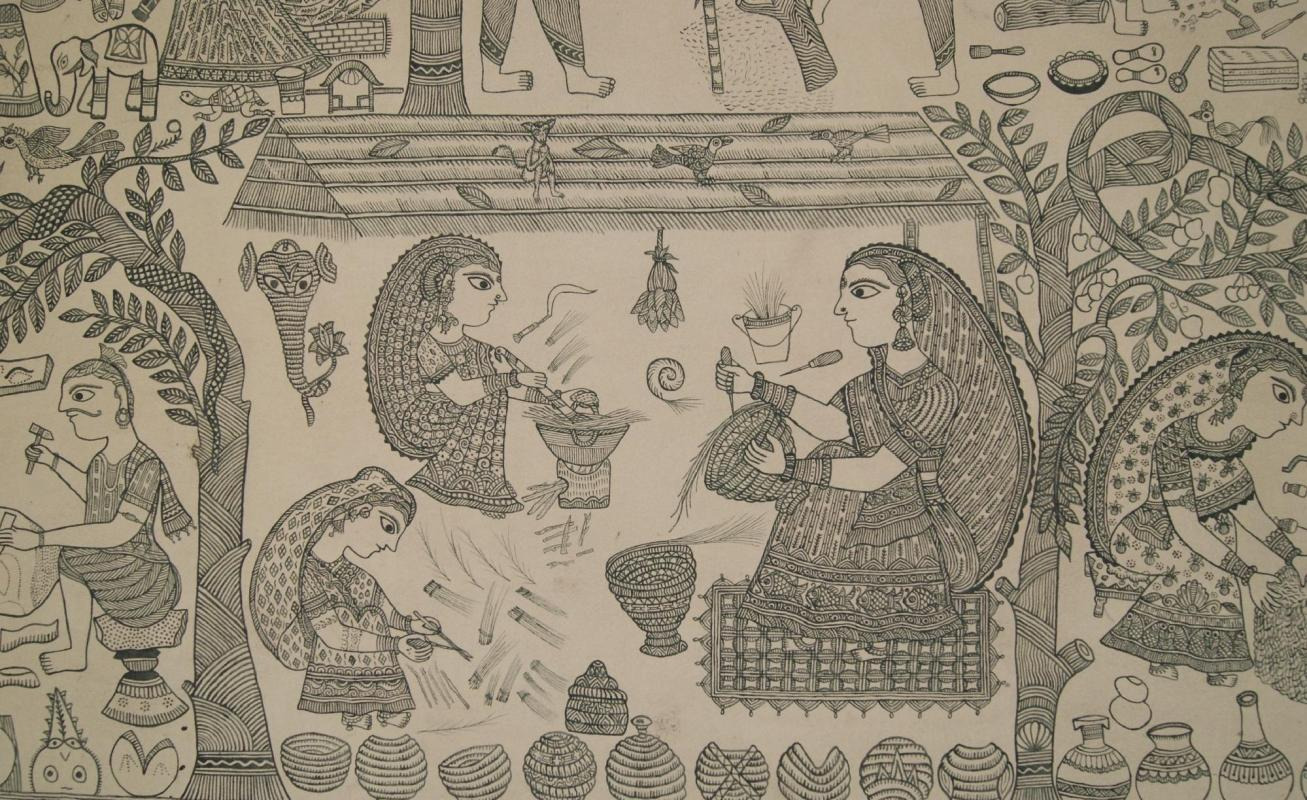
The National Handicrafts and Handlooms Museum, also known as the Crafts Museum, showcases India's rich textile heritage and craftsmanship. Established in 1984, the museum features a diverse range of traditional crafts from across the country, housed within a series of enchanting pavilions and outdoor spaces that reflect regional architectural styles. Allocate a couple of hours to explore the exhibits, which include textiles, pottery, and woodwork, many of which are available for purchase. The museum is located near the Purana Qila, making it convenient to combine visits, and the colourful fabric displays contrast charmingly with the serene garden setting.
- 4.9· 80 reviews6 tours include this
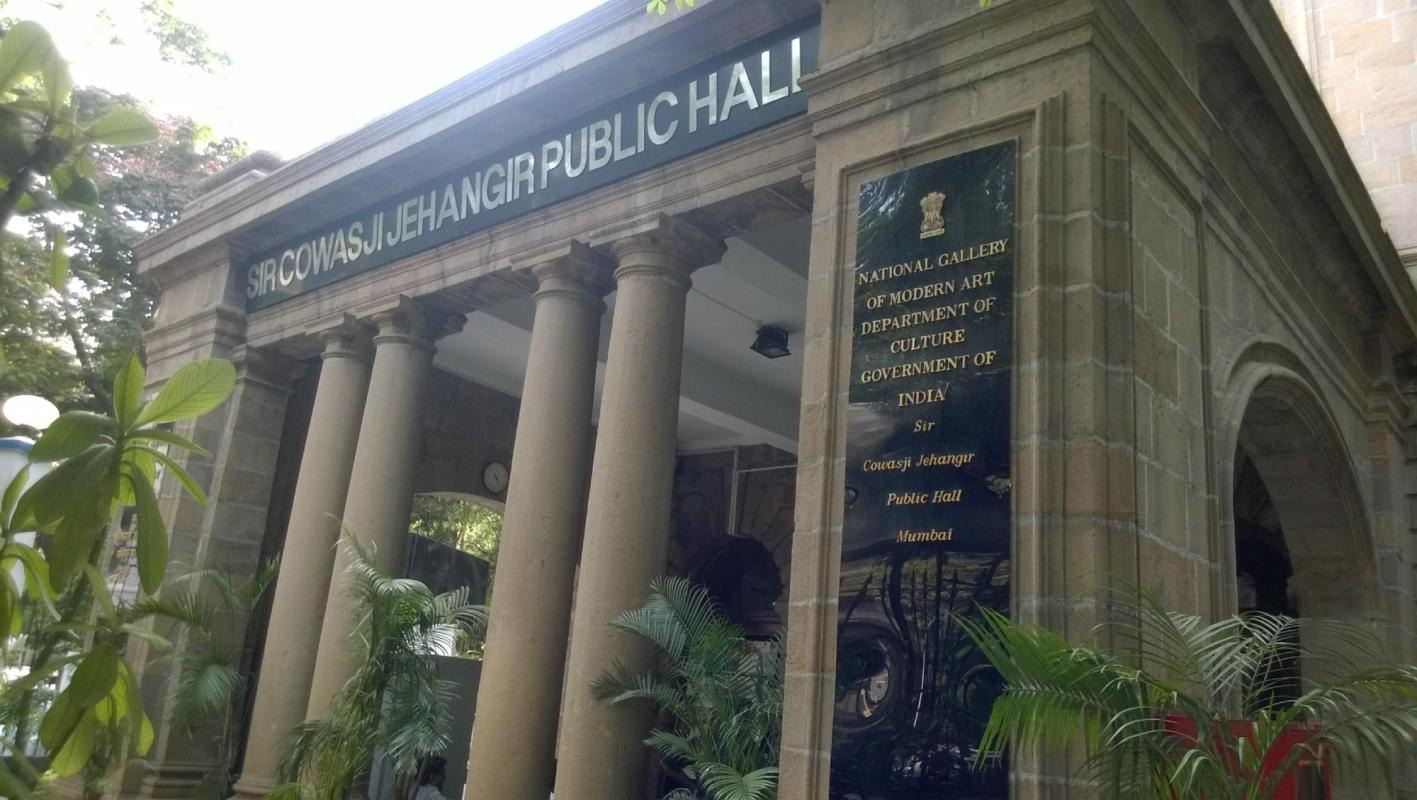
Shankar's International Dolls Museum houses a vast collection of over 6,500 dolls from around the world, showcasing the art of doll-making from various cultures. Established in 1965 by the late K. Shankar Pillai, the museum features intricately crafted dolls dressed in traditional costumes, representing countries such as India, Japan, and Mexico. Allocate about an hour for your visit. The museum is located near Bahadur Shah Zafar Marg, a short walk from the bustling Pragati Maidan area. It's quieter on weekdays, allowing for a more leisurely experience as you explore the displays and the stories each doll tells.
- 4.9· 80 reviews3 tours include this
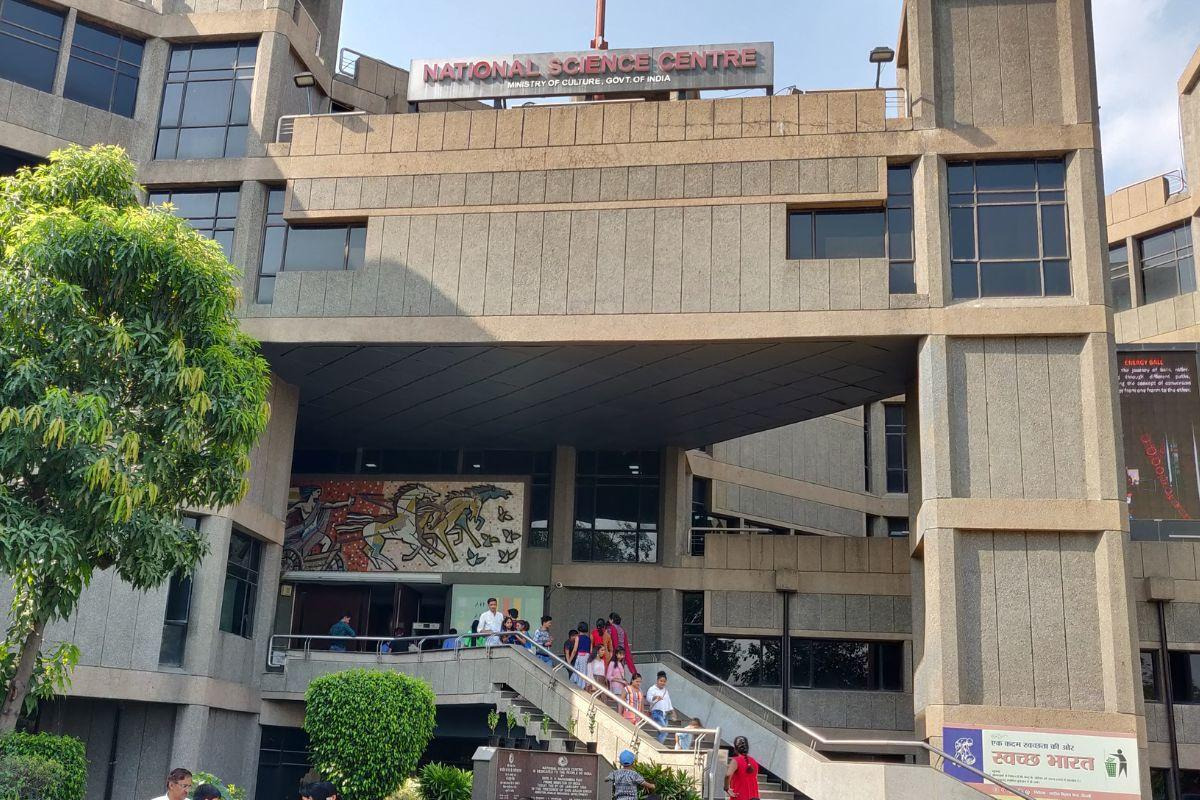
The National Science Centre is an interactive science museum located in the heart of New Delhi, designed to engage visitors with knowledge across various scientific disciplines. Opened in 1992, this sprawling complex features galleries dedicated to topics like space, energy, and the environment, all housed in a striking red and yellow building that reflects modernist architectural styles. Allocate a few hours to explore the hands-on exhibits, particularly enjoyable for families and children. The centre is situated near the Pragati Maidan exhibition grounds, and a visit can be easily combined with a walk to the nearby Purana Qila or a leisurely stroll in the surrounding gardens. Weekdays tend to be quieter, making for a more relaxed experience.
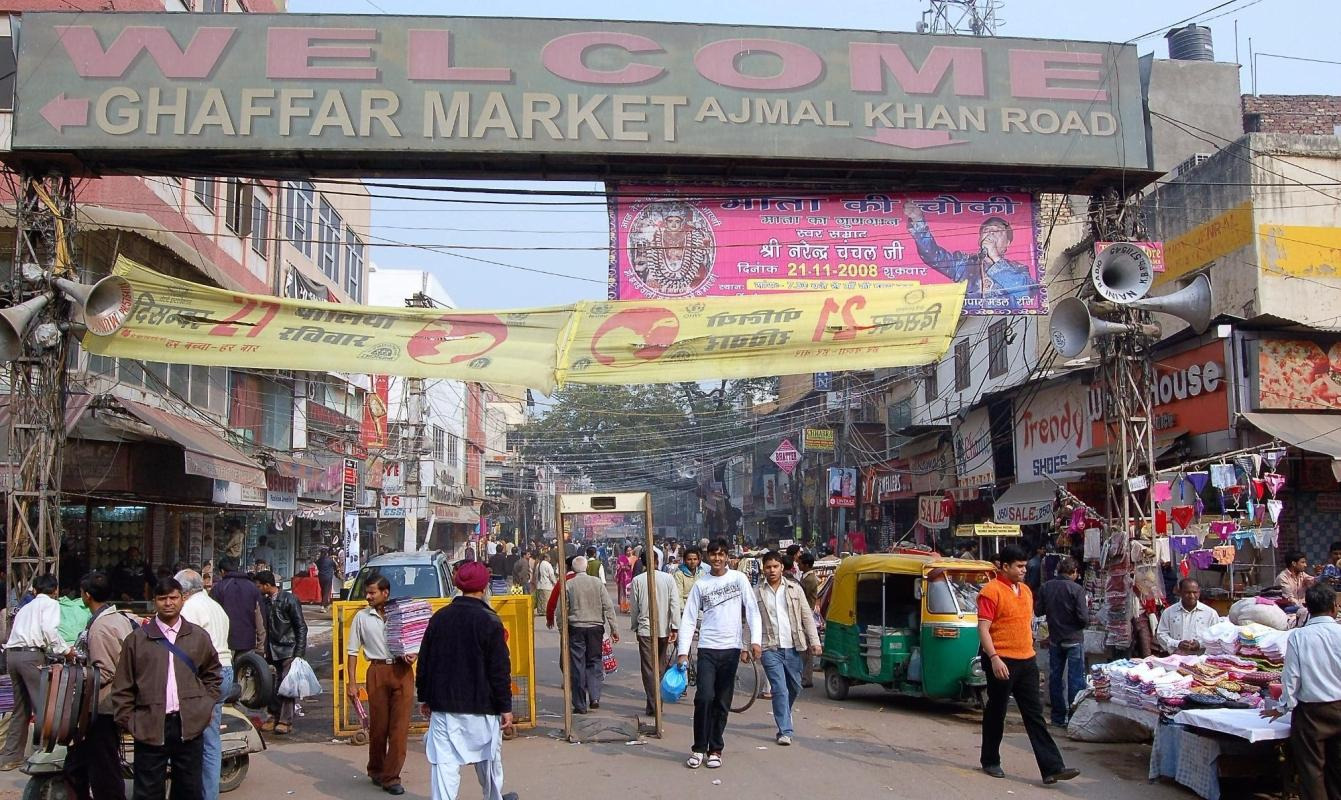
Karol Bagh is one of New Delhi's oldest shopping districts, established in the mid-19th century by the city's affluent merchant class. Known for its vibrant markets, the area is lined with narrow lanes filled with a blend of traditional and modern shops, offering everything from fabrics and jewellery to electronics and street food. Visiting Karol Bagh is best done early in the morning when the streets are less crowded. Check out Ajmal Khan Road for a mix of stores, and don't miss the Jain Temple for its intricate architecture. Be prepared for a sensory overload as you navigate the bustling alleyways filled with both locals and tourists.
- 5.0· 910 reviews31 tours include this
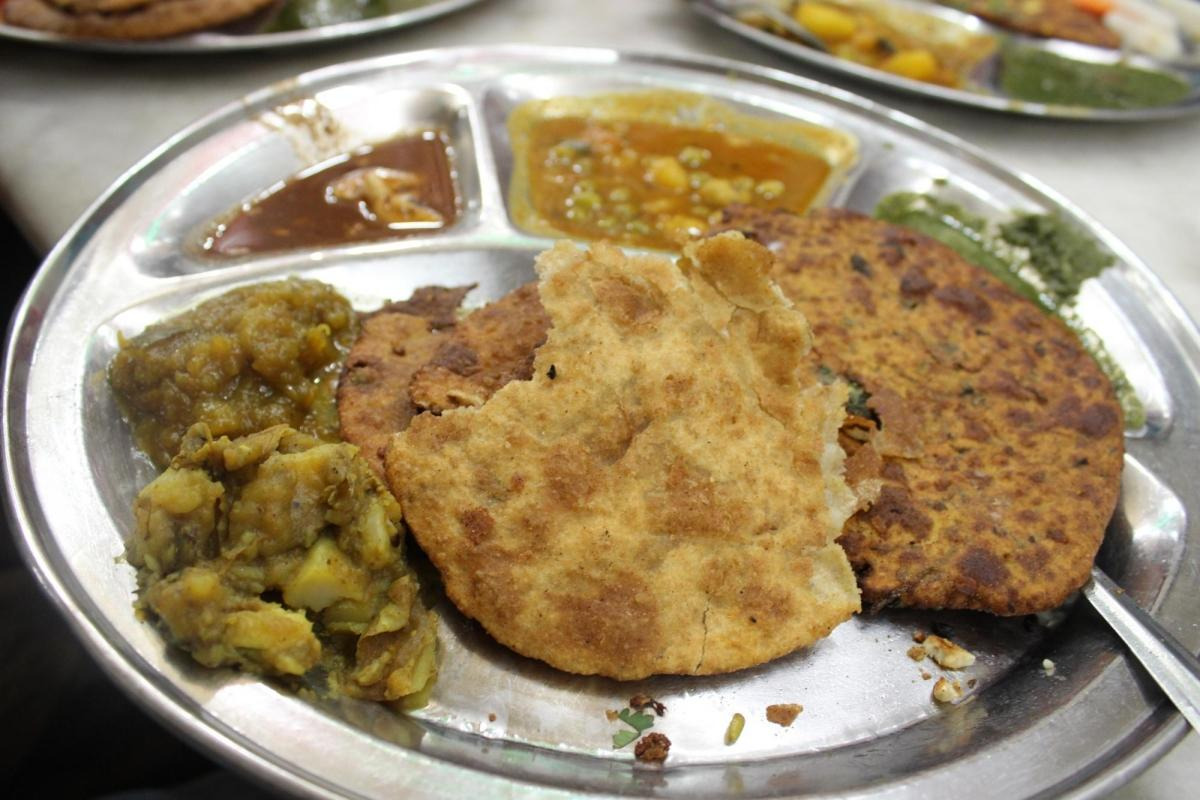
Paranthe Wali Gali is a narrow street in Chandni Chowk famous for its centuries-old shops serving deep-fried parathas stuffed with various fillings. The street's origins date back to the 18th century, and it retains a bustling atmosphere with traditional wooden shopfronts and the aroma of spices wafting through the air. Visit during lunch or dinner when the crowd builds, but be prepared for the lively chaos and narrow pathways. Nearby, the red sandstone facade of the Gurudwara Sis Ganj Sahib offers a serene contrast to the energetic surroundings, making it an ideal stop after indulging in the local cuisine.
Best activities to do in New Delhi
Explore all (52) → 5 days
Dharamshala and McLeodganj trip from Delhi by car
 3 days
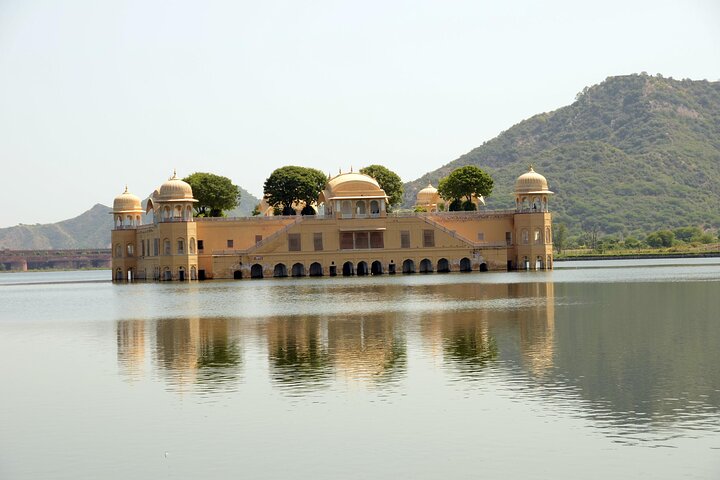
Golden Triangle: 3-day tour from Delhi to Agra and Jaipur
 6 days
Golden Triangle tour: 5 nights in Delhi, Agra, and Jaipur
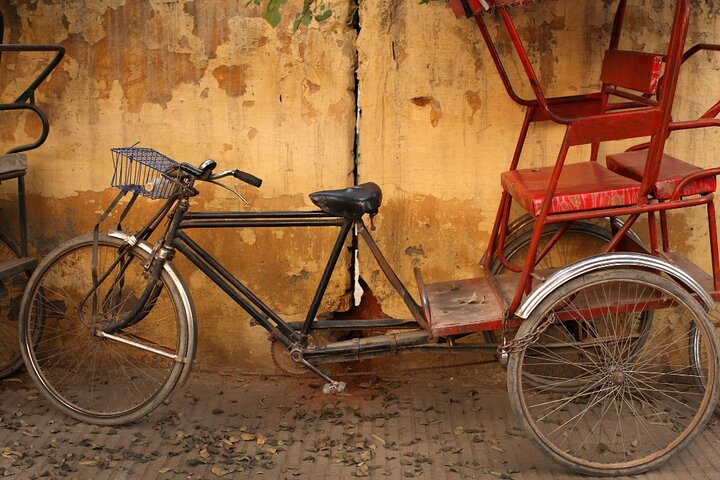
Full-day private tour of Old and New Delhi
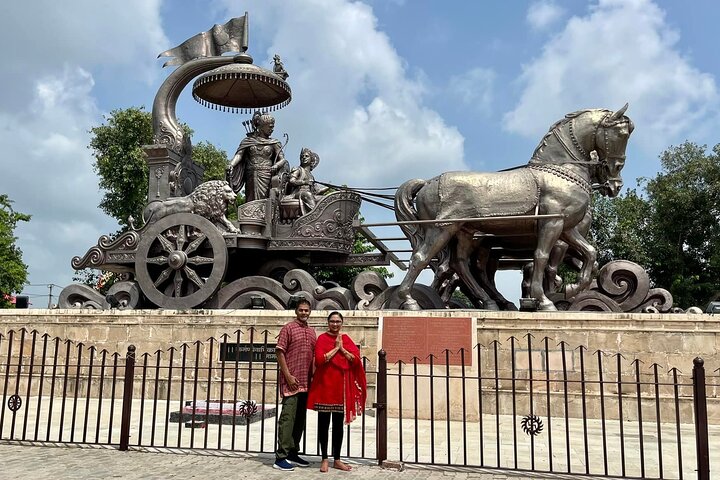
Private day trip to Kurukshetra's spiritual sites from Delhi
 12 hours
Same day Varanasi tour from Delhi by flight with boat ride
 5 days
Five-day Golden Triangle and Ranthambore Safari tour from Delhi
 2 days
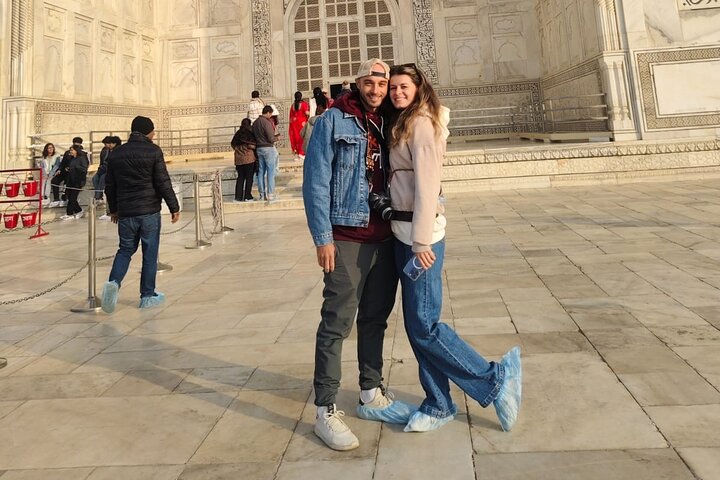
Agra overnight trip from Delhi with Taj Mahal sunset and sunrise
Luxury & private in New Delhi
See all 42 →6 daysGolden Triangle tour: 5 nights in Delhi, Agra, and Jaipur
Full-day private tour of Old and New Delhi
Private day trip to Kurukshetra's spiritual sites from Delhi
12 hoursSame day Varanasi tour from Delhi by flight with boat ride
 3 days
Three-day luxury Golden Triangle tour from Delhi
 6 days
Golden Triangle tour: 6 days in Delhi, Agra and Jaipur
Day trips in New Delhi
See all 28 →3 daysGolden Triangle: 3-day tour from Delhi to Agra and Jaipur
Full-day private tour of Old and New Delhi
Private day trip to Kurukshetra's spiritual sites from Delhi
12 hoursSame day Varanasi tour from Delhi by flight with boat ride
5 daysFive-day Golden Triangle and Ranthambore Safari tour from Delhi
Sunrise Taj Mahal and Agra Fort tour by private car from Delhi
Stay with Rovostays
Apartments in New Delhi
Pair these experiences with a hand-picked apartment. Verified, professionally managed, concierge always included.