- 4.9· 32,855 reviews1558 tours include this
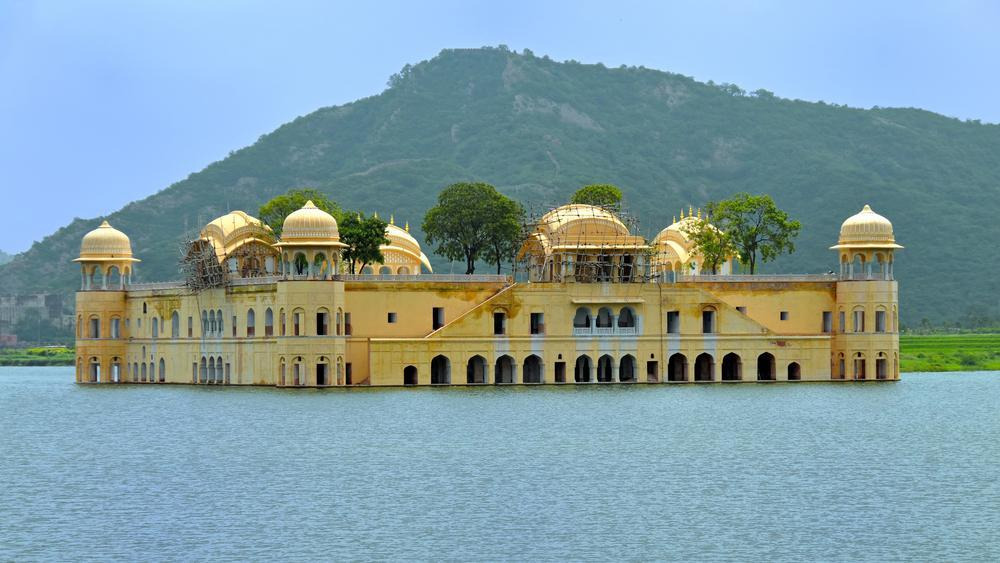
Jal Mahal, or Water Palace, is an 18th-century palace built in the middle of Man Sagar Lake, showcasing a blend of Rajput and Mughal architectural styles. The structure, made of red sandstone, appears to float on the water, with four of its five stories submerged during the monsoon season, offering a unique spectacle against the backdrop of the Aravalli hills. Plan a visit during early morning or late afternoon for softer light and insightful views from the surrounding battlements. Nearby attractions include the Amber Fort and the sprawling gardens of the Jal Mahal entrance, though swimming or boating is not permitted in the lake.
- 4.9· 38,309 reviews2029 tours include this
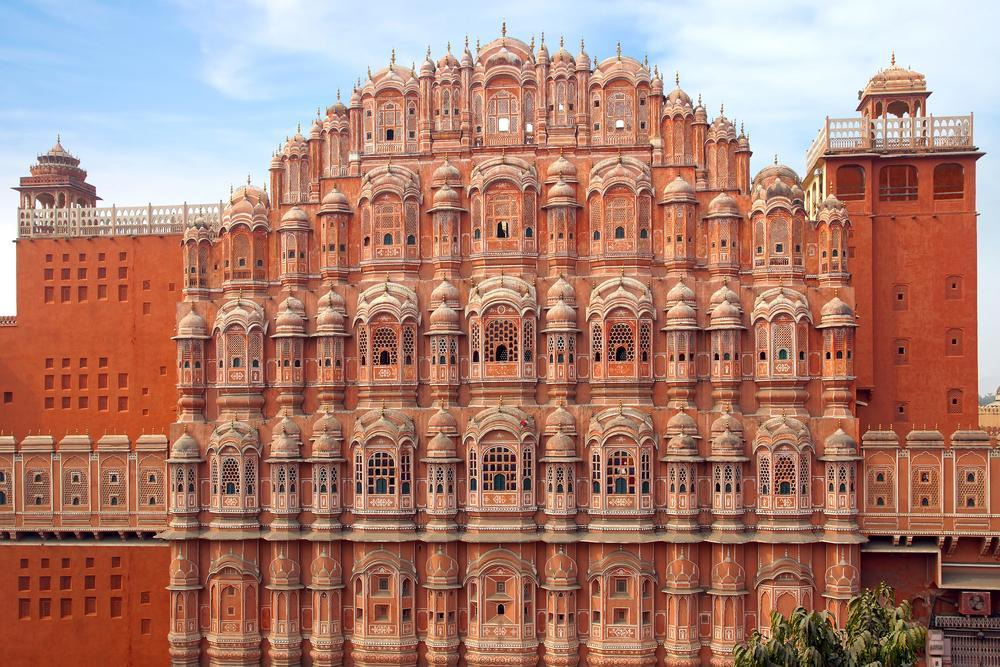
The Palace of Wind, or Hawa Mahal, is an 18th-century façade made of pink sandstone, designed by Maharaja Sawai Jai Singh II. Its distinctive honeycomb-like structure features 953 small windows known as jharokhas, which allowed royal ladies to observe street life while remaining unseen, exemplifying the blend of Rajput and Mughal architecture. Visiting early in the morning offers the best light for photographs of this intricate building. The nearby Jantar Mantar observatory and City Palace are easily walkable. Take a moment to watch the play of light and shadows on its façade as the sun rises higher in the sky.
- 4.9· 35,660 reviews1868 tours include this
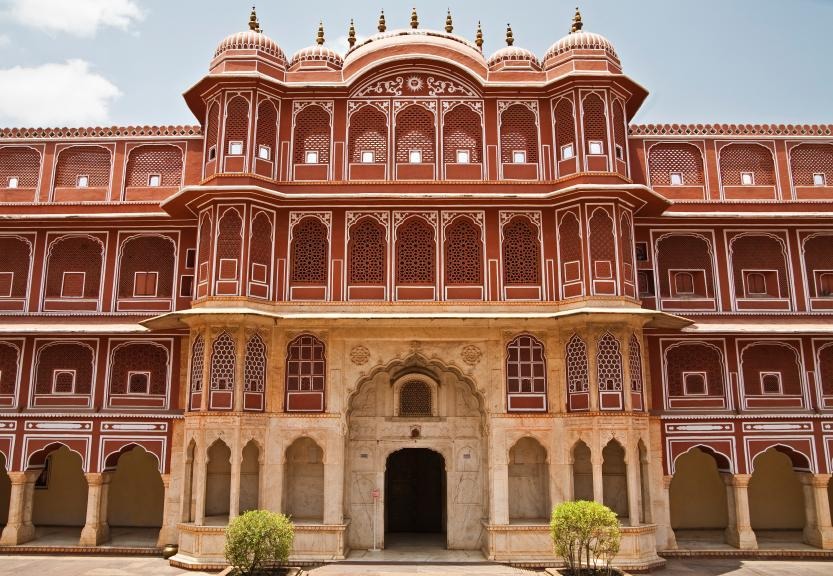
City Palace is a sprawling complex in the heart of Jaipur, initially constructed in the early 18th century by Maharaja Sawai Jai Singh II. This blend of Mughal and Rajput architectural styles showcases courtyards, gardens, and opulent museums, where visitors can admire textiles, weaponry, and the royal collection of artifacts. An hour or two is ideal for exploration, with the best time being early morning to avoid crowds. Don't miss the nearby Jantar Mantar, an astronomical observatory, just a short walk away. The intricate details of the palace blend seamlessly with the vivid pink facades that define the city.
- 4.9· 31,002 reviews1541 tours include this
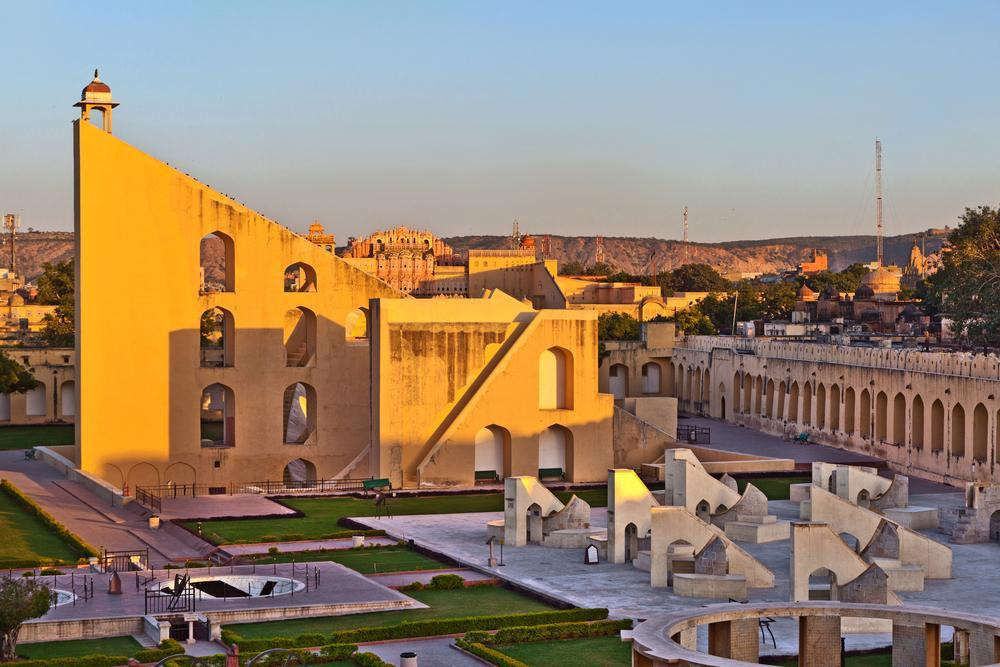
Jantar Mantar is an astronomical observatory built in the 18th century by Maharaja Sawai Jai Singh II, showcasing an array of 19 large instruments crafted from stone and brass. The highlight is the Samrat Yantra, a giant sundial that can measure time to the nearest second, symbolizing the royal commitment to science. Set aside an hour to explore the intricate instruments and understand their functions, which reflect advanced concepts in astronomy. Early morning or late afternoon is the best time to visit for a quieter experience, while the nearby City Palace and Hawa Mahal are easily walkable attractions that complement your itinerary.
- 4.9· 35,660 reviews1868 tours include this
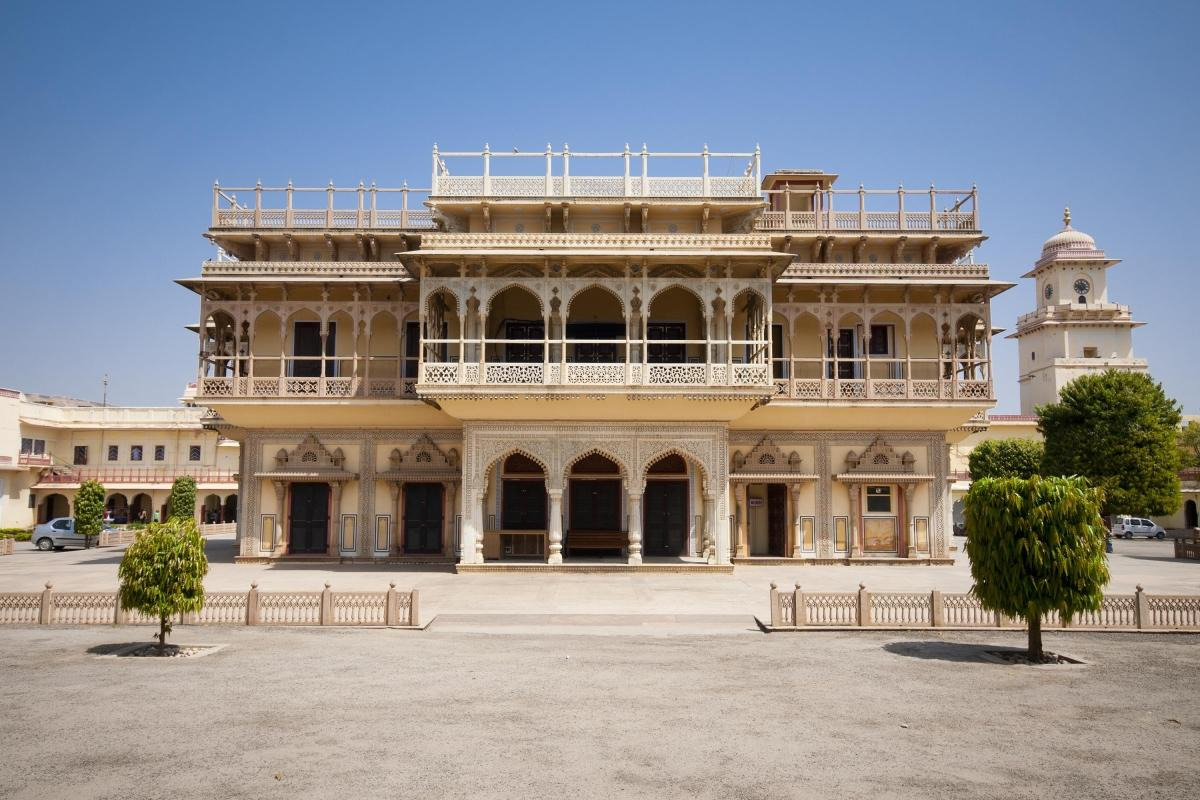
Mubarak Mahal, also known as Welcome Palace, is a striking example of Indo-Saracenic architecture built in the late 19th century as a residence for Maharaja Sawai Ram Singh II. Its ornate façades exhibit a blend of Mughal and Rajput styles, highlighted by intricate jali work and vibrant tile patterns that capture the essence of Jaipur's artistry. Visiting the Mahal, you can explore its museum housing textiles and royal memorabilia, providing insights into Rajasthan's rich heritage. Early morning or late afternoon visits are ideal to avoid crowds. It sits adjacent to the City Palace, making it easy to include in a single trip through the historic heart of Jaipur.
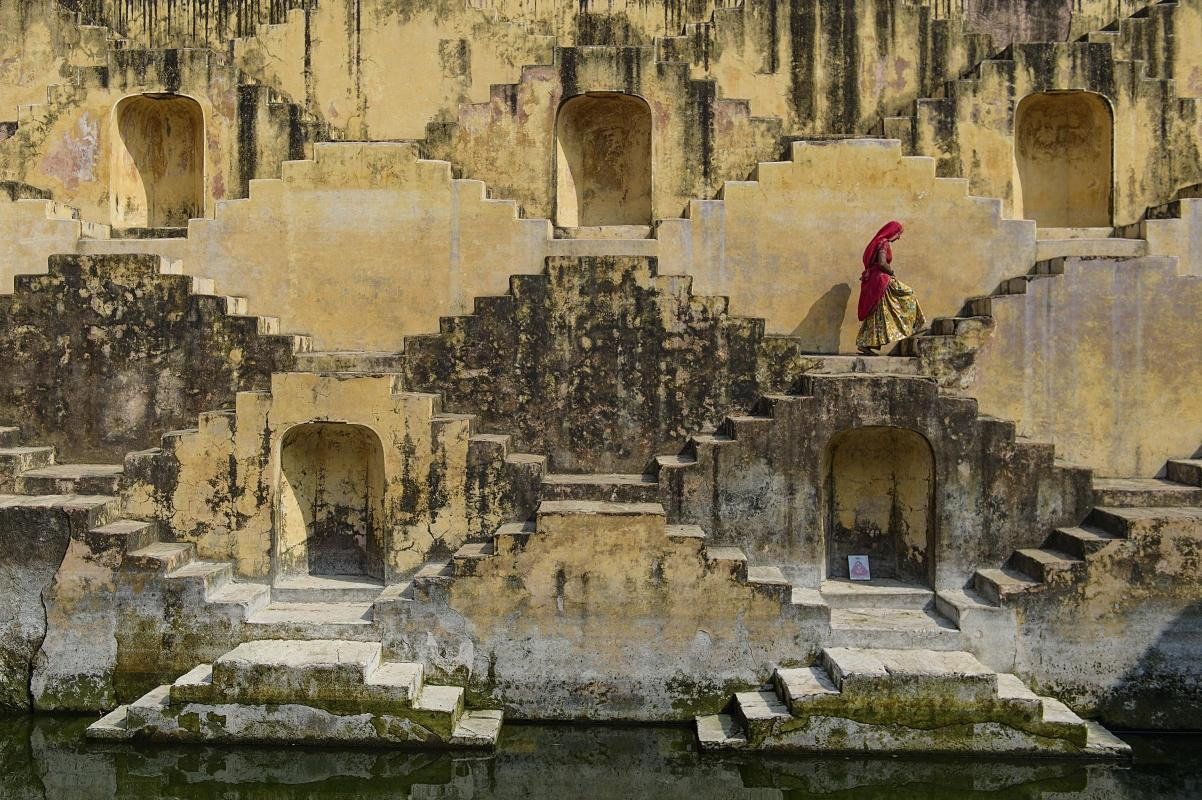
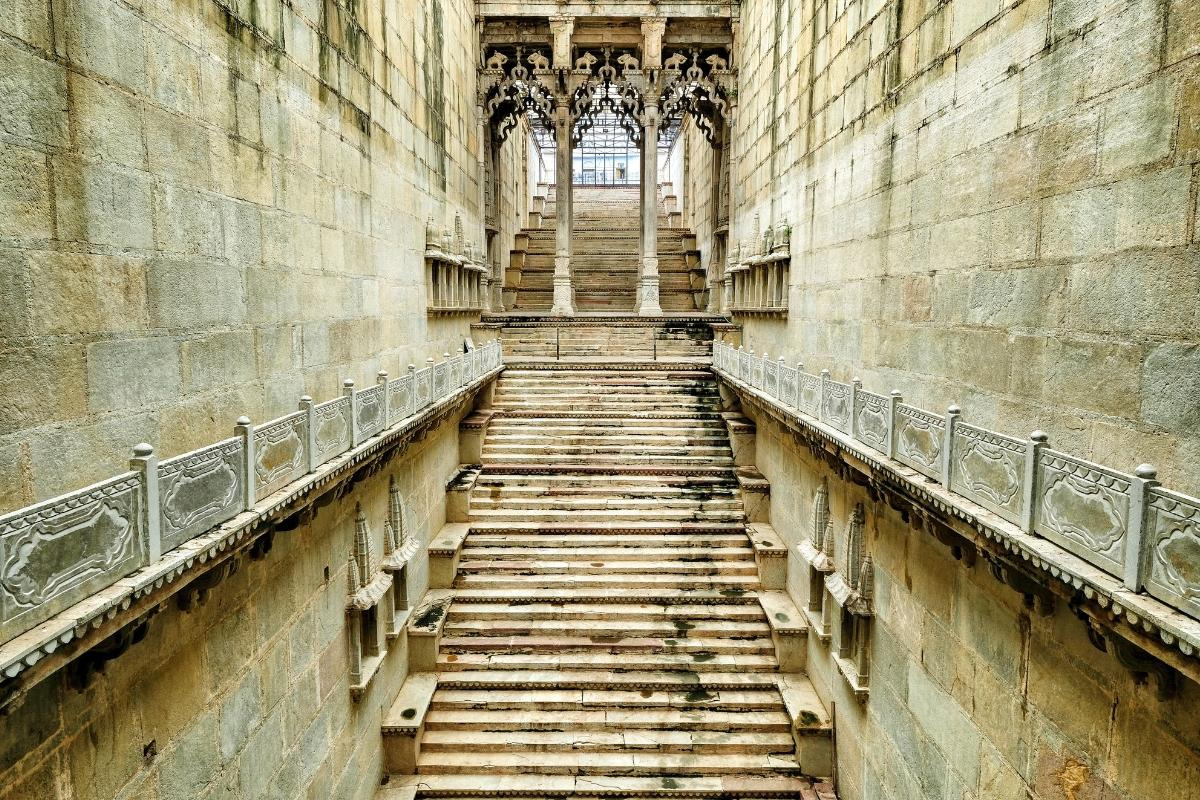
Chand Baori is an ancient stepwell located in the village of Abhaneri, about 95 kilometres from Jaipur, known for its impressive depth and intricate architecture. Built during the 9th century by the rulers of the Gupta Empire, the well features thousands of symmetrical steps descending to the water below, surrounded by ornate carvings and sculptures. Visiting offers a glimpse into the ingenuity of water management in Rajasthan and the stepwell’s cool air is refreshing after a warm day. Early morning or late afternoon visits are best for softer light and fewer crowds. Nearby, the Harshat Mata Temple adds to the historical context of the area.
- 4.9· 2,919 reviews122 tours include this
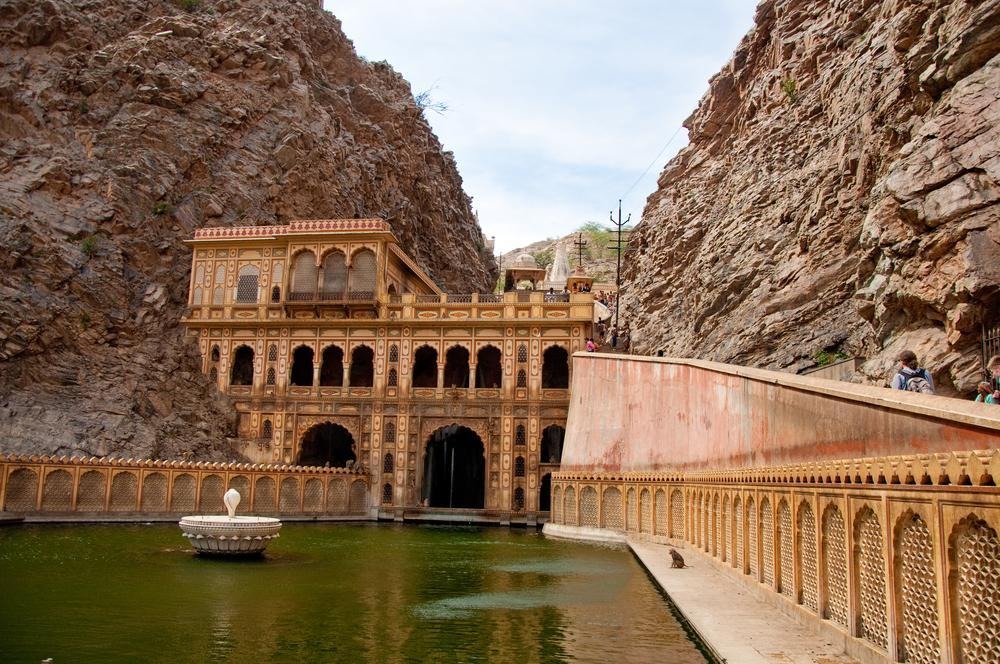
The Temple of the Sun God, often referred to as Galtaji or the Monkey Temple, is a cluster of ancient Hindu temples set amidst the Aravalli hills in Jaipur, built in the 18th century by Diwan Rao Kriparam. Notable for its distinct pink sandstone architecture, the site features a series of holy ponds, stunning pavilions, and numerous resident monkeys that roam the area. Visit during the early morning or late afternoon to experience the tranquil atmosphere and take in the panoramic views of the surrounding hills. Be cautious of the monkeys, as they can be quite bold in their search for food. The temple complex is about 10 kilometers from the city center, making it a peaceful retreat from bustling Jaipur.
- 4.9· 4,709 reviews169 tours include this
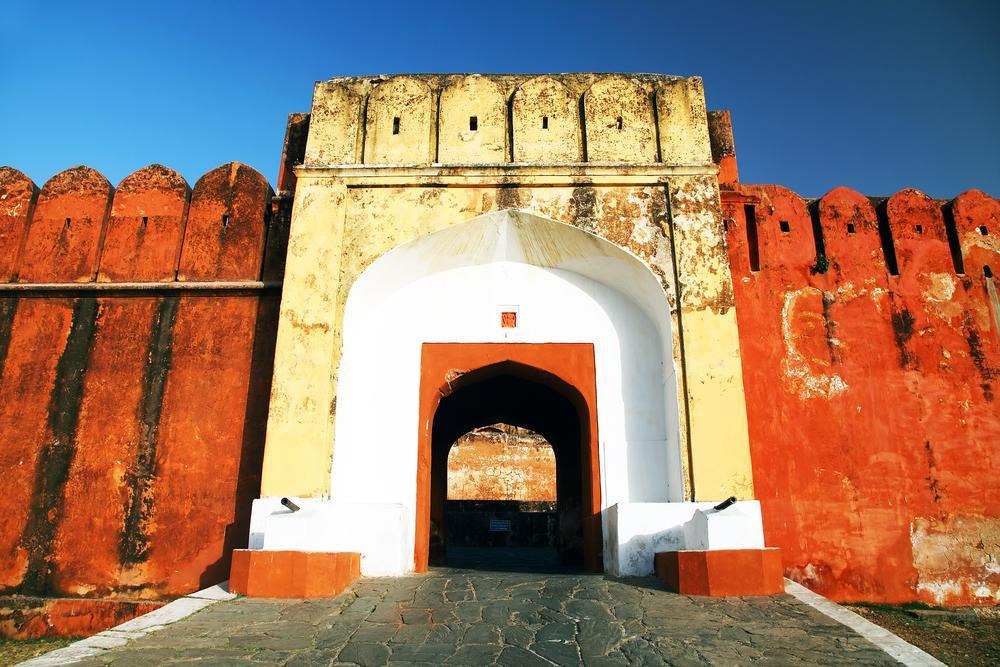
Jaigarh Fort is a formidable 18th-century structure located on the Aravalli hills, 15 kilometres from Jaipur. Built under Maharaja Sawai Jai Singh II, it stretches over 3 kilometres and houses the world’s largest cannon on wheels, the Jaivana, designed for defensive purposes. The fort offers sweeping views of the Amber Fort and Jaipur's sprawling landscape. Visit for its impressive architecture and the well-preserved museum that showcases the fort's history. The cooler months from October to March are ideal for exploration, allowing for comfortable walking along its ramparts. Nearby, the beautiful gardens of the Amber Fort add another layer to your experience.
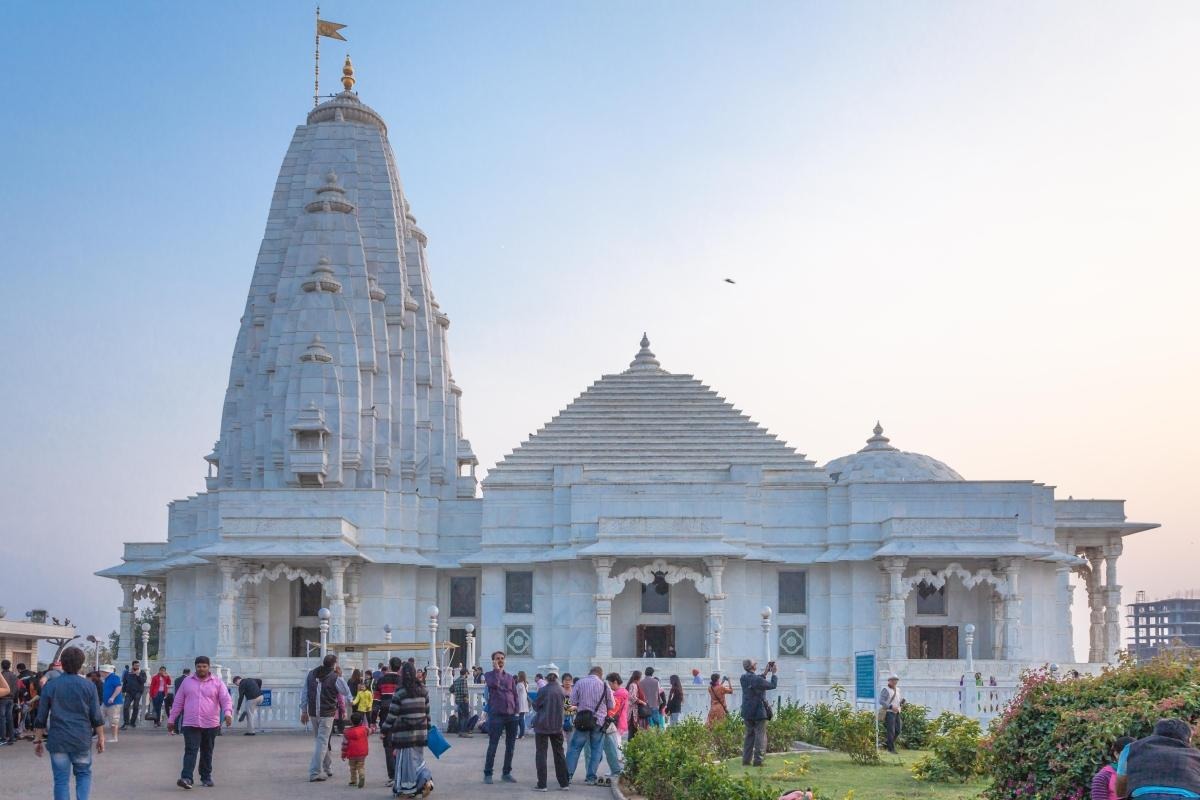
Lakshminarayan Temple, also known as Birla Mandir, is a white marble shrine dedicated to Lakshmi and Narayan, completed in 1988 by the Birla family. The temple showcases intricately carved exteriors and a tranquil interior featuring an imposing statue of the deities, set against a backdrop of the Aravalli hills. Plan for an hour to admire the architecture and serene surroundings, ideally visiting in the morning or late afternoon to avoid crowds. The temple is situated near the Moti Dungri Fort, and the nearby Ganesh Temple offers a further opportunity for exploration within a short walk.
- 4.9· 1,691 reviews154 tours include this
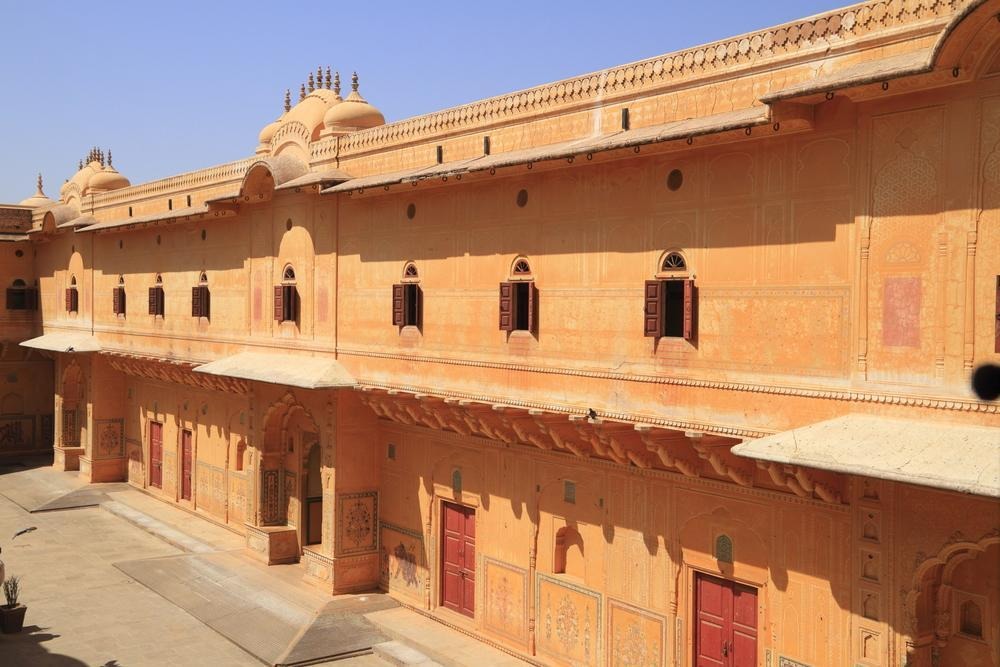
Nahargarh Fort is a 17th-century hill fort overlooking Jaipur, built by Maharaja Sawai Jai Singh II as a retreat and defense against potential invasions. The fort’s sturdy walls and charming architecture, combined with panoramic views of the Pink City, offer a glimpse into the royal heritage of Rajasthan. Visiting the fort is best in the early morning or late afternoon for cooler temperatures and lovely light. The trek up is rewarding, but it's a steady climb. Nearby, the more prominent Amer Fort and Jaigarh Fort are worth exploring if you have extra time to delve deeper into Jaipur's history.
- 4.9· 7,889 reviews340 tours include this
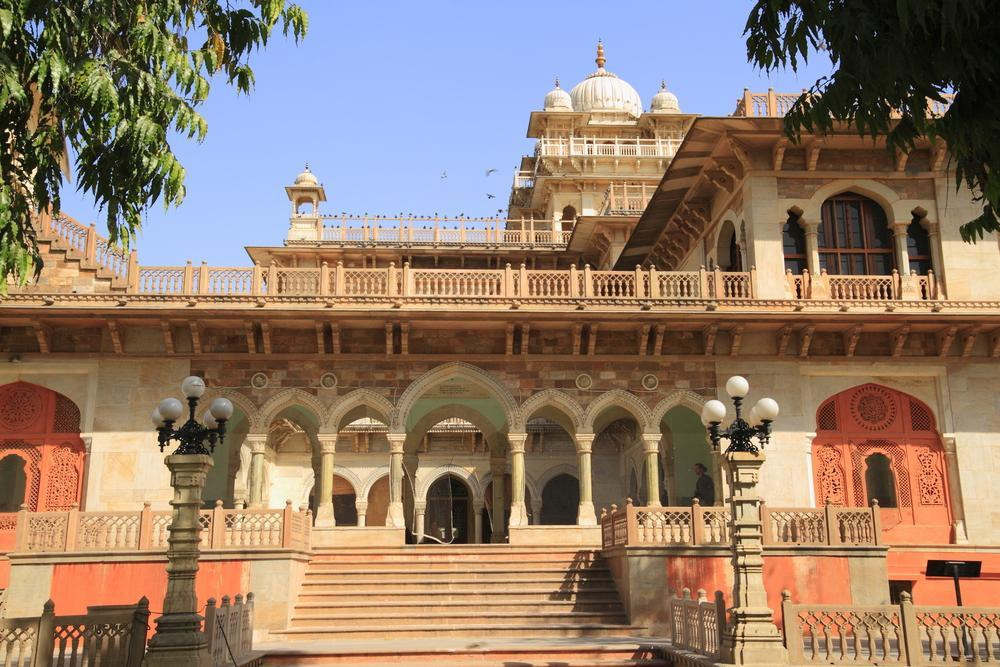
The Albert Hall Museum, also known as the Government Central Museum, is the oldest museum in Rajasthan, established in the late 19th century and built in Indo-Saracenic style. The structure, with its intricate latticework and domed roof, houses a diverse collection, including textiles, paintings, and artefacts that offer insight into the region's rich heritage. Plan to spend at least an hour immersed in the displays, particularly the stunning Persian carpet and the well-preserved bird gallery. Mornings are ideal for quieter exploration, and the museum is adjacent to Ram Niwas Garden, which adds a touch of greenery to your visit.
- 5.0· 590 reviews69 tours include this
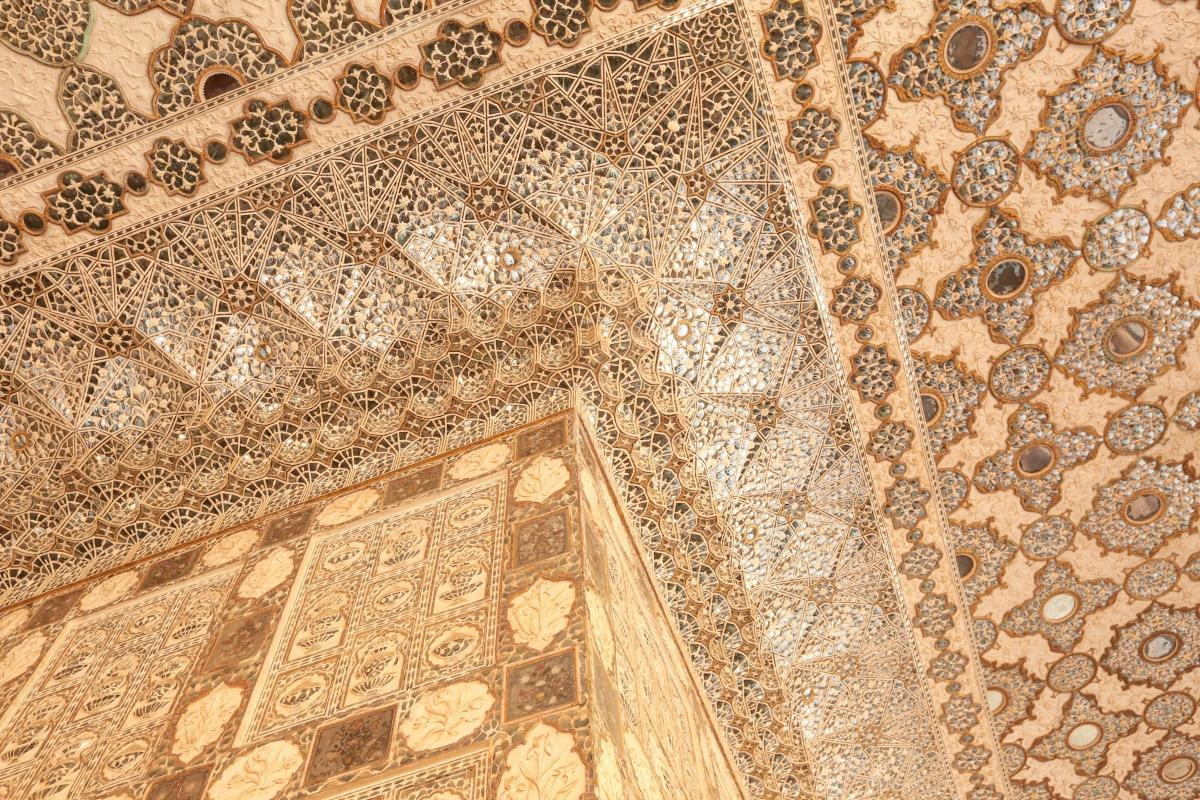
The Hall of Mirrors, or Sheesh Mahal, is an ornate room within the Amber Fort, built in the late 16th century for the royal family. Its walls are adorned with countless mirrors and intricate mirror work, allowing the soft light to reflect and create a dazzling visual display, particularly stunning during the day. Visiting the Sheesh Mahal offers insight into the opulence of Rajputana architecture and the artistic craftsmanship of the era. Best experienced early in the day to avoid crowds, the fort itself also provides breathtaking views of the Aravalli hills and the surrounding landscape, making the climb worthwhile.
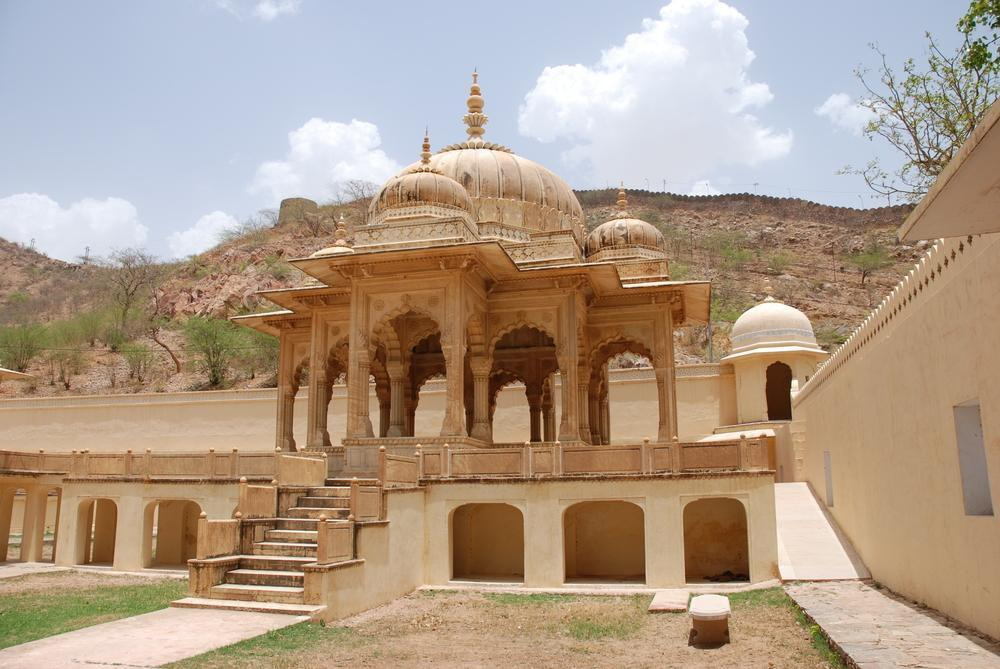
Royal Gaitor is an elegant collection of cenotaphs located in a peaceful area just outside Jaipur, built in the 18th and 19th centuries to honour the royal family of the Kachhwaha dynasty. The intricately carved white marble structures are surrounded by lush gardens and provide a serene contrast to the city's bustling streets. Visiting this site typically requires about an hour; it’s best experienced in the cooler morning hours. Nearby, the Nahargarh Fort offers sweeping views of Jaipur, making for an easy combination of sightseeing. Take note of the detailed artistry on the cenotaphs, particularly those honouring Maharaja Sawai Jai Singh II.
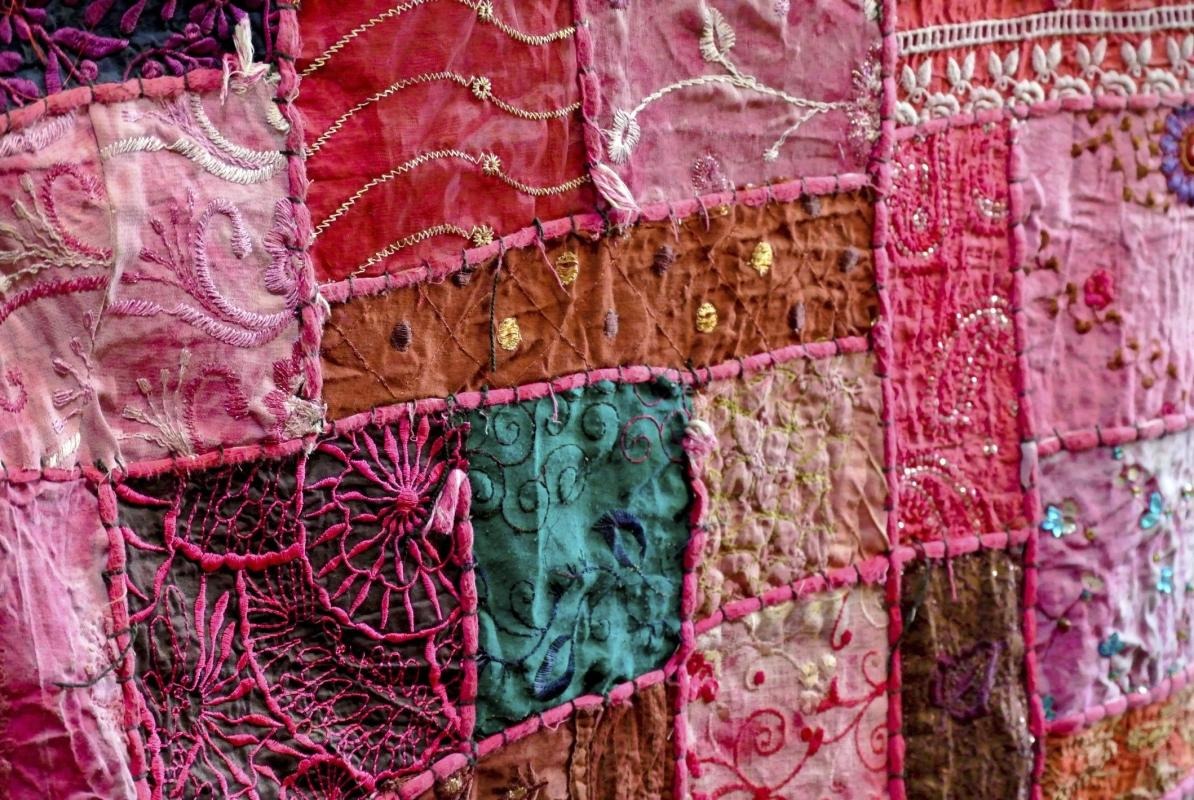
Bapu Bazaar is a bustling market along the main road in Jaipur, known for its vibrant array of textiles, handicrafts, and traditional Rajasthani goods. Established in the mid-20th century, it serves both locals and tourists, with shops displaying everything from hand-painted pottery to tie-dye fabrics and block-printed garments. Visit in the early morning or late afternoon to avoid the heat and enjoy a more relaxed shopping experience. Nearby, you can explore the historic Pink City, with its stunning palaces and forts, providing a seamless blend of culture and commerce. The rich colours and lively atmosphere make it a sensory delight.
- 5.0· 601 reviews17 tours include this
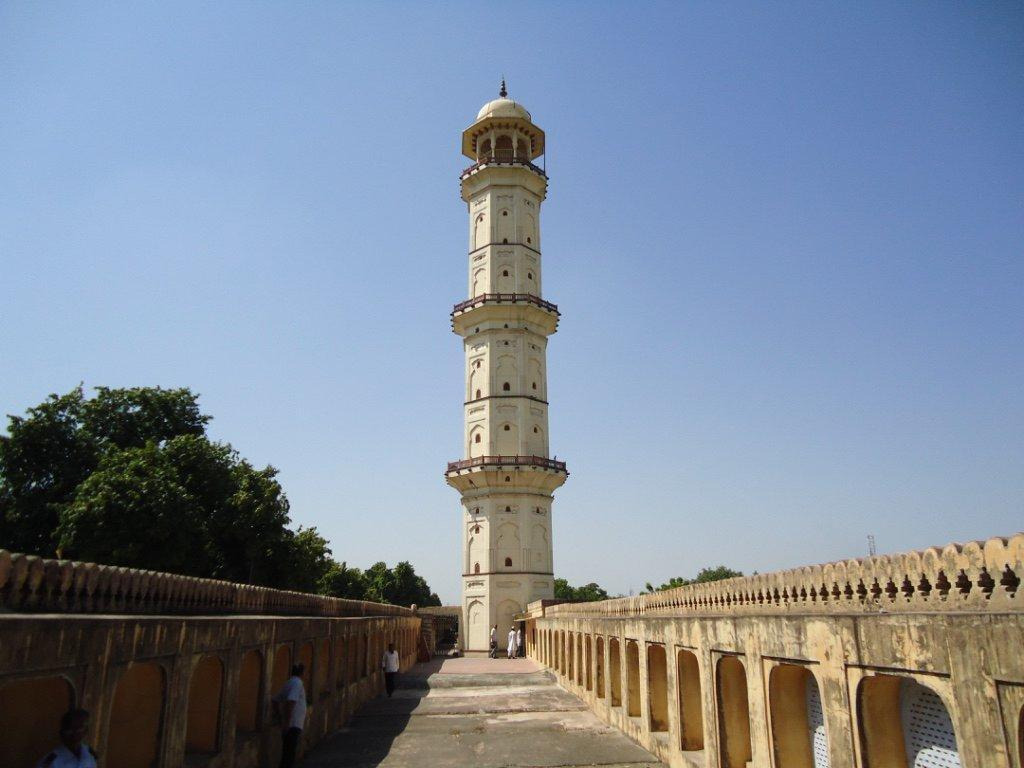
Swargasuli Tower, also known as Isar Lat, is a 30-metre-high minaret built in the early 18th century by the Maharaja of Jaipur, Sawai Jai Singh II. Designed in the Indo-Saracenic style, the tower is an iconic component of the Jaipur skyline, adorned with intricate carvings and standing tall amidst the busy streets of the city. A climb of its narrow, spiral staircase rewards visitors with panoramic views of Jaipur, particularly enchanting during sunrise or sunset. Adjacent attractions include the nearby Jantar Mantar and the City Palace, both of which enrich the experience of Jaipur’s rich cultural tapestry. The area can feel crowded; visiting in the early morning may offer more solitude.
- 5.0· 1 reviews4 tours include this
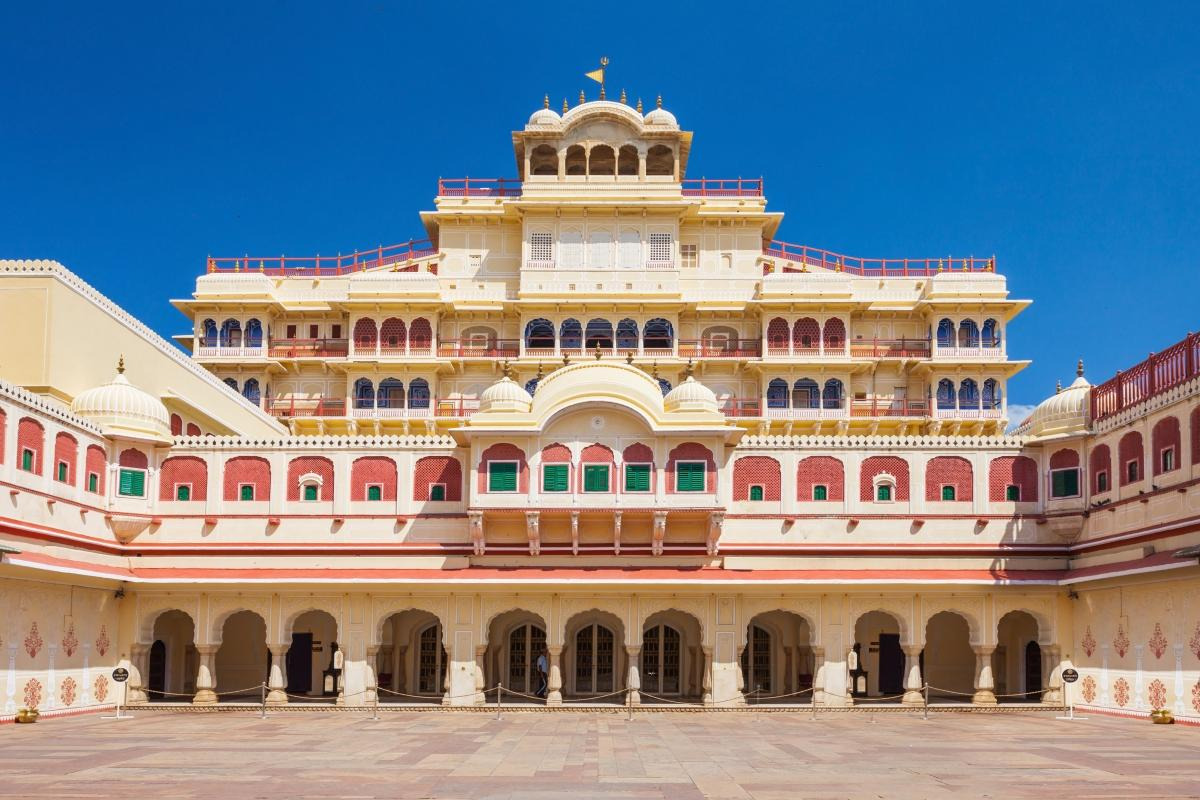
Chandra Mahal is the royal residence within the City Palace complex in Jaipur, built in a blend of Mughal and Rajput architectural styles during the 18th century. Its intricately decorated interiors and lush gardens showcase the splendor of Rajasthan's royal heritage, with striking courtyards and the iconic Peacock Gate drawing immediate attention. Allocate time to explore its lavish rooms, including the museum housing royal artifacts. Visiting in the cooler months is preferable for a comfortable experience. The nearby Jantar Mantar observatory and Hawa Mahal add further depth to the historical context of the area, making it a fitting stop on your itinerary.
- 4.9· 38 reviews15 tours include this
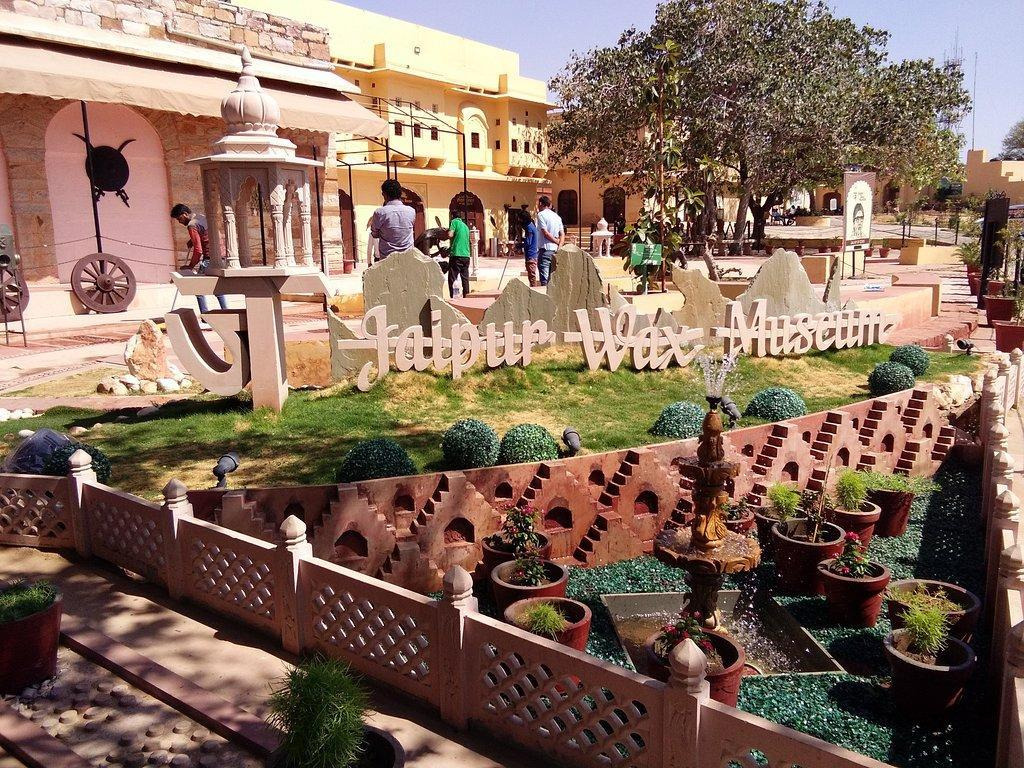
The Jaipur Wax Museum is home to an impressive collection of life-sized wax figures depicting a range of historical and contemporary personalities, from Indian legends to global icons. Located within the Nahargarh Fort, the museum combines artistry with storytelling, offering visitors a closer look at the figures crafted from high-quality materials. Expect to spend about an hour here, ample time to appreciate the artistry and take photos. The museum is easily accessible from the city and pairs well with a visit to the fort itself, which provides panoramic views of Jaipur. The synthetic lighting enhances the experience, making it ideal to visit later in the day.
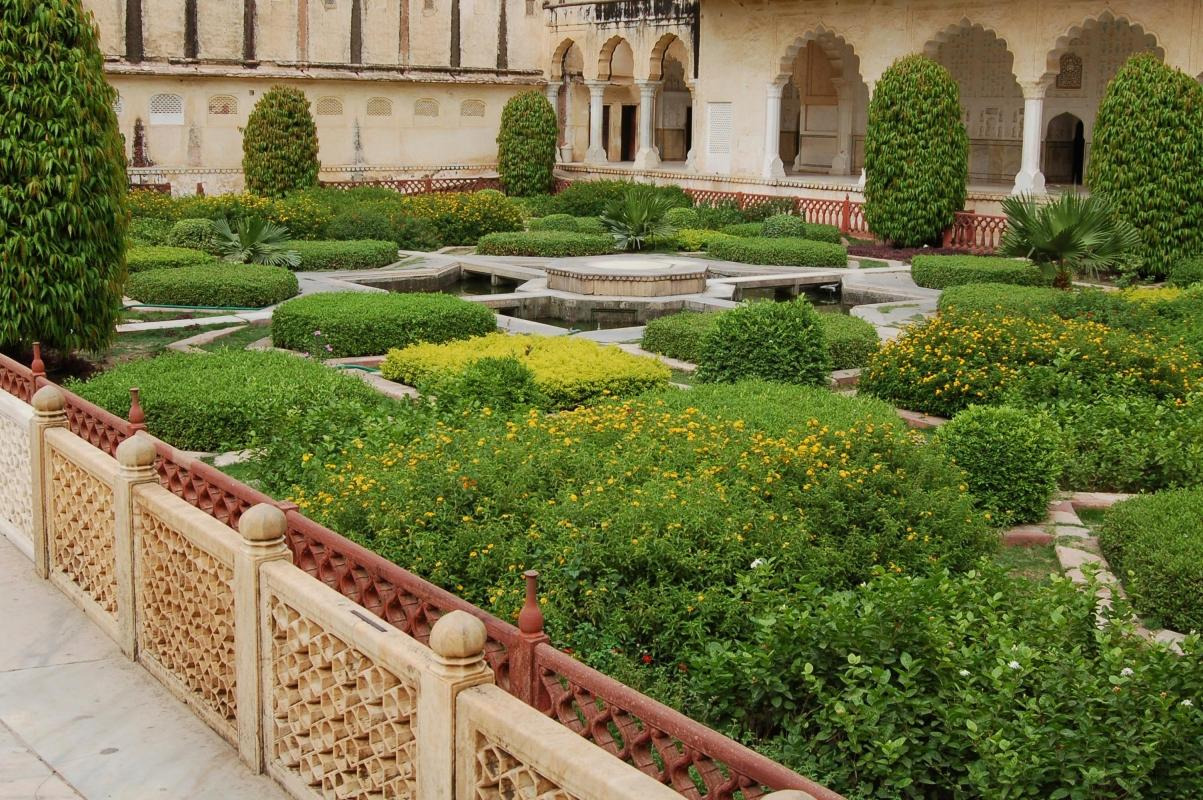
Ram Niwas Garden is a sprawling 33-acre oasis established in 1868 by Maharaja Sawai Jai Singh II, designed as a retreat from the heat of Jaipur. The garden features a mix of lush lawns, vibrant flowerbeds, and a variety of trees, alongside historical buildings like the Albert Hall Museum, which houses an impressive collection of artifacts. Plan about an hour for a stroll among the pathways and enjoy the tranquillity amidst the urban hustle. Best visited in the early morning or late afternoon, when the temperatures are more bearable. The expansive grounds make it easy to lose track of time while observing local families enjoying picnics.
- 5.0· 8 reviews13 tours include this
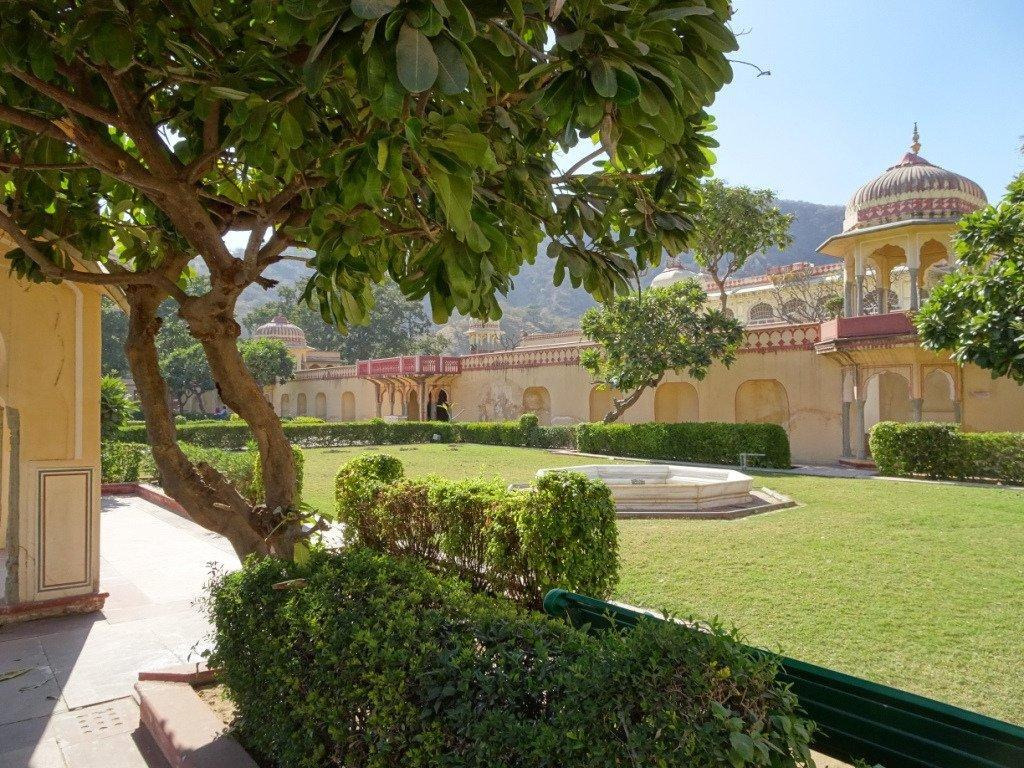
Sisodia Rani Palace and Garden is an 18th-century royal retreat built by Maharaja Sawai Jai Singh II for his second wife, Sisodia Rani. The palace features a blend of Mughal and Rajput architectural styles, surrounded by terraced gardens adorned with fountains, pavilions, and vibrant floral patterns that reflect the artistry of the era. Plan to spend an hour exploring the gardens and the murals inside the palace, particularly in early morning or late afternoon to enjoy the softer light. It is located about 10 kilometres from the city centre, making it a serene escape from the bustle of Jaipur while offering views of the surrounding hills.
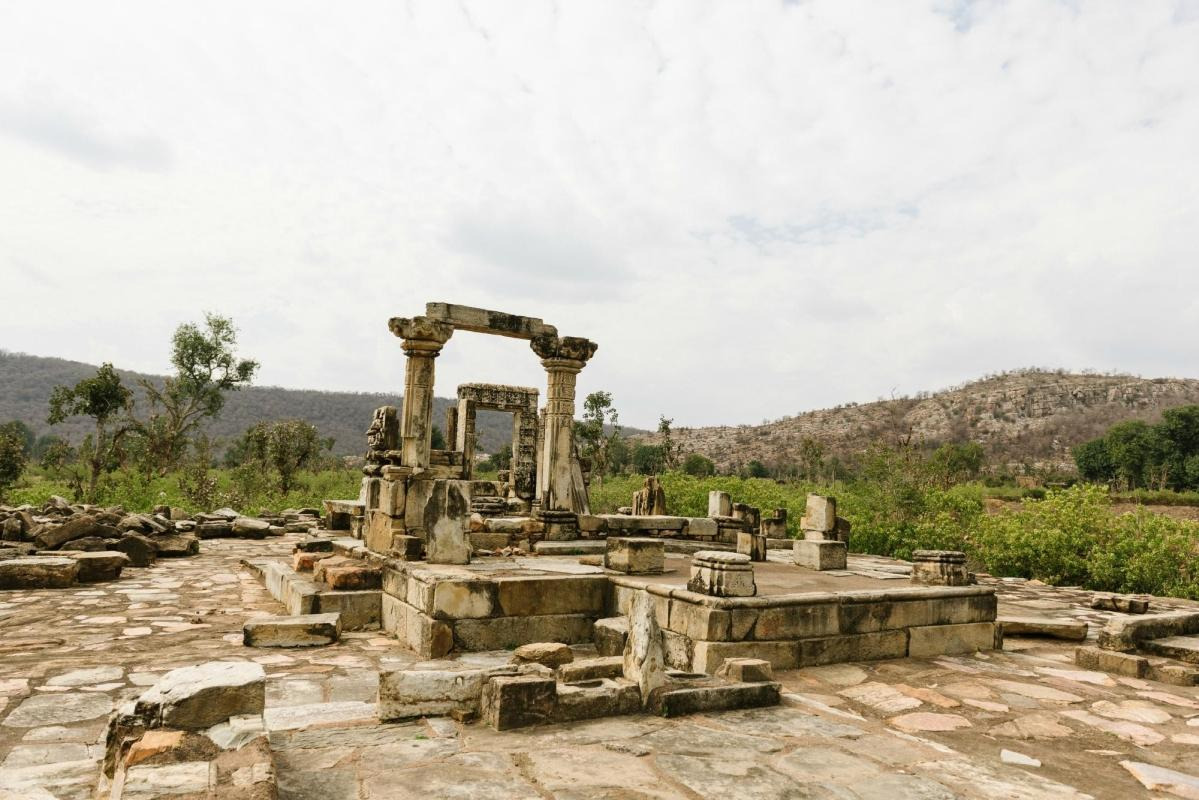
Rusirani Village is an artisan hub known for its traditional handicrafts, located just outside Jaipur. The village is characterized by its intricate designs and colorful textiles, with local artisans skilled in pottery, block printing, and leatherwork, reflecting a centuries-old craft heritage that embodies Rajasthan's rich cultural milieu. Plan to spend a few hours exploring the workshops and interacting with artisans, particularly during the cooler months from October to March. The nearby Elefantastic Park also offers a chance to engage with the region’s wildlife culture, creating a picturesque day out in the serene countryside.
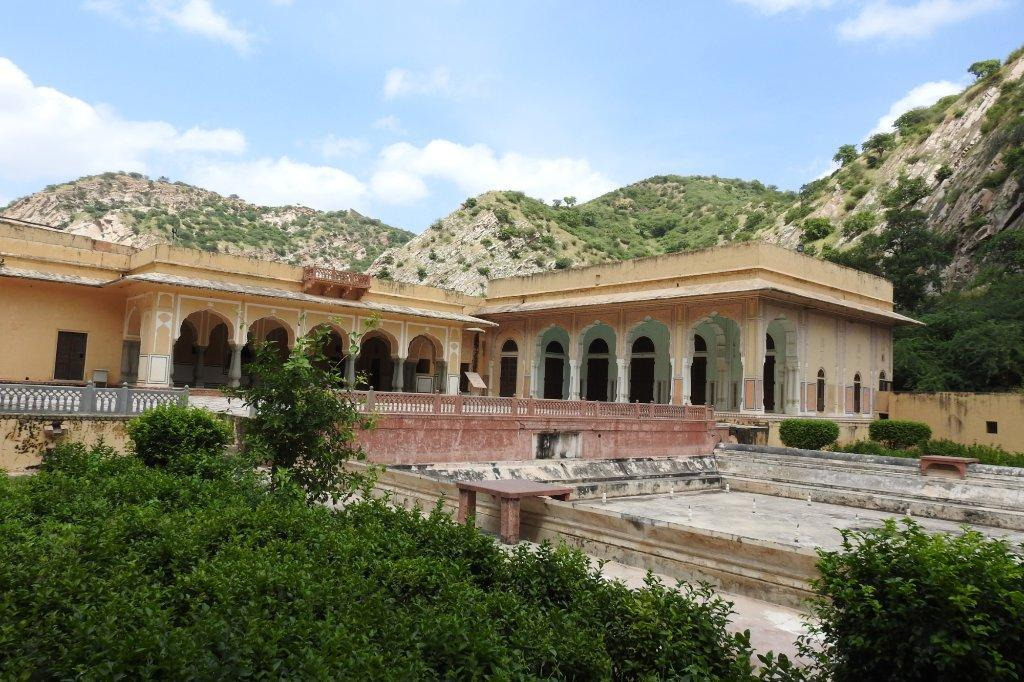
Vidyadhar Garden is a meticulously designed 18th-century garden that reflects the vision of Vidyadhar Bhattacharya, the architect of Jaipur. Set against the backdrop of the Aravalli hills, it features a series of terraces, fountains, and intricate chhatris, with pathways lined by flowering plants and trees that create a lush retreat within the bustling city. The best time to visit is during the cooler months, when the garden comes alive with blossoms and bird songs. You can also explore nearby attractions like the Amber Fort and the Jaigarh Fort, both of which offer a glimpse into the region's royal history. The tranquility here contrasts sharply with the city's more famous attractions.
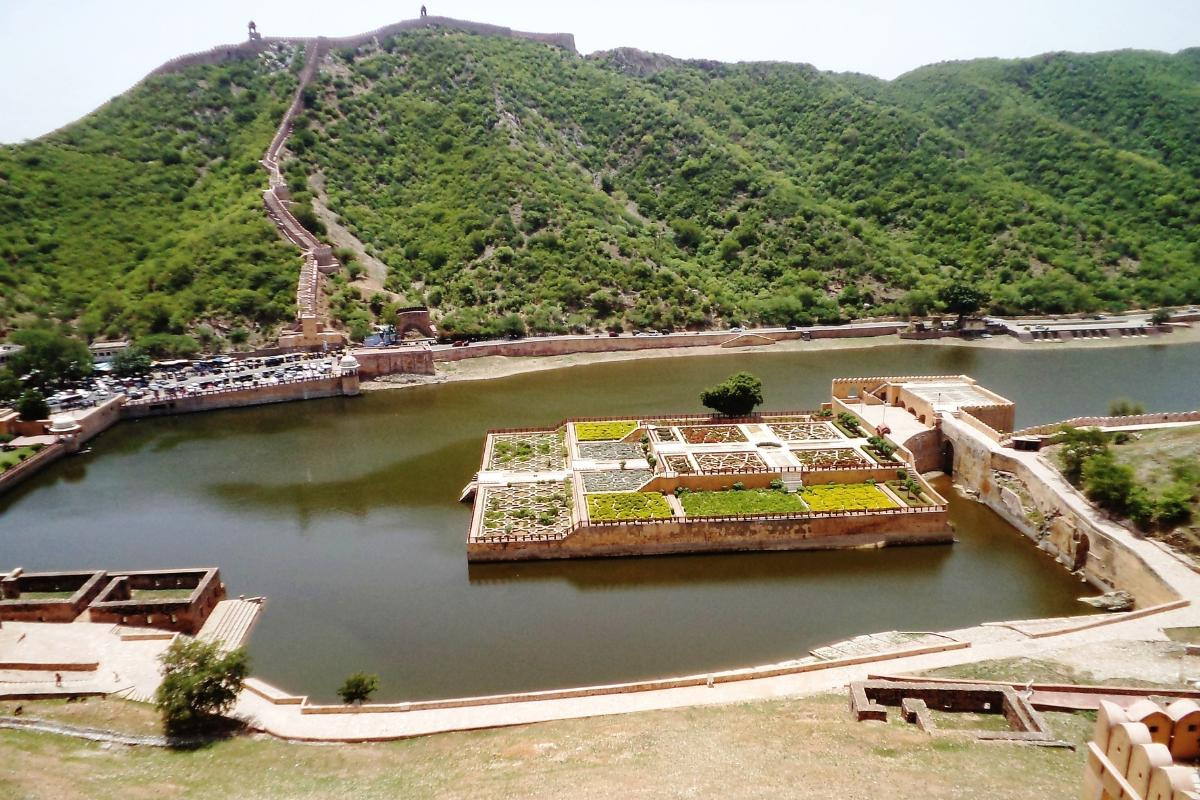
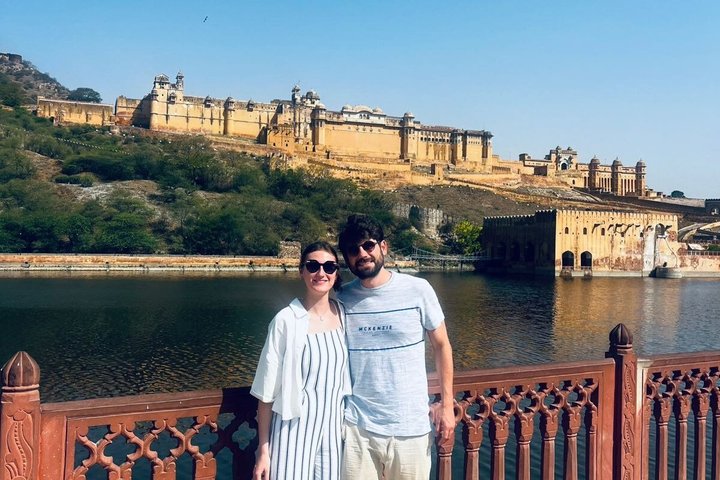
Maota Lake is the picturesque man-made lake situated at the foothills of the Amber Fort, designed in the 16th century by Raja Man Singh I. It serves as the primary water source for the fort and is surrounded by lush greenery and marble steps, providing a serene backdrop that complements the majestic fort above. Visiting early in the morning or late afternoon allows for peaceful moments near the water, enhancing the views of Amber Fort reflecting on the lake's surface. The surrounding area leads to the bustling streets of Amber village, where local crafts and cuisine await exploration, creating a well-rounded experience.
Best activities to do in Jaipur
Explore all (48) →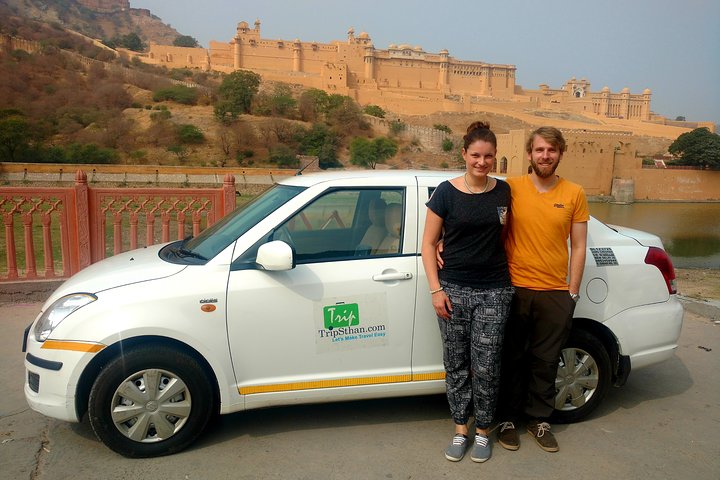
Full-day private tour of Jaipur by car
 15 hours
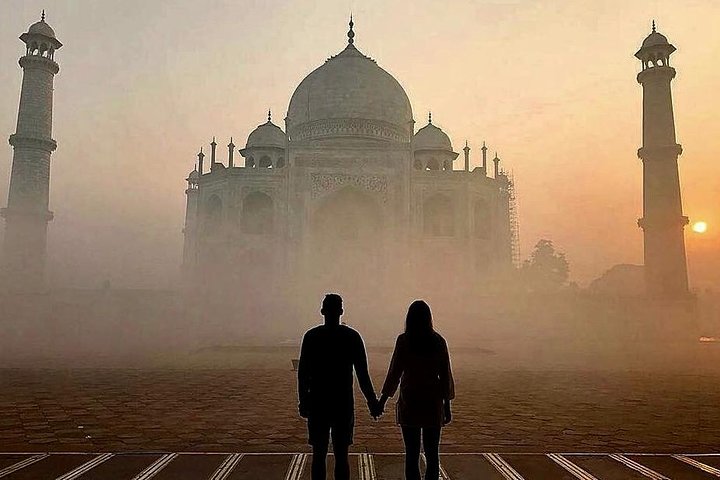
Taj Mahal sunrise tour from Jaipur
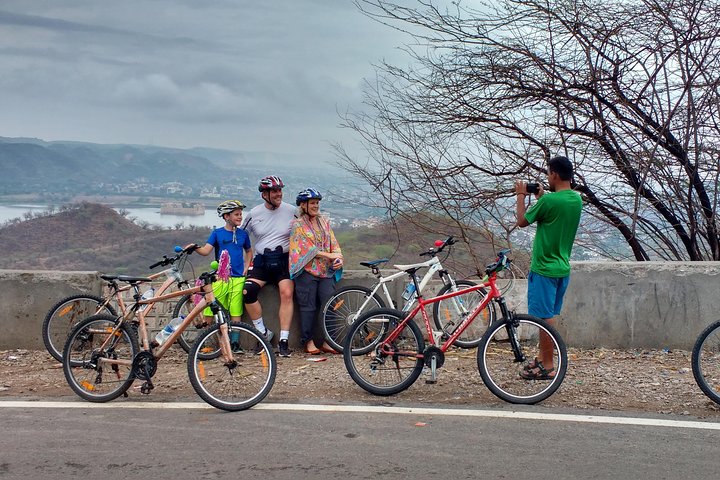
Cycling tour to Nahargarh Fort in Jaipur
 8 hours
Full-day Jaipur sightseeing tour with a female guide
 3 hours
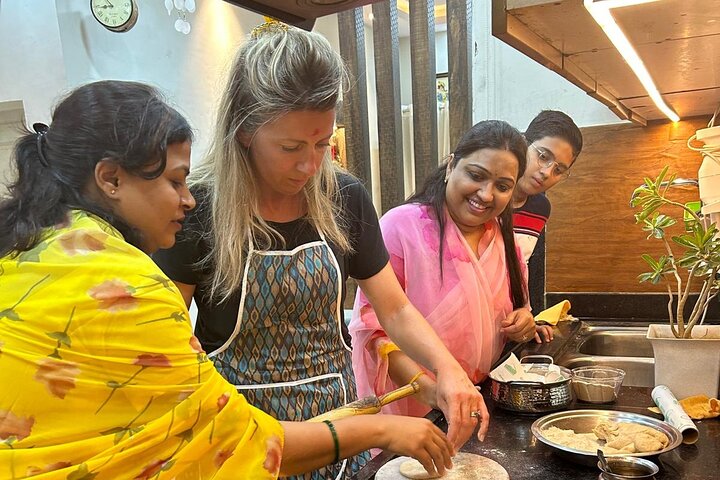
Traditional North Indian cooking class with a local family in Jaipur
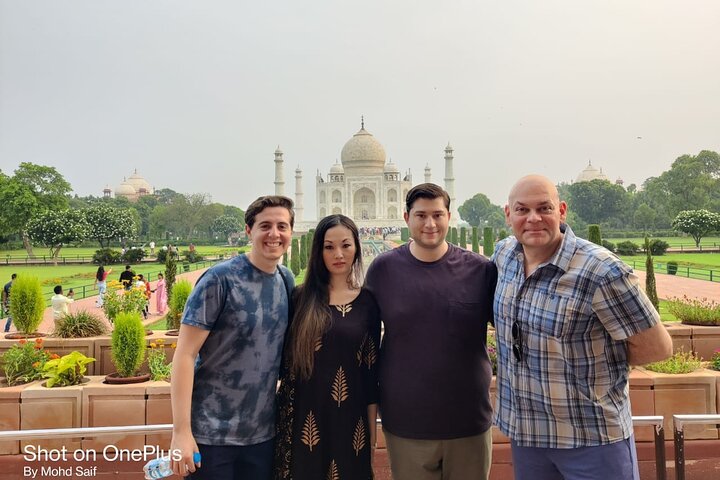
Sunrise Taj Mahal day trip from Jaipur with Agra Fort
 9 hours
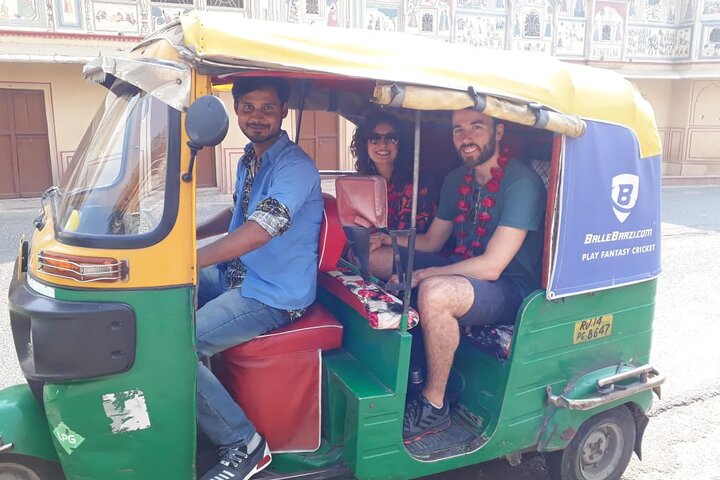
Full-day tuk-tuk tour of Jaipur with hotel pickup
 8 hours
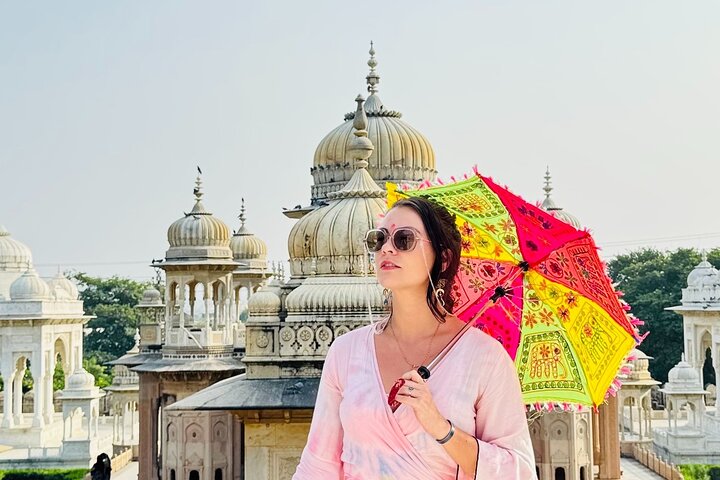
Private guided tour of Jaipur's top attractions
Luxury & private in Jaipur
See all 32 →Full-day private tour of Jaipur by car
15 hoursTaj Mahal sunrise tour from Jaipur
9 hoursFull-day tuk-tuk tour of Jaipur with hotel pickup
8 hoursPrivate guided tour of Jaipur's top attractions
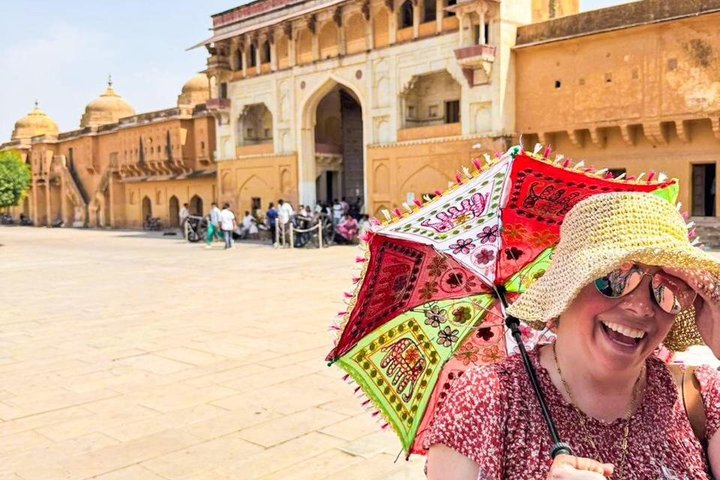
Private city tour of Jaipur with Amber Fort and Hawa Mahal
 5 hours
Half-day private car tour of Jaipur's major monuments
Cultural & heritage in Jaipur
See all 22 →Full-day private tour of Jaipur by car
15 hoursTaj Mahal sunrise tour from Jaipur
3 hoursTraditional North Indian cooking class with a local family in Jaipur
9 hoursFull-day tuk-tuk tour of Jaipur with hotel pickup
8 hoursPrivate guided tour of Jaipur's top attractions