- 4.2· 24 reviews34 tours include this
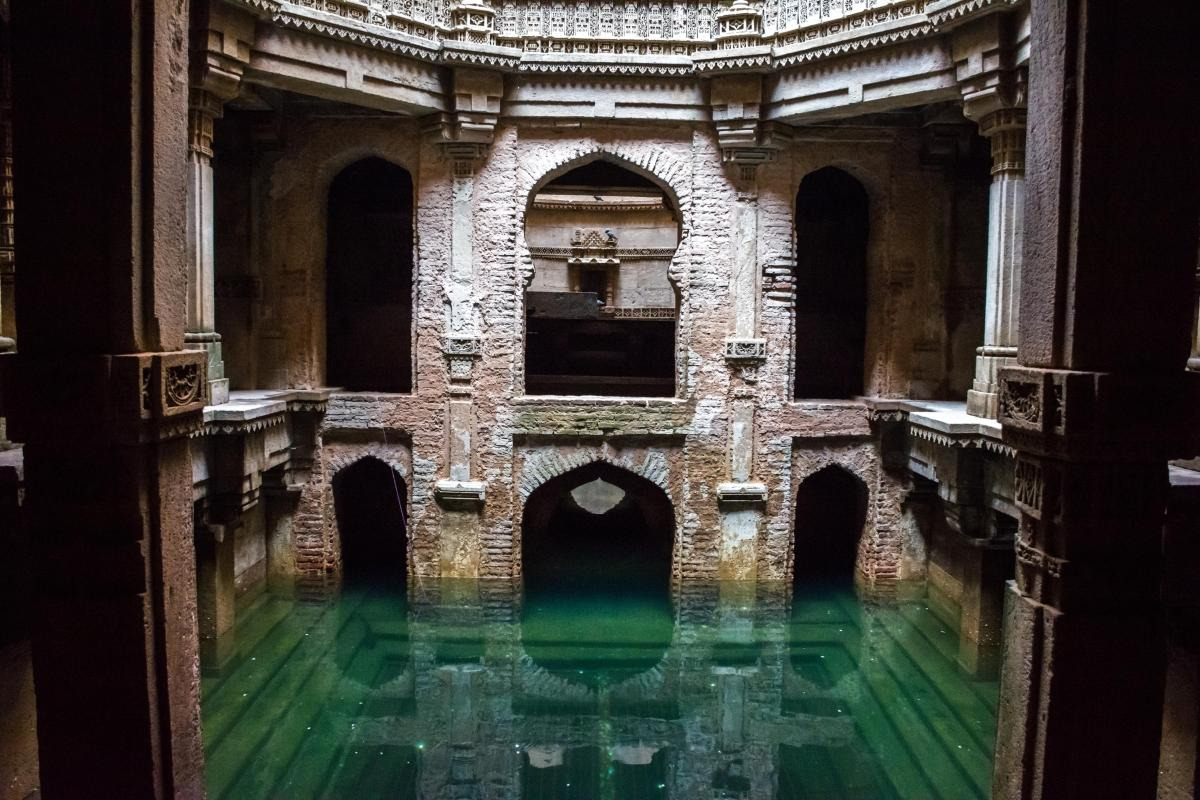
Adalaj Stepwell, also known as Adalaj ni Vav, is a five-storey, intricately carved stepwell dating back to the medieval period, built in red sandstone. Commissioned by Rudabai, the wife of a local chief, this architectural marvel showcases ornate pillars and elegant motifs, designed not just for water storage but as a place for social gatherings. Allocate at least an hour to explore its fascinating carvings and serene environment. The light is most flattering in the late afternoon, adding warmth to the intricate details. It’s a short drive from Ahmedabad, making it a worthwhile detour for those interested in the region's heritage.
- 4.8· 62 reviews34 tours include this
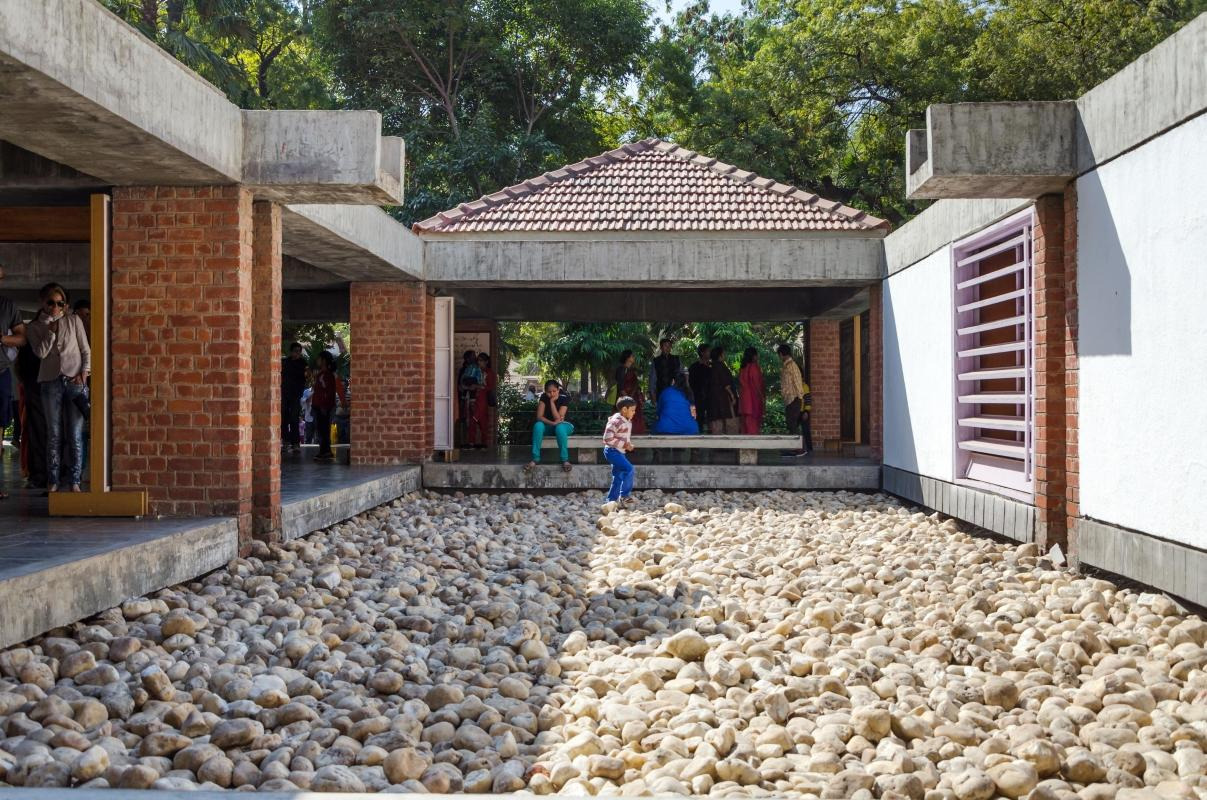
Sabarmati Ashram is the former home of Mahatma Gandhi, established in 1917 along the banks of the Sabarmati River. This serene compound comprises simple cottages and lush gardens, reflecting the ideals of simplicity and self-sufficiency that Gandhi championed. Visitors often notice the spinning wheel, a symbol of India's independence movement, prominently displayed. Plan for at least an hour to explore the museum and Gandhi's personal artifacts. Early mornings are ideal for a quiet stroll through the grounds, while afternoons can be busy with school groups. The ashram is conveniently located near the Sabarmati Riverfront, making it easy to combine with a riverside walk.
- 4.3· 20 reviews17 tours include this
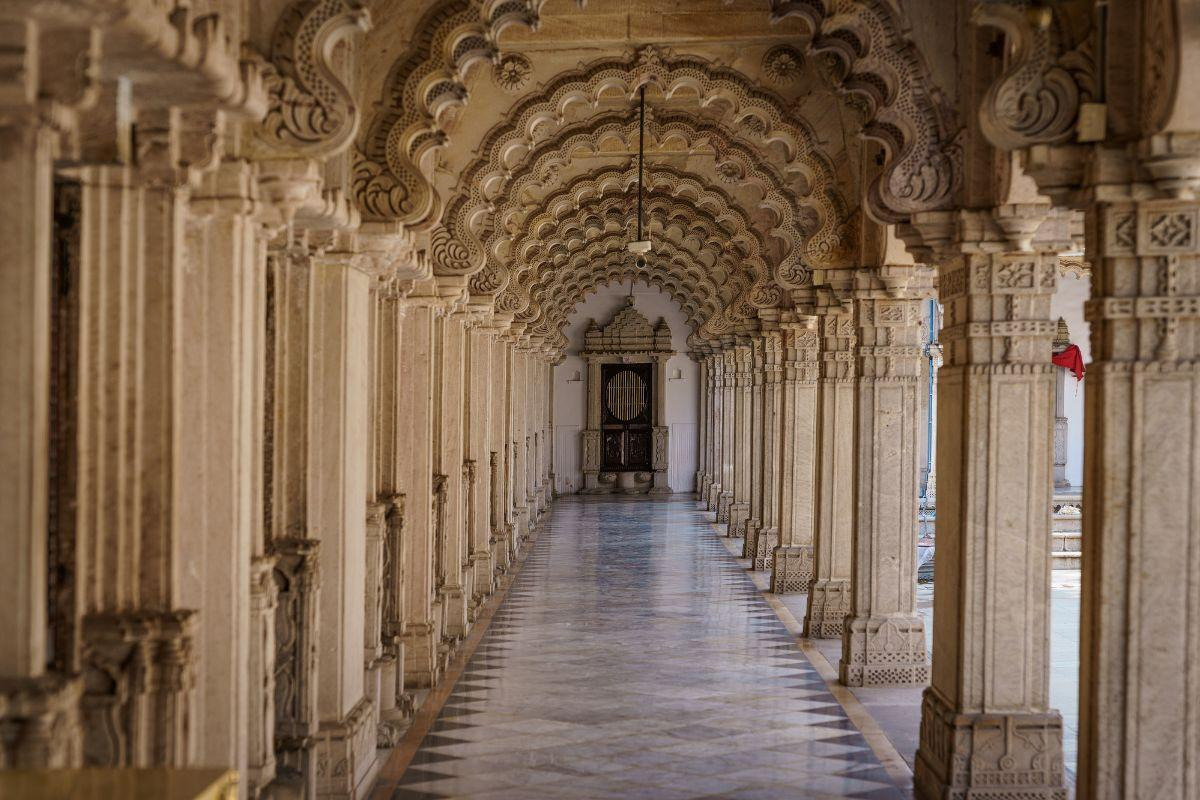
Hutheesing Jain Temple is a striking example of 19th-century Jain architecture, built from intricately carved yellow sandstone in 1848. The temple, dedicated to Dharmanath, features a stunning central shrine adorned with detailed sculptures, elaborate pillars, and beautifully painted ceilings that reflect the craftsmanship of the time. Visiting the temple typically involves a serene atmosphere, making early mornings the best time to explore its interiors. It’s located in the East Ahmedabad area, not far from the bustling markets of the old city, where you can experience the contrast between the temple's tranquility and the vibrant local life. The quiet beauty of the carvings invites reflection.
- 4.6· 18 reviews17 tours include this
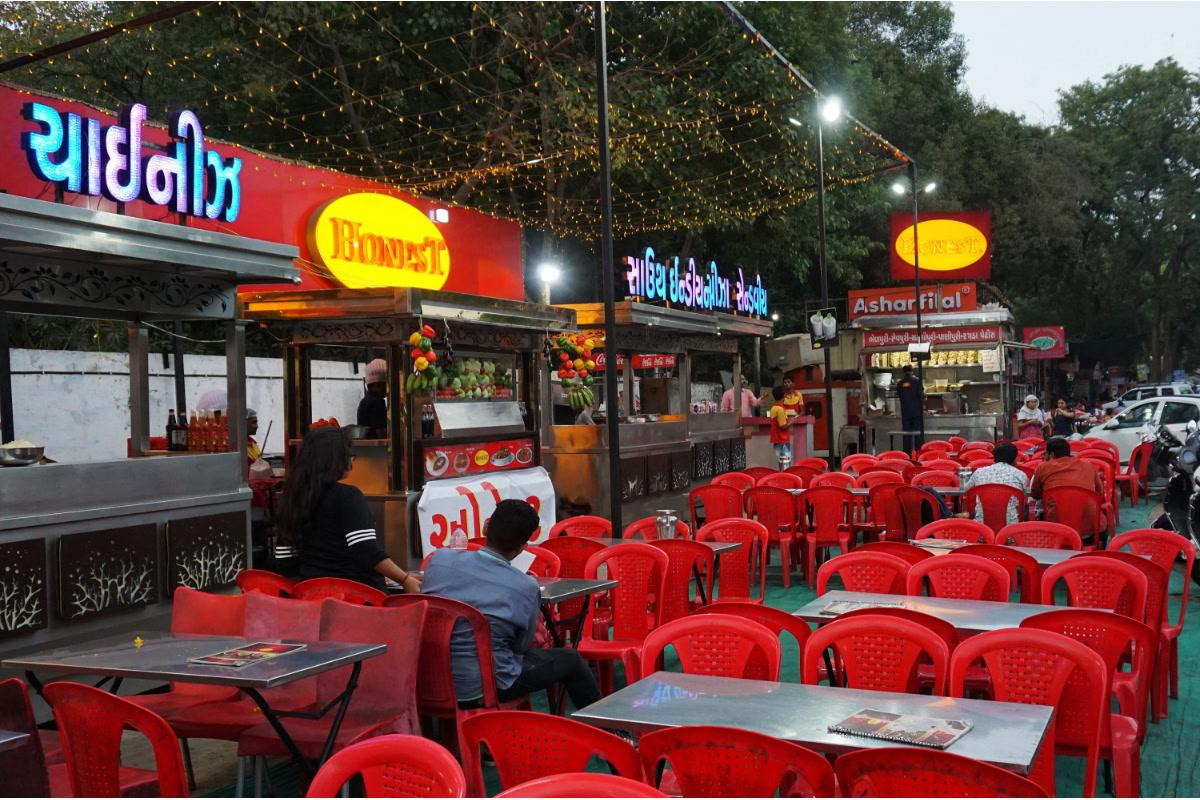
Manek Chowk is a bustling market square in the heart of Ahmedabad, known for its dynamic transition from a vegetable market by day to a food paradise by night. This vibrant locale is framed by a rich mix of traditional architecture and modern storefronts, giving it a lively character that reflects the city's heritage and evolution. Evenings are the best time to visit, when stalls serving local street food like pav bhaji and khichdi come alive, drawing crowds from all over. Nearby attractions include the historic Bhadra Fort and the ornate Jama Masjid, making it easy to combine a visit here with a stroll through the old city. It's a sensory overload, so be prepared for the sounds and smells as you navigate through the stalls.
- 4.5· 11 reviews7 tours include this
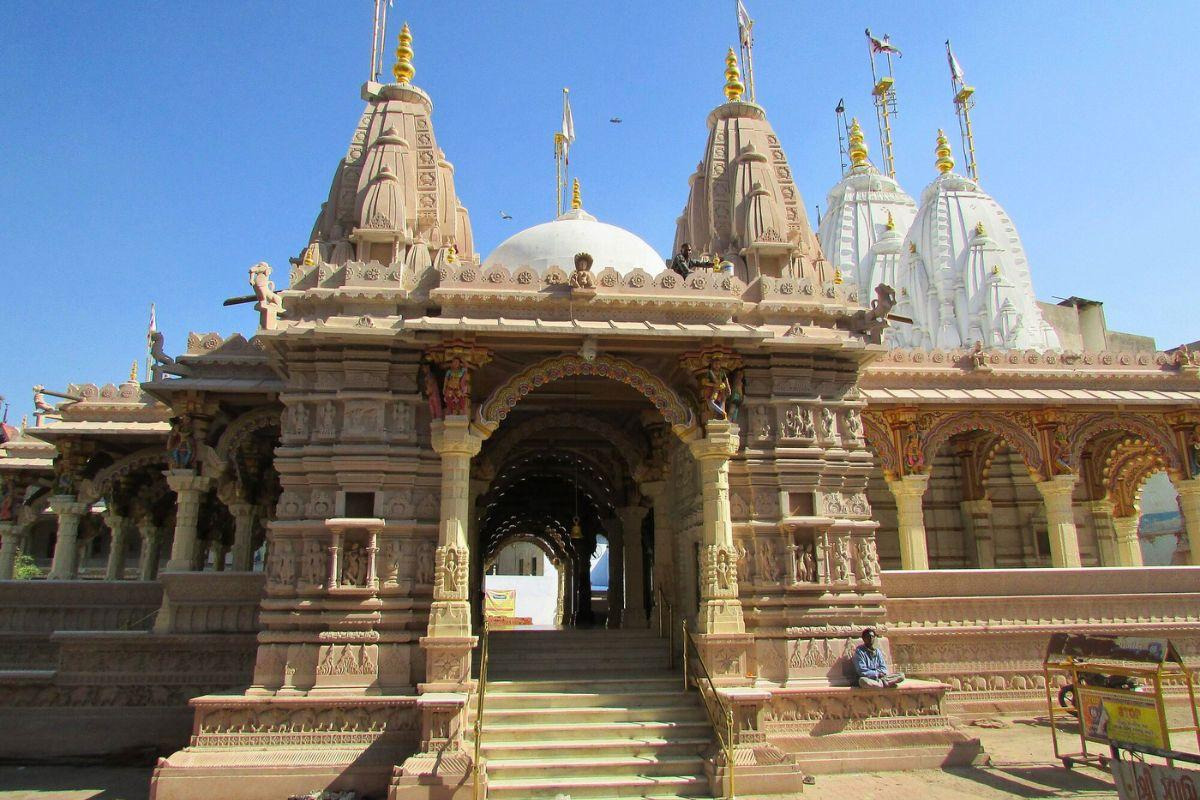
Shree Swaminarayan Mandir Kalupur is a notable Hindu temple built in the early 19th century, known for its intricate carvings and vibrant murals. The temple is an architectural testament to the expertise of artisans who worked with white marble and red sandstone, showcasing a blend of Indian temple design and intricate iconography dedicated to Swaminarayan. Visiting provides a glimpse into the spiritual life of Ahmedabad, especially during morning or evening aarti, when the ambiance is both serene and filled with devotional music. The temple is located close to the bustling Kalupur area, making it easy to explore nearby markets and local eateries after your visit. Watch out for the crowds during festivals.
- 4.0· 24 reviews30 tours include this
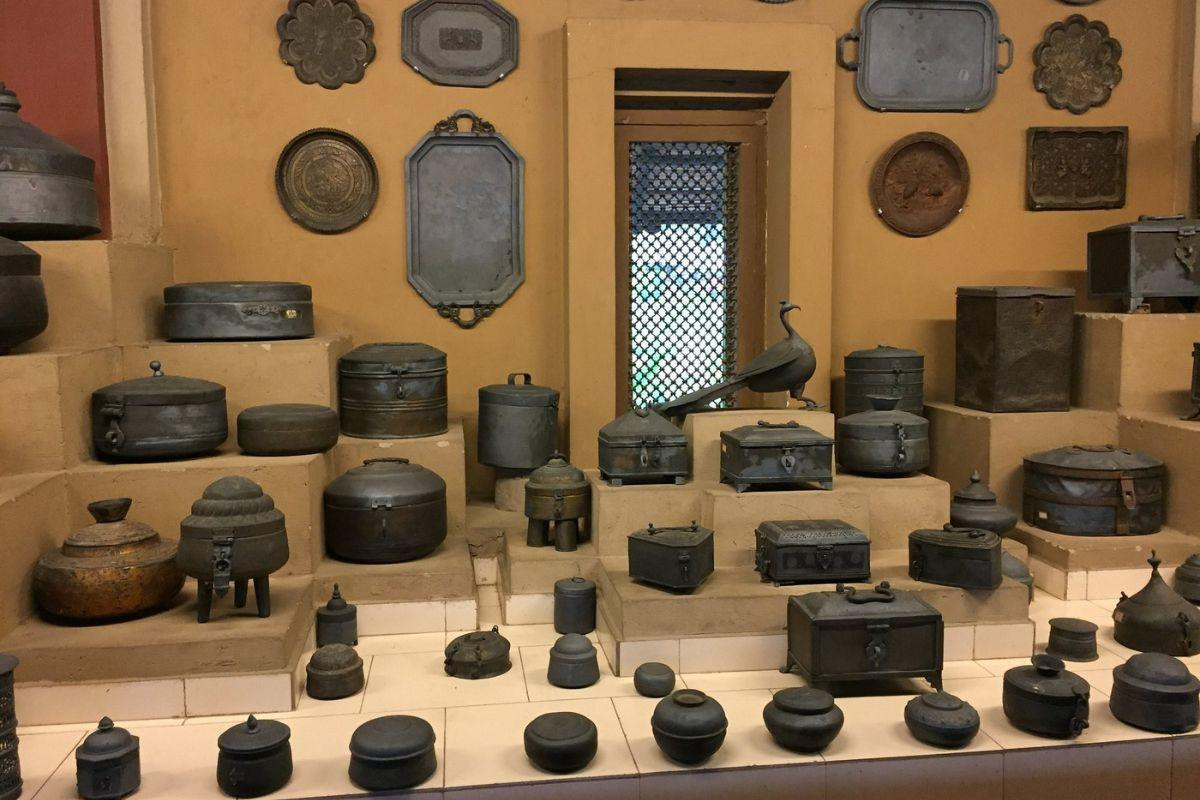
The Veechar Cultural and Heritage Museum for Utensils showcases a diverse collection of over 5,000 traditional Indian cooking vessels, reflecting the rich culinary history and cultural practices across the subcontinent. Located in an old heritage house in Ahmedabad, the museum documents the evolution of utensils, from clay pots to copper and brass cookware, offering insights into regional variations. Visit this museum for a unique perspective on daily life in India, and take your time to appreciate the craftsmanship on display. To complement your visit, explore the nearby Manek Chowk, a lively market famous for its street food and vibrant atmosphere, especially in the evenings.
- 07
Lothal
4.8· 12 reviews17 tours include this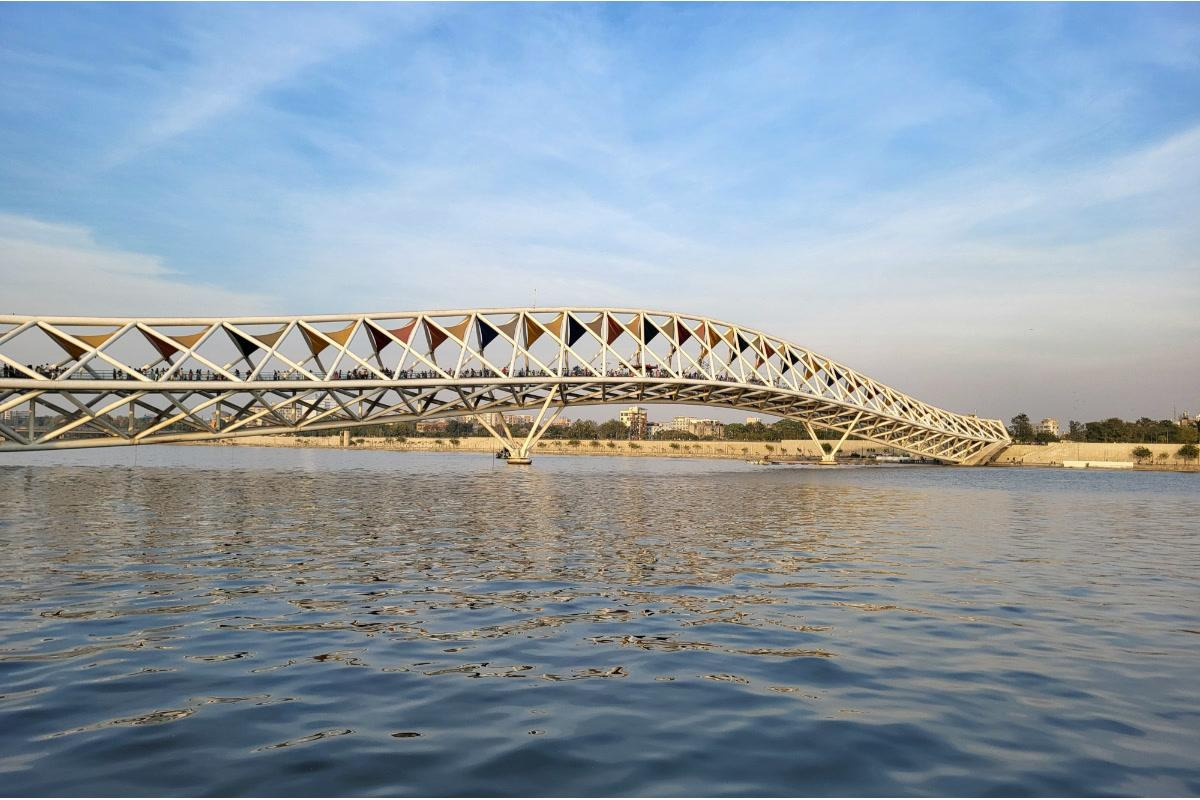
Lothal is an ancient city that was part of the Indus Valley Civilization, dating back to around 2400 BCE. It features one of the world's earliest known dockyards, constructed from brick to facilitate maritime trade. Visitors arrive to see the remnants of a well-planned town, including warehouses, residential areas, and a sophisticated drainage system. A couple of hours will suffice to walk through the site and its museum, which displays artifacts found during excavations. The best time to visit is during the cooler months, ideally in the morning. The nearby village of Lothal is quiet but offers a view of local rural life.

Law Garden Night Market is a lively open-air market in Ahmedabad, renowned for its plethora of stalls showcasing handcrafted textiles, jewellery, and traditional snacks. Established near the Law Garden, this market attracts both locals and tourists, providing a vibrant atmosphere amid the backdrop of the city’s blend of modernity and tradition. Visiting is best in the evenings when the market buzzes with energy and street food vendors offer a taste of local cuisine. The nearby Law Garden is a pleasant area for a stroll, while the historic Ellis Bridge and the architecture of the surrounding neighbourhood further enrich the experience. Expect a sensory overload; savor the sights, sounds, and flavors.
- 4.7· 6 reviews10 tours include this
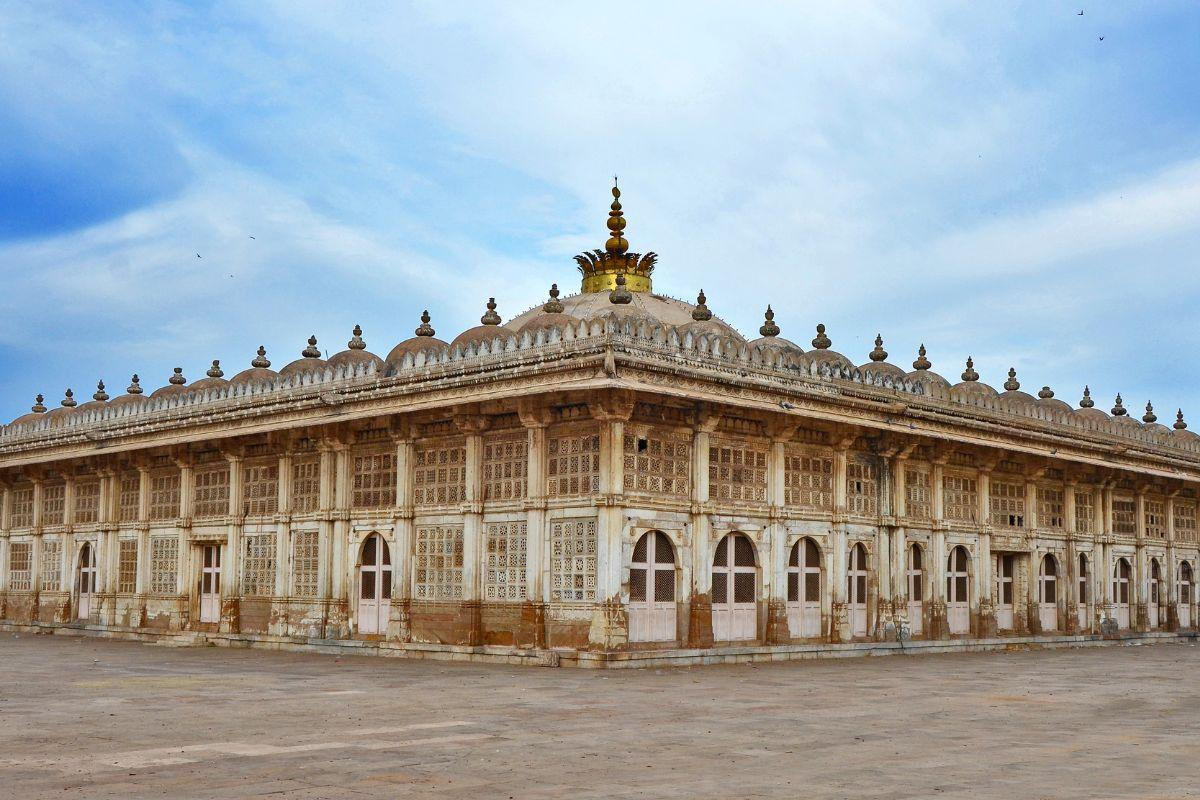
Sarkhej Roza is a 15th-century architectural complex that exemplifies Indo-Islamic style, featuring a mosque, tombs, and a palace set amidst serene gardens. Built during the reign of Ahmed Shah I, the site reflects the influence of Persian aesthetics through its intricate carvings and dominating arches, creating a peaceful oasis outside the city. Visiting this site typically involves wandering through the spacious courtyards and exploring the elegant structures. Early mornings or late afternoons are ideal for appreciating the delicate light on the stonework. The complex is located about ten kilometres from Ahmedabad city centre, conveniently near the vibrant Maninagar area.
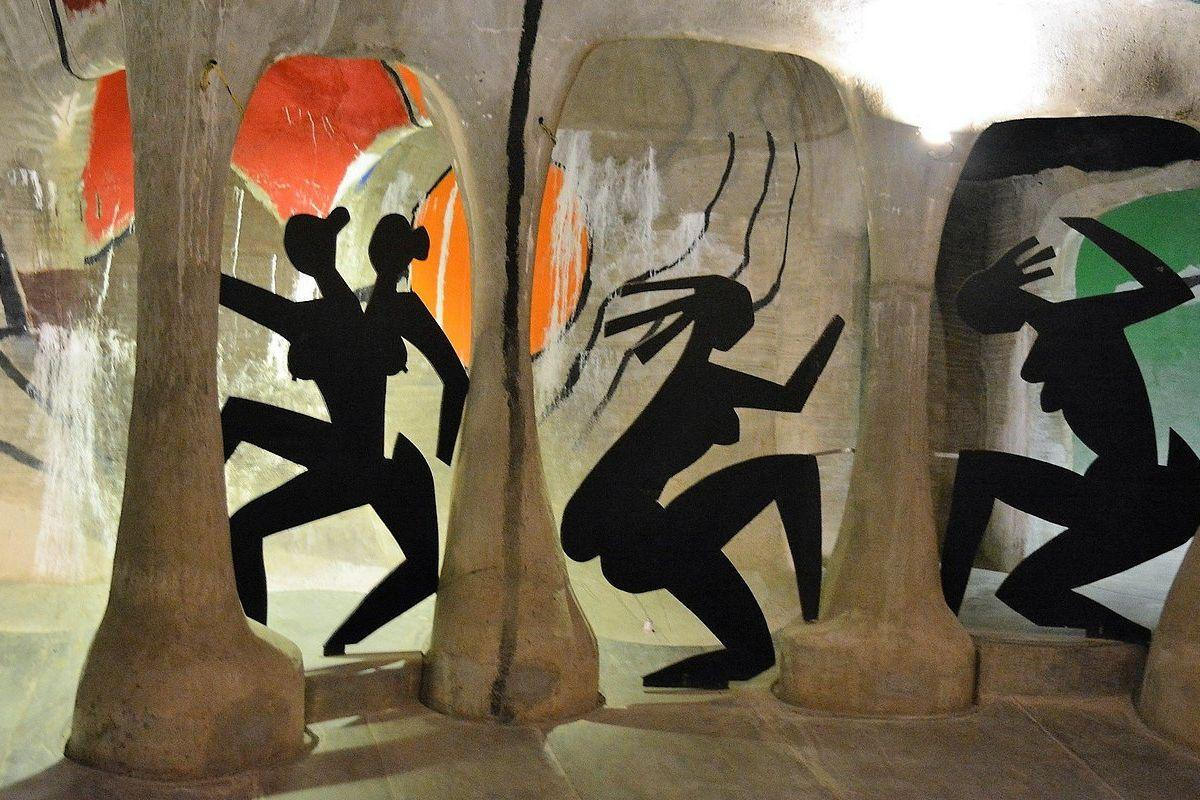
Amdavad ni Gufa is an underground art gallery designed by architect Balkrishna Doshi, combining a striking cave-like architecture with contemporary exhibitions. Completed in the late 1990s, it features curved walls and textured surfaces that mimic natural rock formations, creating an immersive experience for visitors within a bustling urban landscape. Plan to spend at least an hour exploring the changing exhibitions of local art and culture. The gallery is strategically located near the prestigious National Institute of Design, making it a good stop if you also want to visit the institute’s campus or catch a glimpse of the local student art scene.
- 4.0· 24 reviews30 tours include this
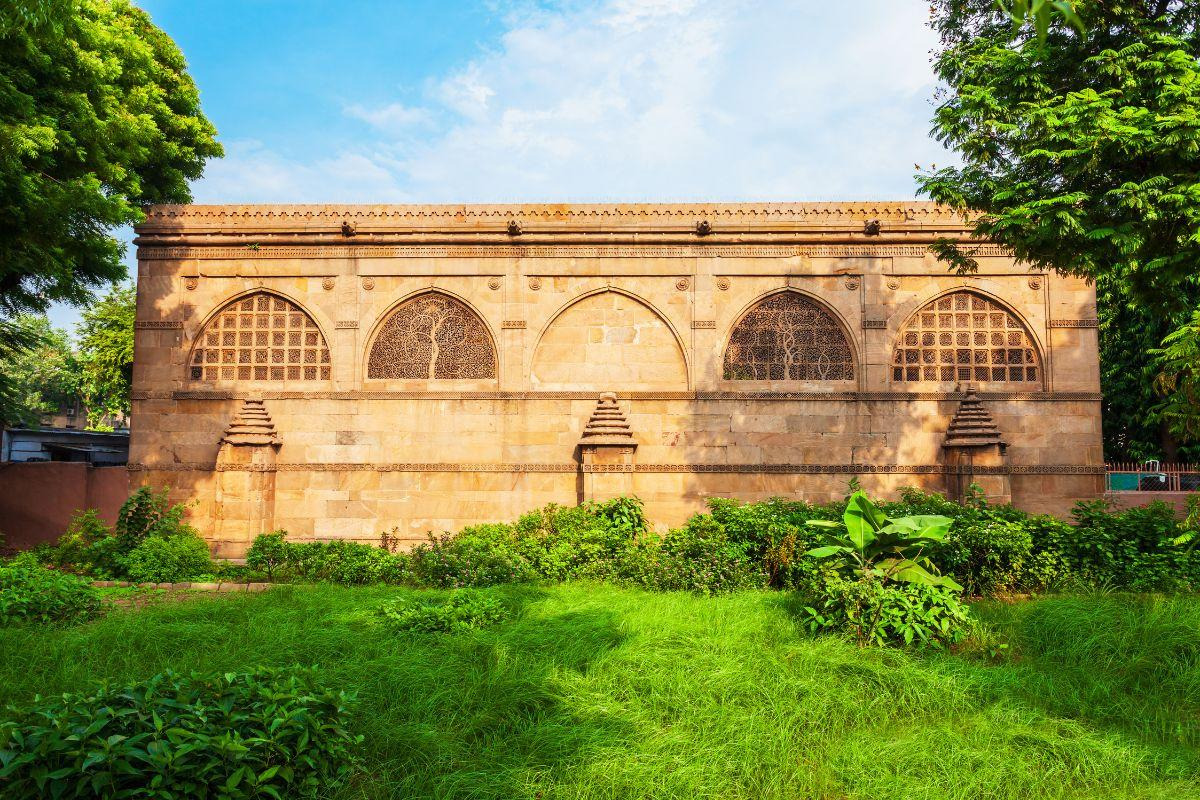
Sidi Saiyyed Mosque is a 16th-century mosque in Ahmedabad, renowned for its intricate stone lattice work called jaali. Constructed in the Indo-Saracenic style, it features beautifully carved windows that allow light to filter through, creating a captivating play of shadow and illumination throughout the prayer hall. Allocate at least an hour to appreciate the craftsmanship up close, especially the famous Tree of Life motif in the windows. The mosque is located near the University of Gujarat, making it easy to combine with a visit to the vibrant local bazaars or the Sabarmati Riverfront for a full day of exploration.
- 3.9· 7 reviews3 tours include this
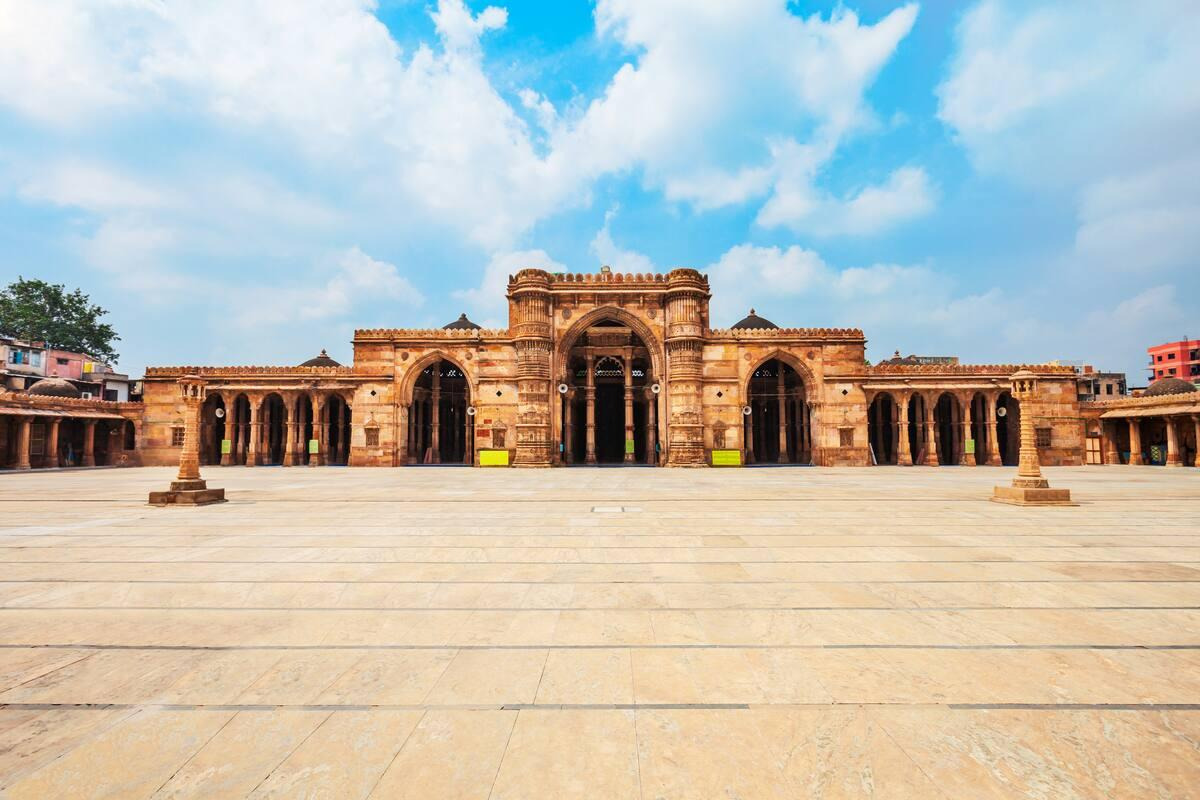
Jama Masjid is a grand mosque built in the 15th century, notable for its Indo-Saracenic architecture featuring red sandstone and intricate carvings. This expansive structure boasts 260 columns supporting a spacious courtyard dominated by its central dome, and is one of the largest mosques in India, reflecting the city's historical significance in Mughal architecture. The mosque is best visited in the early morning or late afternoon when the light enhances its details, and the ambiance is tranquil. Close by, the historic Ahmed Shah's Tomb and the vibrant streets of the old city offer a glimpse into Ahmedabad's rich heritage and culinary delights.
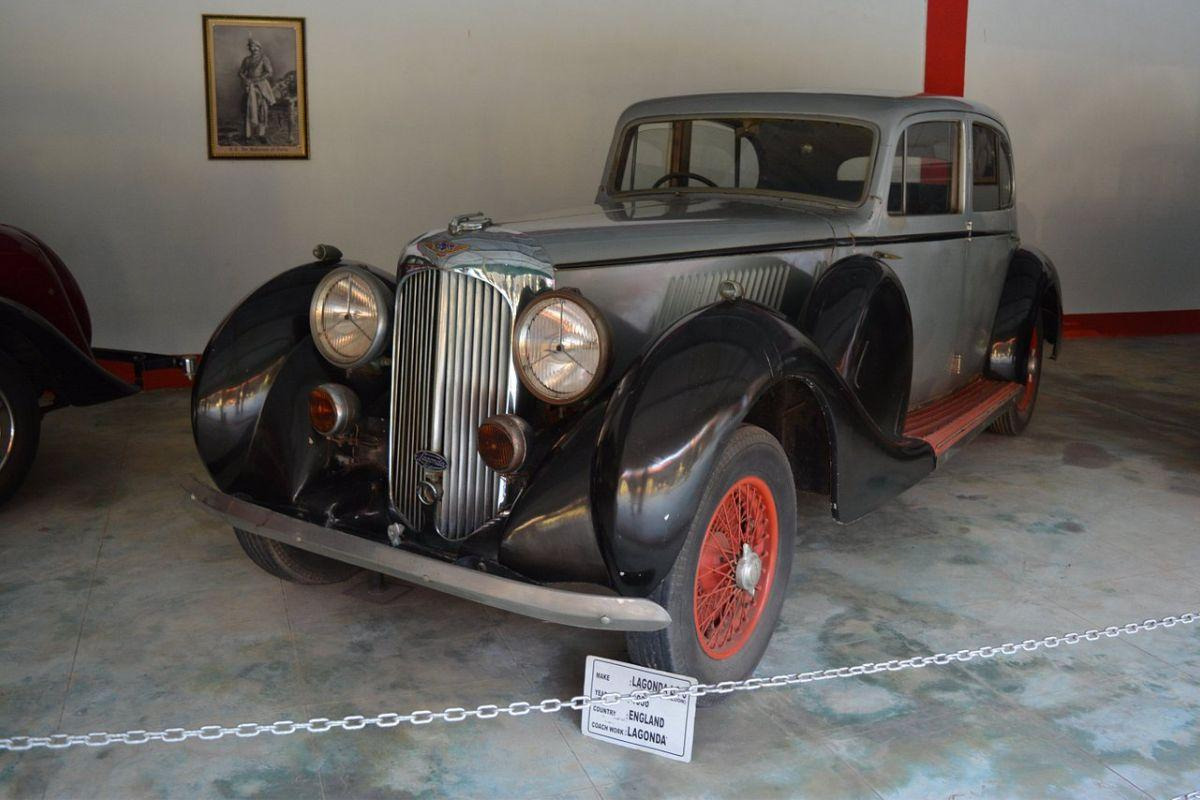
The Auto World Vintage Car Museum houses a collection of over 100 classic automobiles, showcasing vehicles from the 1910s through the 1990s. The museum is situated in a sprawling estate and features cars from around the world, including Rolls Royces, Cadillacs, and a range of Indian vintage automobiles, each with a rich history. Visitors can explore meticulously restored models and learn about the evolution of automotive design. The museum's layout allows for leisurely strolls and photo opportunities, making it a good destination for car enthusiasts and families alike. Best visited on weekdays for a quieter experience, especially in the cooler morning hours.
- 3.7· 7 reviews19 tours include this
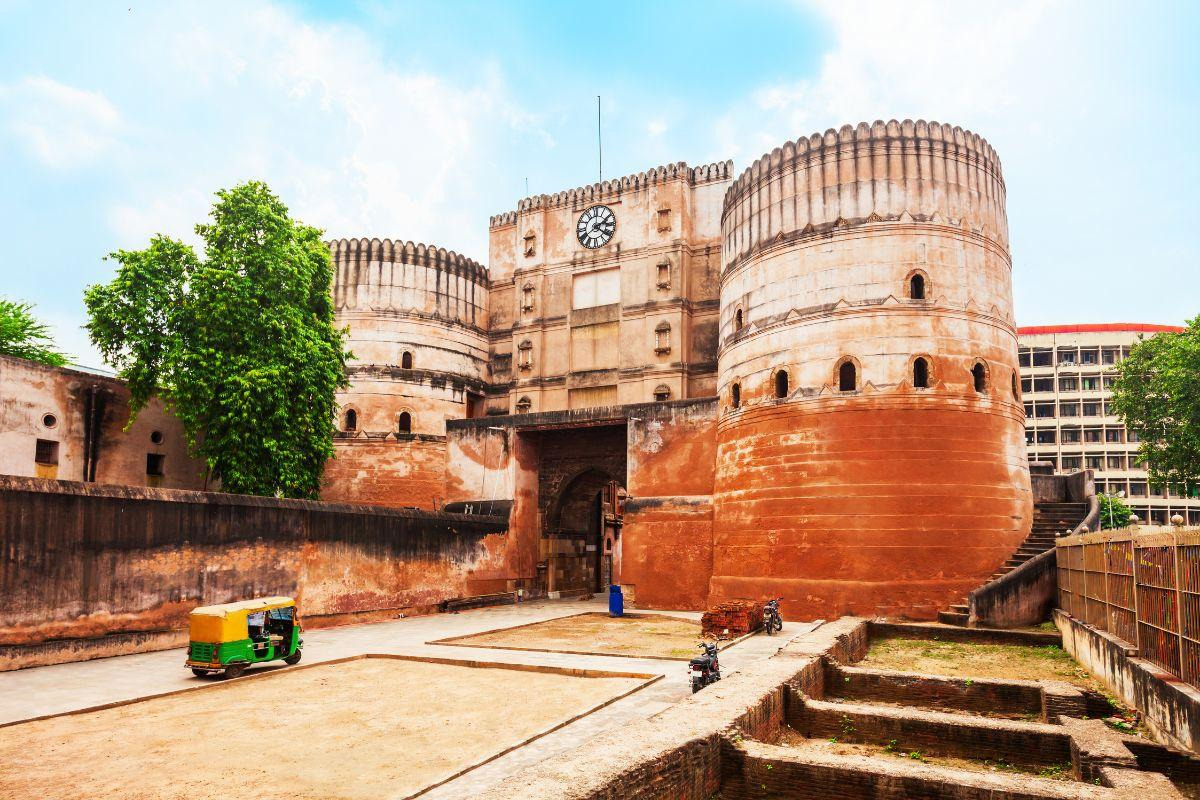
Bhadra Fort is a historic fortification built in the medieval era, originally constructed in 1411 by Sultan Ahmed Shah. Its impressive entrance, adorned with intricate carvings, leads into a complex with remnants of royal structures and gardens that reflect the blend of Indo-Islamic architecture typical of Gujarat. Plan for about an hour to explore its fort walls and the central palace area. The nearby Bhadra Kali Temple adds to the cultural experience, and visiting during the cooler hours of the day enhances the enjoyment of walking through its expansive grounds. The vibrant surrounding market provides a contrast to the quiet of the fort.
- 4.7· 3 reviews3 tours include this
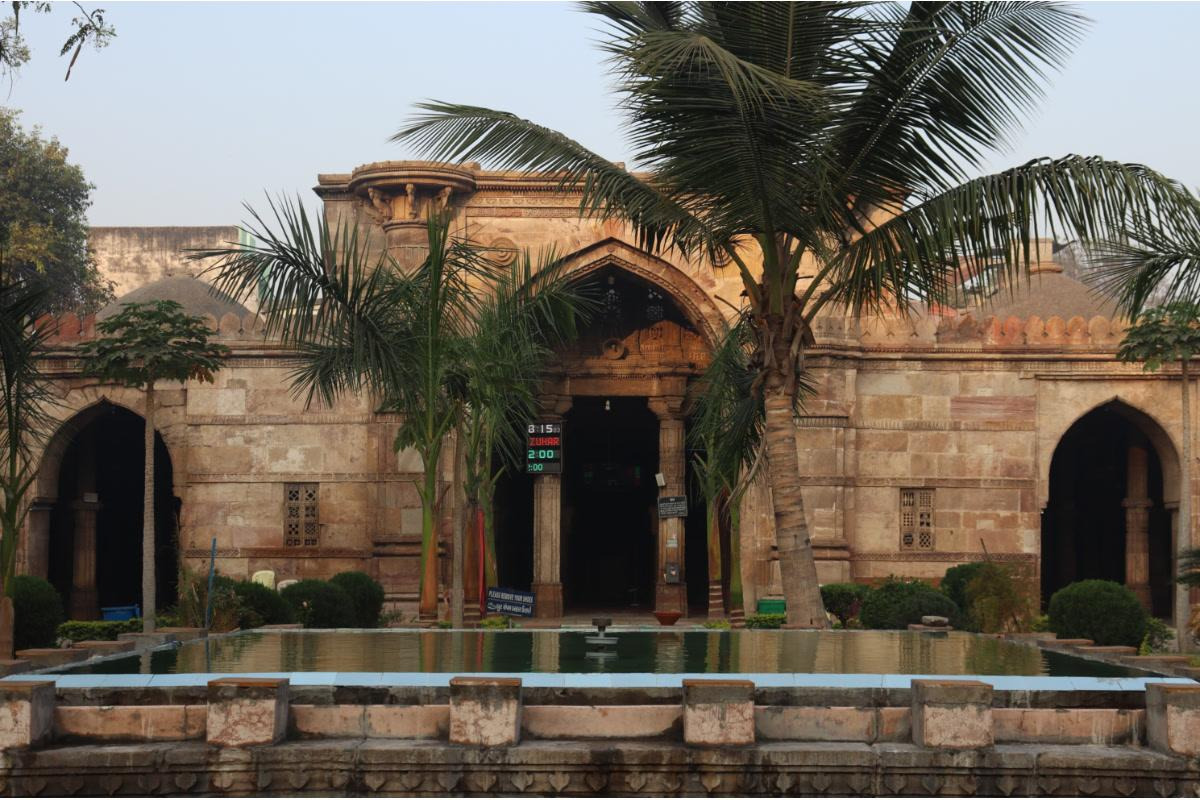
Ahmed Shah’s Mosque is a medieval structure built in 1414 by the founder of Ahmedabad, Ahmed Shah I. This significant mosque features an elegant blend of Islamic and Hindu architectural styles, with intricately carved columns and a peaceful courtyard that leads to a central prayer hall adorned with large, beautiful domes. Visiting the mosque early in the morning allows you to appreciate its serene atmosphere, often before the influx of visitors. It sits near the bustling Manek Chowk, a lively area known for its food stalls, and is surrounded by other historical buildings, adding context to the rich history of the city.
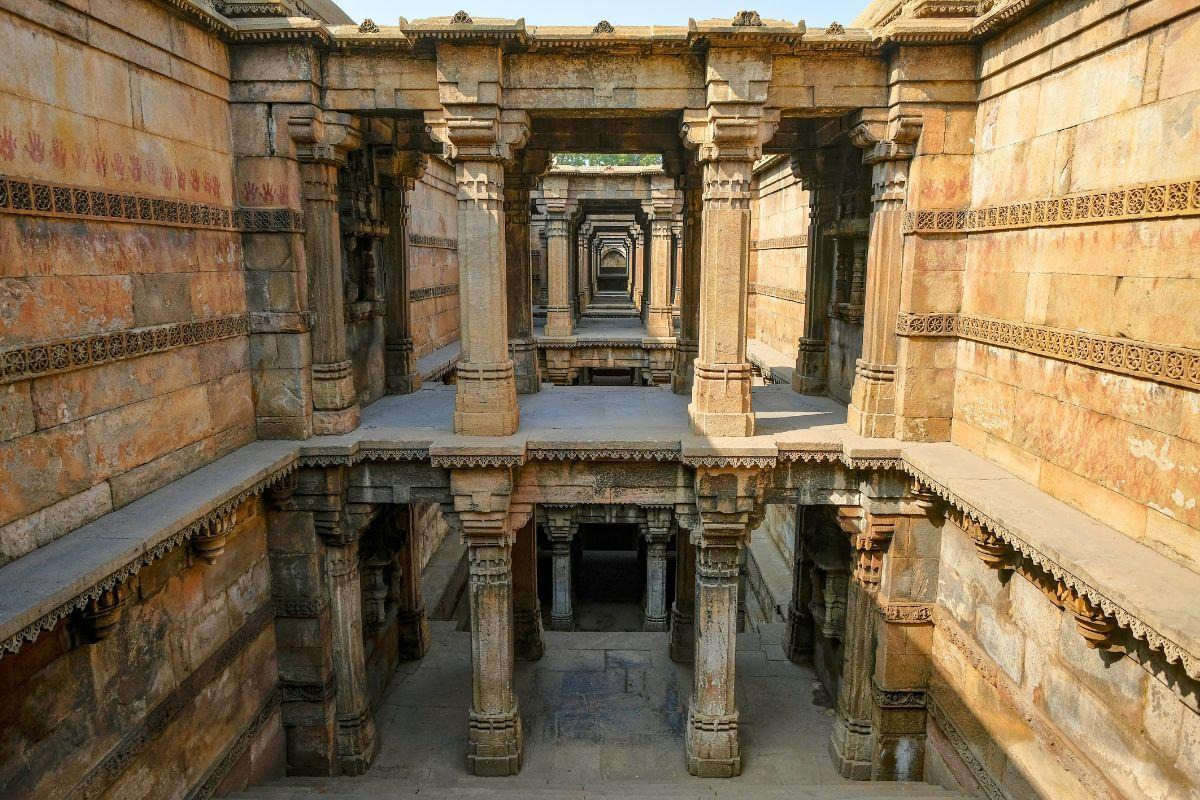
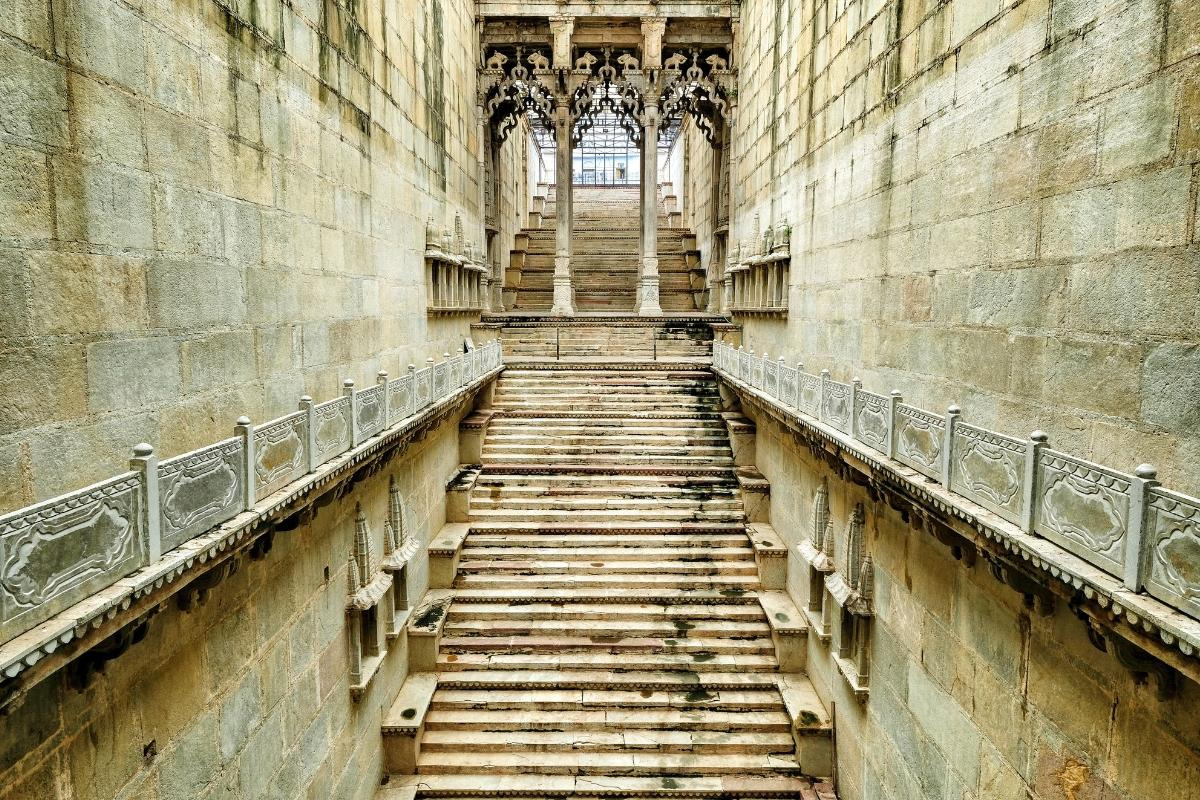
Dada Harir Stepwell, also known as Bai Harir Vav, is a stunning example of Indo-Islamic architecture built in the 15th century. Constructed from limestone, this five-storey stepwell features ornate carvings and intricate designs along its walls, creating a mesmerizing interplay of light and shadow as you descend its stairs. Plan to spend about an hour here to appreciate its craftsmanship and the cool atmosphere it provides. The stepwell is approximately 5 kilometres from the city centre, making it easily accessible. Nearby attractions like the Sarkhej Roza complex can easily be included in your itinerary.
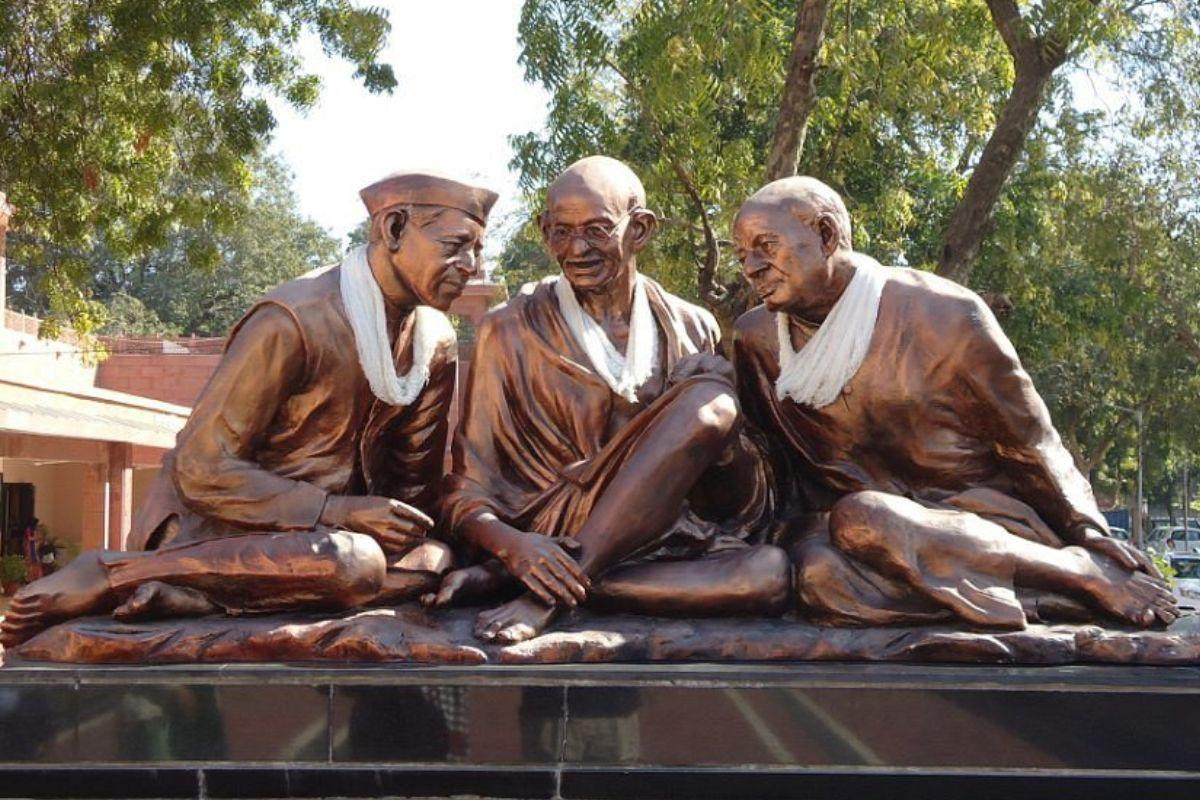
The Sardar Vallabhbhai Patel National Memorial is housed in the erstwhile home of the Indian Statesman and is a blend of Indo-Saracenic architecture set within landscaped gardens. Opened in 2010, it features a museum that showcases Patel’s life, his role in India’s independence, and various artifacts that illustrate his legacy. Plan to spend an hour or two exploring the exhibits, especially the photographs and personal memorabilia. The memorial is located in the Patel Nagar area, close to the striking Akshardham Temple and the Sabarmati Riverfront, making it easy to incorporate into a day of sightseeing.
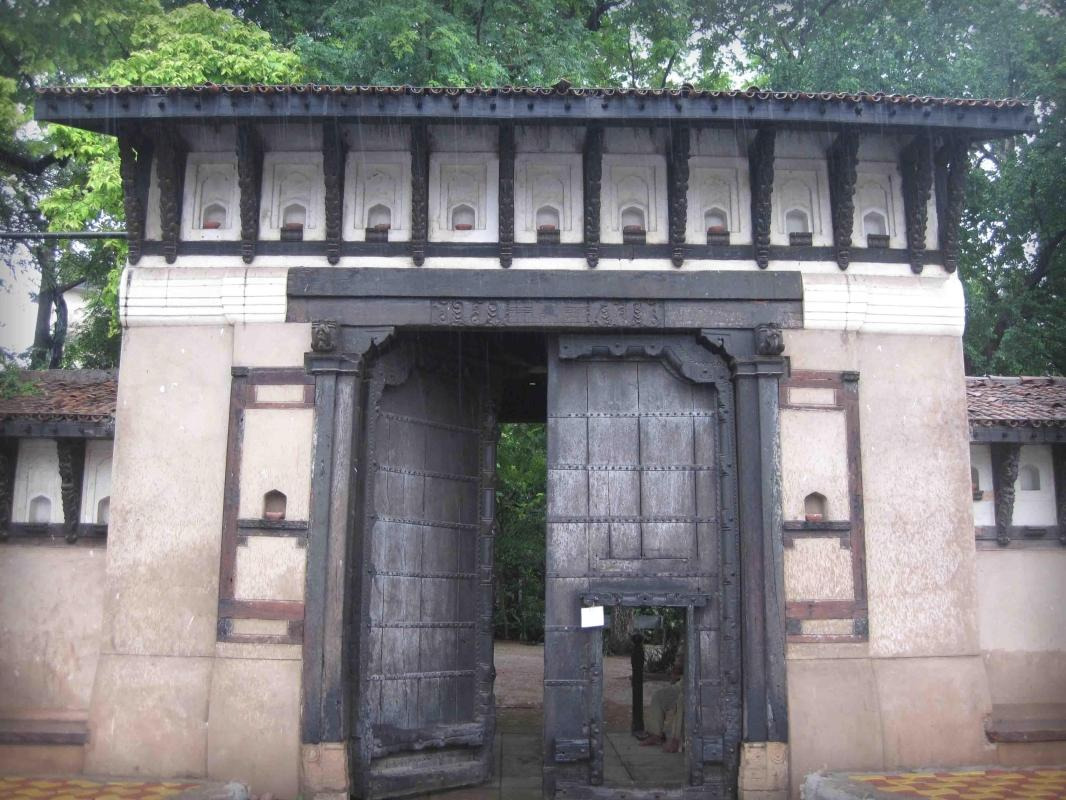
The Calico Museum of Textiles is one of the premier textile museums in India, housed in a charming 19th-century haveli. Established in 1949 by the Sarabhai family, the museum showcases an exceptional collection of Indian textiles, including historic garments, tapestries, and ceremonial cloth, reflecting the rich textile heritage of the region. A visit here typically requires a guided tour, which enhances understanding of the complex history and craftsmanship behind the exhibits. Plan for about two hours to explore the displays, ideally in the morning when the museum is less crowded. The museum is located near the River Sabarmati, making it easy to combine with a stroll along the waterfront.
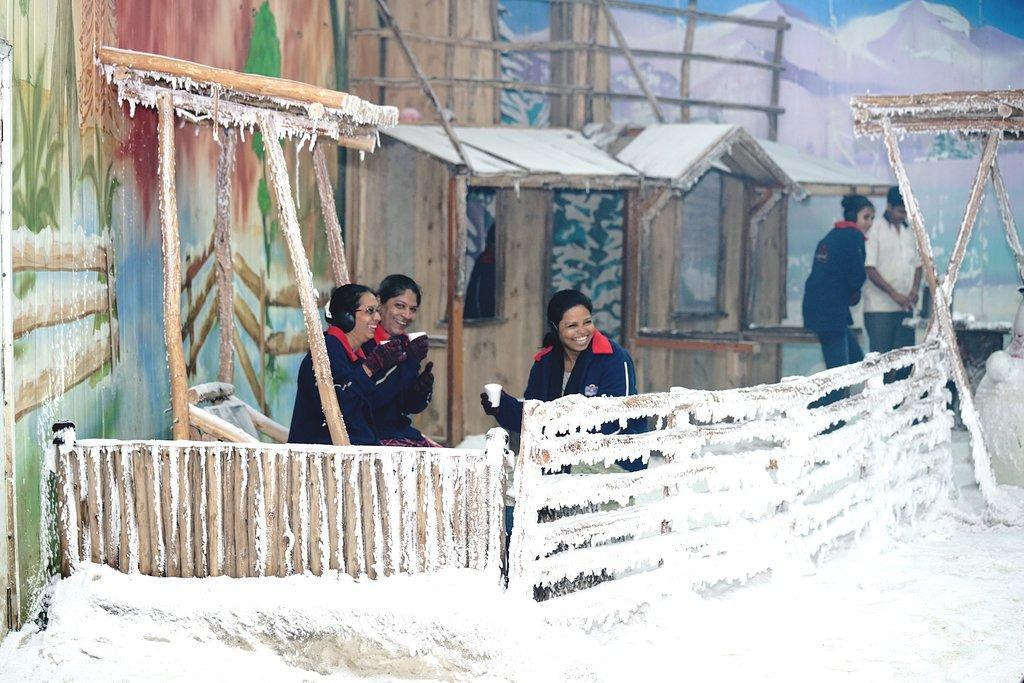
Maniar's Wonderland Snow Park is an indoor amusement park featuring a unique snow experience in the heart of Ahmedabad. Covering a large area, it offers artificial snow, ice sculptures, and various winter-themed attractions, creating a whimsical environment that contrasts with the region’s warm climate. Plan for a few hours to enjoy activities such as snow tubing and ice skating. The park is particularly busy during weekends and school holidays, so visiting on a weekday might enhance your experience. Nearby, you’ll find the vibrant commercial hub of SG Highway, perfect for meals afterward.

Splash the Fun Park is a water theme park in Ahmedabad that spans over 50 acres, featuring a variety of attractions including water slides, wave pools, and lazy rivers. Opened in the early 2000s, it specifically caters to families and thrill-seekers looking for an escape from the city’s heat. Plan for a full day to explore various rides and activities. Weekends tend to be crowded, particularly during peak summer months, so visiting on a weekday is advisable. The park is located near the Sabarmati River, which can add a serene backdrop to your outing.
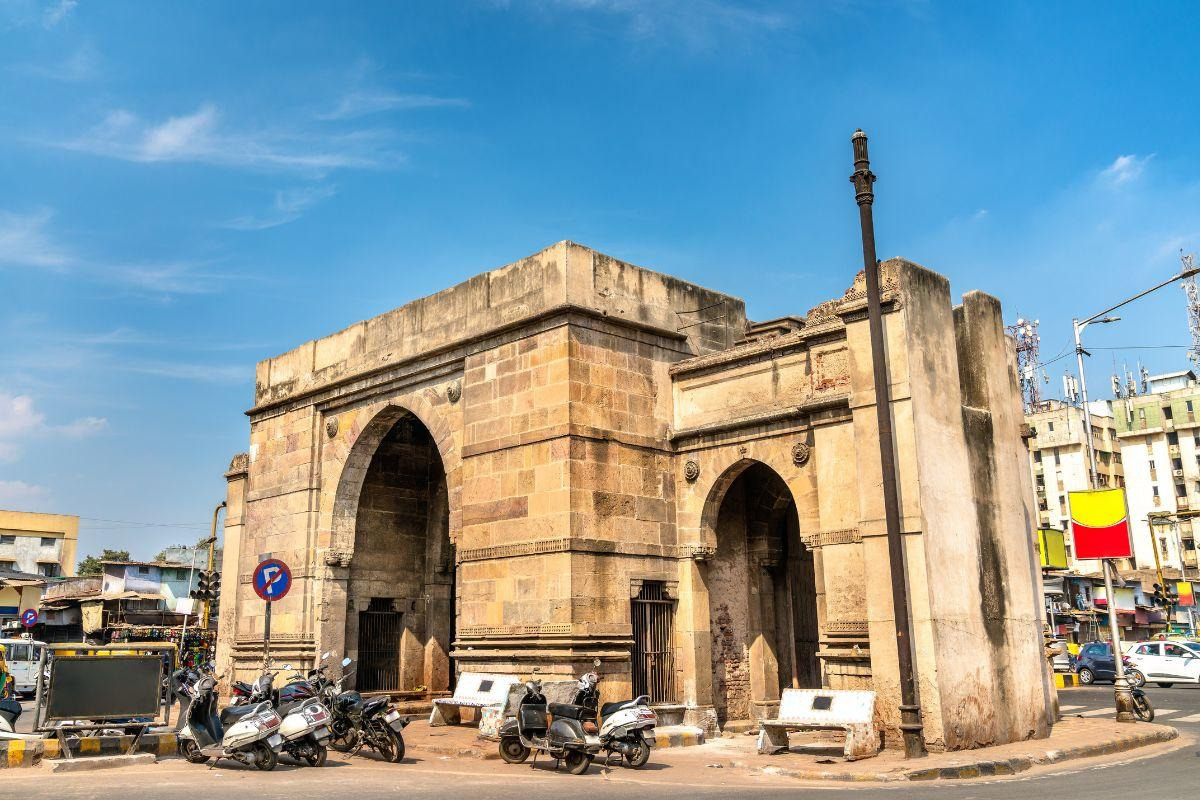
The Gates of Ahmedabad, specifically the Delhi Darwaja, are a striking example of Mughal architecture from the 15th century, serving as the main entrance to the old city. Built from sandstone, this grand gateway features intricate carvings and remains a key symbol of Ahmedabad's rich historical tapestry, drawing visitors into its bustling heart. Visiting the Delhi Darwaja offers a glimpse into the city's past, surrounded by vibrant markets and historic sites like the nearby Rani no Hajiro and Bhadra Fort. Early morning or late afternoon is ideal for avoiding crowds and experiencing the lively atmosphere of the old city, where local vendors add to the charm.
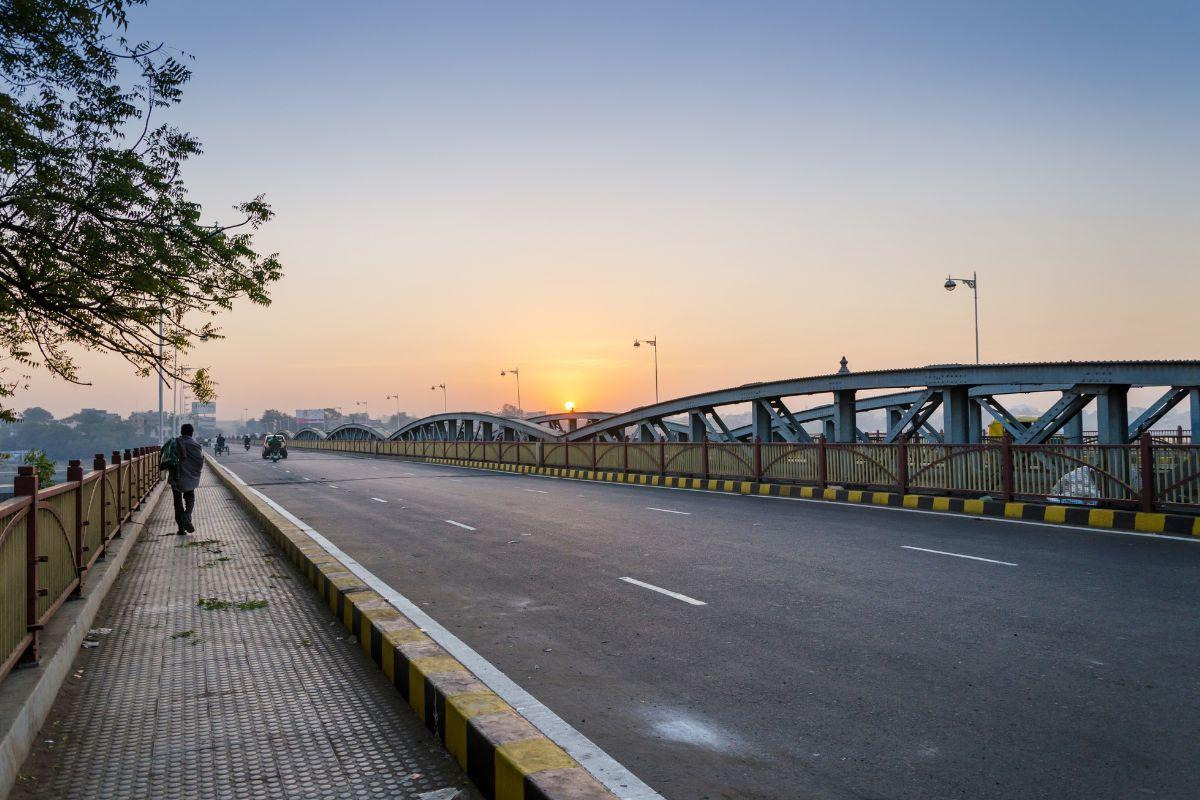
Ellis Bridge is a Victorian-era wrought iron landmark that spans the Sabarmati River in Ahmedabad, completed in 1873 and designed by the British engineer H. A. D. E. L. The bridge stands as a significant piece of colonial architecture, linking the old city to the commercial districts, and features intricate details along its arches. A stroll across the bridge offers views of the river, especially during the evening when the city lights reflect off the water. Nearby, the vibrant area of Ellis Bridge is home to local eateries and markets. Take care when visiting during peak traffic times, as the area can become quite busy.
Best activities to do in Ahmedabad
Explore all (42) → 8 hours
Full-day heritage tour of Ahmedabad
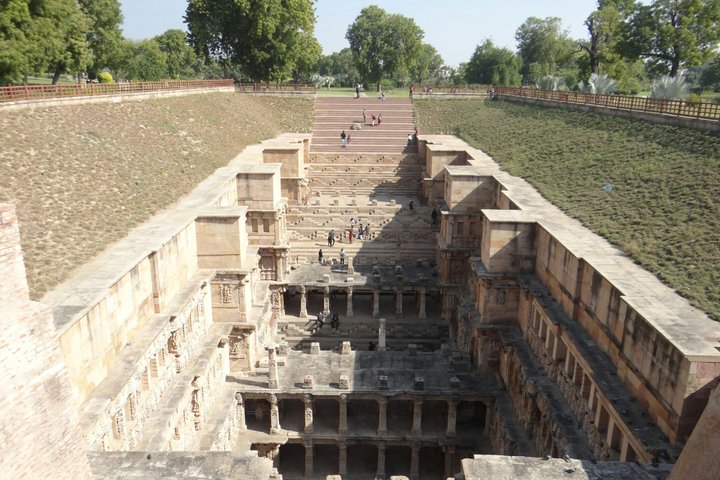
Modhera Sun Temple and Rani Ki Vav tour from Ahmedabad
 3 days
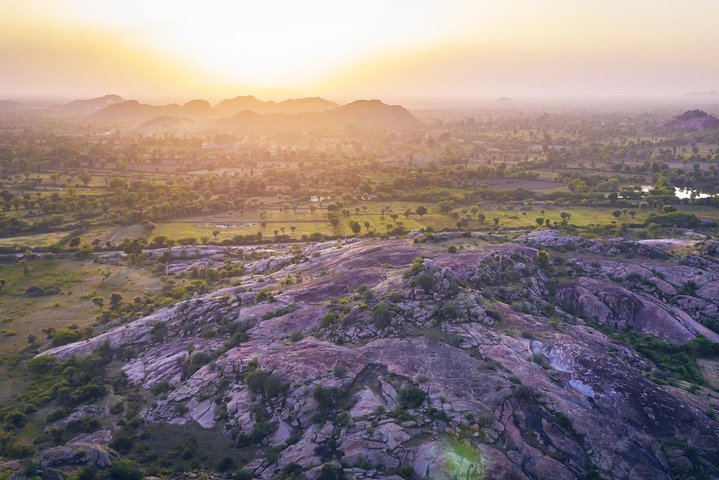
3-day heritage tour from Ahmedabad to Mount Abu
 8 hours
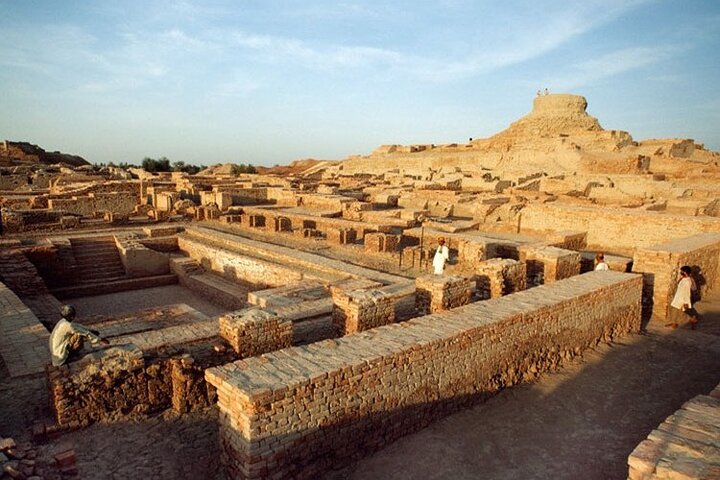
Full-day private tour of Lothal and Uthellya from Ahmedabad
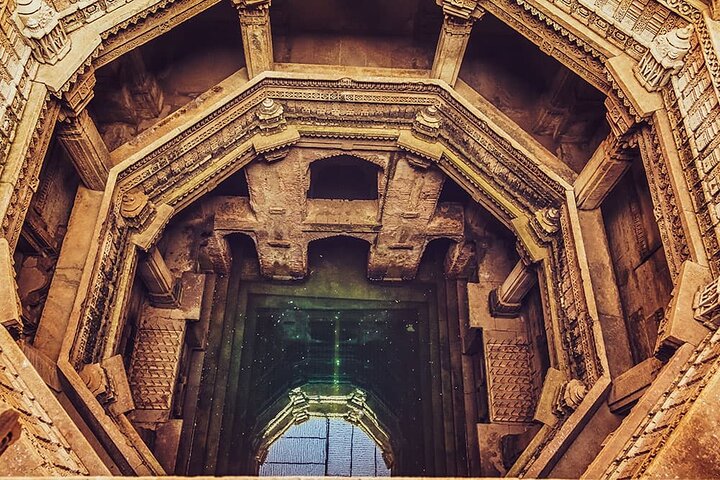
Private tour of the stepwells of Gujarat: Adalaj and Rani ki Vav
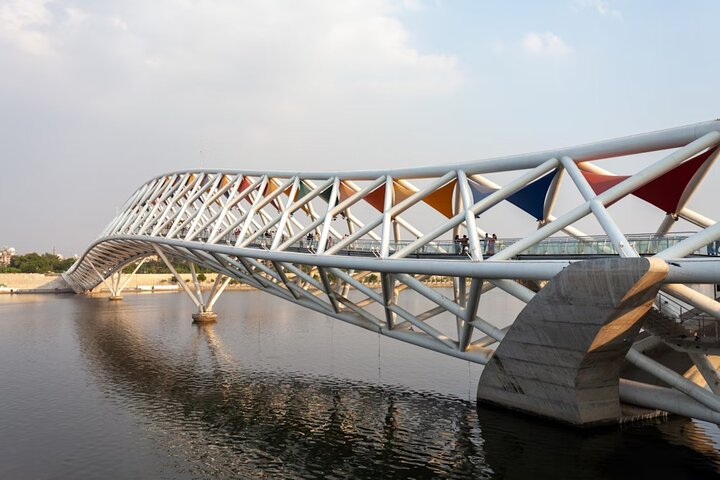
Private walking tour of Ahmedabad with a local guide
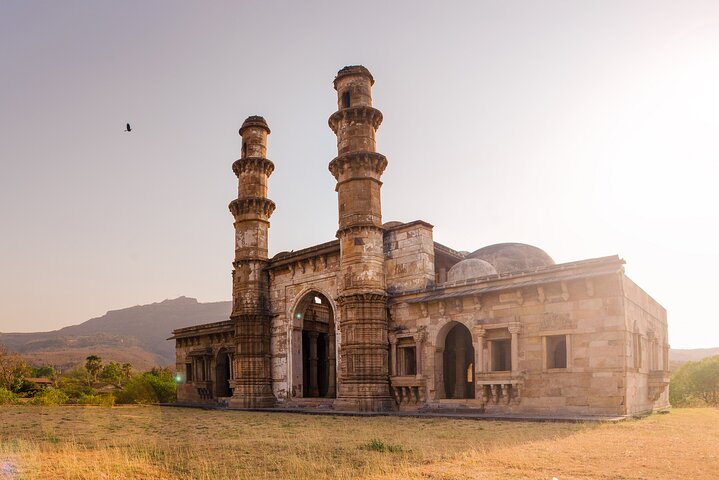 8 hours
Champaner-Pavagadh Archaeological Park day trip from Ahmedabad
 30 min
Private transfer from Ahmedabad city to Sardar Vallabhbhai Patel Airport
Luxury & private in Ahmedabad
See all 23 →8 hoursFull-day private tour of Lothal and Uthellya from Ahmedabad
Private tour of the stepwells of Gujarat: Adalaj and Rani ki Vav
Private walking tour of Ahmedabad with a local guide
8 hoursChampaner-Pavagadh Archaeological Park day trip from Ahmedabad
30 minPrivate transfer from Ahmedabad city to Sardar Vallabhbhai Patel Airport
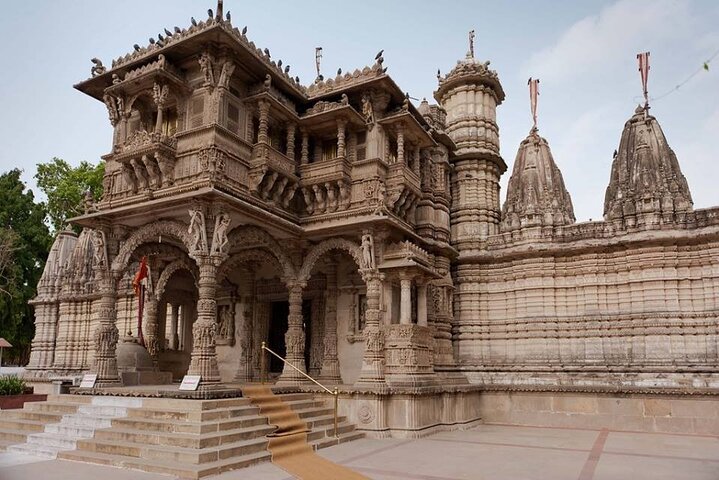 4 hours
Half-day private sightseeing tour of Ahmedabad
Cultural & heritage in Ahmedabad
See all 21 →Modhera Sun Temple and Rani Ki Vav tour from Ahmedabad
3 days3-day heritage tour from Ahmedabad to Mount Abu
Private tour of the stepwells of Gujarat: Adalaj and Rani ki Vav
Private walking tour of Ahmedabad with a local guide
4 hoursHalf-day private sightseeing tour of Ahmedabad