- 4.9· 24 reviews17 tours include this
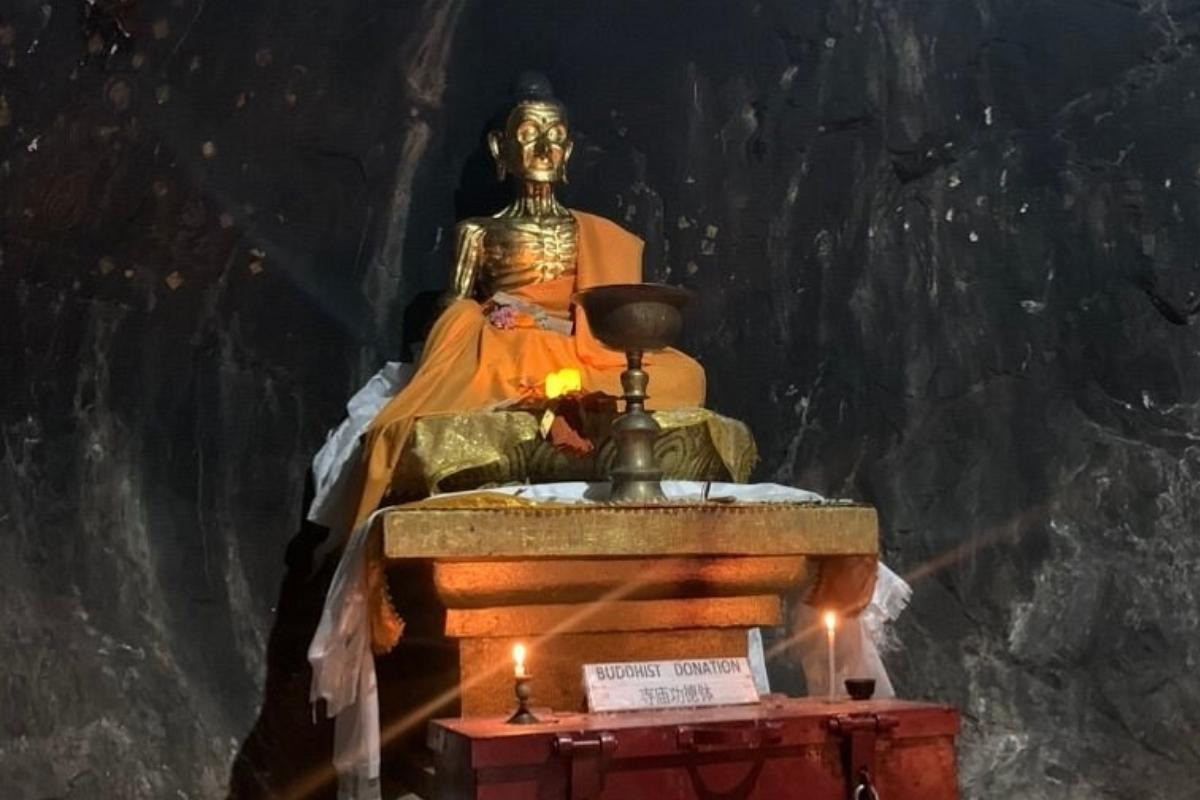
The Dungeshwari Cave Temple, also known as the Gaya Caves, consists of a series of ancient rock-cut caves that date back to the 1st century BCE. Located about 12 kilometres from the town of Gaya, these caves are significant for their association with the historical Buddha's life, featuring various shrines and statues amidst striking natural rock formations. Visiting the caves typically takes an hour or two, with the most notable site being the Mahayana shrine that houses a statue of Buddha. Best visited in the mornings or late afternoons to avoid the heat, the temple is surrounded by lush greenery, making for a tranquil retreat away from the more visited Buddhist sites in the area.
- 4.8· 89 reviews10 tours include this
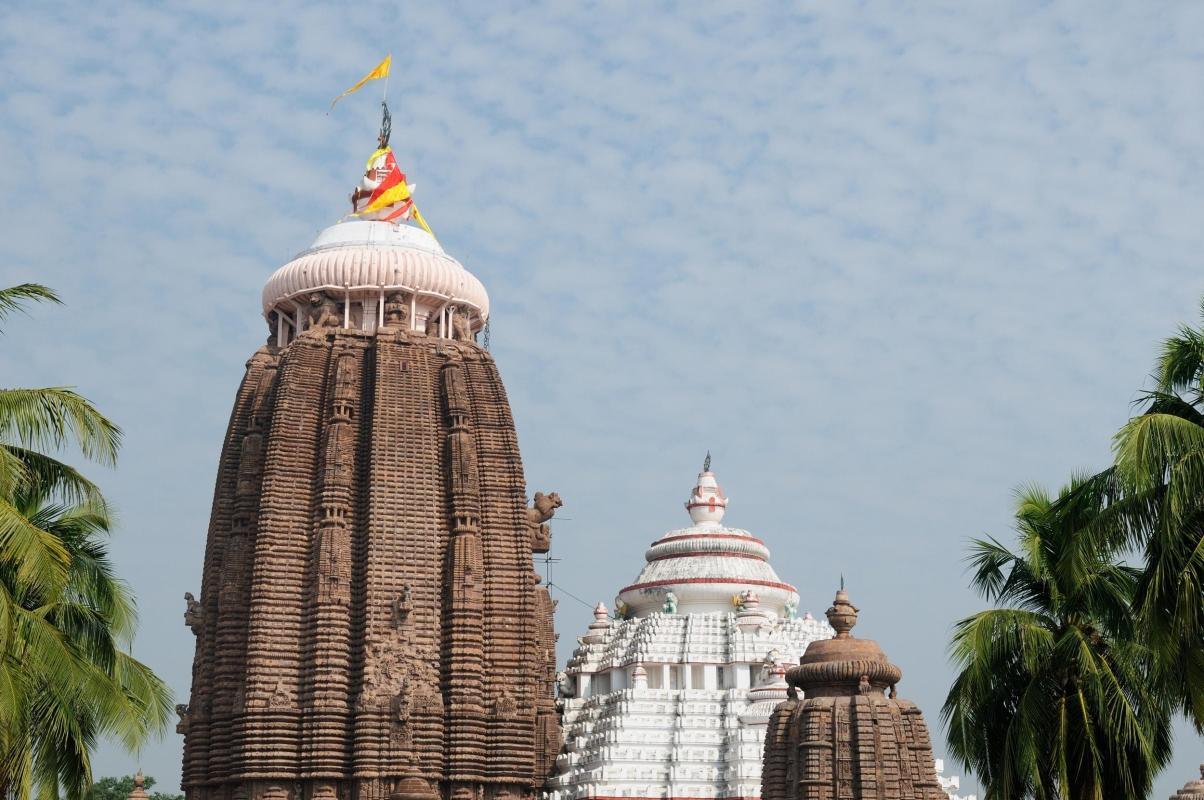
Vishnupad Temple is an ancient Hindu pilgrimage site located on the banks of the Falgu River in Gaya. Built in the 18th century, this temple is dedicated to Lord Vishnu and features a striking 40-centimetre footprint believed to be imprinted on a stone, attracting devotees seeking blessings and spiritual significance. Visiting in the early morning offers a tranquil atmosphere to observe rituals and ceremonies performed by priests. The temple complex is surrounded by lush gardens, and nearby is the Brahmayoni Hill, another important site for pilgrims. The sound of chanting fills the air, underscoring the temple's enduring importance.
- 4.5· 32 reviews5 tours include this
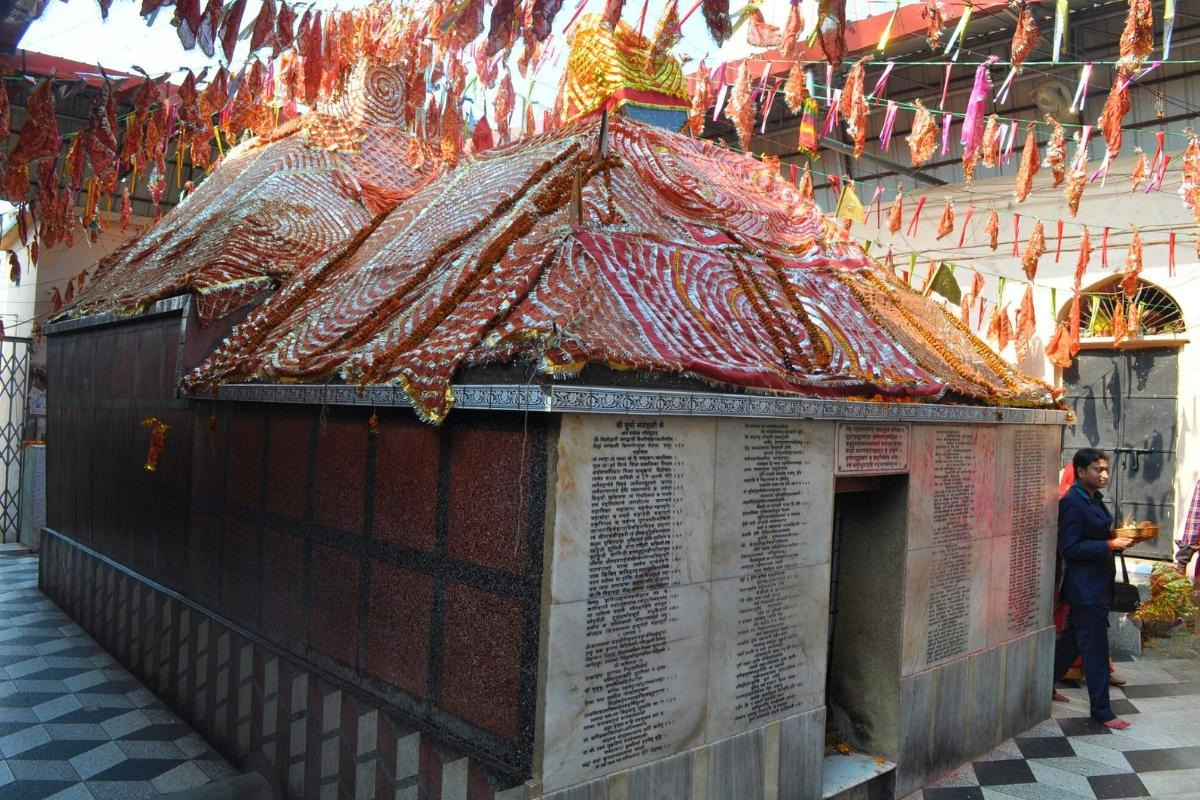
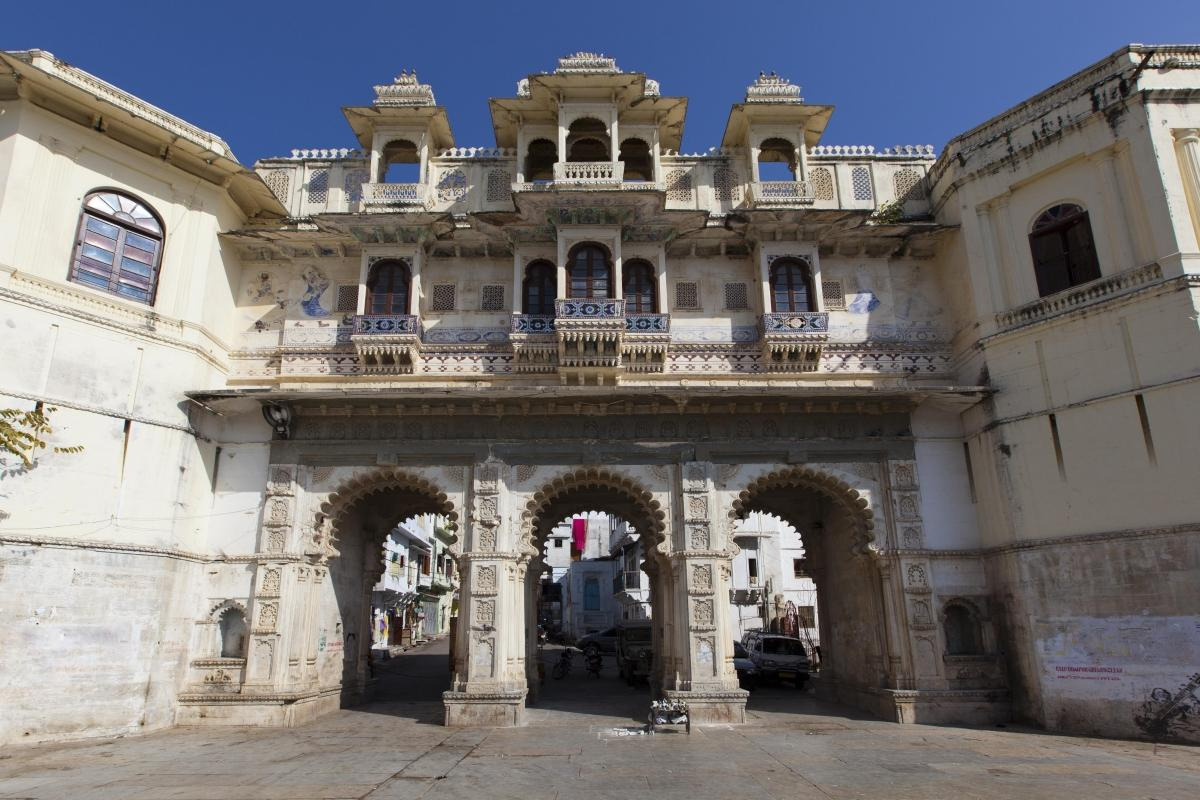
Mangla Gauri Temple is a significant Hindu shrine dedicated to the goddess Durga, located atop a hill in Gaya. Its origins trace back to ancient times, and the temple complex features intricate carvings and a serene atmosphere that reflects the spiritual essence of the site. Pilgrims often visit to seek blessings, particularly during the Navaratri festival when the temple sees an influx of devotees. Allocate an hour for the ascent and exploration, preferably early in the day to avoid the heat. The temple is part of the larger religious landscape of Gaya, with other sites like the Vishnupad Temple nearby. The view of the surrounding landscape from the temple offers a moment of quiet reflection.
- 5.0· 8 reviews2 tours include this
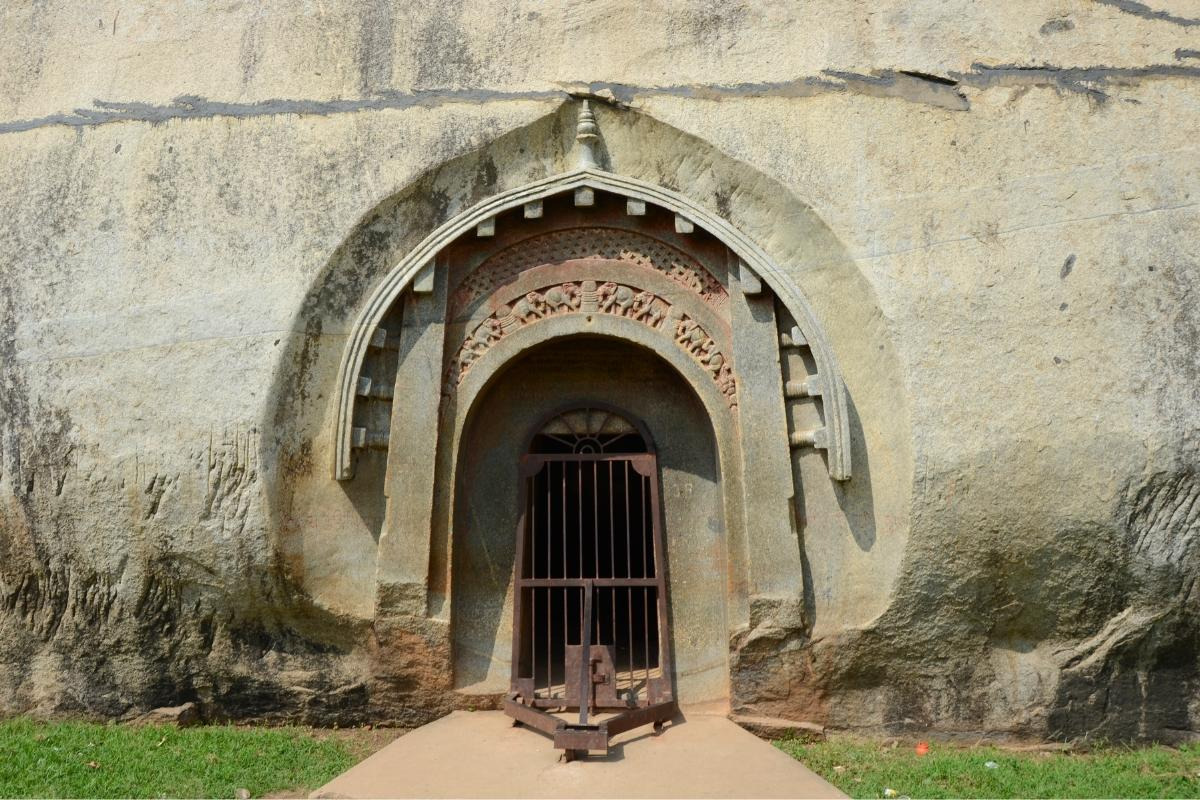
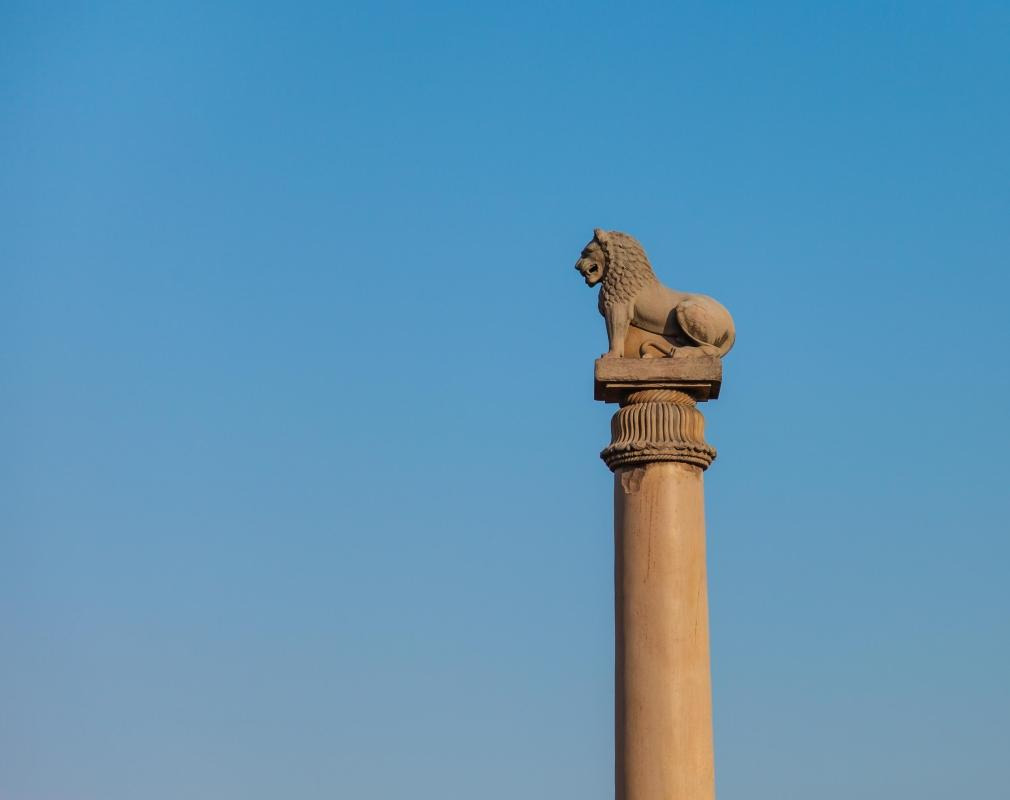
The Barabar Caves are a group of ancient rock-cut caves located in the hills of Gaya, dating back to the 3rd century BCE. Carved during the reign of Emperor Ashoka, these caves are significant as some of the oldest surviving rock-cut architecture in India, featuring intricately polished interiors that echo acoustically, used historically for meditation. Plan to spend an hour exploring the main caves: Lomas Rishi Cave and Sudama Cave, both showcasing remarkable craftsmanship. Best visited in the cooler months to avoid the heat, the site is about 24 kilometres from Bodh Gaya, making it feasible to visit in conjunction with other religious and historical sites in the area.
- 4.9· 9 reviews3 tours include this
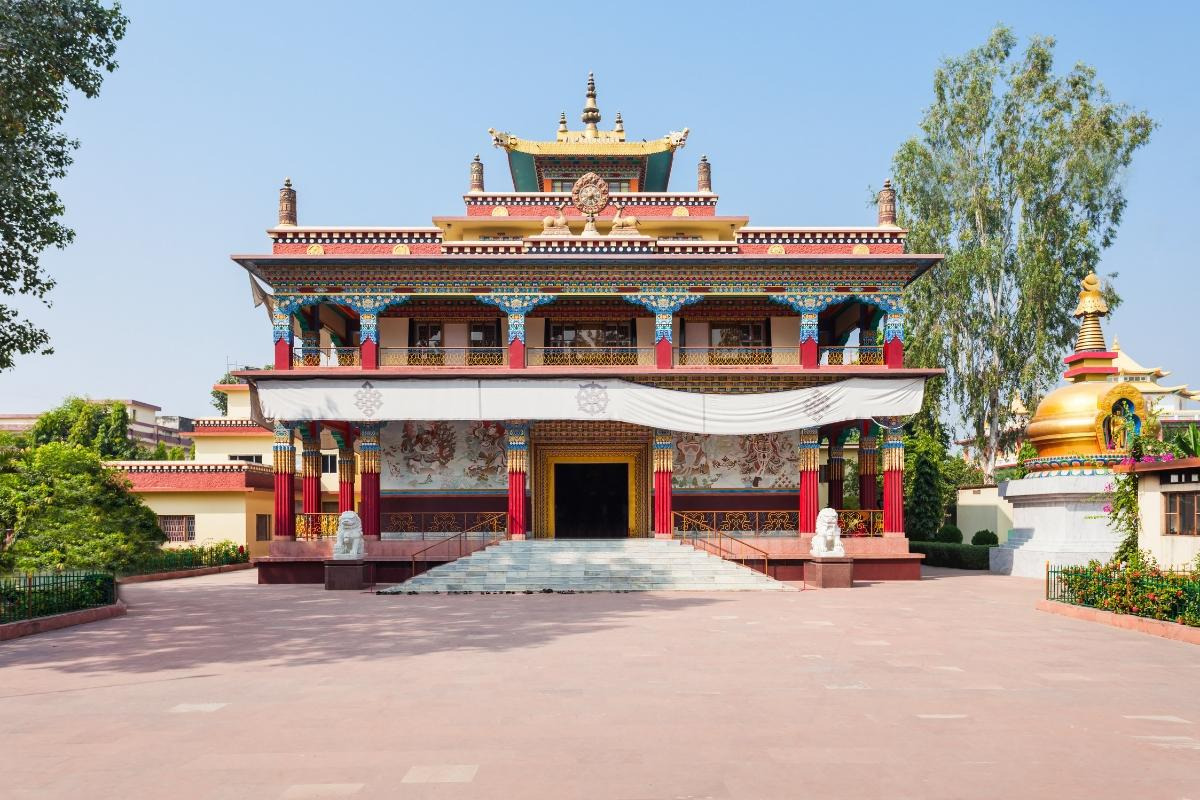
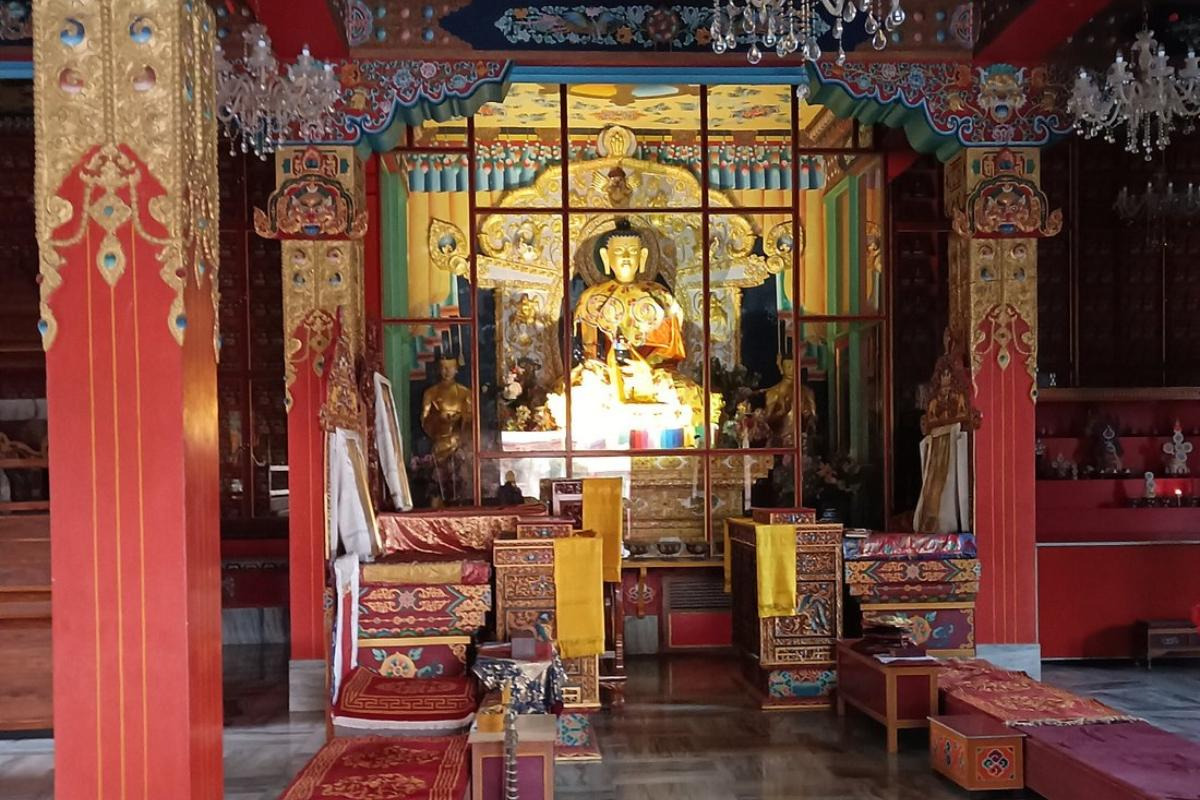
The Tibetan Monastery in Gaya is a serene complex built in the 20th century, showcasing traditional Tibetan architecture with its vibrant colours and intricate designs. The structure houses a large statue of the Buddha and is surrounded by lush gardens, offering a calm atmosphere that invites reflection and peace. Plan to spend some time wandering the grounds, particularly in the early morning when the chill lingers and the monks engage in their morning prayers. Nearby, the Vishnupad Temple and the banks of the Phalgu River are worth exploring, adding to the spiritual richness of the area.
Best activities to do in Gaya
Explore all (7) → 3 days
Three-day private tour of Bodhgaya's Buddhist sites
 30 min
Private transfer service from Bodhgaya Airport
 20 min
Private airport transfer from Gaya Airport to Gaya city or hotels
 3 days
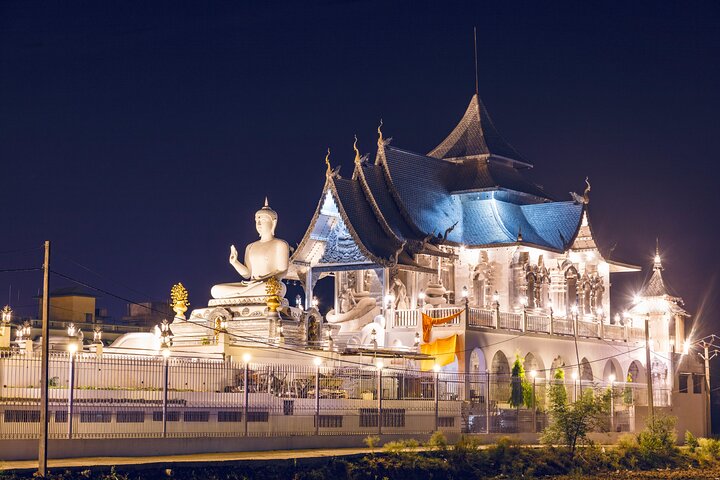
Bodh Gaya and Gaya – Buddhist heritage tour
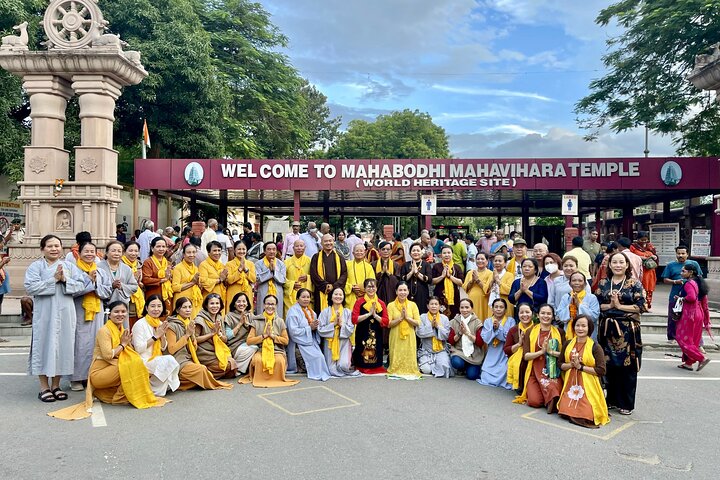
Private transfer from Gaya Airport to Bodhgaya hotels

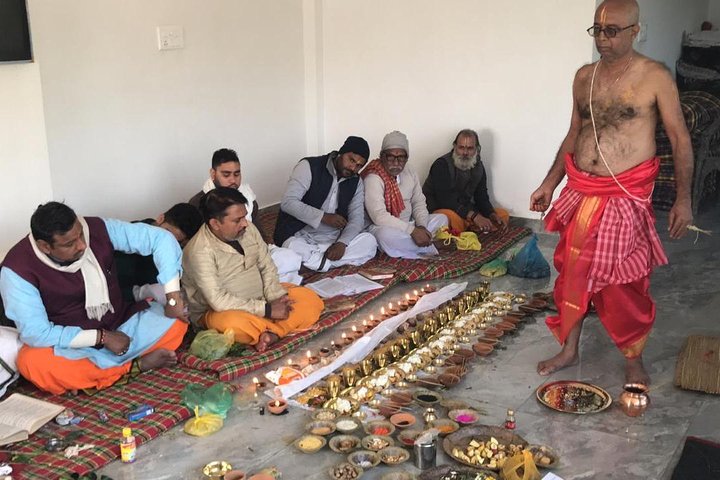
Pind daan rituals at Gaya with South Indian priest
 2 days