rovostays·

Private city tour of Jaipur with Amber Fort and Hawa Mahal

5.0· 8 reviewsFrom INR 484
Private city tour of Jaipur with Amber Fort and Hawa Mahal — Cultural & heritage things to do in Jaipur

Full-day private tour with an air-conditioned vehicle — visit Amber Fort, Hawa Mahal, and photo spots like Patrika Gate and Panna Meena Stepwell.

This private city tour offers a flexible schedule tailored to your pace, ensuring a personalized exploration of Jaipur's iconic landmarks. The air-conditioned vehicle provides comfortable travel throughout the day, with pickup available from any hotel, airport, or train station.

The itinerary includes visits to Amber Fort and Hawa Mahal, as well as popular photo locations like Patrika Gate and the Panna Meena Stepwell. Your guide also shares intriguing stories about the region's history and culture, giving you a deeper understanding of the Pink City.

Places you'll visit

FAQ

Good to know

What's included in this experience?+
• Water in bottles • Air conditioning in the vehicle • Tour guide • Fees for parking
What's NOT included?+
• Tips • Admission fee
What should I know before booking?+
• Infants must be seated on an adult's lap • Not advisable for individuals with spinal injuries • Not advisable for those with poor cardiovascular conditions • Appropriate for all levels of physical fitness
What's the cancellation policy?+
To receive a full refund, cancellations must be made at least 24 hours prior to the planned departure time.
How does pickup work?+
Flexible pickup and drop-off service is provided. The journey is designed to be hassle-free, with door-to-door assistance available. Whether your accommodation is a hotel, guest house, private residence, or if you are arriving at Jaipur Airport (JAI) or the railway station, a driver will be present to greet you. Just share your location, and our professional driver will meet you at the entrance for a smooth beginning to your time in Jaipur.
What's the itinerary?+
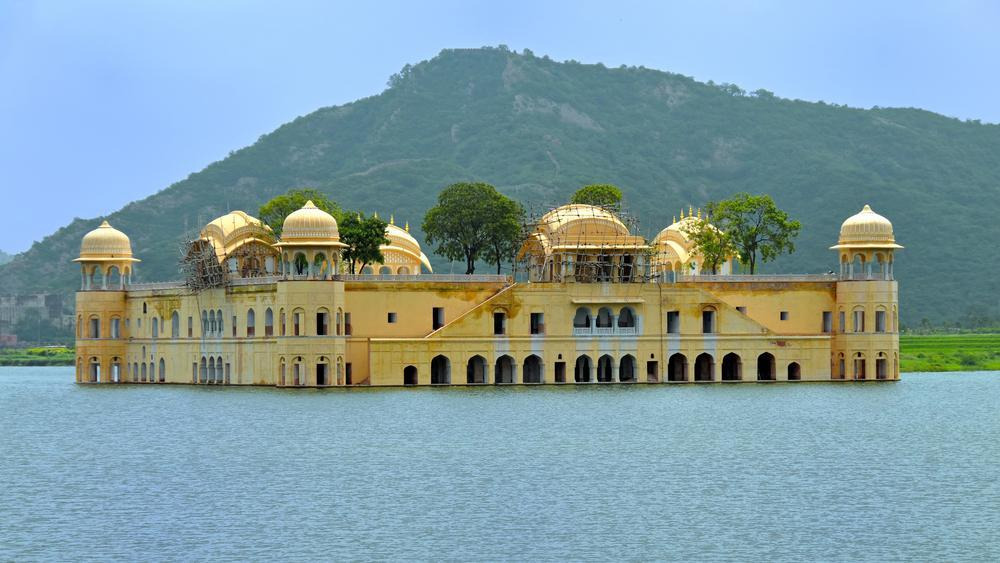
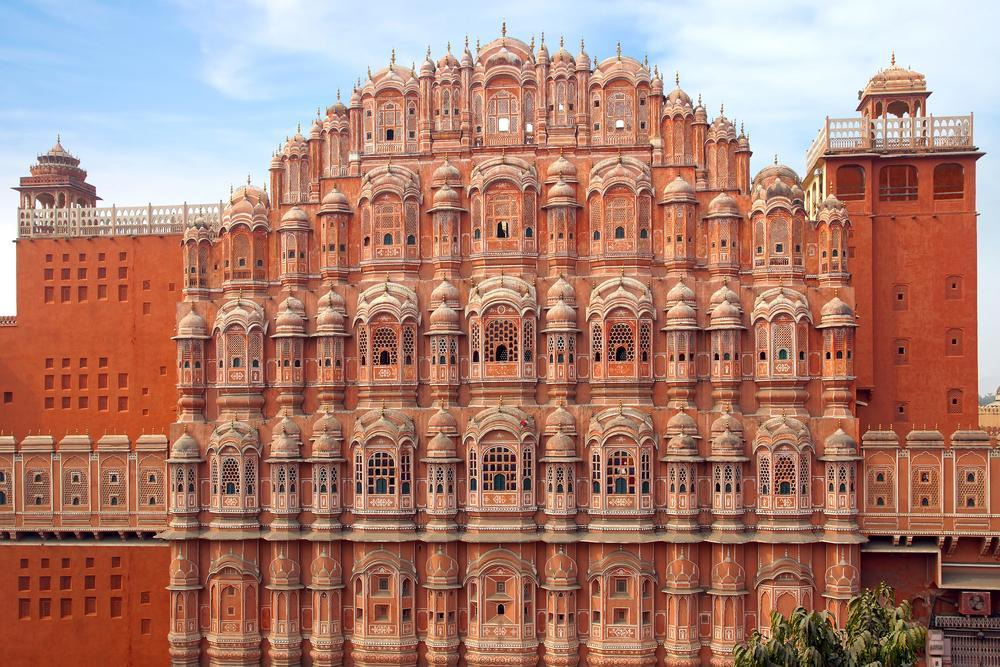
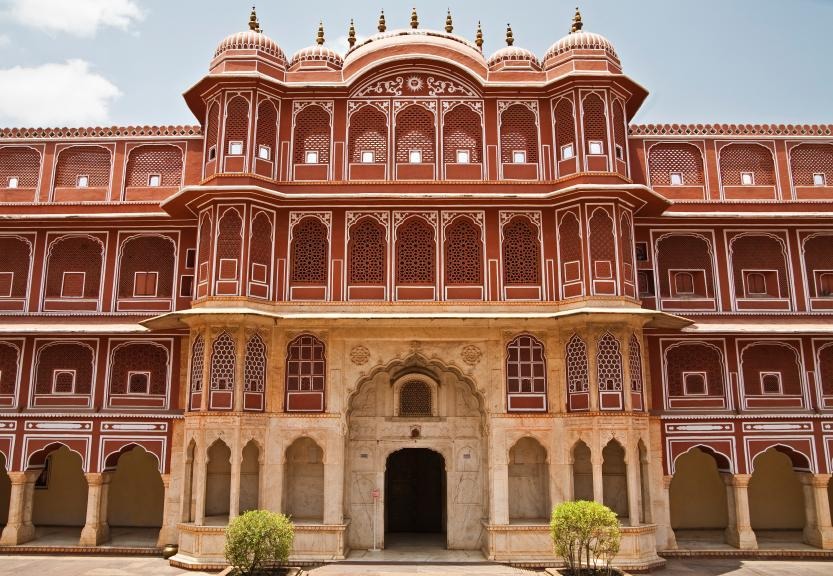
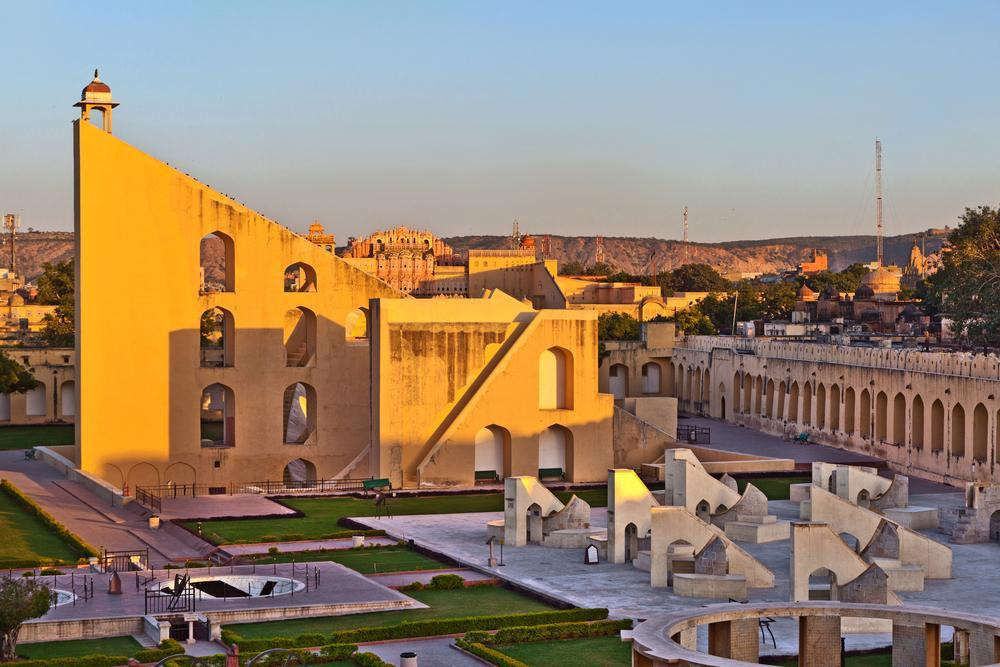
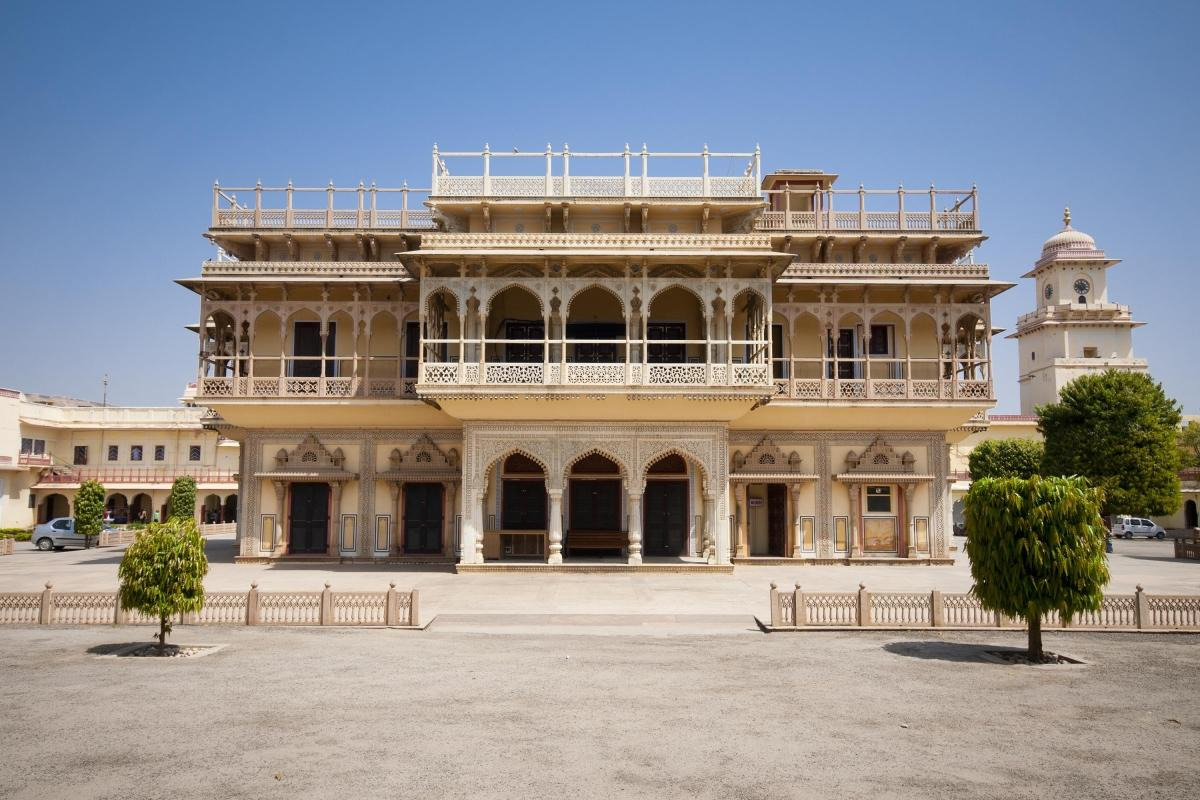
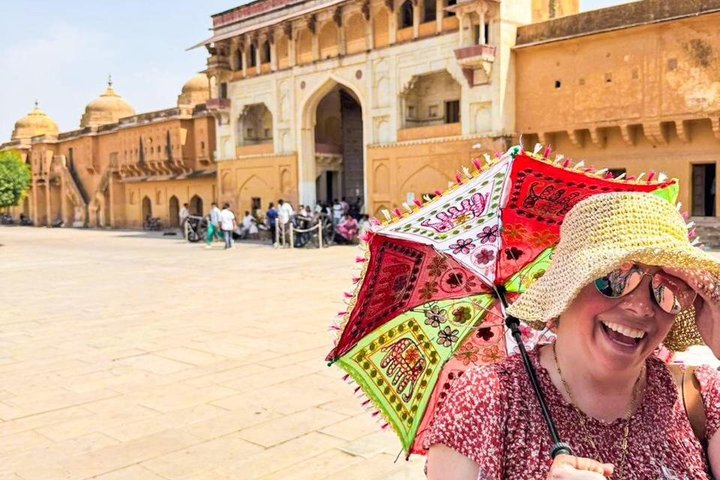
• Amber Fort, positioned near Jaipur, is a notable illustration of Rajput architecture, merging Hindu and Mughal styles. Constructed in the 16th century, the fort is recognized for its impressive red sandstone and marble construction, elaborate mirror work, and vast courtyards. Guests can wander through its grand halls, such as the Sheesh Mahal, and take in remarkable vistas of the adjacent hills and Maota Lake. As a UNESCO World Heritage site, Amber Fort showcases the grandeur of the Rajput era. • Panna Meena Ka Kund is an exquisite stepwell situated close to Amber Fort in Jaipur. Erected in the 16th century, this architectural wonder boasts detailed geometric patterns and tiered steps descending to the water. The kund functioned as both a water source and a venue for social interactions, exemplifying the sophisticated engineering of its time. Encircled by lush gardens, it offers a peaceful retreat and insight into Jaipur's rich cultural heritage. Its combination of aesthetics and utility makes it a notable place to visit. • Jal Mahal, known as the "Water Palace," is a remarkable architectural structure located in the center of Man Sagar Lake in Jaipur. Constructed in the 18th century, this elegant palace showcases a fusion of Rajput and Mughal architectural styles, highlighted by ornately designed balconies and gardens. Although much of the building is submerged, it presents a scenic view, especially during sunrise and sunset. Originally a royal escape, the palace is now a favored location for photography and leisurely boat rides, reflecting Jaipur's cultural legacy. • The City Palace in Jaipur represents a captivating blend of Rajasthani and Mughal architecture, featuring detailed carvings, colorful courtyards, and opulent halls. Overlooking the tranquil Lake Pichola, it offers insight into the royal history of the Mewar dynasty, with museums displaying exquisite artifacts and panoramic city views. It is an essential destination for those interested in history and architecture. • Jantar Mantar in Jaipur is an 18th-century astronomical observatory established by Maharaja Jai Singh II. It comprises a collection of architectural astronomical instruments intended for observing celestial entities and measuring time. Among its features is the world's largest stone sundial, the Samrat Yantra, alongside various other instruments that reveal the advanced comprehension of astronomy in that period. Jantar Mantar is acknowledged as a UNESCO World Heritage site, underscoring its historical and scientific importance. • Hawa Mahal, referred to as the "Palace of Winds," is a distinctive pink sandstone building in Jaipur, recognized for its elaborate latticework and 953 small windows. Constructed in 1799, it was created for royal women to view street events without being seen. Its unique honeycomb design and intricate detailing make it a significant example of Rajput architecture and an essential landmark.

Visiting Jaipur?

Stay with Rovostays

Hand-picked, verified serviced apartments — concierge always included.