- 4.9· 3,989 reviews97 tours include this
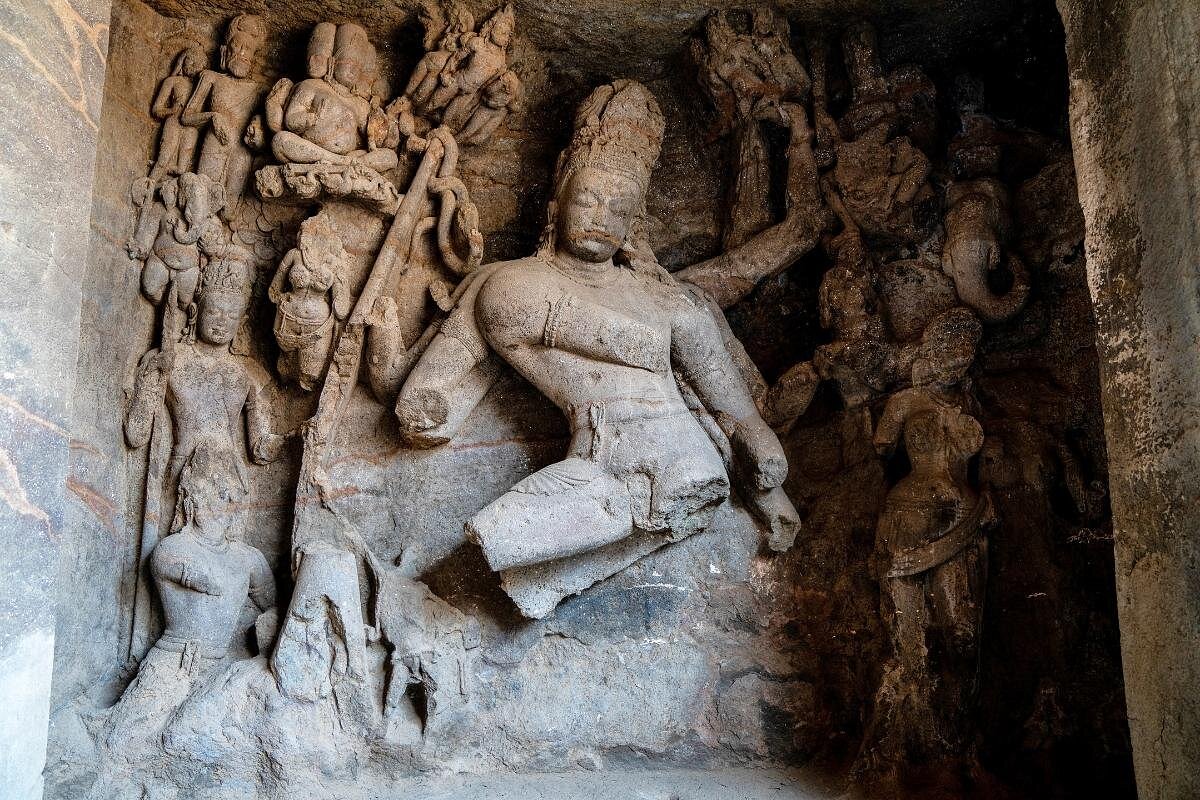
The Elephanta Caves are a network of ancient rock-cut temples located on Elephanta Island, approximately eleven kilometres off the coast of Mumbai. These caves date back to the 5th to 8th centuries and primarily celebrate the Hindu god Shiva, with the most striking feature being the colossal Trimurti, a 20-foot bust that depicts a three-headed Shiva image. To visit, take a ferry from the Gateway of India, which adds to the experience with views of the Mumbai skyline. Spend about two to three hours exploring the intricate carvings and sculptures, particularly in the main cave complex. The island is relatively tranquil; avoid visiting on Mondays, when it tends to be busier.
“This tour perfectly met my expectations for experiencing the city during an extra day added to my business trip. My guide, Subhan, provided excellent insights into the various sites, while Shailader, my driver, picked me up at my hotel near Powaii Lake, which I believe involved an additional fee, but it was well worth it. The ferry ride to Elephanta took an hour each way, and I thoroughly enjoyed exploring the caves and carvings. I had a wonderful day in Mumbai.”— Elisabeth D who visited Elephanta Caves on a Rovostays-listed tour
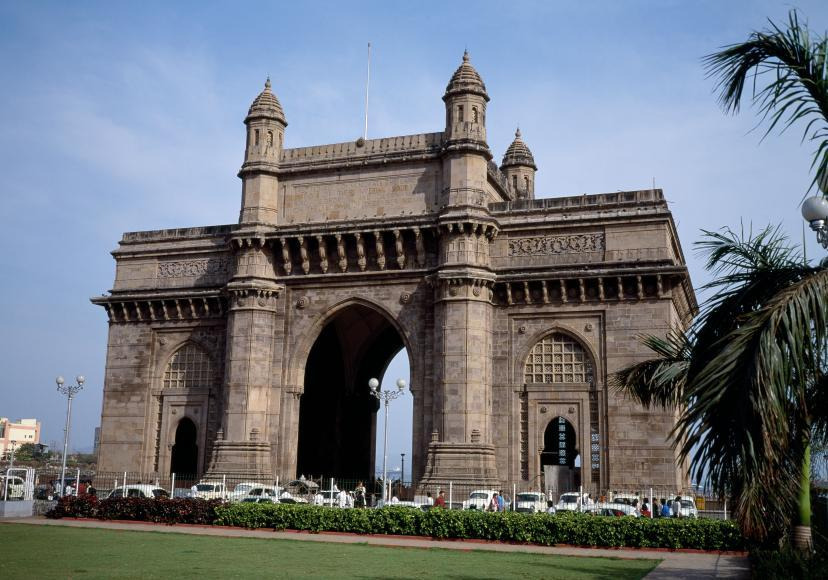
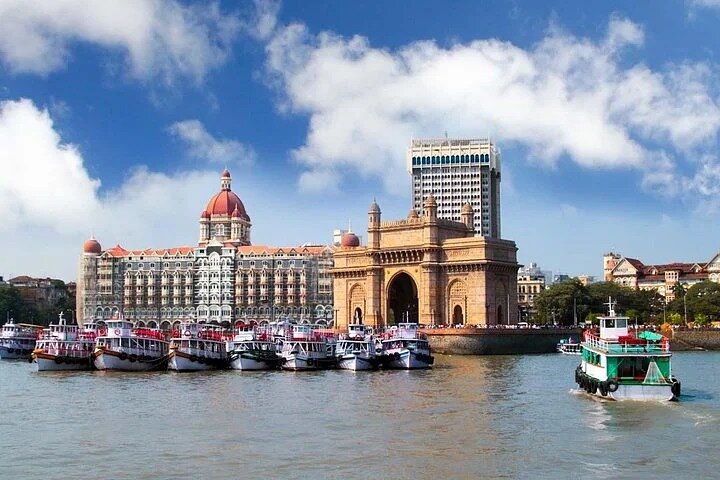
The Gateway of India is a monumental archway built in 1924 to commemorate the visit of King George V and Queen Mary to India, crafted from yellow basalt in Indo-Saracenic style. Standing 26 metres tall, it overlooks the Arabian Sea and serves as a popular meeting point for locals and tourists alike. Visiting is best early in the morning or late afternoon to avoid the heat and crowds. From here, ferries depart for Elephanta Island and other coastal destinations. Nearby, the Taj Mahal Palace hotel adds to the historical allure, creating a picturesque backdrop for photographs.
“I had an enjoyable day with World of Bollywood. While the Bollywood studio tour was a bit lengthy, which limited our sightseeing, the overall experience was excellent. Our guide Tiger was well-informed and shared fascinating details during traffic. The lunch was especially delicious, true to Indian cuisine. The only downside was the driver, who frequently made loud calls and played videos on his phone while driving. Overall, it was a good tour, but there are areas that could be improved, so I rated it 4 stars.”— 744petrs who visited Gateway of India on a Rovostays-listed tour
- 4.9· 10,913 reviews203 tours include this
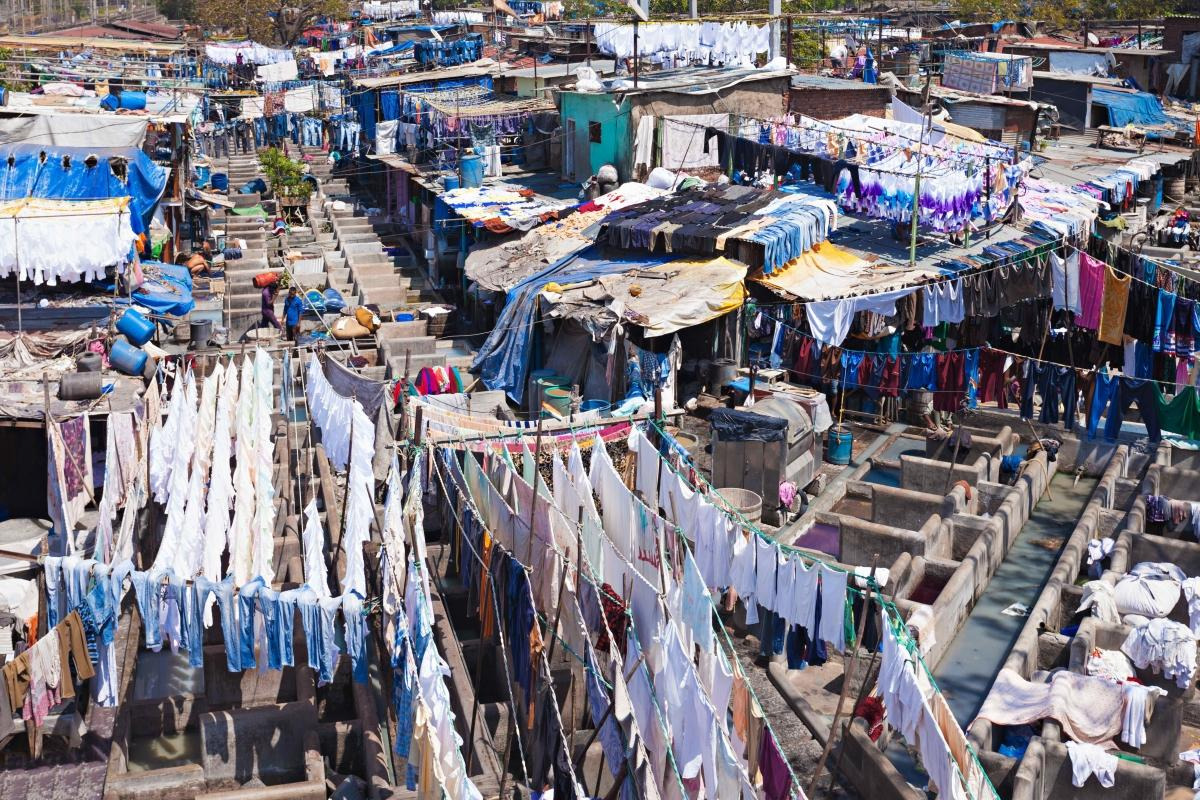
Dhobi Ghat is an open-air laundry complex located in the heart of Mumbai, featuring rows of concrete basins where hundreds of washermen (dhobis) wash and dry clothes daily. Established in the 19th century, it is a striking and organised spectacle, with vibrant heaps of textiles contrasted against the backdrop of the city’s skyline. Visiting is best in the early morning when the dhobis are most active, providing a glimpse into this unique aspect of urban life. It’s situated near Mahalaxmi Station; after exploring, consider heading to the nearby Mahalaxmi Temple for a touch of local spirituality.
“I had an enjoyable day with World of Bollywood. While the Bollywood studio tour was a bit lengthy, which limited our sightseeing, the overall experience was excellent. Our guide Tiger was well-informed and shared fascinating details during traffic. The lunch was especially delicious, true to Indian cuisine. The only downside was the driver, who frequently made loud calls and played videos on his phone while driving. Overall, it was a good tour, but there are areas that could be improved, so I rated it 4 stars.”— 744petrs who visited Dhobi Ghat on a Rovostays-listed tour
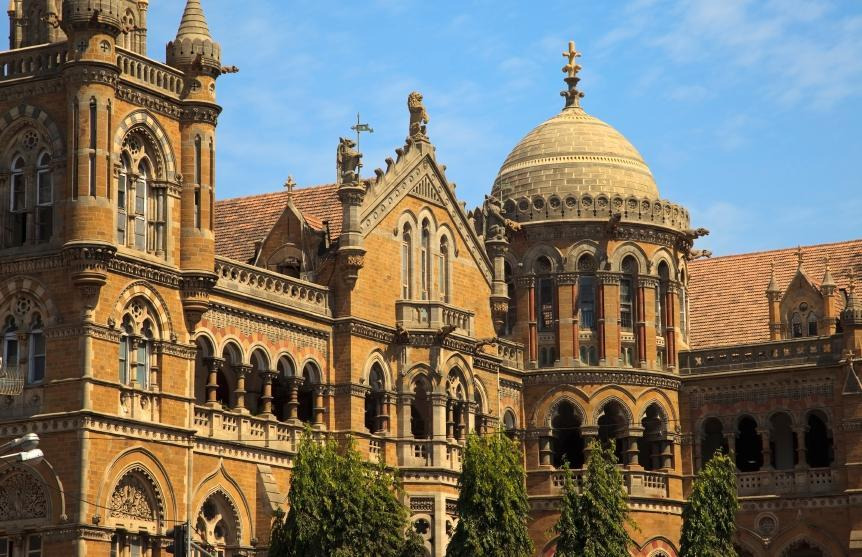
Chhatrapati Shivaji Maharaj Terminus, formerly known as Victoria Terminus, is a UNESCO World Heritage Site and one of Mumbai's busiest railway stations, completed in 1888. This stunning example of Victorian Gothic architecture features a distinctive blend of Indian architectural elements, with its elaborate façade adorned with turrets, arches, and a prominent clock tower that captures the city’s colonial past. Visitors should take time to admire the intricate details of the main hall and the sculptures that adorn the exterior. Early morning provides a quieter experience, while late afternoon is the best time to witness the station’s bustling atmosphere as trains arrive and depart. Nearby, the Shivaji Maharaj Terminus metro station offers access to other parts of the city.
“This tour perfectly met my expectations for experiencing the city during an extra day added to my business trip. My guide, Subhan, provided excellent insights into the various sites, while Shailader, my driver, picked me up at my hotel near Powaii Lake, which I believe involved an additional fee, but it was well worth it. The ferry ride to Elephanta took an hour each way, and I thoroughly enjoyed exploring the caves and carvings. I had a wonderful day in Mumbai.”— Elisabeth D who visited Chhatrapati Shivaji Maharaj Terminus (CSMT) on a Rovostays-listed tour
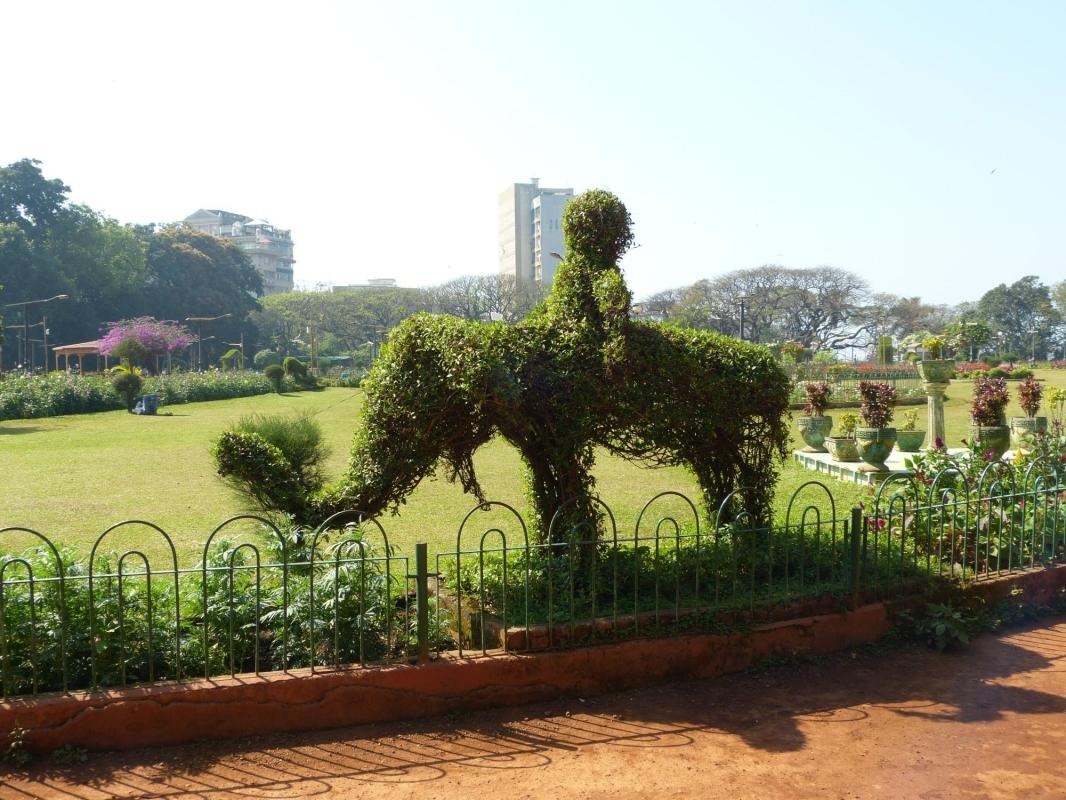
The Hanging Gardens, also known as Ferozeshah Mehta Gardens, is a terraced garden located on the slopes of Malabar Hill, offering well-manicured lawns and panoramic views of the Arabian Sea. Laid out in the 19th century, the gardens are home to a variety of plant species and quirky installations, including hedge mazes and stone sculptures. Visit early in the morning or late in the afternoon to enjoy the serene atmosphere before the crowds arrive. Nearby, the Kamala Nehru Park is famous for its giant shoe sculpture, adding to the charm of this residential area. Watch for the sweeping vistas of the city skyline as the sun sets over the horizon.
“This tour perfectly met my expectations for experiencing the city during an extra day added to my business trip. My guide, Subhan, provided excellent insights into the various sites, while Shailader, my driver, picked me up at my hotel near Powaii Lake, which I believe involved an additional fee, but it was well worth it. The ferry ride to Elephanta took an hour each way, and I thoroughly enjoyed exploring the caves and carvings. I had a wonderful day in Mumbai.”— Elisabeth D who visited Hanging Gardens (Ferozeshah Mehta) on a Rovostays-listed tour
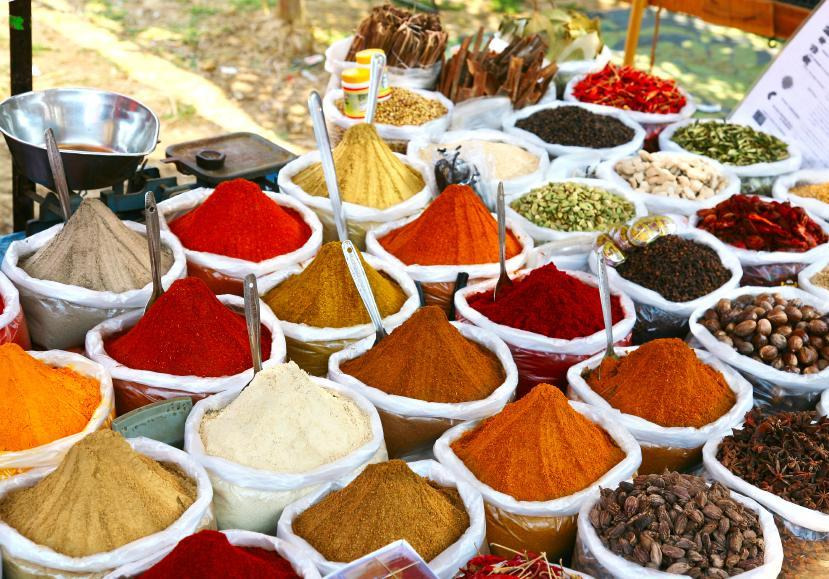
Mahatma Jyotiba Phule Market, commonly known as Crawford Market, is a historic wholesale market established in the late 19th century, originally designed by the British architect William Emerson. The building features a striking Indo-Saracenic style with a clock tower and vaulted ceilings, housing everything from fresh produce to spices and textiles amidst a lively atmosphere. Visit in the early morning when vendors are setting up, as the market is busiest then and the scents and colours are most vibrant. It lies in the bustling Kala Ghoda district, close to other attractions like the Chhatrapati Shivaji Maharaj Terminus and the nearby art galleries. Be mindful of pickpockets in the crowded areas.
“This tour perfectly met my expectations for experiencing the city during an extra day added to my business trip. My guide, Subhan, provided excellent insights into the various sites, while Shailader, my driver, picked me up at my hotel near Powaii Lake, which I believe involved an additional fee, but it was well worth it. The ferry ride to Elephanta took an hour each way, and I thoroughly enjoyed exploring the caves and carvings. I had a wonderful day in Mumbai.”— Elisabeth D who visited Mahatma Jyotiba Phule Market (Crawford Market) on a Rovostays-listed tour
- 07
Dharavi
5.0· 9,404 reviews113 tours include this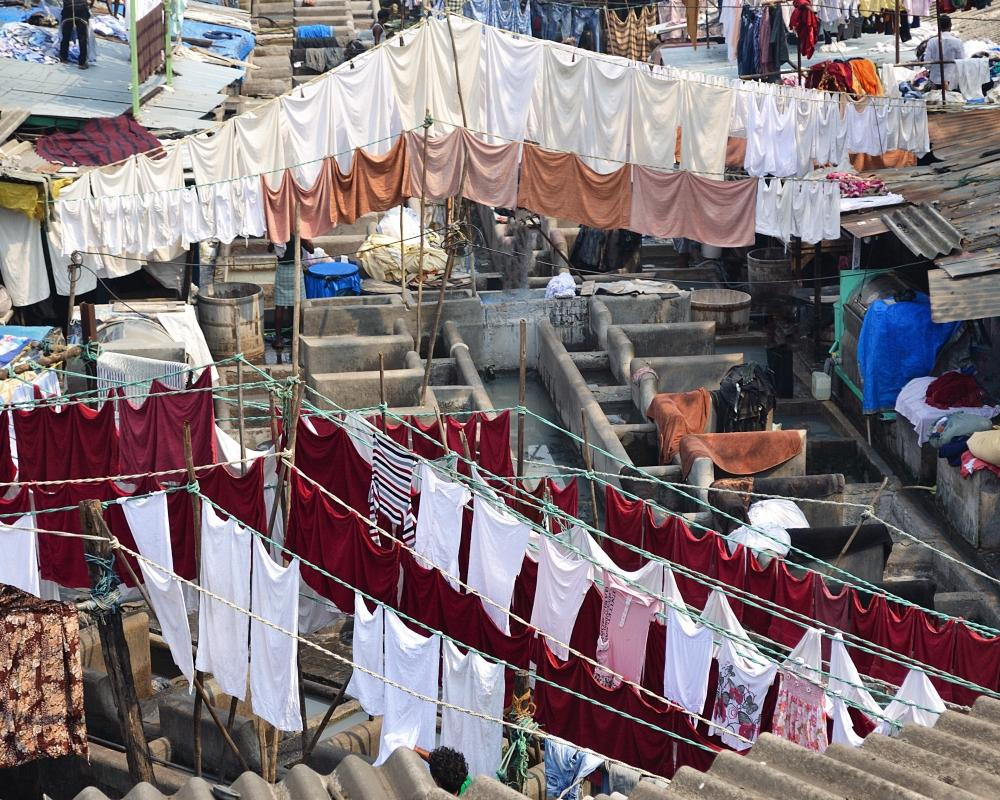
Dharavi is one of Asia's largest slums, characterized by a dense network of narrow alleys housing over a million people within just 2.1 square kilometres. Despite its challenges, it is a hub of creative industry, where small-scale artisans produce everything from leather goods to pottery, showcasing a remarkable resilience and entrepreneurial spirit. A walk through Dharavi reveals a vivid tapestry of daily life: bustling markets, community kitchens, and countless workshops. Engaging with local guides can provide insight into the thriving businesses and social initiatives that operate here. The experience is raw and enlightening, with a palpable sense of community amid the hustle.
“Sufiyan provided a very informative and enjoyable tour of the district.”— benceg279 who visited Dharavi on a Rovostays-listed tour
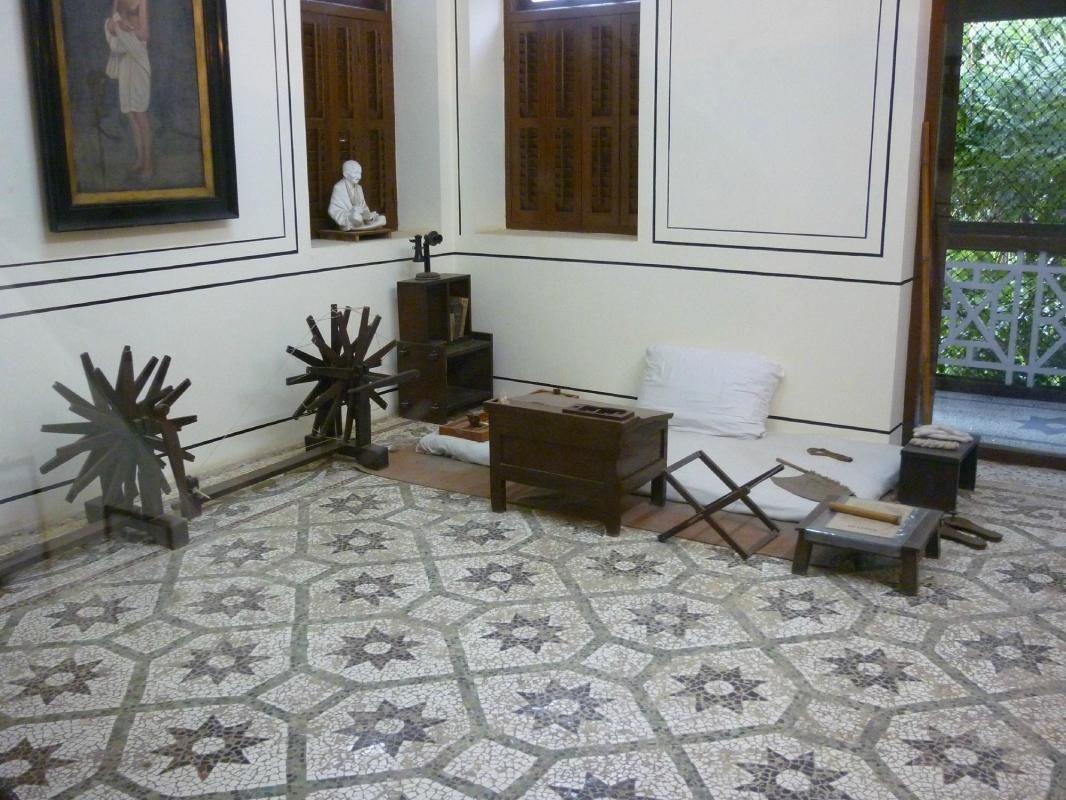
Mani Bhavan Gandhi Sangrahalaya is the former residence of Mahatma Gandhi in Mumbai, where he stayed from 1917 to 1934. This modest three-storey building now serves as a museum dedicated to his life and the Indian independence movement, showcasing personal memorabilia, photographs, and letters that narrate his journey and philosophy. Plan around an hour for a self-guided tour, and consider visiting in the morning to fully appreciate the tranquil atmosphere. It is located in the Girangaon area, not far from Kamala Nehru Park and the vibrant streets of Matunga, making it a perfect stop for a reflective break during a city exploration.
“I had an enjoyable day with World of Bollywood. While the Bollywood studio tour was a bit lengthy, which limited our sightseeing, the overall experience was excellent. Our guide Tiger was well-informed and shared fascinating details during traffic. The lunch was especially delicious, true to Indian cuisine. The only downside was the driver, who frequently made loud calls and played videos on his phone while driving. Overall, it was a good tour, but there are areas that could be improved, so I rated it 4 stars.”— 744petrs who visited Mani Bhavan Gandhi Sangrahalaya on a Rovostays-listed tour
- 4.9· 7,294 reviews114 tours include this
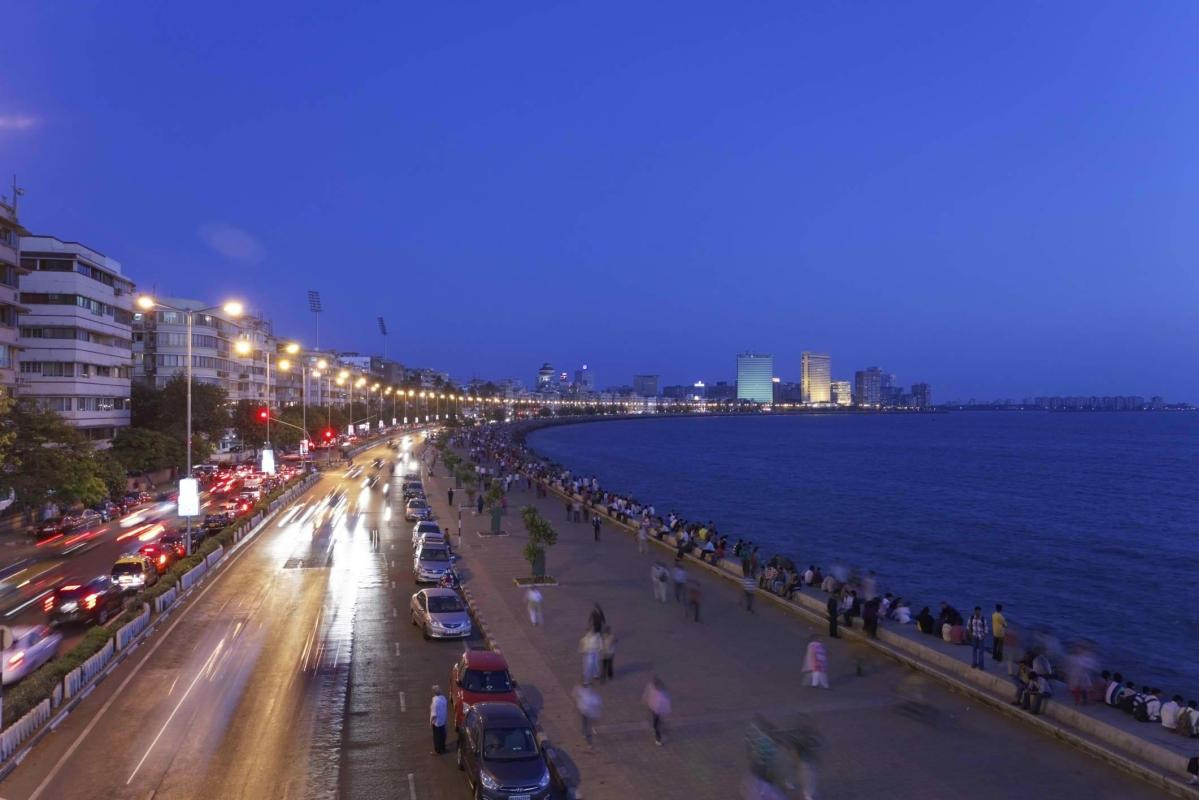
Marine Drive is the 3.6-kilometre crescent that runs from Nariman Point to Malabar Hill along the western edge of South Mumbai, its Art Deco apartment blocks facing the Arabian Sea across a six-lane promenade. It is sometimes called the Queen's Necklace for the curve of streetlights that traces the bay after dark. The crowd is at its best around sunset, when the joggers thin out and the bhelpuri carts come on. Chowpatty Beach sits at the northern end; the Wankhede Stadium is one block inland. Avoid midday in summer.
“I had an enjoyable day with World of Bollywood. While the Bollywood studio tour was a bit lengthy, which limited our sightseeing, the overall experience was excellent. Our guide Tiger was well-informed and shared fascinating details during traffic. The lunch was especially delicious, true to Indian cuisine. The only downside was the driver, who frequently made loud calls and played videos on his phone while driving. Overall, it was a good tour, but there are areas that could be improved, so I rated it 4 stars.”— 744petrs who visited Marine Drive on a Rovostays-listed tour
- 4.8· 2,936 reviews22 tours include this
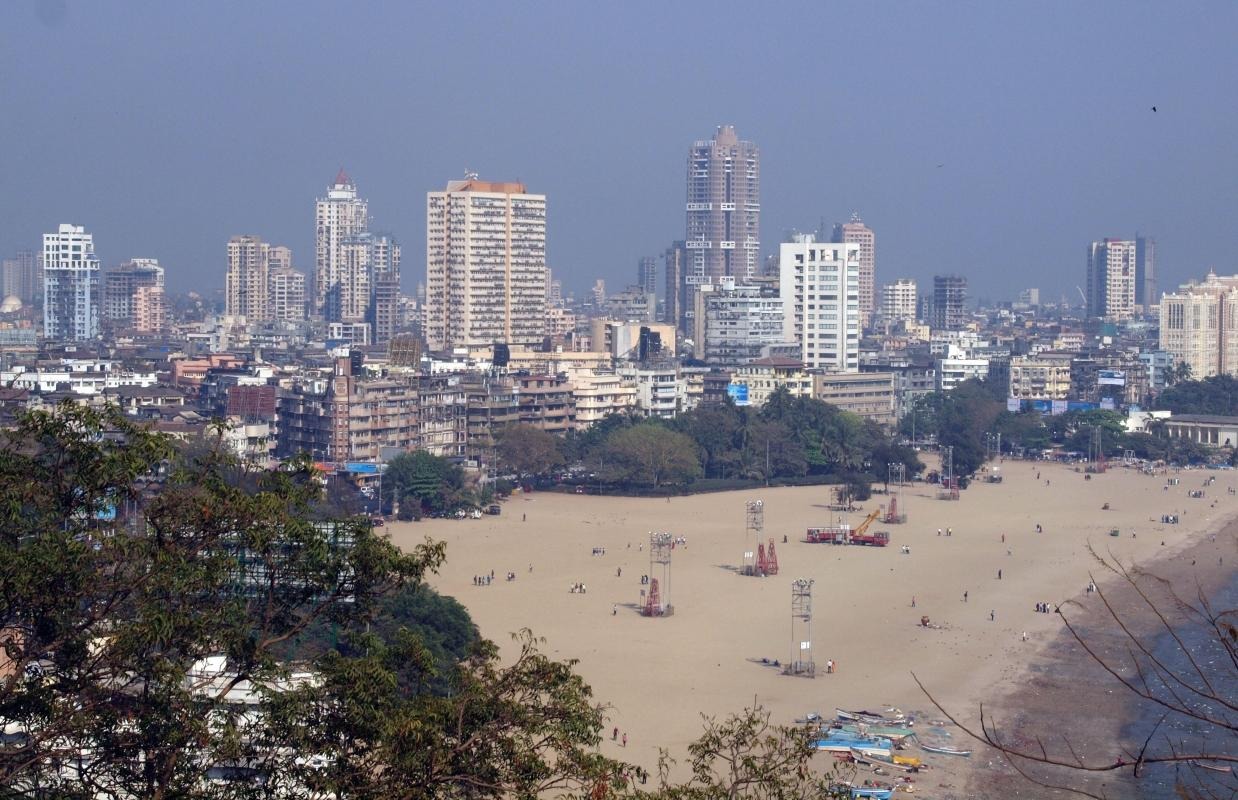
Malabar Hill is a prominent residential area in South Mumbai, known for its affluent streets, lavish homes, and striking views overlooking the Arabian Sea. The Hill is home to notable sites such as the Hanging Gardens, an artificial terraced garden laid out in the late 19th century, providing a serene spot amid the urban landscape. Plan to spend some time walking through the gardens, particularly in the early morning or late afternoon when the temperatures are milder. The area offers a glimpse into Mumbai's elite lifestyle, with nearby attractions like the Banganga Tank and the iconic Raj Bhavan, enhancing its appeal beyond mere views.
“I had a fantastic tour with Shruti and JQ! The duration was ideal for me, and we visited several shops that I was interested in.”— Y7671SJelizabeths who visited Malabar Hill on a Rovostays-listed tour
- 4.9· 4,793 reviews70 tours include this
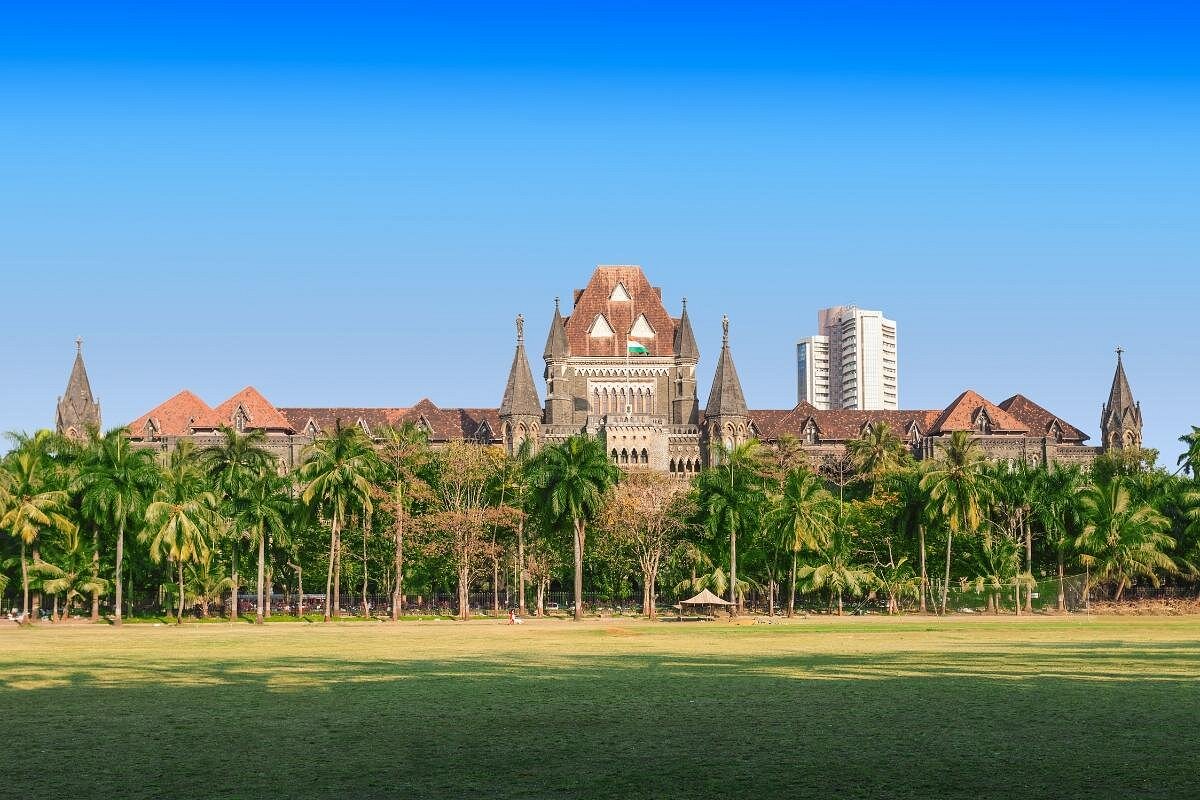
The Bombay High Court is a historic building established in 1862, featuring a striking Gothic architectural style with ornate facades and soaring arches. Designed by British architect Sir Elphinstone, it is located in Fort and is one of the oldest high courts in India, serving as a key centre for justice in the region. Visitors can admire the intricate sculptures and stained-glass windows as they explore the vicinity, best appreciated on weekdays when the court is in session. Nearby, you can find the Chhatrapati Shivaji Maharaj Vastu Sangrahalaya for a dose of culture, while the quiet surrounding streets offer a glimpse into colonial Mumbai's architecture.
- 4.9· 301 reviews13 tours include this
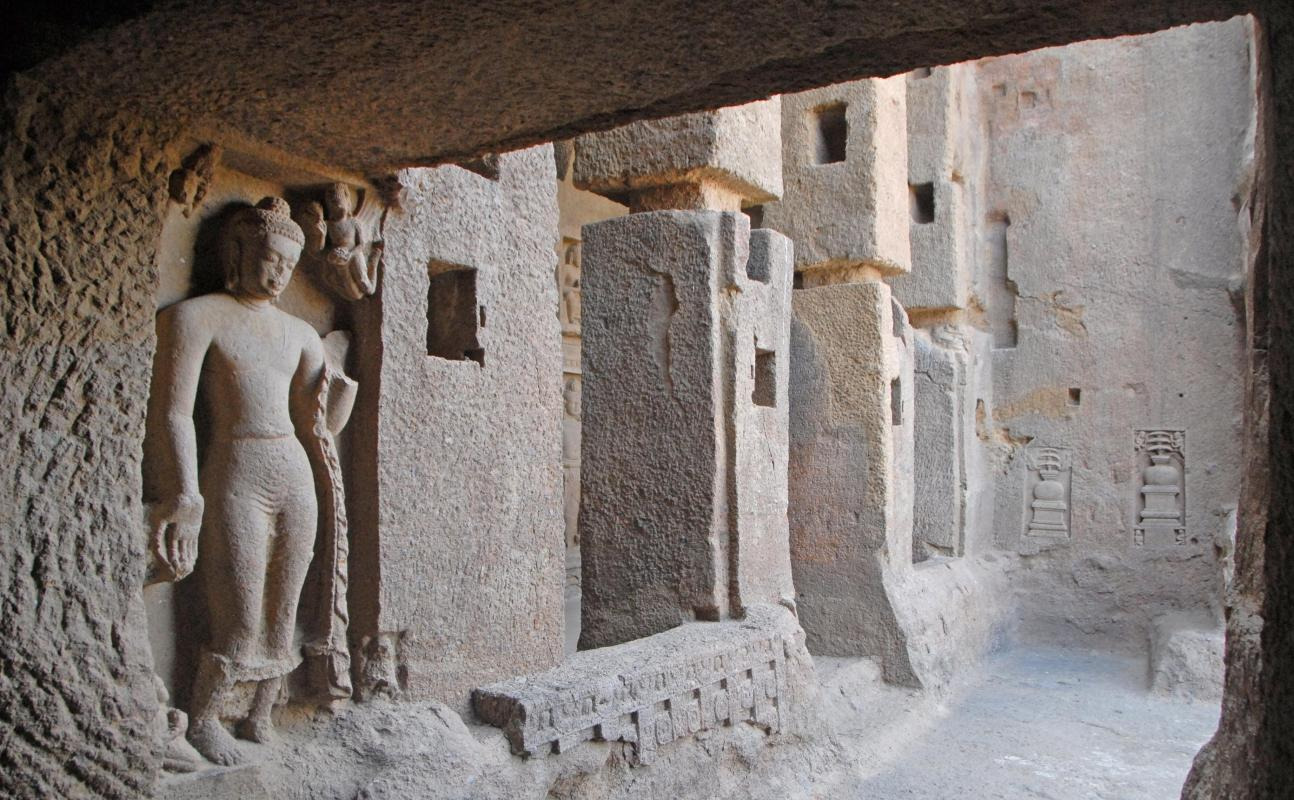
Sanjay Gandhi National Park is a sprawling green expanse of 104 square kilometres situated within the city limits of Mumbai, established in 1996 and housing the ancient Kanheri Caves that date back to the 1st century BCE. The park is a vital ecological zone, sanctuary to diverse flora and fauna, including leopards, deer, and over 250 bird species. Plan at least half a day to explore, particularly if you're keen on hiking or visiting the caves. The park is best visited in the cooler months, and entering early avoids both the heat and the crowds. The nearby Lokhandwala complex offers cafes for a post-adventure break.
- 4.9· 8,419 reviews89 tours include this
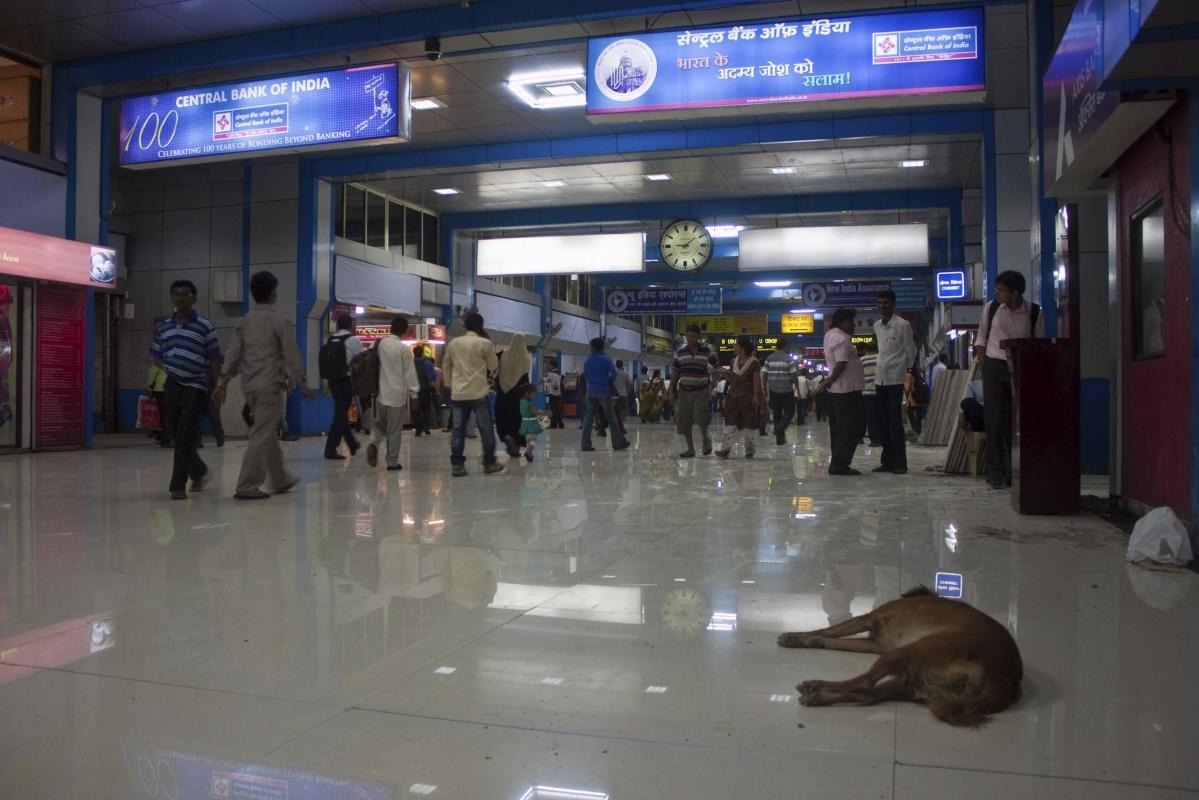
Churchgate is a busy railway station located in the heart of South Mumbai, built in the late 19th century in a Gothic Revival style. It serves as an important junction for the Western Line of the Mumbai suburban railway and is known for its iconic clock tower and picturesque façade that showcases the city’s colonial history. Take a moment to explore the surrounding area, which is filled with iconic landmarks like the Bombay High Court and the Asiatic Society Library. Visit during the morning or late afternoon to experience the lively atmosphere as commuters rush to and from the station. The nearby Marine Drive is just a short walk away for a pleasant coastal stroll.
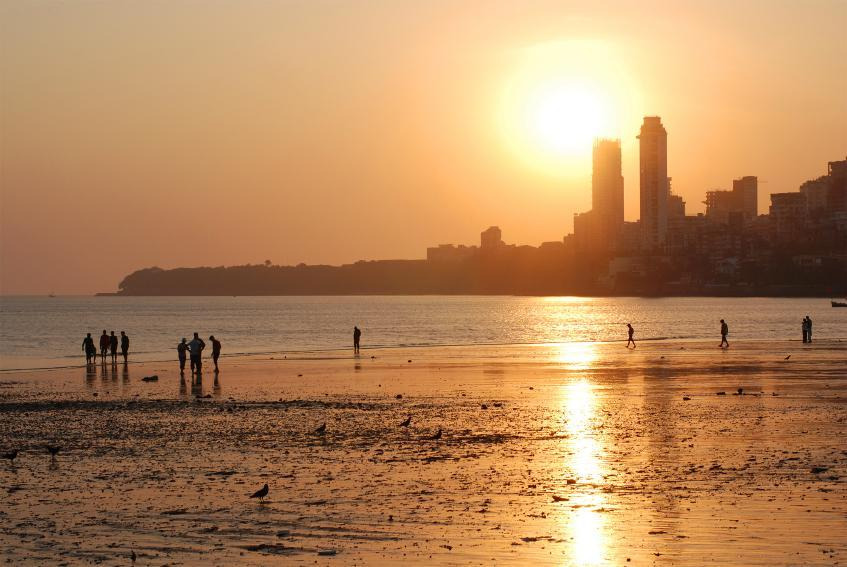
Chowpatty Beach is a popular urban beach located along the western shoreline of Mumbai, stretching over a kilometre. Known for its soft sands and lively atmosphere, it attracts locals and tourists alike, particularly in the evenings when the area's vibrant street food scene comes to life with stalls selling fresh bhelpuri and pav bhaji. Visit during the early evening when the setting sun casts a warm glow across the water, making for a picturesque scene. The beach is adjacent to Marine Drive and is within walking distance of several key attractions, including the Bombay High Court and Girgaum Chowpatty, where you can often spot locals enjoying leisurely strolls or picnics.
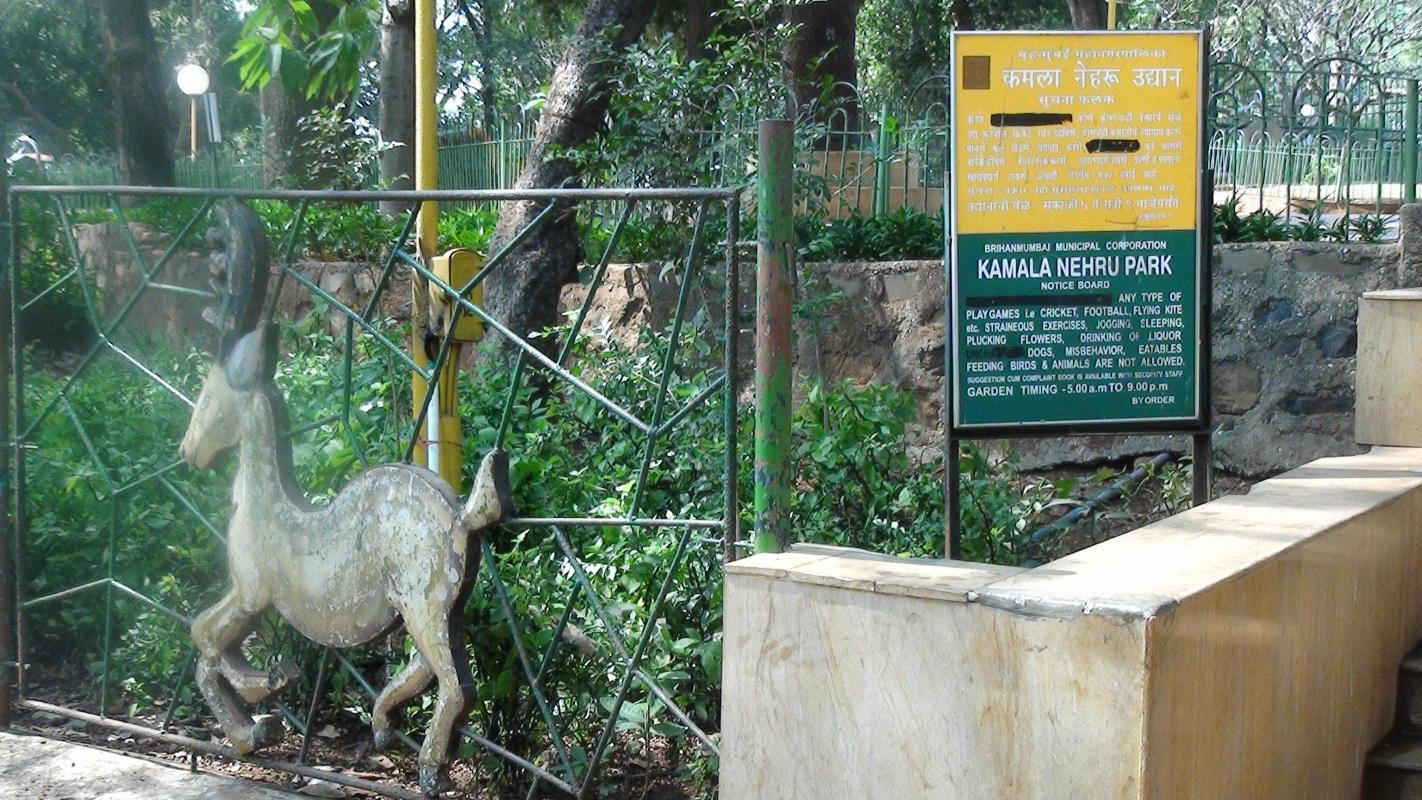
Kamala Nehru Park is a terraced garden located in the affluent neighbourhood of Malabar Hill, covering about 4.5 acres. Designed in 1952, it features well-maintained lawns, numerous flowerbeds, and a large sculptural installation of a giant shoe, inviting children to play and explore. The park offers a scenic view of the Mumbai skyline and the Arabian Sea. Visit in the morning or late afternoon for pleasant temperatures and softer light. The park is adjacent to the Hanging Gardens, making it an excellent stop for a leisurely stroll before or after exploring the stunning views. The scent of blooming flowers lingers in the air, providing a peaceful respite from the city.
- 4.9· 1,222 reviews45 tours include this
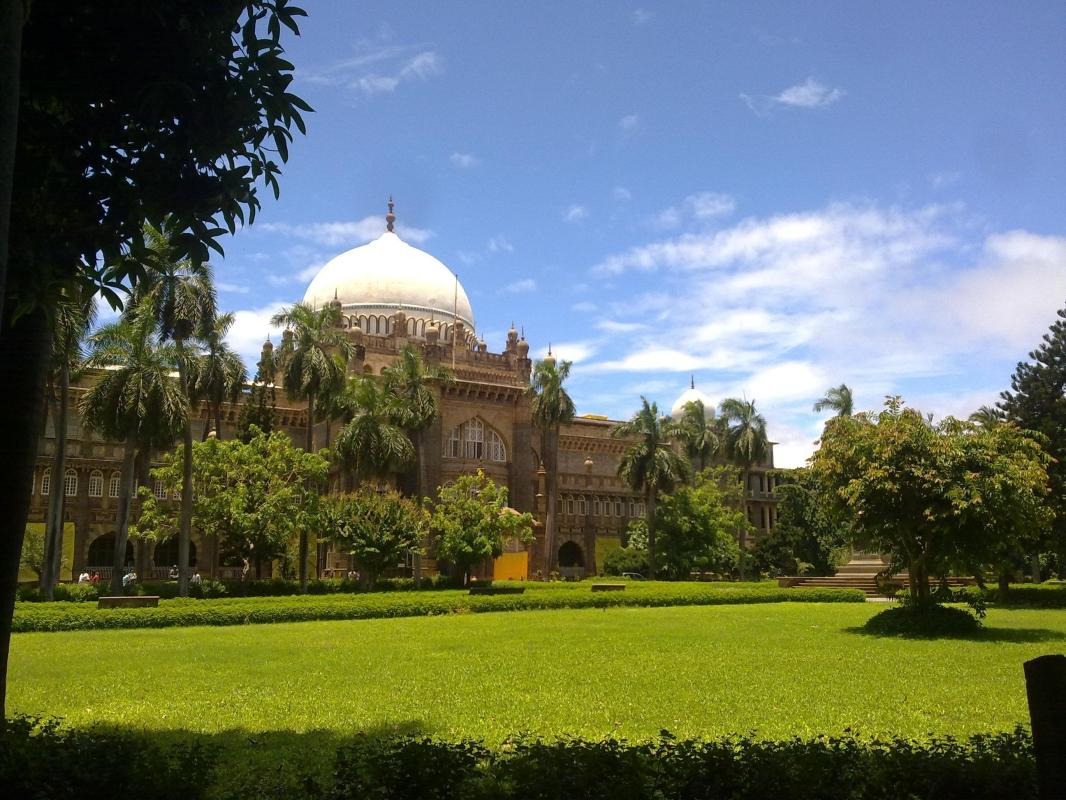
Chhatrapati Shivaji Maharaj Vastu Sangrahalaya (CSMVS) is Mumbai's principal museum, housed in a striking Indo-Saracenic building completed in 1923. The structure, originally known as the Prince of Wales Museum, features intricate details and an impressive dome, showcasing a diverse collection of art, archaeology, and natural history from India and beyond. Visitors can spend hours exploring its extensive galleries, particularly those dedicated to Indian miniature paintings and artifacts from across the subcontinent. The museum is best visited in the morning for a quieter experience and is conveniently located near Kala Ghoda, making it easy to explore the surrounding art district after your visit.
- 4.9· 509 reviews34 tours include this
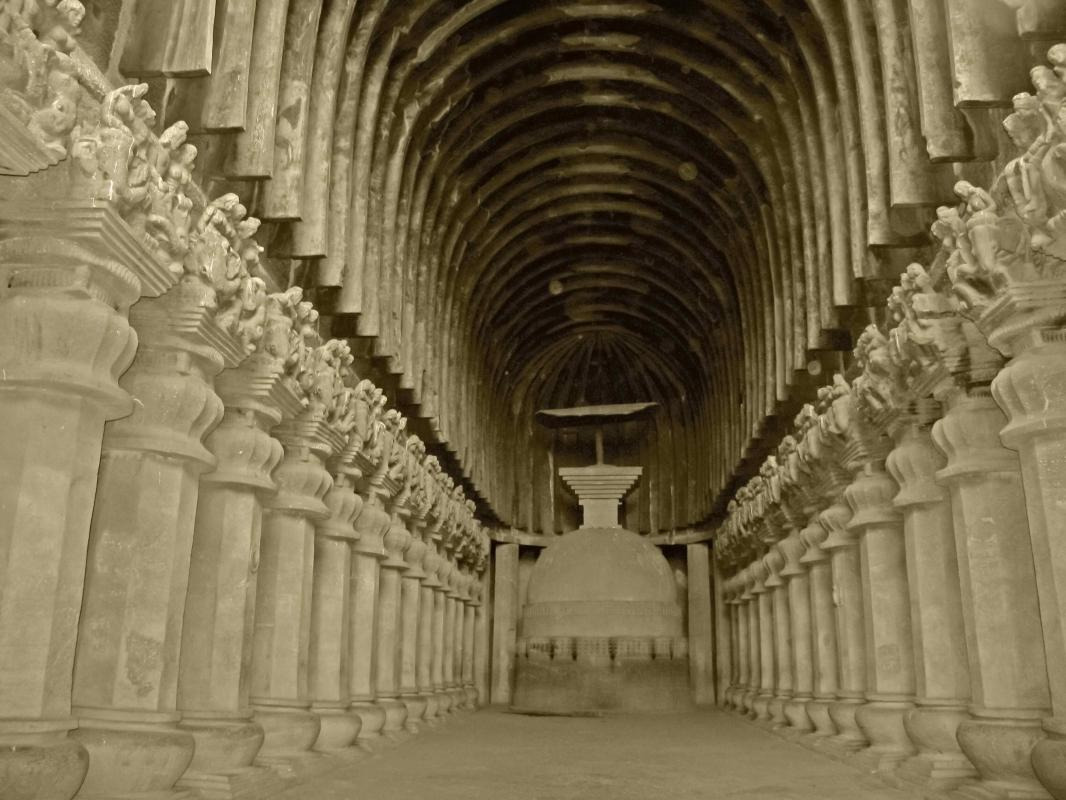
The Kanheri Caves comprise over 100 rock-cut structures dating back to the 1st century BCE, situated within the Sanjay Gandhi National Park on the outskirts of Mumbai. These Buddhist caves feature intricate carvings, stupas, and water cisterns, showcasing the monastic life of ancient monks who resided here while promoting Buddhist teachings. A visit typically takes a few hours, with cooler months offering the best experience. Be prepared for a short trek through the national park to reach the caves, where the surrounding greenery contrasts starkly with the weathered stone. Look for the large Chaitya hall, which is particularly impressive.
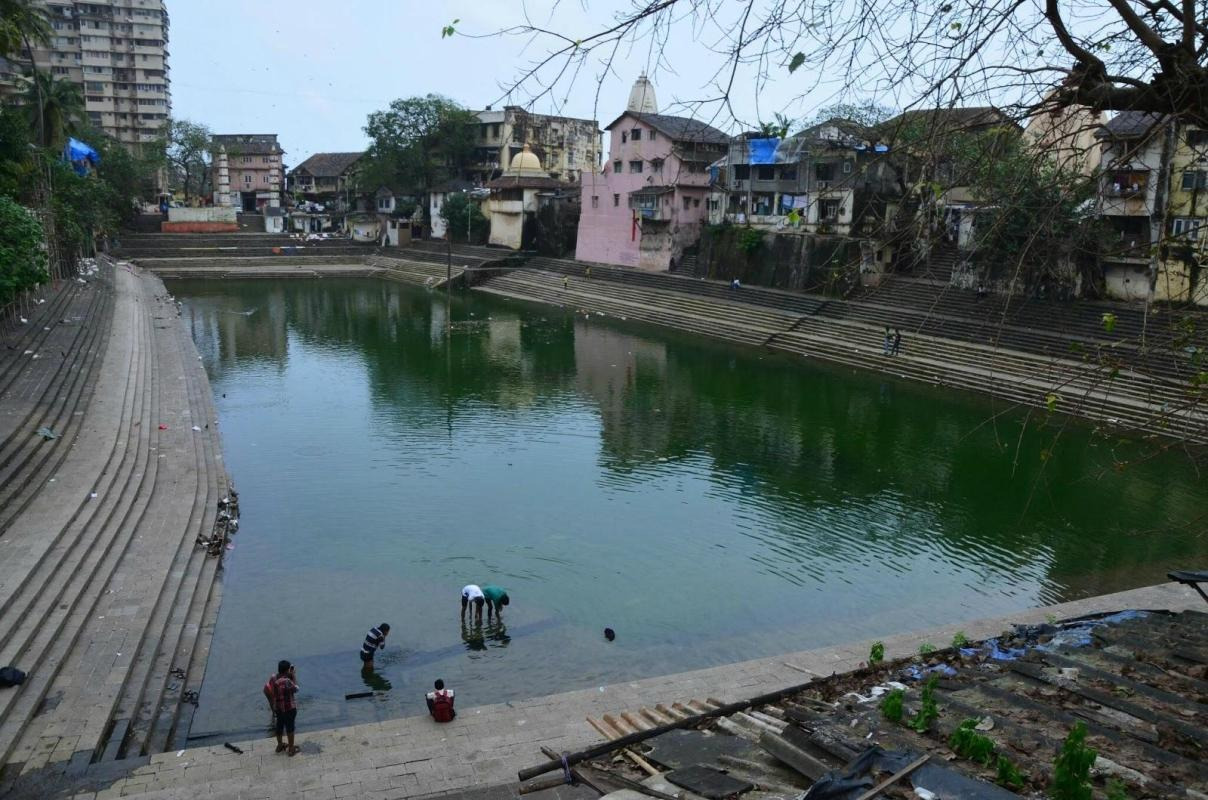
Banganga Tank, or Banganga Talav, is a medieval water tank located in the heart of the Walkeshwar neighbourhood, dating back to the 12th century. It is part of a larger temple complex that holds a significant place in Hindu mythology, with numerous shrines and ghats lining its sides, creating a serene environment amid the city's chaos. A visit offers a glimpse into Mumbai’s ancient history, with locals often performing rituals along the steps of the tank. Early mornings are the best time for photography, when the light is soft and the tank is less crowded. Nearby attractions include the Walkeshwar Temple and the bustling lanes of Malabar Hill.
- 19
Colaba

Colaba is a vibrant neighbourhood in South Mumbai known for its colonial architecture and cultural landmarks. The bustling area offers a mix of historical sites such as the Gateway of India and the Taj Mahal Palace Hotel, alongside lively street markets and cafes that reflect the city's cosmopolitan character. A walk along Colaba Causeway is essential, where you can browse through shops selling everything from antiques to handmade crafts. The best time to visit is late afternoon, as the streets come alive with locals and tourists alike. Take a moment to appreciate the Dhobi Talao, the city's oldest laundry, which is a fascinating scene of daily life.
- 4.8· 167 reviews4 tours include this
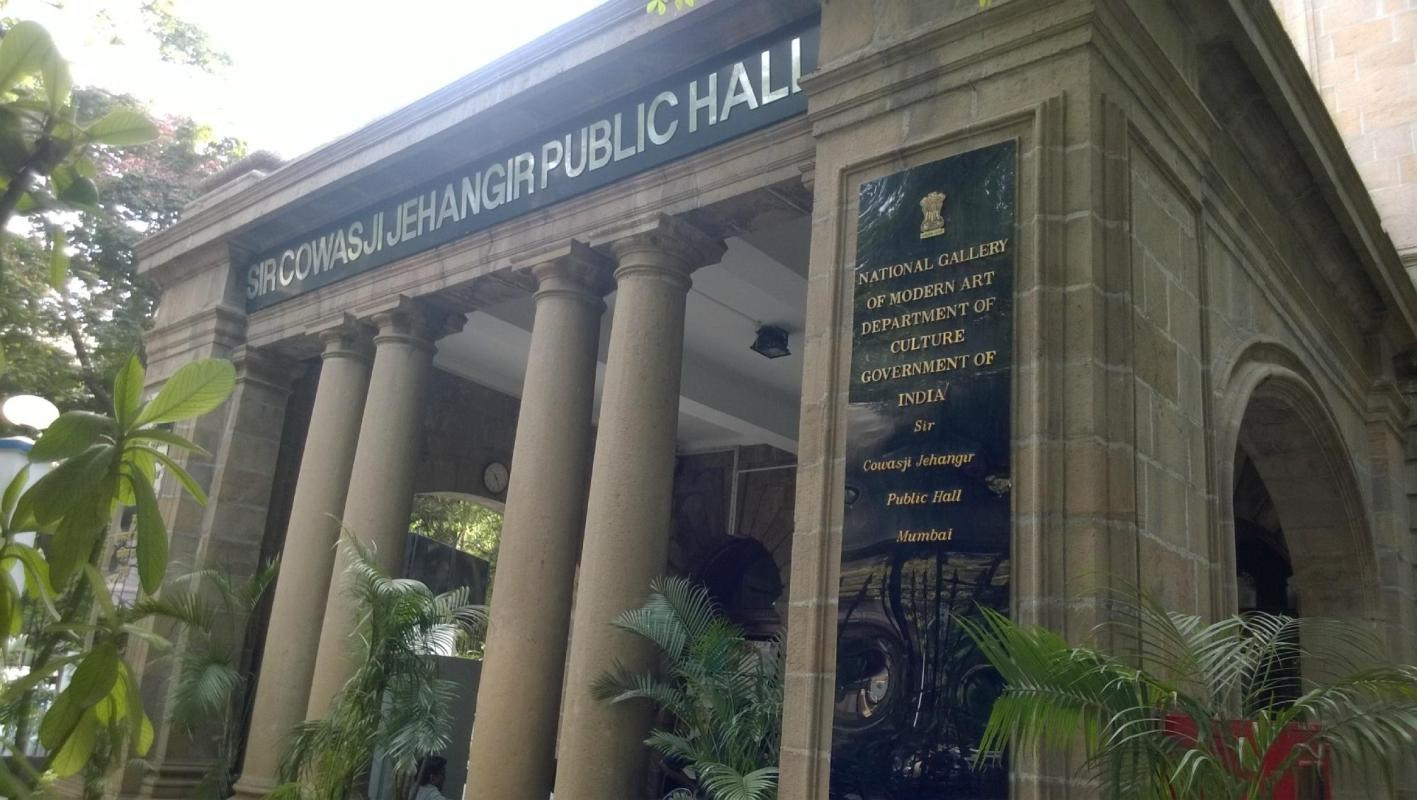
The National Gallery of Modern Art Mumbai (NGMA) occupies a restored heritage building on Fort's Block D, originally constructed in the 19th century. The gallery showcases modern and contemporary Indian art, with a collection that includes works from the 1850s to the present, featuring artists like Rabindranath Tagore and Tyeb Mehta. Spend an hour or two exploring the rotating exhibitions and permanent collection, which highlight India's artistic evolution. Check the schedule for occasional workshops and lectures. The gallery is close to the Chhatrapati Shivaji Maharaj Vastu Sangrahalaya, making it easy to combine the two in a cultural outing.
- 4.8· 2,392 reviews28 tours include this
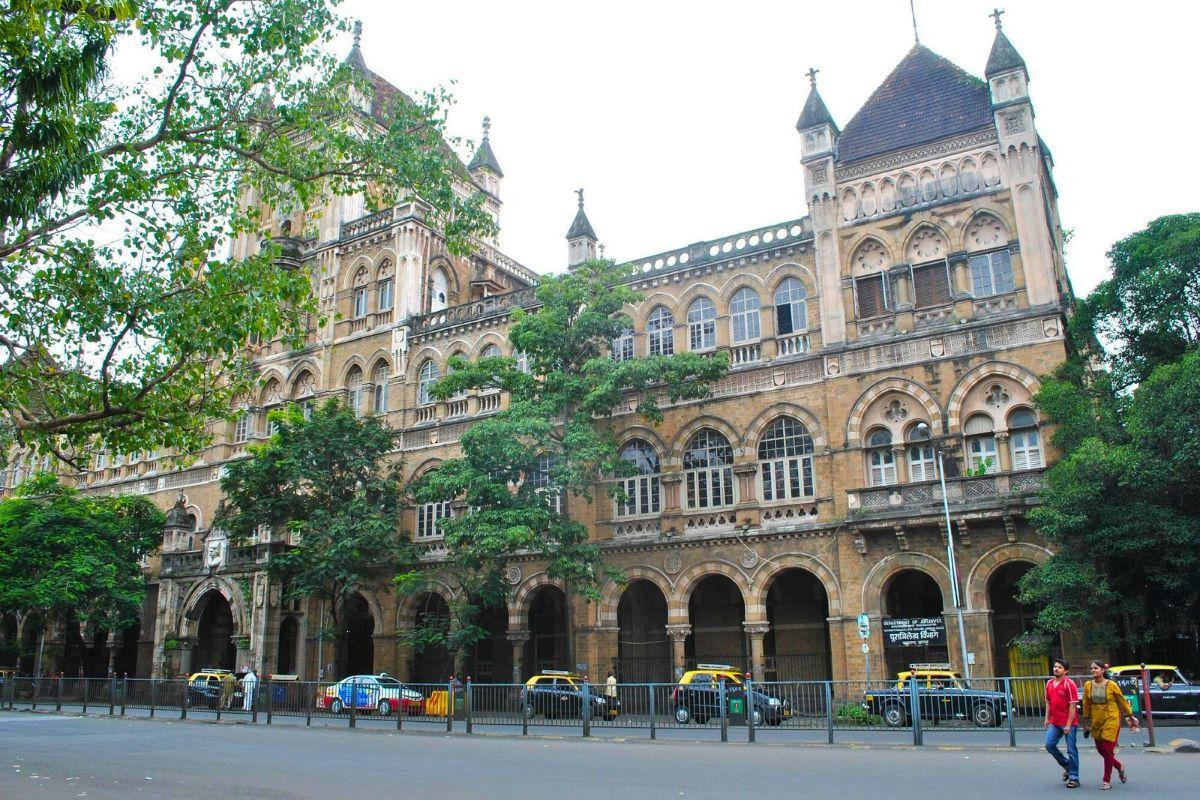
Colaba Causeway is a bustling street market that connects Colaba and Apollo Bunder in South Mumbai, known for its eclectic mix of shops and eateries. Dating back to the 19th century, this thoroughfare showcases a range of architectural styles, including colonial buildings and vibrant local stalls, attracting both locals and tourists alike. Visit in the early morning or late afternoon for a more relaxed shopping experience, when the heat is less oppressive and the street comes alive with vendors selling everything from handicrafts to clothes. Don’t miss the nearby Gateway of India and the iconic Taj Mahal Palace Hotel, both within easy walking distance.
- 4.9· 452 reviews28 tours include this
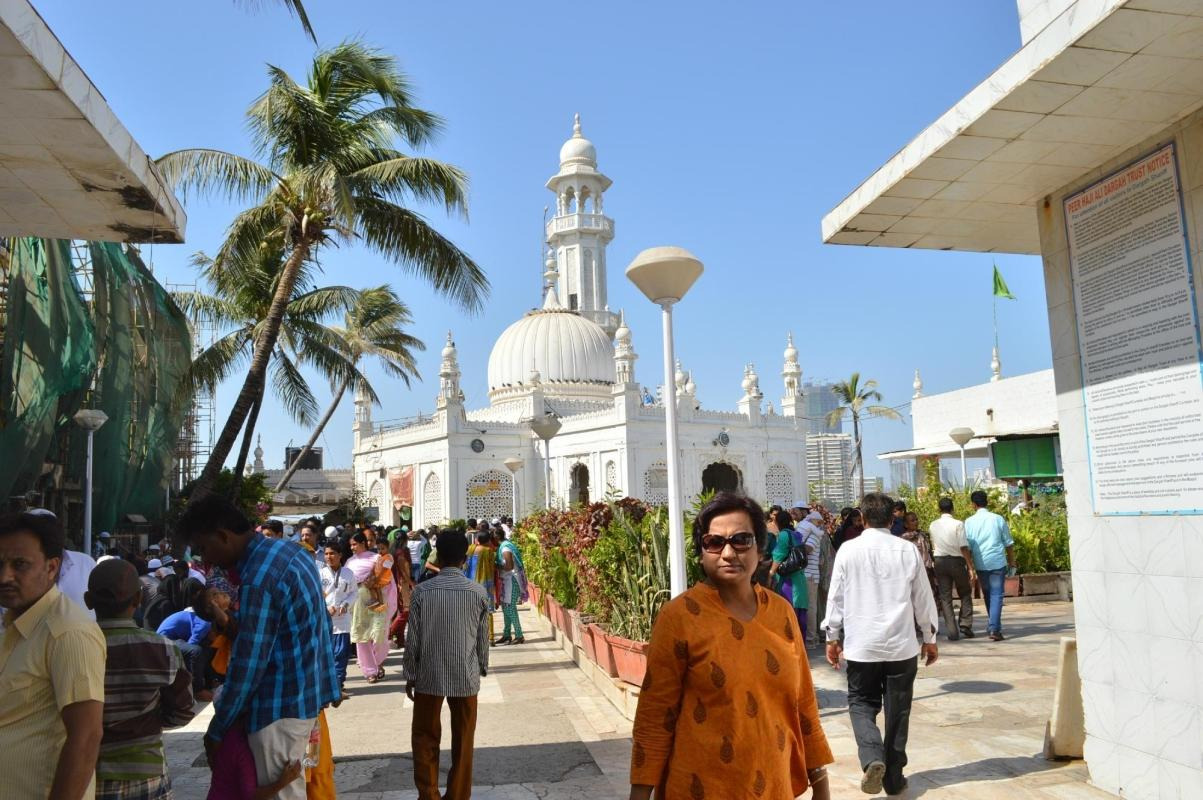
Haji Ali Dargah is a mosque and dargah located on a tiny islet off the coast of Worli in Mumbai, built in the early 20th century in Indo-Saracenic style. The structure is notable for its striking white marble façade and the 400-metre causeway that connects it to the mainland, which is submerged during high tide. Visit during low tide for the best experience, as you can walk directly to the site while enjoying views of the Arabian Sea. The dargah attracts a diverse mix of visitors, particularly during religious festivals, creating a contemplative atmosphere that contrasts with the surrounding city's hustle.
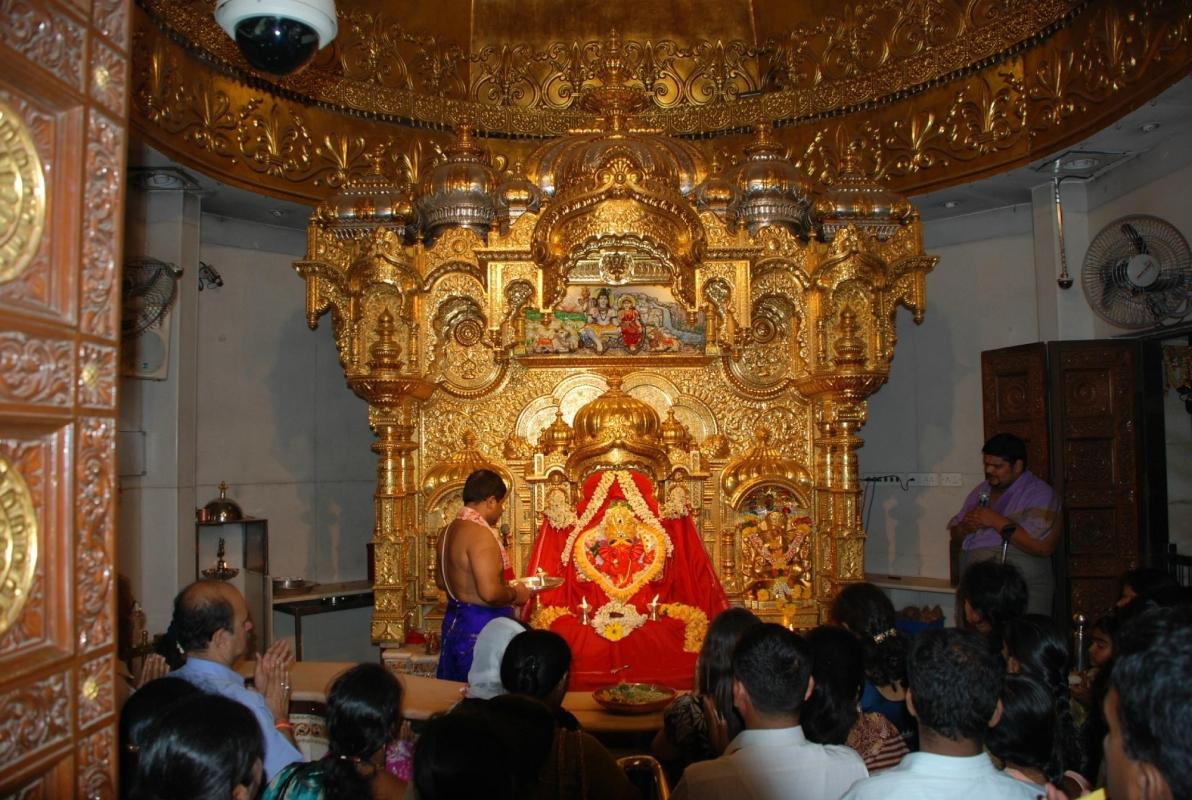
Shree Siddhivinayak Ganapati Temple is a revered Hindu temple dedicated to Lord Ganesha, built in 1801 from black stone with a distinctive octagonal shape. The temple's wooden doors are intricately carved, featuring the images of the Ashtavinayak, the eight manifestations of Ganesha. It attracts a steady stream of devotees, especially during festivals. Visit during the early morning or late evening to experience the temple's spiritual ambiance, with fewer crowds. The nearby Prabhadevi area has a range of eateries offering local delicacies. Be prepared for security checks at the entrance, and keep an eye out for the striking gold-plated dome.
- 4.9· 668 reviews23 tours include this
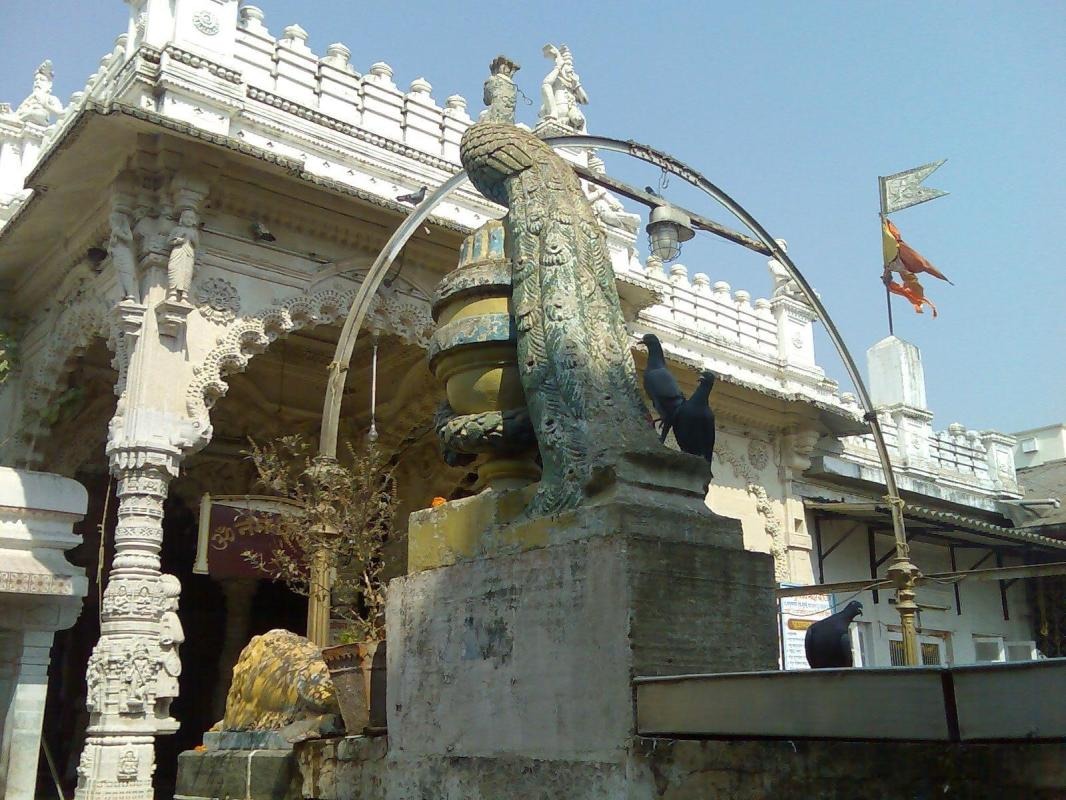
Babulnath Temple, dedicated to Lord Shiva, is a 19th-century shrine located on Babulnath Hill in South Mumbai. The temple, built in a mix of traditional and contemporary styles, features a prominent shikhara that rises high above the surrounding cityscape. Its serene atmosphere offers a contrast to the city's bustle, with intricate carvings and a sacred idol drawing devotees and visitors alike. Plan a visit during the early morning or late afternoon when the temple is less crowded and the light is softer. The area is part of the bustling Girgaum neighborhood, with easy access to the nearby bustling markets and Marine Drive’s waterfront, providing a fuller experience of Mumbai's varied landscape.
- 5.0· 772 reviews9 tours include this
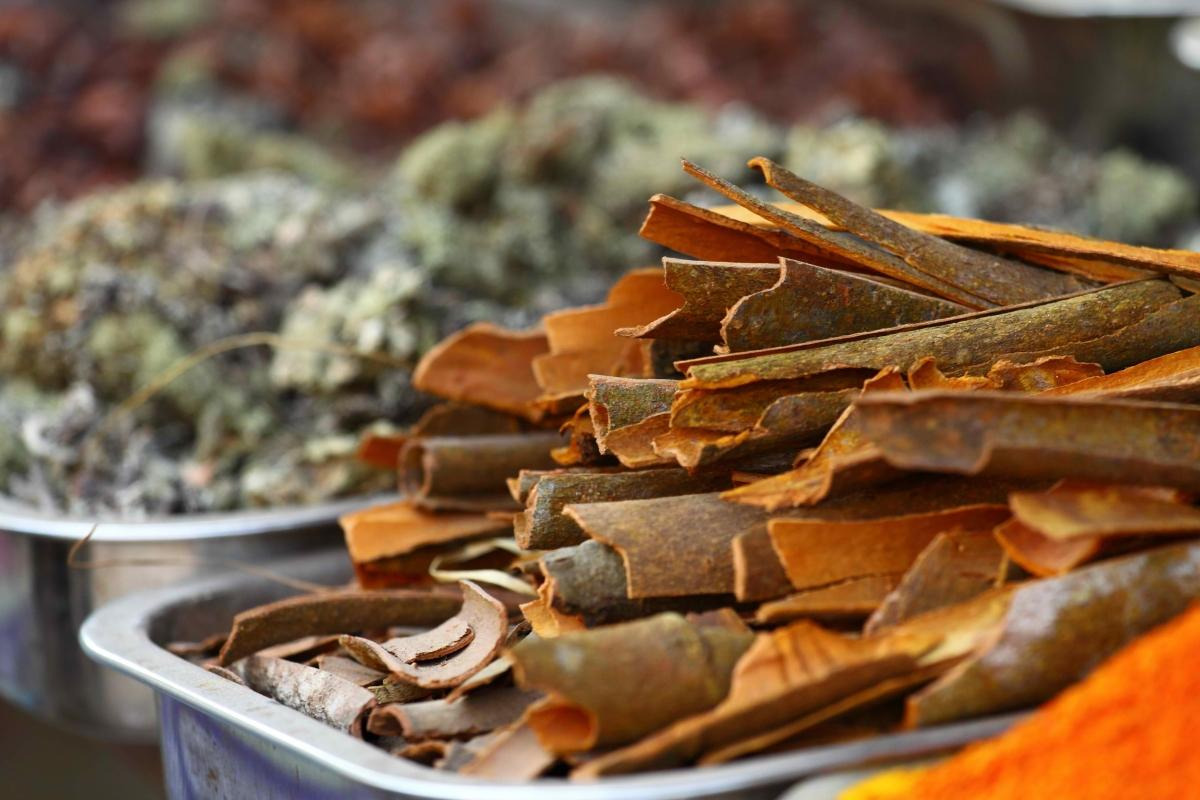
Bhuleshwar Market, or Bhuleshwar Bazaar, is a busy marketplace in South Mumbai known for its diverse offerings, from textiles and jewelry to traditional sweets. This vibrant hub, established in the 19th century, is situated near the historic Bhuleshwar Shiva Temple, adding a spiritual dimension to the bustling shopping experience. Visit in the morning when the market is less chaotic and explore narrow lanes filled with colourful shopfronts. Don’t miss the chance to sample street food from local vendors. The nearby Zaveri Bazaar, famous for its gold and silver jewelry, is just a short walk away, making this area a destination for shoppers and sightseers alike.
- 4.9· 164 reviews20 tours include this
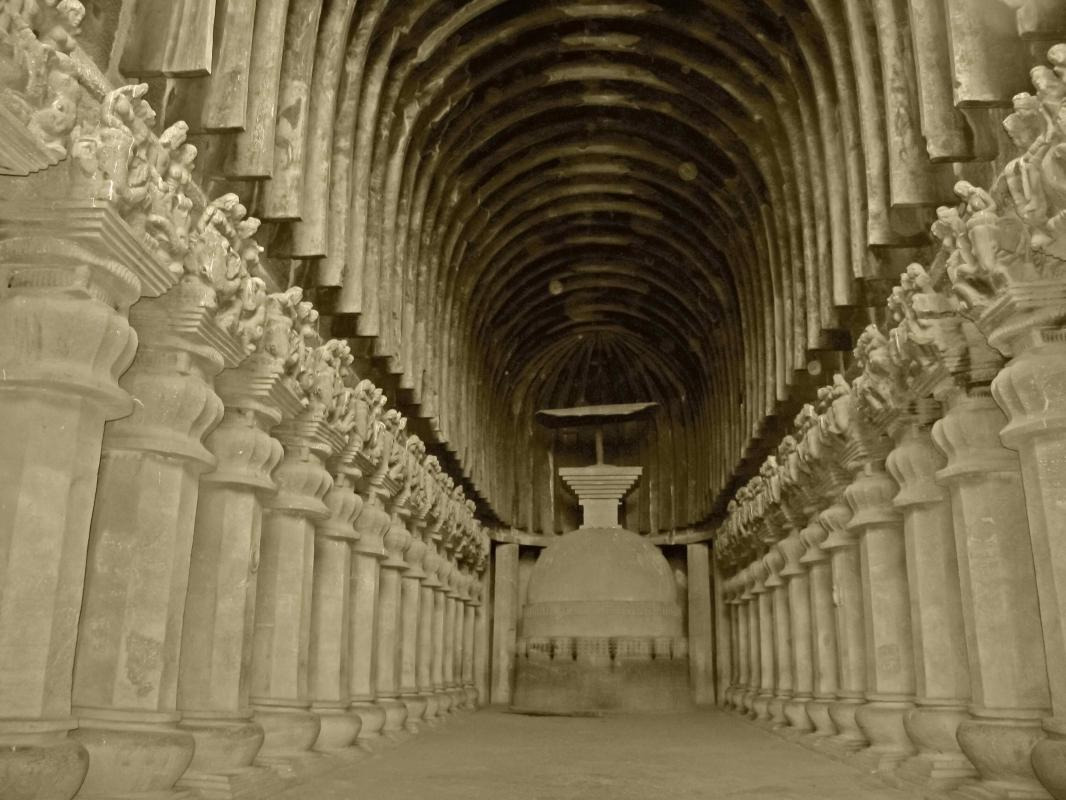
The Karla Caves are a group of ancient rock-cut Buddhist caves dating back to the 2nd century BCE, located about 50 kilometres from Mumbai. The caves feature intricate sculptures and chaityas, with the largest, the Chaitya Hall, boasting a grand vaulted ceiling and detailed carvings, reflecting the craftsmanship of early Indian monastic architecture. Visiting the caves typically takes an hour or two. Early morning is ideal for avoiding crowds and the midday heat, allowing time to explore the nearby Bhaja Caves, which are just a short drive away. The peaceful ambiance here contrasts sharply with the city's bustle, making it a refreshing escape.
- 4.9· 274 reviews23 tours include this
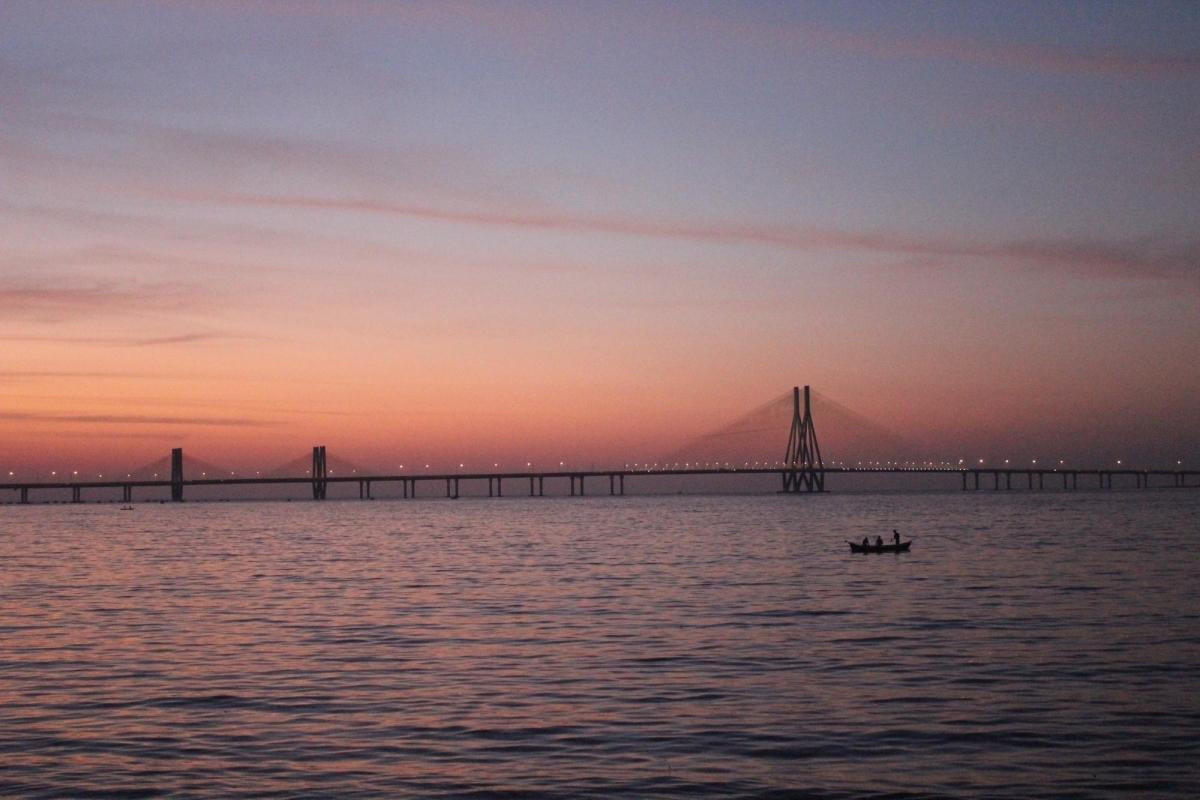
The Bandra-Worli Sea Link, officially known as the Rajiv Gandhi Sea Link, is a 5.6-kilometre cable-stayed bridge connecting Bandra and Worli along the western coastline of Mumbai. Completed in 2010, this engineering marvel is constructed with high-strength concrete and features elegantly sweeping lines, offering striking views of the city skyline and the Arabian Sea. Driving across is a unique experience, best undertaken after sunset when the bridge is illuminated against the night sky. Nearby, the Worli Sea Face provides a scenic promenade with views of the bridge, while the Knesset Eliyahoo Synagogue and Mahalaxmi Temple are within a short drive. The bridge can be windy, so keep that in mind for a comfortable ride.
- 4.9· 605 reviews14 tours include this
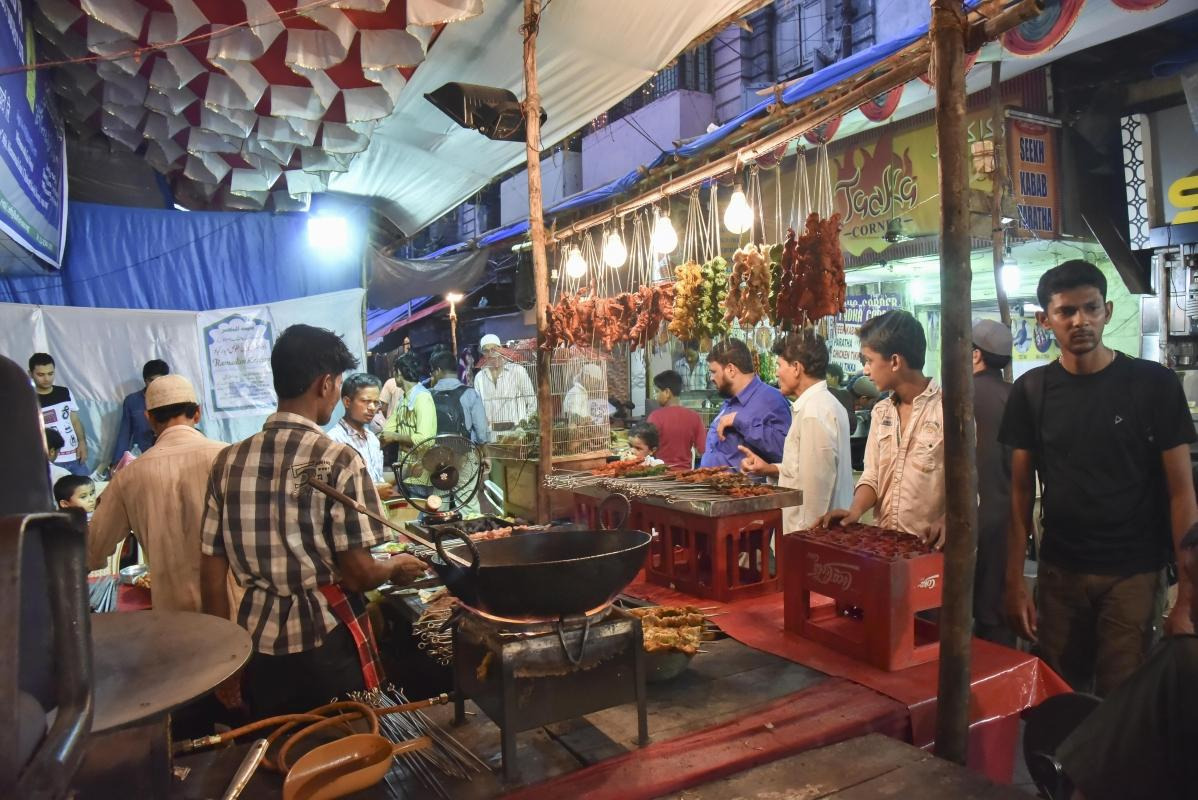
Chor Bazaar is one of Mumbai's largest flea markets, famous for its antique shops and a chaotic array of goods ranging from vintage furniture to Bollywood memorabilia. Established in the 19th century, its name translates to "Thief Market," reflecting its historical association with stolen items, though today it is celebrated for its eclectic finds and vibrant atmosphere. The best time to visit is during the day when the stalls are open and the area's lively character is on display. Plan to spend a few hours sifting through treasures, and keep an eye out for nearby attractions like the Mahatma Jyotiba Phule Market. Bargaining is standard, so be prepared to negotiate.
- 4.7· 113 reviews16 tours include this
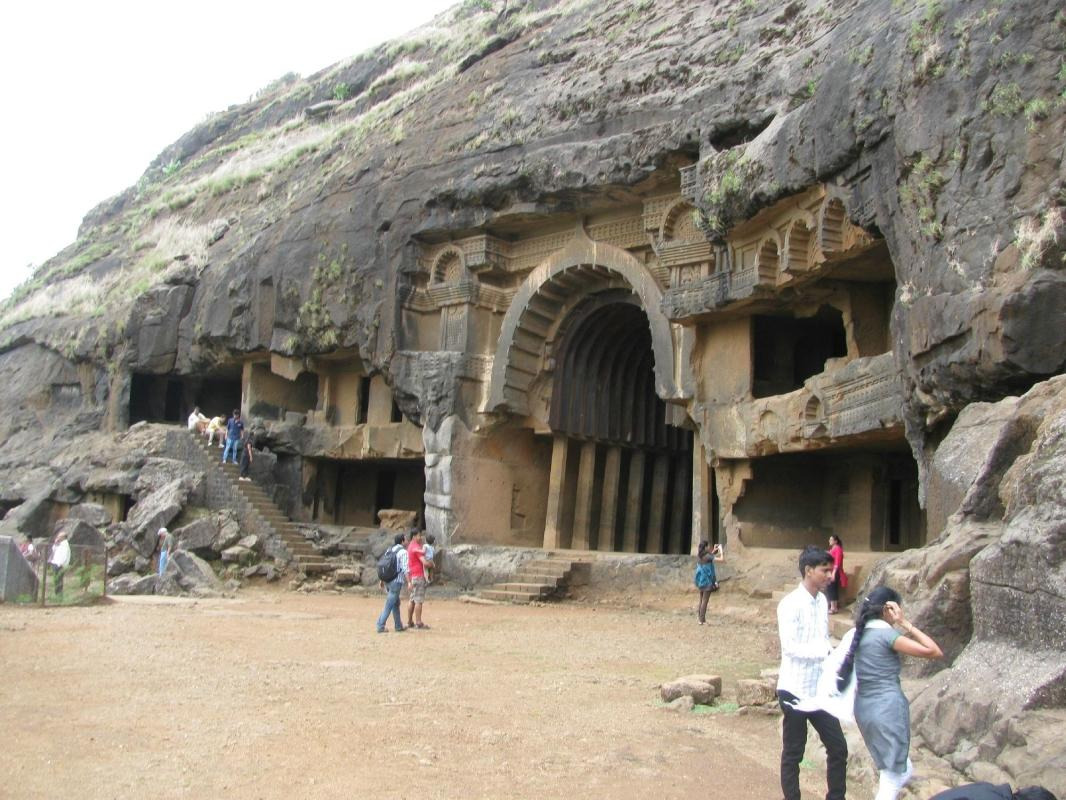
The Bhaja Caves are a group of 22 rock-cut Buddhist caves dating back to the first century BCE, located approximately 40 kilometres from Mumbai. Carved into a steep hillside, these caves feature intricate carvings, stupas, and viharas, with the most notable being the chaitya hall, which showcases a remarkable vaulted ceiling and impressive stone arches. Plan a visit early in the day to enjoy the cooler temperatures and avoid the crowds. The trek to the caves includes scenic views of the surrounding hills and valleys, while nearby attractions like the Lohagad Fort and Bhira Dam offer additional context for the history of the area.
- 4.9· 196 reviews20 tours include this
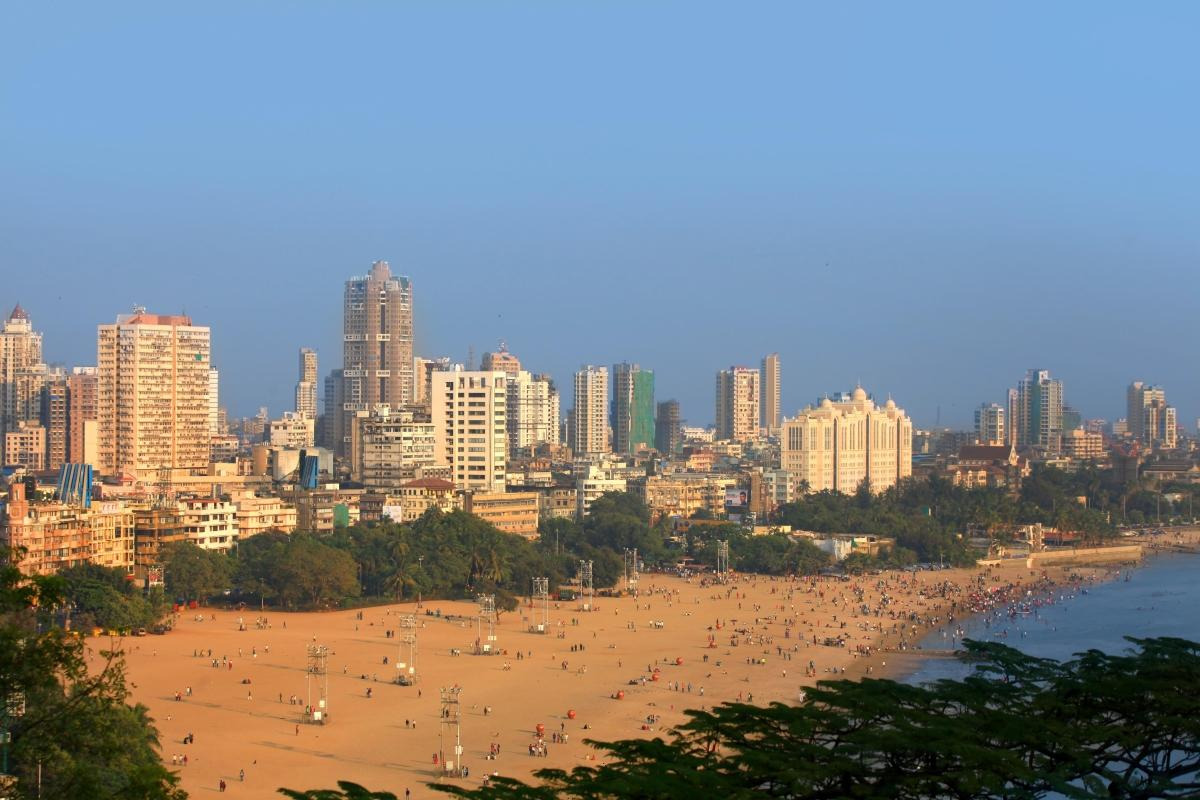
Juhu Beach is a 6-kilometre stretch of sand along the Arabian Sea, renowned as one of Mumbai's most popular seaside destinations. This expansive beach is lined with palm trees and buzzing with activity, hosting families, street food vendors, and Bollywood stars alike. The beach's vibrant atmosphere is complemented by its stunning sunsets over the water. Visit in the late afternoon to experience the local culture, especially as the food stalls serving pav bhaji and bhel puri begin to set up. The nearby Juhu Chhatra and Juhu Aerodrome add to the area's appeal, but be mindful of the crowds, particularly on weekends.
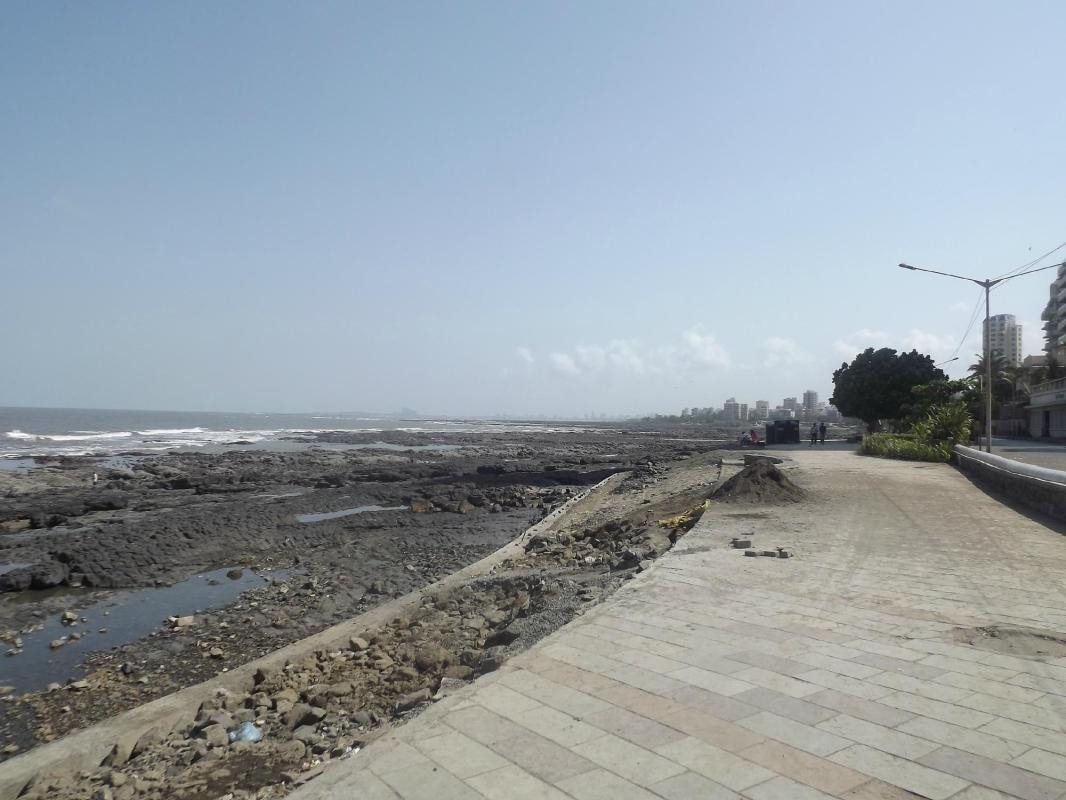
Bandstand Promenade is a scenic walkway that stretches along the coastline of Bandra in Mumbai, offering beautiful views of the Arabian Sea and the Bandra-Worli Sea Link. The promenade is anchored by the historic Bandra Fort, originally built in the 17th century to protect the coastline, and is lined with coconut palms and benches for leisurely strolls. Visiting at sunset is particularly pleasant as the sky turns vibrant hues while locals and tourists alike enjoy the atmosphere. Nearby, you'll find popular spots like the Mount Mary Church and the trendy cafes of Bandra, adding to the area’s lively charm. Keep an eye out for street performers during the evenings.
- 4.9· 358 reviews13 tours include this
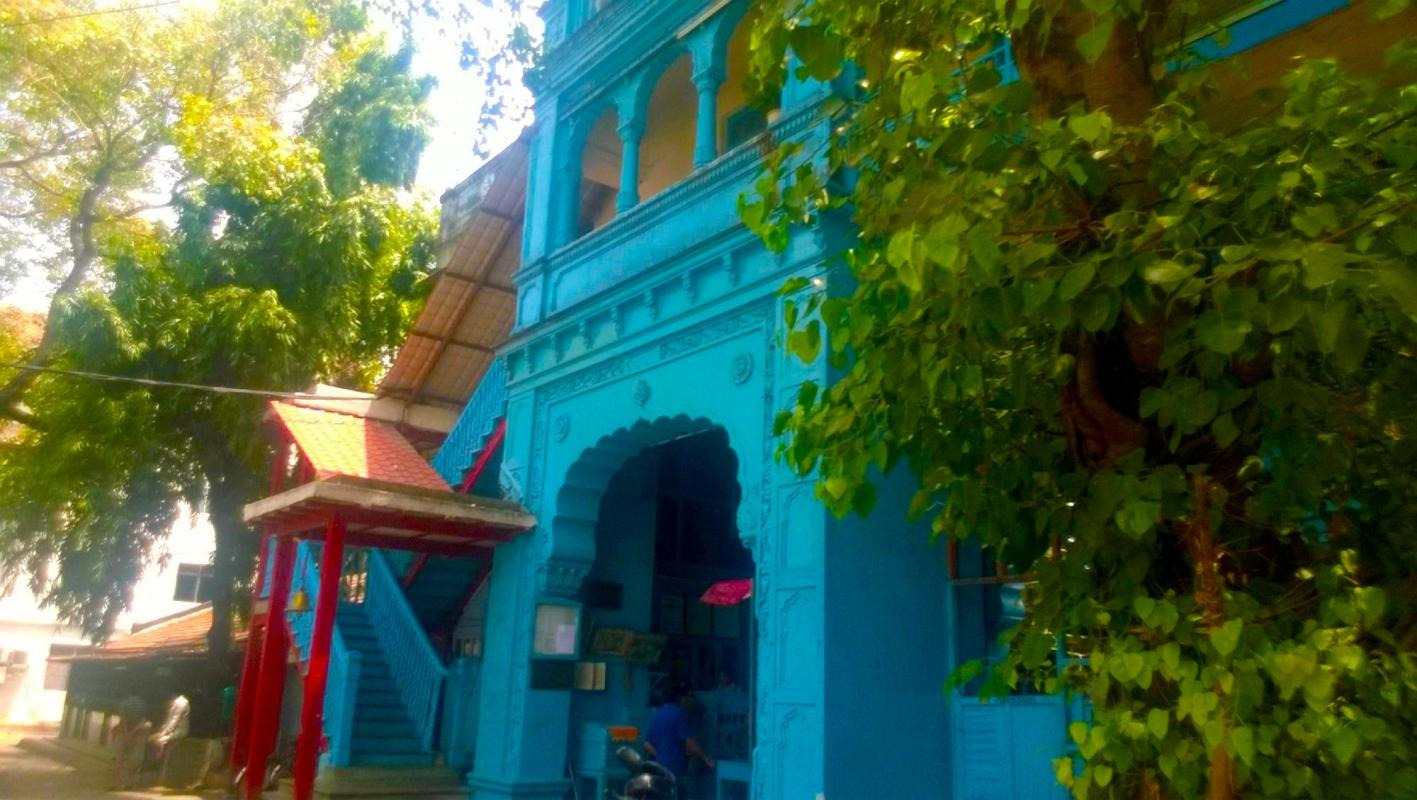
Bombay Panjrapole is an animal sanctuary established in the mid-19th century, dedicated to the protection and care of cows and other animals in need. Located in the heart of Mumbai, it is a testament to the city's commitment to animal welfare, providing a haven for over a thousand rescued animals, including cows, goats, and birds. Visitors can observe the daily activities of caretakers as they feed and tend to the animals, with the best time to visit being early in the morning when the animals are most active. The sanctuary is in the busy area of Girgaon, making it a peaceful retreat amid the urban bustle, yet be mindful of the noise from surrounding streets.
- 4.9· 308 reviews11 tours include this
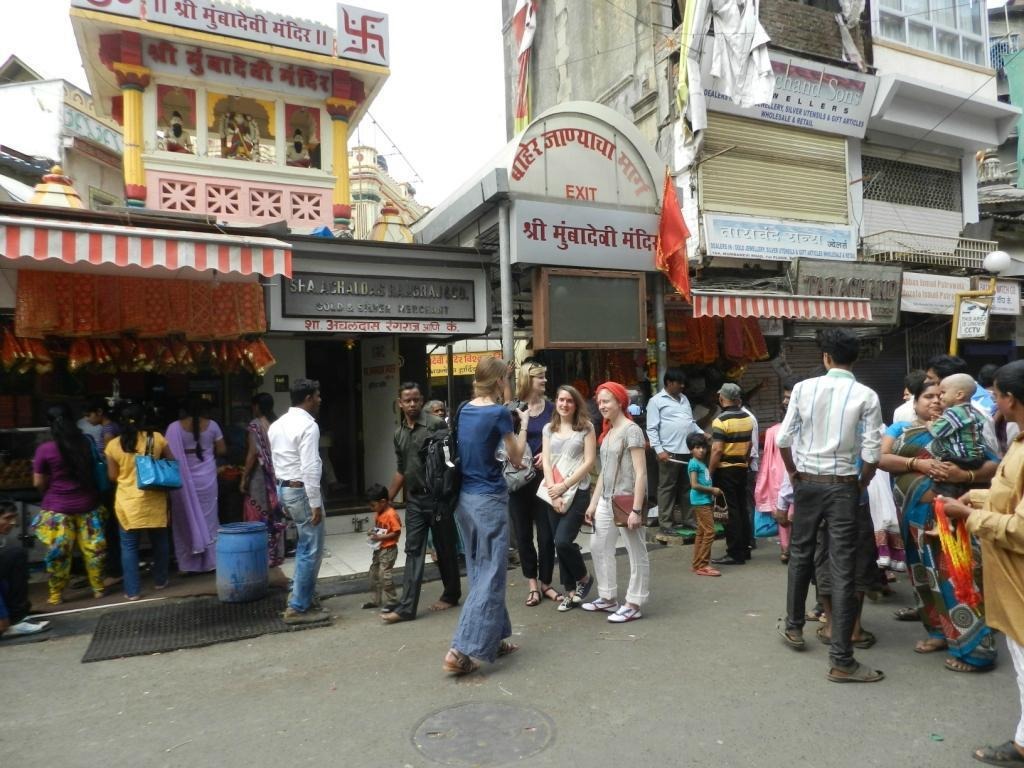
Mumbadevi Temple is a 14th-century structure dedicated to the city’s namesake, the goddess Mumbā. This humble shrine in Bhuleshwar is primarily made of wood, featuring an idol of the goddess adorned with a silver crown and a carved nose ring, reflecting local craftsmanship and devotion. Visitors often experience the vibrant atmosphere during festivals, particularly Navratri, when the temple draws larger crowds. Located in a bustling market area, it’s worth combining with nearby attractions like the Dhobi Ghat or Knesset Eliyahoo Synagogue for a broader sense of the city’s diverse cultural tapestry.
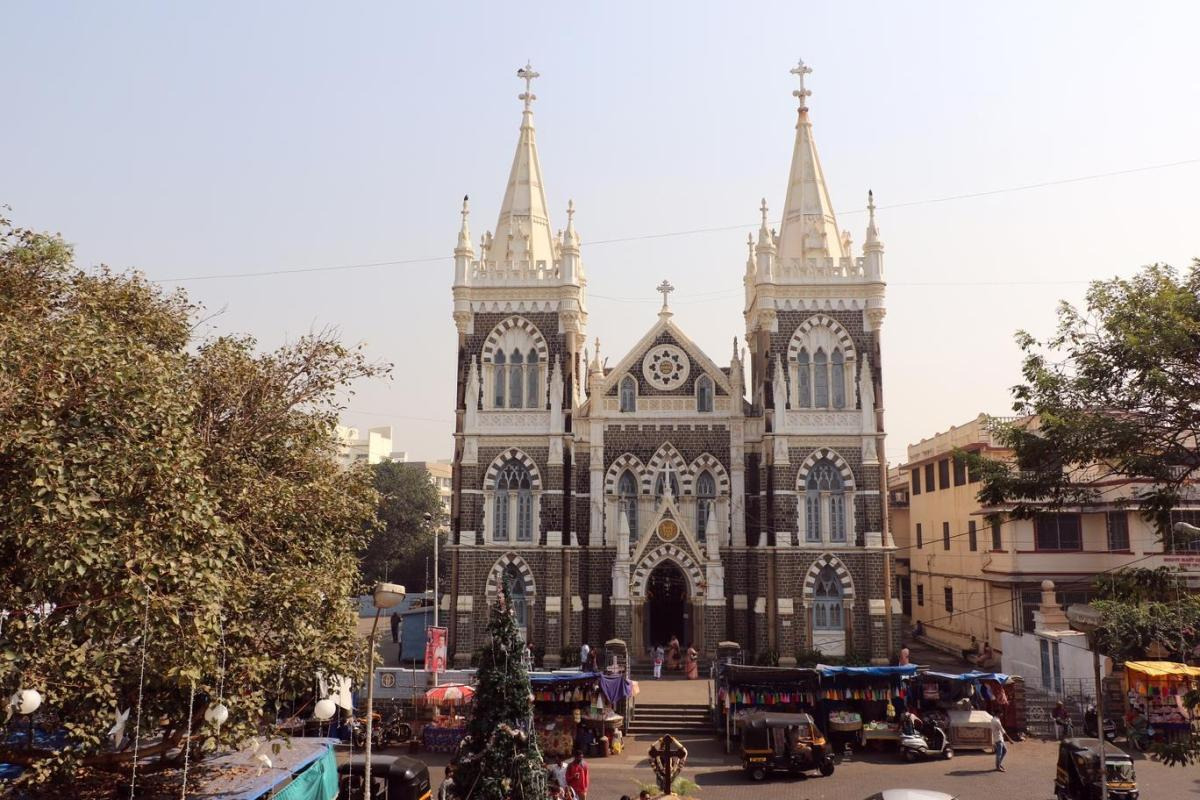
Mount Mary Church is a Roman Catholic basilica located in Bandra, built in the Gothic style in the 20th century. The church is dedicated to Our Lady of the Mount and features stunning stained glass windows, a serene altar, and a commanding view of the Arabian Sea from its hillside perch. Visiting during the annual Bandra Fair in September offers a vibrant local experience, but any time brings a sense of calm. The surrounding area is dotted with charming cafes and boutiques, while nearby Bandra Fort provides an inviting stroll along the coastline. The church's atmosphere is particularly tranquil in the afternoons.
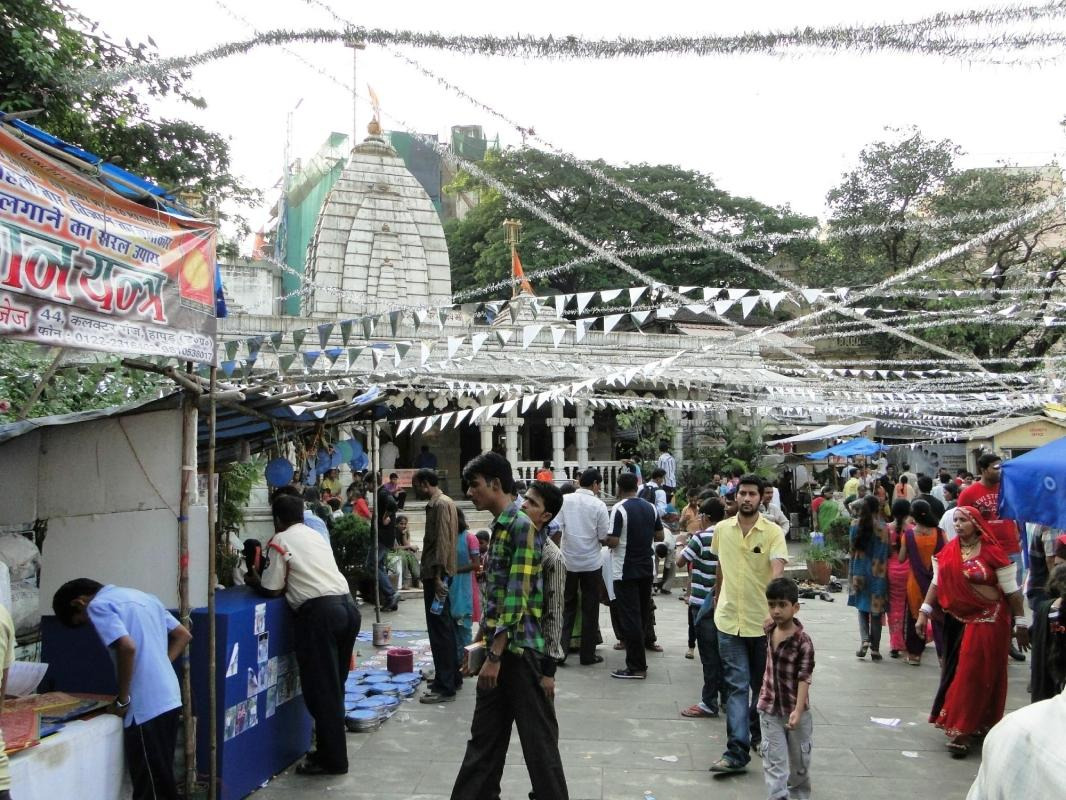
Mahalakshmi Temple is a prominent Hindu temple dedicated to Goddess Mahalakshmi, situated on the shores of the Arabian Sea in South Mumbai. Built in the 19th century, the temple features intricate carvings and three main deities: Mahalakshmi, Mahasaraswati, and Mahakali, making it a significant pilgrimage site for devotees and tourists alike. Visit early in the day to experience the serene atmosphere as devotees engage in worship rituals. The temple is located near the popular Hanging Gardens and is easily accessible from the bustling streets of Mahalaxmi. During festivals, the temple attracts larger crowds, so be prepared for a more vibrant scene.
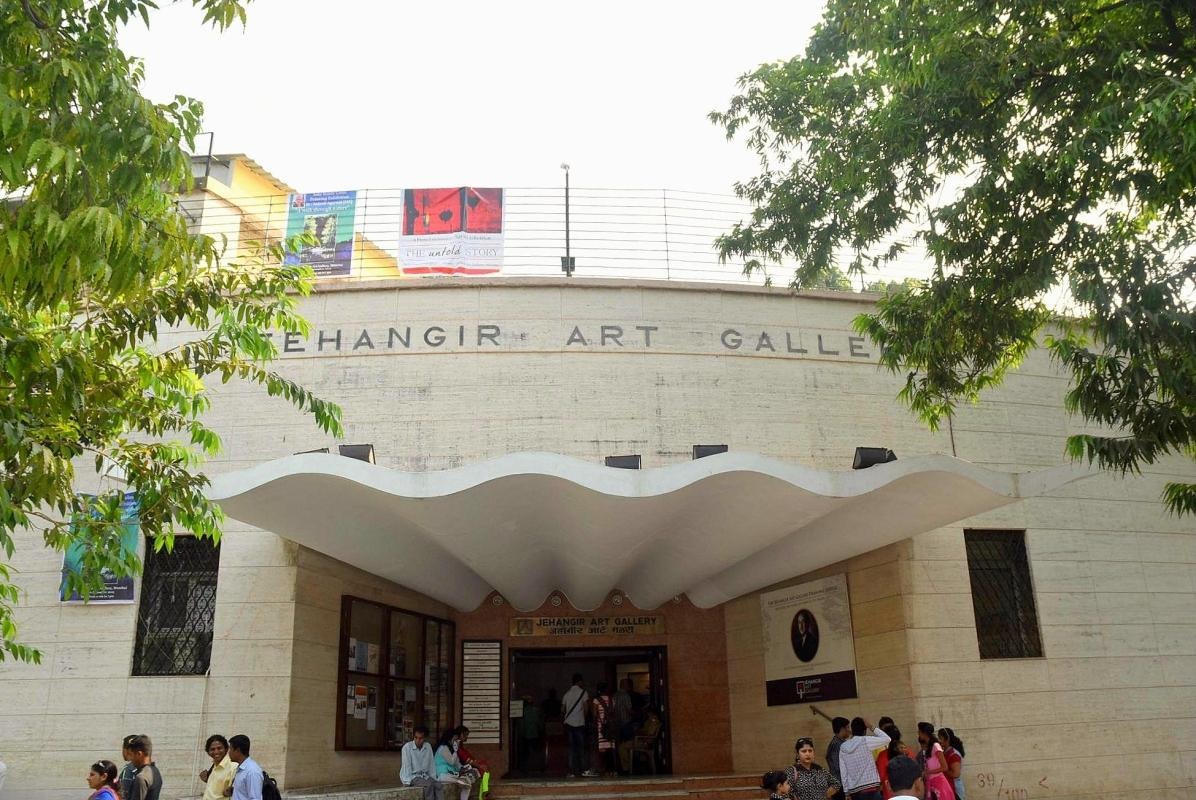
Jehangir Art Gallery is a prominent art space in Mumbai, inaugurated in 1952 and designed by the architect K. R. D. S. Raghunathan. It showcases contemporary Indian art across its several halls, featuring works from both established and emerging artists, and often serves as a platform for exhibitions, cultural events, and art sales. Visiting the gallery provides an opportunity to engage with India's dynamic art scene and appreciate everything from paintings to sculptures. Check out the nearby Kala Ghoda district, known for its art boutiques and cafes, to extend your cultural exploration. Weekdays tend to be less crowded, allowing for a more leisurely experience.
- 5.0· 5 reviews4 tours include this
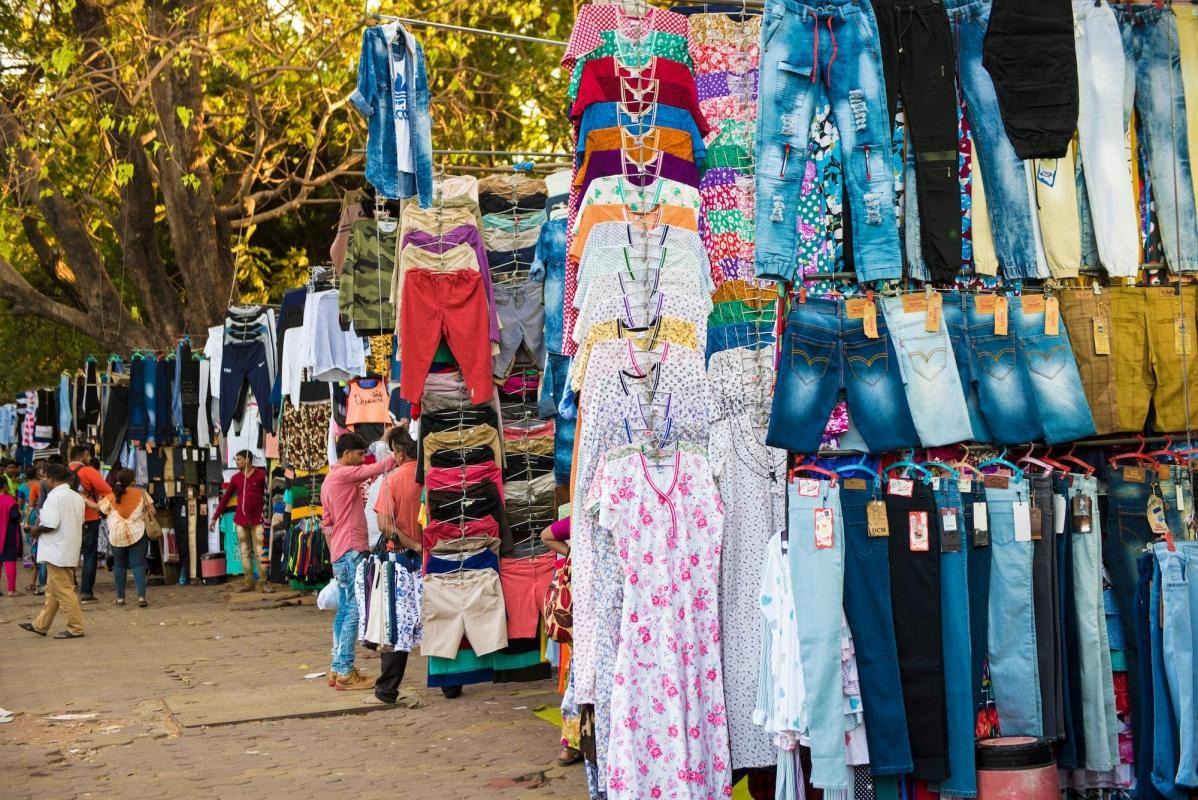
Fashion Street is a 1.5-kilometre stretch of open-air market in the southern part of Mumbai, renowned for its affordable apparel and accessories. This vibrant marketplace features rows of stalls with everything from trendy clothes and footwear to handmade jewelry, attracting both locals and tourists looking to update their wardrobes. To fully enjoy the experience, visit in the late afternoon when the heat wanes and the atmosphere comes alive. Nearby, the University of Mumbai and the bustling Kala Ghoda district offer further exploration opportunities. Be prepared to haggle for the best prices and keep an eye on your belongings amidst the crowds.
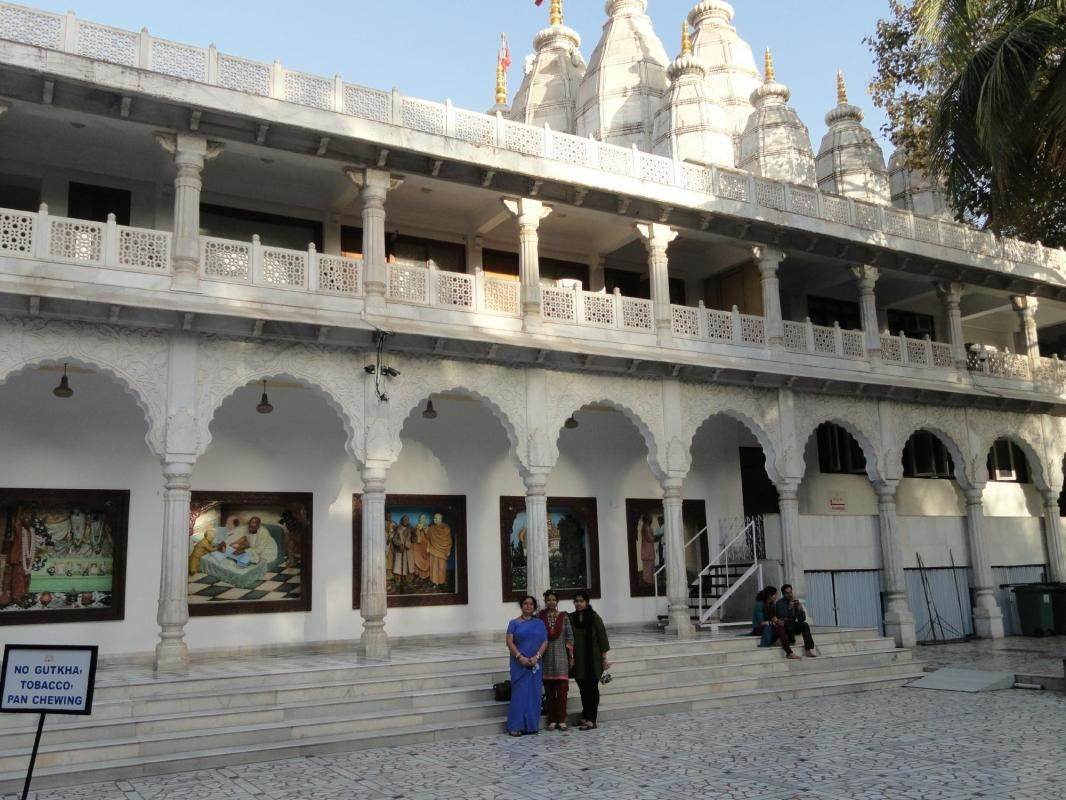
The ISKCON Temple of Mumbai, completed in 1978, is a prominent religious site dedicated to Lord Krishna, showcasing stunning architecture with intricate carvings and vibrant murals. Built from red sandstone and marble, this temple complex is notable not only for its spiritual significance but also for its serene ambiance in the midst of the bustling city. Visiting offers the opportunity to witness devotional chants and participate in communal meals, known as prasadam, which are served daily. The best time to visit is during the early morning or evening aarti, when the temple is filled with devotees and the atmosphere is particularly uplifting. Nearby, the Banganga Tank provides a contrast with its historic significance and tranquil surroundings.
- 4.8· 21 reviews5 tours include this
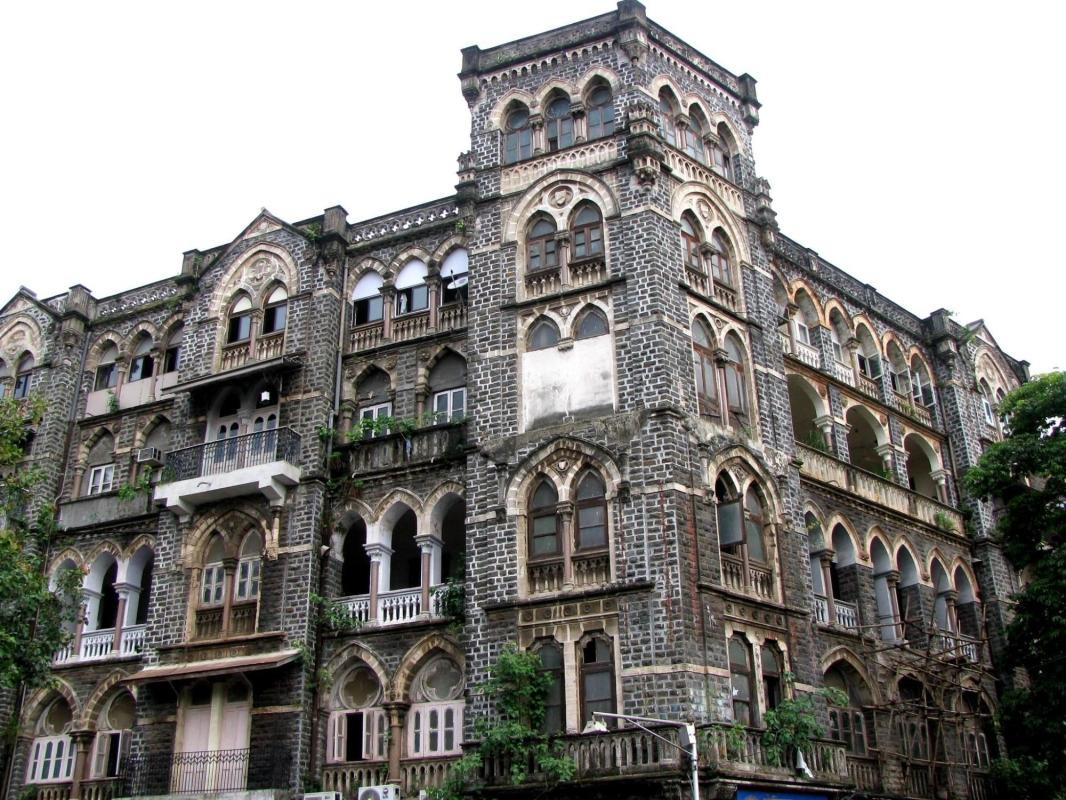
Regal Circle, also known as SP Mukherjee Chowk, is a notable intersection in Mumbai where several main roads converge, notably connecting Nariman Point to the Colaba district. Renowned for its circular park at the centre, this junction is flanked by a mix of historic colonial architecture and contemporary buildings, reflecting the city's diverse urban landscape. A visit here is especially worthwhile on weekends when the surrounding cafes and boutiques come alive with local life. Take a moment to enjoy the greenery in the circular garden, while the nearby Chhatrapati Shivaji Maharaj Vastu Sangrahalaya and Kala Ghoda art district offer cultural diversions just a short walk away.
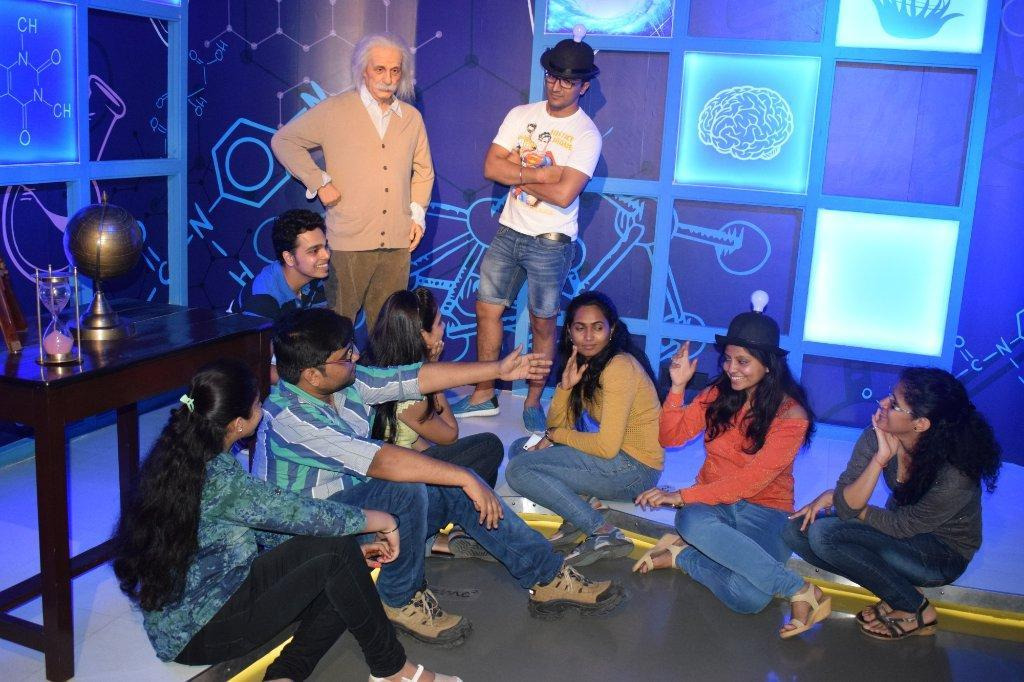
The Red Carpet Wax Museum is a unique attraction in Mumbai featuring life-sized wax statues of celebrities, politicians, and historical figures. Opened in 2014, it showcases over 50 meticulously crafted figures, allowing visitors to engage with realistic replicas of their favorite personalities from various fields, including film, sports, and politics. Allocate about an hour to explore the museum, which is located on the bustling circular road of R.City Mall in Ghatkopar. Ideal for families and fans of pop culture, the museum's ambiance is enhanced by interactive displays. Be prepared for crowds during weekends and holidays, as this is a popular stop in the city.
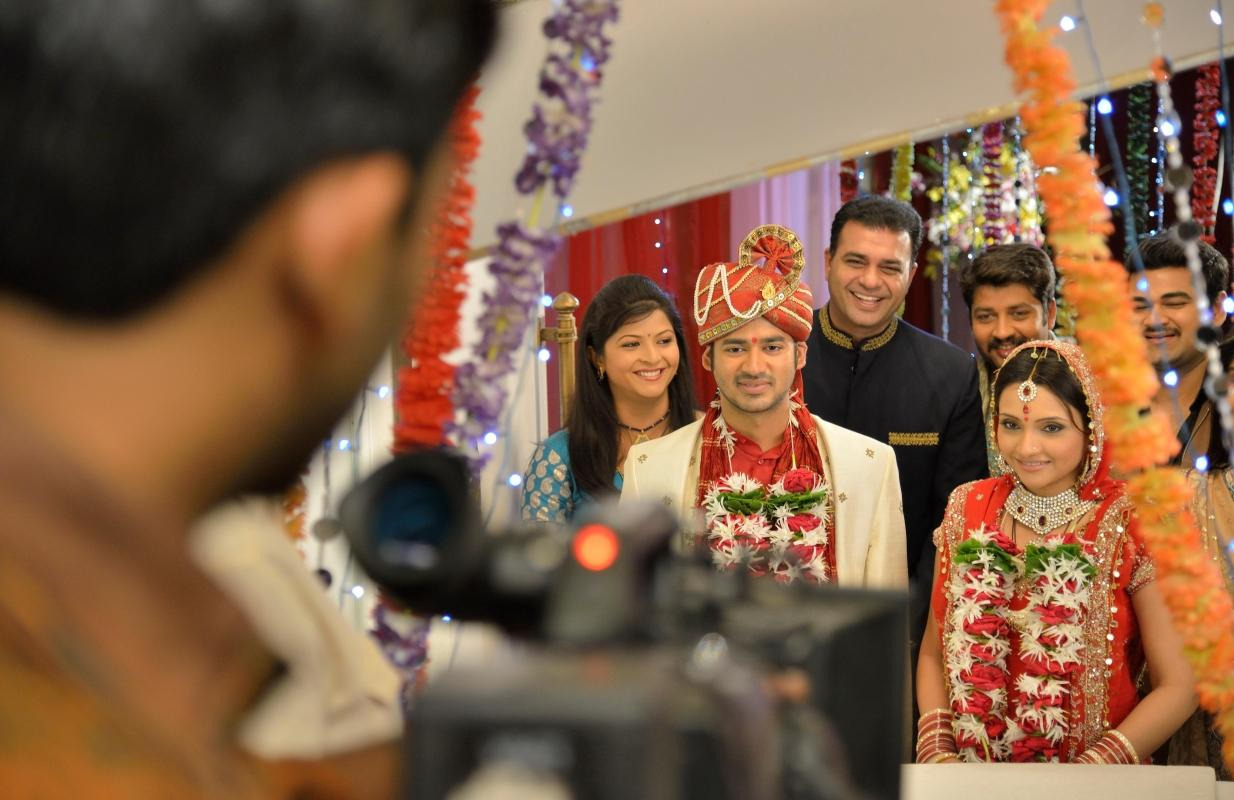
S.J. Studios is a famed film studio located in the heart of Mumbai, known for producing a number of popular Bollywood films since its establishment in the mid-20th century. The studio complex features various soundstages, outdoor sets, and scenic backdrops showcasing the city’s contribution to the Indian film industry. Visitors can explore the studio through guided tours, which provide insights into filmmaking processes and behind-the-scenes stories. Early mornings or weekdays are ideal for a visit to avoid crowds. Nearby, the lively Lokhandwala Market offers a taste of local cuisine and shopping, enhancing the experience of a day in the area.
- 42
Imagicaa
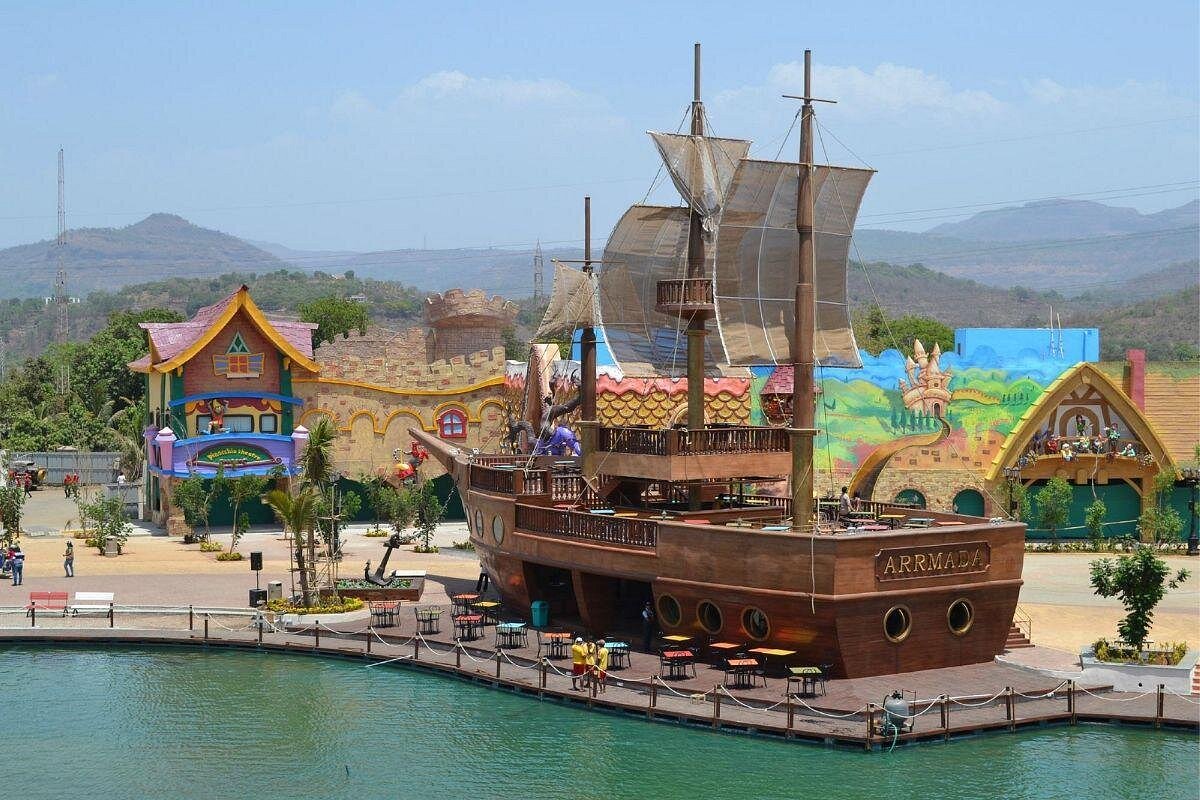
Imagicaa is a sprawling theme park located in Khopoli, midway between Mumbai and Pune, offering a blend of thrilling rides, water attractions, and family-friendly experiences. Opened in 2013, it is designed to cater to a wide range of visitors with its six distinct zones, each featuring unique attractions and themed environments. Plan for a full day to explore the various rides and shows, especially if you have children in tow. Weekdays tend to be less crowded, and the park is best visited during cooler months from October to February. The nearby Adlabs Imagica water park adds to the appeal for those looking for a complete entertainment experience.
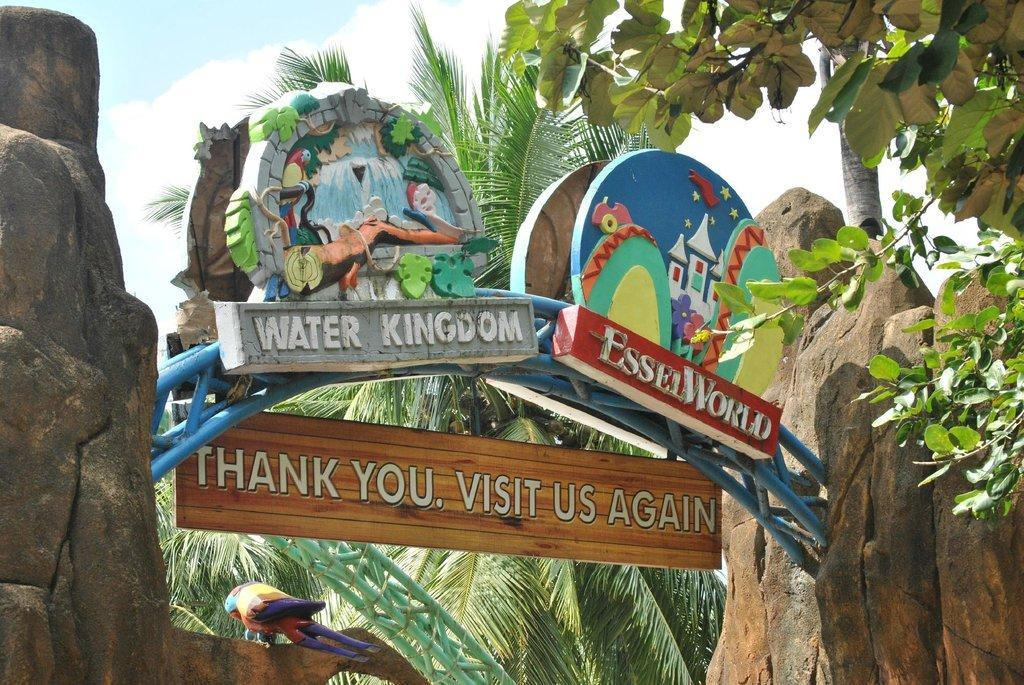
Water Kingdom is a large water park located in Vasai, Mumbai, famous for its expansive area filled with various water rides and attractions. Established in the 1990s, it features a blend of thrilling slides, lazy rivers, and wave pools, making it a popular destination for families and thrill-seekers alike. Visit during weekdays to avoid the crowds, as weekends can get particularly busy. The nearby Essel World amusement park offers an additional entertainment option for a full day of fun. The atmosphere is lively, with plenty of food stalls to refuel, though lines for popular rides can be long.
- Free entry
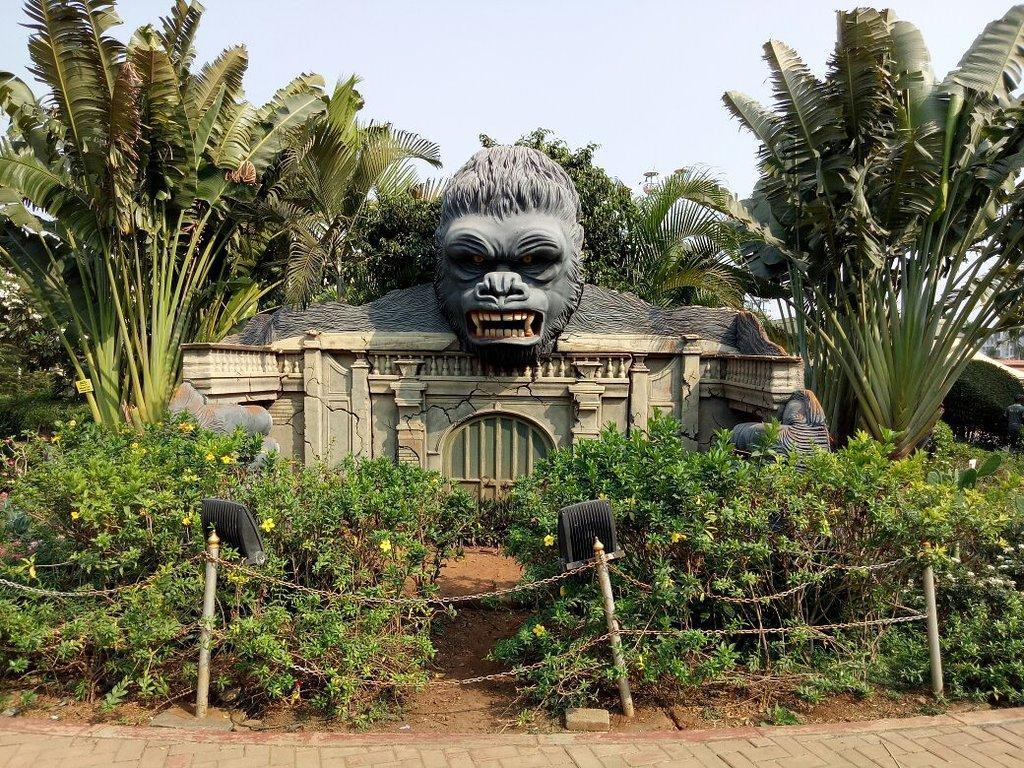
Yazoo Park is an amusement park located in the lush green surroundings of Aarey Colony in Goregaon, offering a mix of thrill rides, water attractions, and play areas designed for families. Established in the early 2000s, it features attractions such as roller coasters, a go-kart track, and a wave pool, set against a backdrop of dense trees. Visit during the cooler months to make the most of the outdoor activities, and expect crowds on weekends and school holidays. Adjacent to the park is Aarey Dairy, where visitors can explore the scenic landscapes and enjoy local dairy products, providing a break from the excitement of the rides.
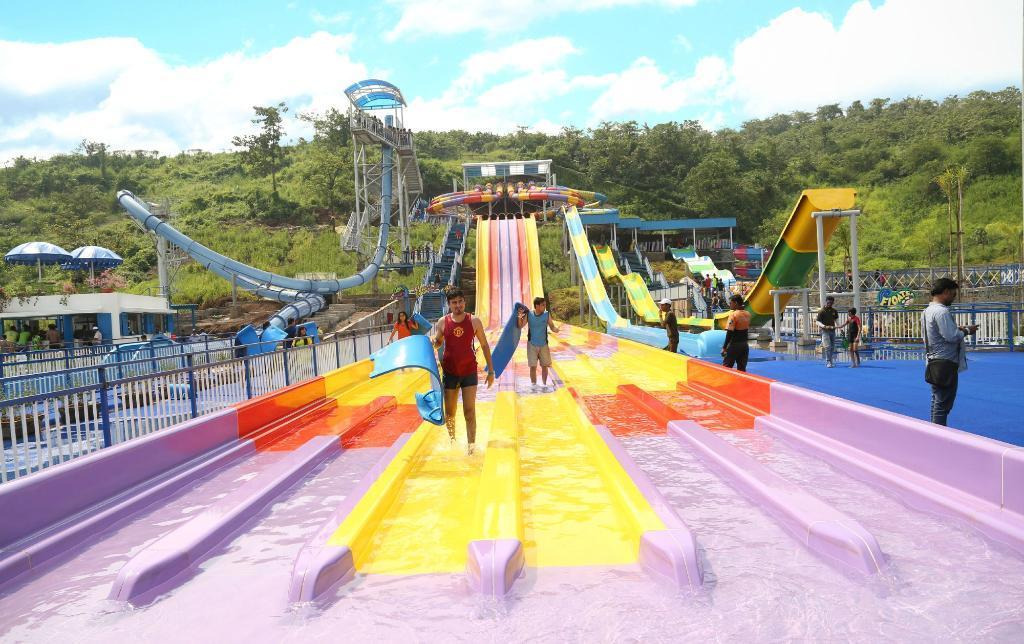
Imagicaa Water Park is a massive amusement destination in Khopoli, featuring a range of water rides and attractions spread across 45 acres. Opened in 2013, it has quickly become synonymous with family fun, showcasing slides, wave pools, and lazy rivers designed to cater to all age groups amidst a tropical setting. Plan to spend a full day here to make the most of the rides and amenities, which can get crowded during weekends and holidays. It’s easily accessible via the Mumbai-Pune Expressway, making it a convenient escape from the city. The lively atmosphere reaches a peak during peak hours, so arrive early to enjoy popular attractions with shorter queues.
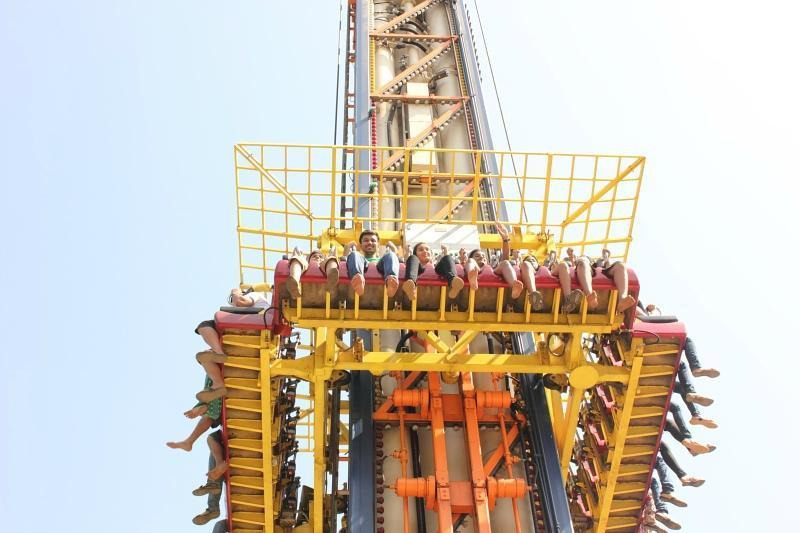
Essel World is an amusement park located on an island off the coast of Mumbai, one of the largest of its kind in India, opened in 1989. It features a range of attractions including roller coasters, water rides, and entertainment venues set across 64 acres, providing a lively escape from the city’s hustle and bustle. Plan to spend a full day to enjoy the various rides and activities at a leisurely pace. Weekdays are generally less crowded than weekends, and the park is conveniently reached by ferry from Gorai Beach. Keep an eye out for the colourful decorations that add a festive atmosphere throughout the year.
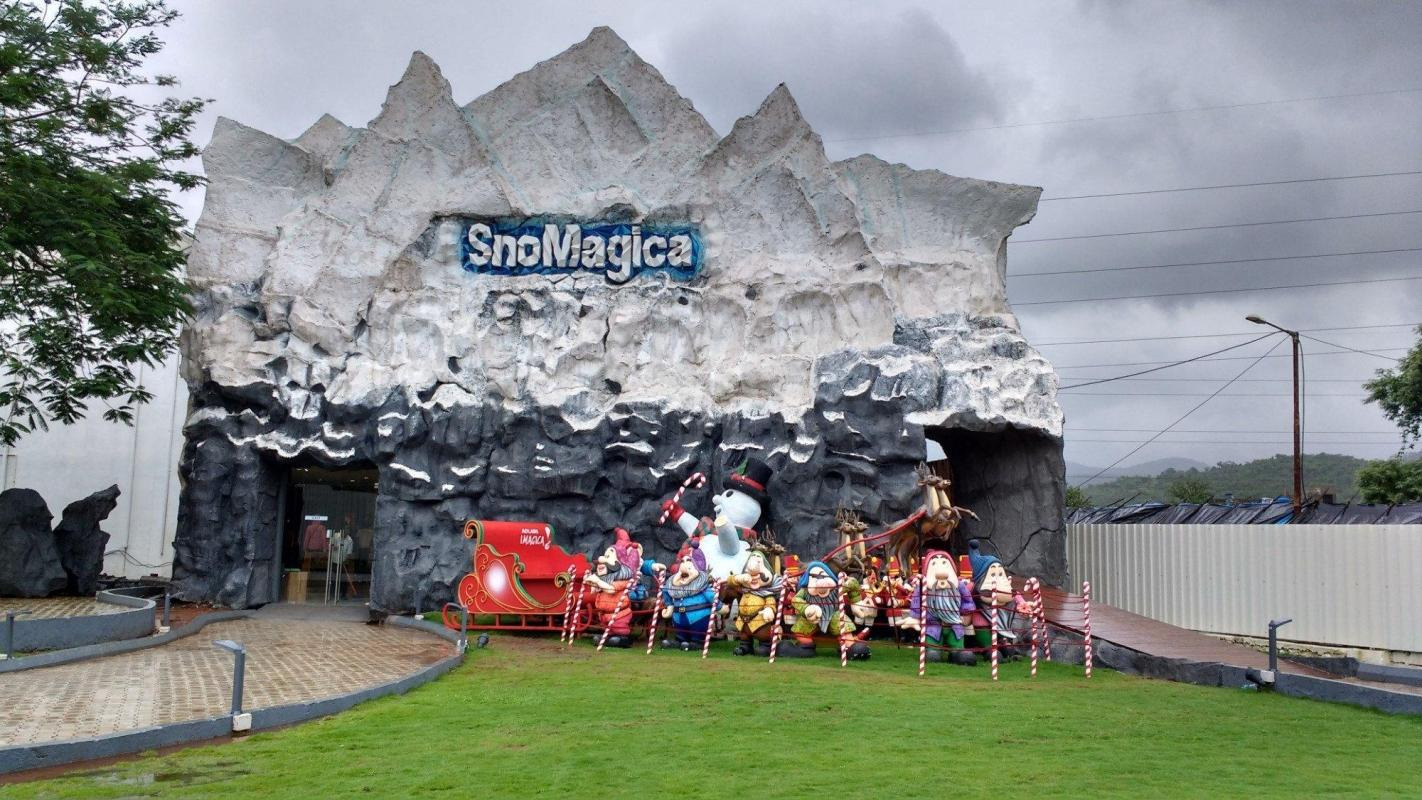
Imagica Snow Park is an indoor snow theme park located in Khopoli, near Mumbai, featuring real snow and temperatures that drop to -5°C. Opened in 2013, the park spans around 40,000 square feet and includes attractions like snow slides, snow play areas, and even a snowman-building zone designed for family-friendly enjoyment. Allocate a few hours to fully experience the various activities, especially if you have children. Peak visiting times are on weekends and holidays, so consider going on weekdays for a quieter experience. Nearby is the larger Imagica theme park, which offers more rides and attractions for a full day of entertainment.
- Free entry
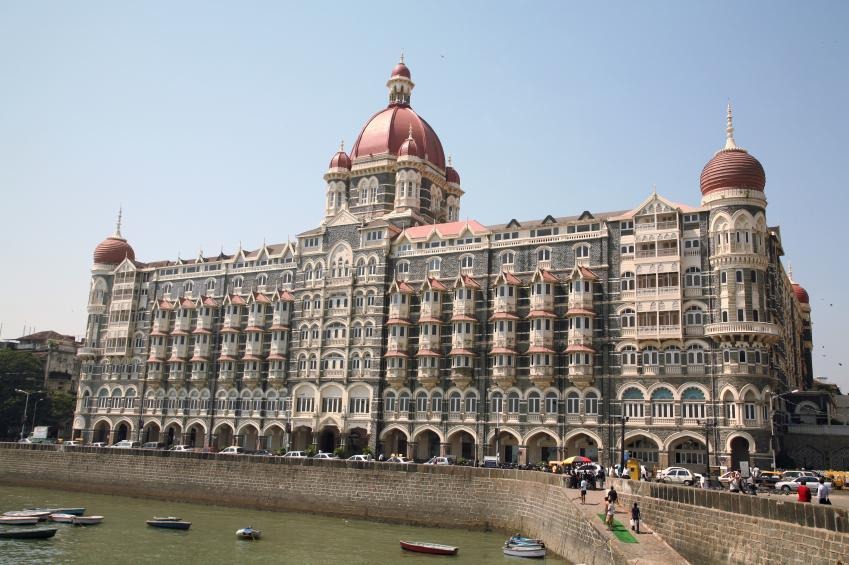
The Taj Mahal Palace Hotel is a historic luxury hotel opened in 1903, with its grand façade facing the Arabian Sea in Colaba. Designed in Indo-Saracenic style, it features a stunning dome and is adorned with ornate interiors, making it a symbol of Mumbai's opulence and hospitality, often associated with the city's colonial past. Plan to spend time in the atrium, where the intricate stained glass and vintage decor evoke a sense of history. The hotel offers a range of dining options, and it's worthwhile to visit the nearby Gateway of India for a complete experience. The evening light enhances the beauty of the hotel’s façade against the sea.
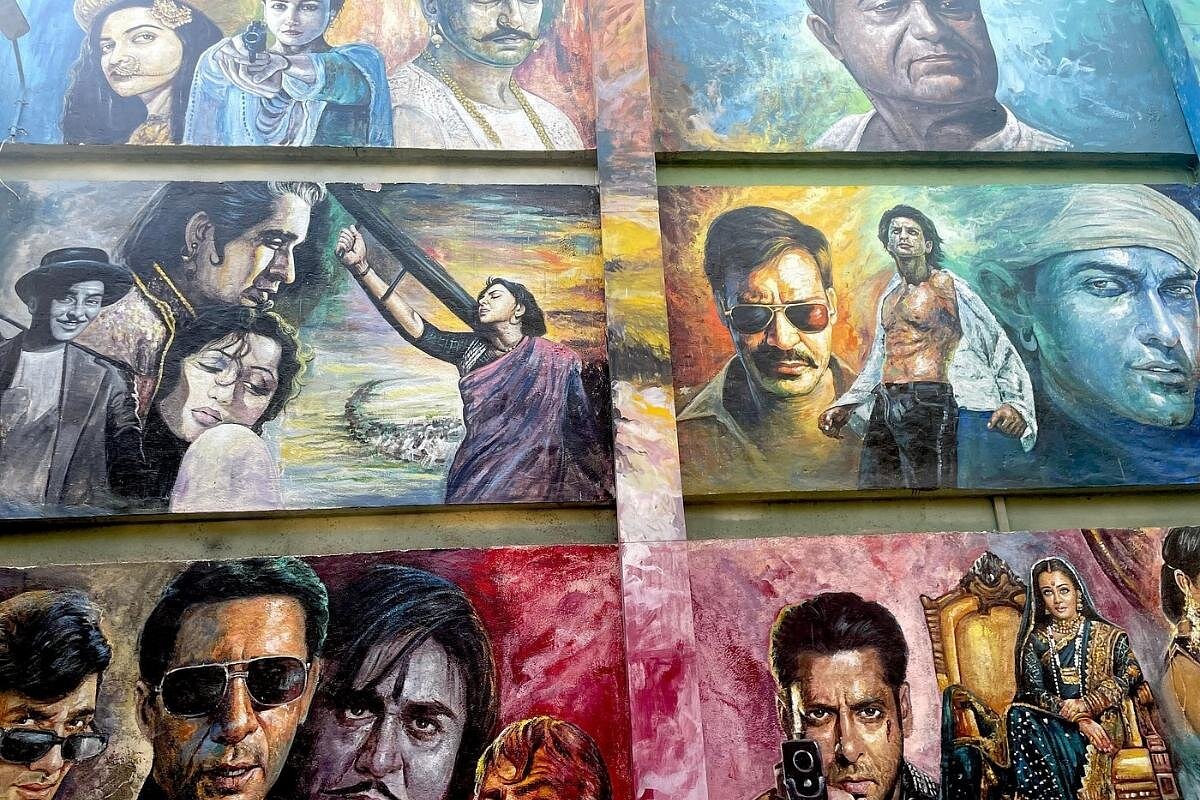
Filmcity, officially known as Dadasaheb Phalke Chitranagri, is a sprawling studio complex in Goregaon dedicated to Indian cinema. Established in the 1970s, it boasts numerous indoor and outdoor filming locations, including gardens, lakes, and streets, all designed to emulate diverse landscapes. It serves as a hub for countless Bollywood productions. To get the most out of your visit, consider joining a guided tour that offers insights into filmmaking processes and sets. Mornings on weekdays tend to be less crowded, making it easier to absorb the details. The nearby Aarey Milk Colony provides a green escape amidst the urban environment.
Best activities to do in Mumbai
Explore all (53) →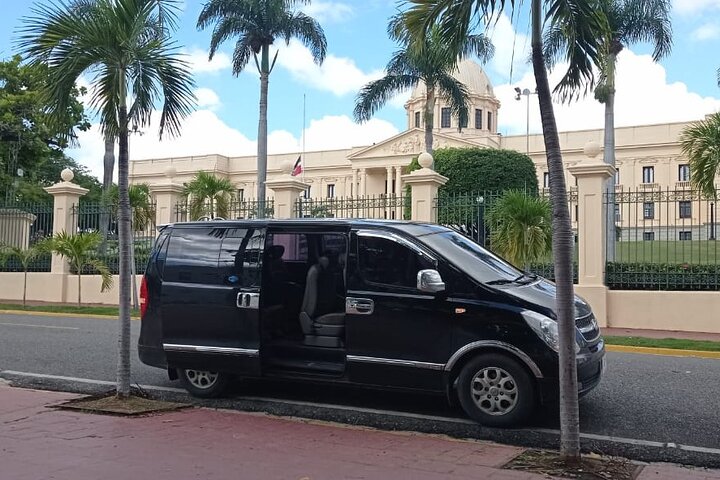 55 min
Private transfer from Mumbai Cruise Port to Mumbai Airport
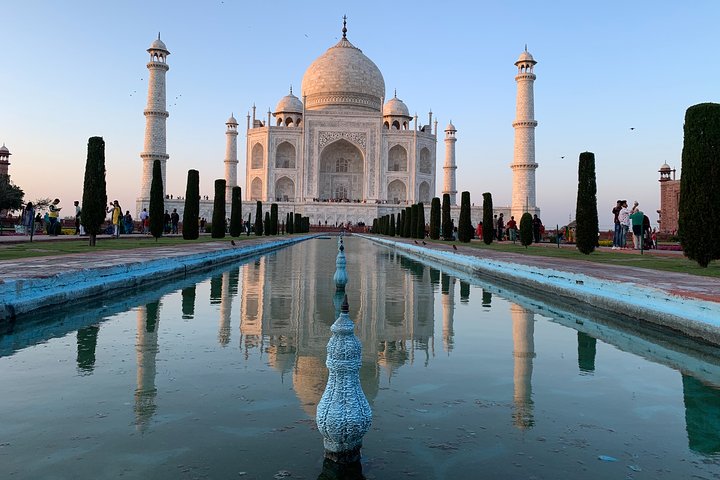
Same-day Taj Mahal tour from Mumbai by flight
 45 min
Mumbai airport transfer by luxury van
 3 hours
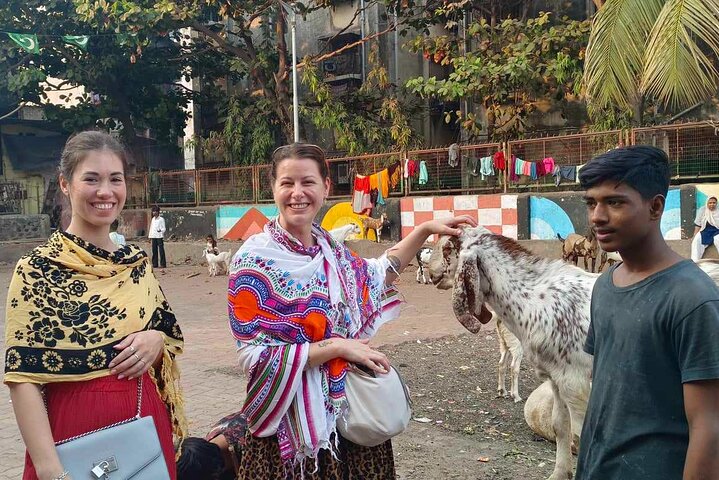
Dhobi Ghat and Dharavi slum tour with a local guide
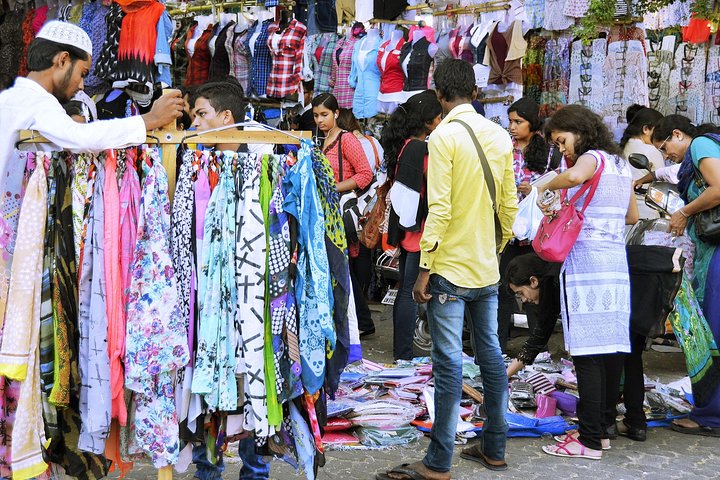
Private shopping tour of Mumbai's local markets
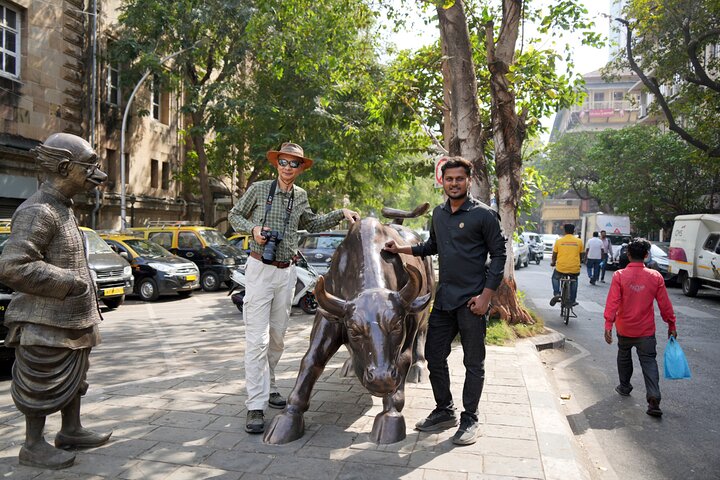
Full-day private Mumbai city tour with Dharavi Slum visit
 2 days
Two-day private Mumbai tour including slums and Elephanta Island
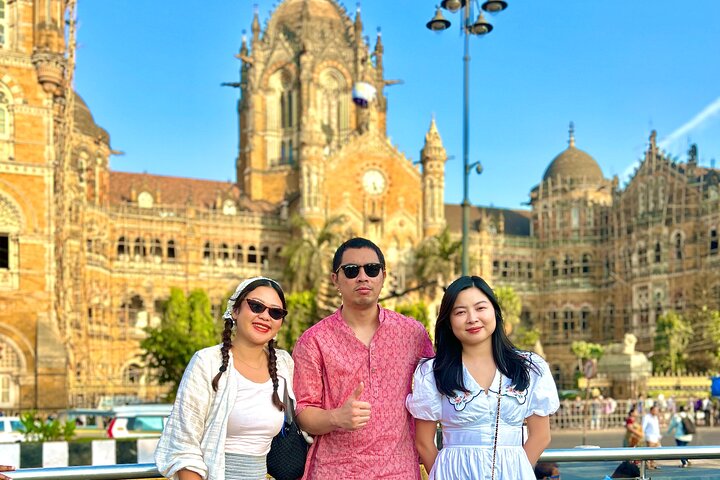
Private luxury sightseeing tour of Mumbai
Luxury & private in Mumbai
See all 33 →55 minPrivate transfer from Mumbai Cruise Port to Mumbai Airport
Same-day Taj Mahal tour from Mumbai by flight
45 minMumbai airport transfer by luxury van
Private shopping tour of Mumbai's local markets
Full-day private Mumbai city tour with Dharavi Slum visit
2 daysTwo-day private Mumbai tour including slums and Elephanta Island
Cultural & heritage in Mumbai
See all 26 →Private shopping tour of Mumbai's local markets
Full-day private Mumbai city tour with Dharavi Slum visit
Private luxury sightseeing tour of Mumbai
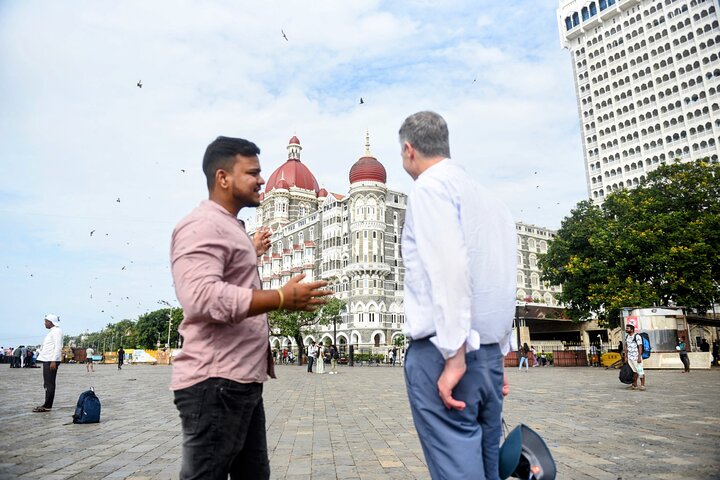
Full-day Mumbai sightseeing and Dharavi slum tour
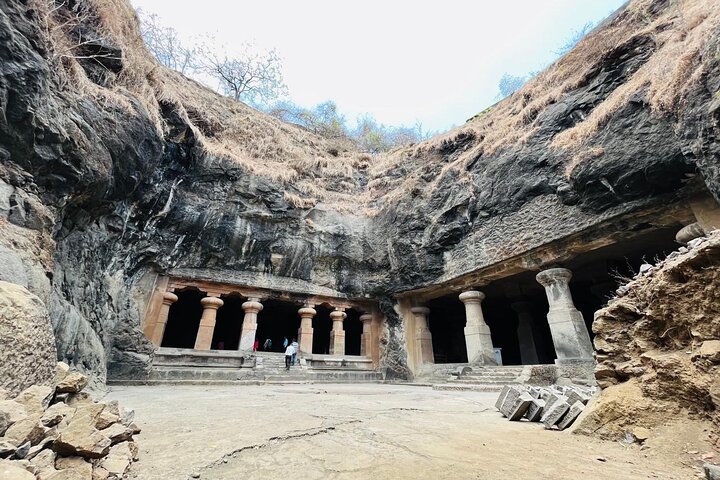
Guided tour of Elephanta Caves with ferry ride
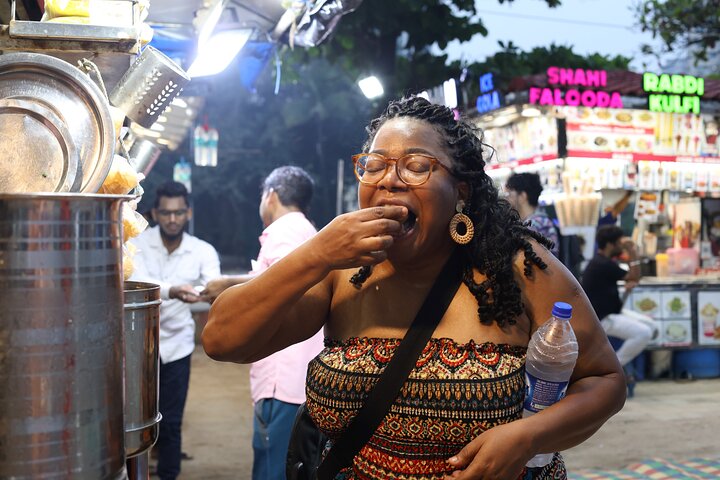 3.5 hours
Mumbai street food and evening bazaar tour
Stay with Rovostays
Apartments in Mumbai
Pair these experiences with a hand-picked apartment. Verified, professionally managed, concierge always included.