- 4.8· 1,614 reviews94 tours include this

Jeita Grotto is a stunning network of limestone caves located just north of Beirut, notable for its spectacular stalactites and stalagmites, formed over millions of years. The upper cavern spans about 1,200 metres and features an impressive subterranean river that extends for roughly 620 metres, offering striking views of the natural formations and illuminated paths. Plan for a couple of hours to explore both the upper and lower grottos. Early morning offers a quieter experience, while weekends are busier with locals and tourists alike. Nearby, the Lebanese Heritage Museum provides additional context to the region’s geology and history.
“We took a day trip today to Harissa, Byblos, and Jeita Grotto, and it was truly fantastic. Our driver Ziad was incredible—speaking flawless English and being very friendly and welcoming. He shared many fascinating stories and facts during our journey. We felt completely safe in Lebanon, which is a beautiful, warm, and often underrated country with wonderful people. If you’re considering a visit, let this be your sign. You will love it here just as we did.”— nicoled0591 who visited Jeita Grotto on a Rovostays-listed tour
- 02
Baalbek

Baalbek is an ancient city known for its monumental Roman temples, particularly the Temple of Bacchus and the Temple of Jupiter, built between the 1st and 3rd centuries AD. The ruins, among the largest and best-preserved of their kind, showcase massive stone blocks and intricate carvings, reflecting the strength of Roman engineering. Visiting Baalbek is best done in the spring or autumn when the weather is mild. Allocate a few hours to explore the vast complex, and don’t miss the nearby Roman Acropolis. Be mindful of the surrounding area, as it has been historically tumultuous. The layers of history in the stone speak volumes to the city's past.
“We organized a day trip to Aanjar and Baalbek with Zingy Ride, and it was fantastic. Our driver Kassem made the experience exceptional with his excellent communication skills and fluent English. Both Baalbek and Aanjar are essential stops when visiting Lebanon.”— Q6563HPjordans who visited Baalbek on a Rovostays-listed tour

Byblos, known as Jbeil in Arabic, is one of the oldest continuously inhabited cities in the world, with archaeological remains dating back to the Neolithic period. It's a UNESCO World Heritage site, featuring a mix of ancient ruins, including Roman temples, Crusader castles, and a charming medieval old town that leads to a picturesque harbour. Exploring Byblos' vibrant souks and waterfront is a must, particularly during the cooler months when the weather is pleasant. The site also hosts a range of cultural festivals, making it worthwhile to check the local calendar. The seaside promenade offers a relaxing spot to watch fishing boats as the sun sets over the Mediterranean.
“It was a thoroughly enjoyable day, with everything running smoothly and well organized. Hassan was a friendly and helpful guide. I was lucky to arrive at the Jeita Grottoes as they opened, allowing me to experience them alone. The sites were beautiful, and the people I encountered during the trip were truly charming. Overall, it felt like a refreshing escape from the current situation.”— LaurenceM1122 who visited Byblos (Jbeil) on a Rovostays-listed tour

The Forest of the Cedars of God is a UNESCO World Heritage site located in the mountains of Lebanon, characterized by its ancient Cedrus libani trees, some of which are over a thousand years old. This grove, revered in history and mythology, sprawls across a remote area of the Beqaa Valley, offering a glimpse into the region's rich natural heritage. Visiting is best in spring or autumn when the weather is mild. Expect well-marked trails for hiking; the site also features a small visitor centre providing context about the flora and fauna. Adjacent to the forest, the town of Bsharri is worth exploring for its cultural and historical significance.
“This trip with Wissam comes highly recommended. It was incredibly well-organized, offering stunning views, and our tour guide was both knowledgeable and polite.”— noor072024 who visited Forest of the Cedars of God (Horsh Arz el-Rab) on a Rovostays-listed tour
- 05
Jounieh

Jounieh is a coastal city located about 16 kilometres north of Beirut, known for its beautiful bay and the lively promenade lined with cafes and shops. The city's history dates back to ancient times, but it gained prominence in the 19th and 20th centuries as a resort destination, featuring a blend of modern architecture and traditional Lebanese charm. The impressive Harissa cable car offers sweeping views of the Mediterranean Sea and the surrounding mountains. The best time to visit is in spring or autumn, when the temperatures are mild and the atmosphere is pleasant. Explore nearby attractions like the Our Lady of Lebanon statue in Harissa or head to the historic town of Byblos, which is just a short drive away. Keep in mind that Jounieh can get crowded during summer weekends.
“Imad, our driver, was incredibly friendly and accommodating. He took us to Harissa and Jeita in a comfortable, new Toyota while playing lovely music. Thanks to Imad, we created wonderful memories despite the bad weather! The three girls from Greece.”— stefaniat577 who visited Jounieh on a Rovostays-listed tour

Our Lady of Lebanon (Notre Dame du Liban) is a formidable marble shrine situated on the hill of Harissa, overlooking the bay of Jounieh. Built in the mid-20th century, it features a massive statue of the Virgin Mary, visible from various points across the region, symbolising peace and unity in a country marked by conflict. Visitors typically take the funicular to the basilica, where panoramic views of the Mediterranean unfold. The site is particularly atmospheric during religious festivals in summer, but the quiet off-season allows for a more contemplative experience. Look for the intricate mosaics inside the church, reflecting the region’s rich artistic heritage.
“We took a day trip today to Harissa, Byblos, and Jeita Grotto, and it was truly fantastic. Our driver Ziad was incredible—speaking flawless English and being very friendly and welcoming. He shared many fascinating stories and facts during our journey. We felt completely safe in Lebanon, which is a beautiful, warm, and often underrated country with wonderful people. If you’re considering a visit, let this be your sign. You will love it here just as we did.”— nicoled0591 who visited Our Lady of Lebanon (Notre Dame du Liban) on a Rovostays-listed tour

Chateau Ksara is Lebanon's oldest and largest winery, established in 1857 in the Beqaa Valley. The picturesque estate features impressive limestone caves, where barrels of wine mature in ideal conditions. Visitors are greeted by a modern tasting room and a glimpse into the winemaking process that has evolved over more than a century. Plan to spend a couple of hours sampling their diverse selection of wines while enjoying the scenic vineyards. The Beqaa Valley is known for its rich agricultural landscape, making it worth exploring nearby wineries such as Domaine Wardy or the Roman ruins of Baalbek to delve deeper into Lebanon’s cultural heritage.
“We organized a day trip to Aanjar and Baalbek with Zingy Ride, and it was fantastic. Our driver Kassem made the experience exceptional with his excellent communication skills and fluent English. Both Baalbek and Aanjar are essential stops when visiting Lebanon.”— Q6563HPjordans who visited Chateau Ksara on a Rovostays-listed tour

Qadisha Valley, known as Wadi Kadisha, is a UNESCO World Heritage Site that showcases stunning limestone cliffs and ancient monasteries, dating back to the early Christian era. This deep gorge, carved by the Qadisha River, is rich in history and spirituality, with ruins of hermitages and the centuries-old Maronite Christian communities dotting its landscape. A visit to the valley can take a few hours, but plan for a full day to enjoy the scenic trails and explore the intricately carved churches such as the Monastery of St. Anthony of Qozhaya. The spring is an ideal time when the landscape bursts with greenery, and be prepared for a hike; sturdy shoes are essential.
“This trip with Wissam comes highly recommended. It was incredibly well-organized, offering stunning views, and our tour guide was both knowledgeable and polite.”— noor072024 who visited Qadisha Valley (Wadi Kadisha) on a Rovostays-listed tour
- 09
Anjar

Anjar is an archaeological site that showcases the remains of a Roman city established in the 8th century under the Umayyad caliphate. The site features well-preserved ruins including grand arches, baths, and a mosque, all constructed from local limestone, that highlight the city's historical significance as a hub of trade and culture. Visiting Anjar offers a glimpse into the architectural prowess of the era and can be quite leisurely, as the sprawling site invites exploration. Best visited early in the morning to avoid the heat, it's located about 60 kilometres from Beirut, easily combinable with a trip to the Bekaa Valley. The quiet surroundings add to the reflective nature of the experience.
“This tour was fantastic! Fadi was an exceptional guide—very friendly and knowledgeable about everything regarding Lebanon. The drive was smooth, communication was excellent, the sites were breathtaking, and the food was tasty. I highly recommend it.”— Oliver_J who visited Anjar on a Rovostays-listed tour

Sidon, or Saida, is a historic port city on Lebanon's Mediterranean coast, known for its ancient ruins and vibrant fishing harbor. Key sites include the Sea Castle, a 13th-century fortress built by the Crusaders, and the bustling souks where the remnants of Phoenician civilization still resonate amid the narrow streets and traditional markets. Spend a few hours soaking in the atmosphere, particularly around the old town where you can wander along the waterfront promenade and sample fresh seafood from local vendors. The best time to visit is in the late afternoon when the sun sets over the sea, casting a warm glow on the stone facades.
“This was a pleasant and fascinating tour. Our driver was accommodating and adjusted the schedule to our needs. We especially enjoyed the Sidon sea castle and the ruins in Tyre, with the Hippodrome being a highlight.”— George_W who visited Sidon (Saida) on a Rovostays-listed tour
- 4.8· 252 reviews25 tours include this

The Gibran Museum is housed in a restored 19th-century monastery in Bsharri, dedicated to the works and life of Khalil Gibran, the influential Lebanese-American poet and philosopher. The museum showcases manuscripts, paintings, and various artefacts from Gibran's life, set against a backdrop of the stunning Lebanese mountains that inspired much of his work. Allow an hour to explore the thoughtfully curated exhibits, including Gibran's famous work, "The Prophet." The best time to visit is in spring or autumn, when the surrounding nature is in bloom and the weather is pleasant. Nearby, the Qadisha Valley offers picturesque hiking opportunities.
- 4.8· 50 reviews15 tours include this

The Beirut National Museum is Lebanon's largest and most important museum, housing a collection of over 100,000 artifacts that span from prehistoric times to the Byzantine era. Established in 1942, the museum was significantly damaged during the civil war but has been meticulously restored, providing a rich context for visitors to understand Lebanon's complex history. Plan to spend at least two hours exploring its various halls, where highlights include the stunning Roman mosaics and the intriguing archaeological finds from sites around Lebanon. The museum is located near the city centre, making it an easy stop before heading to the vibrant neighborhoods of Gemmayzeh or Mar Mikhael. Look for the impressive collection of Phoenician sarcophagi.
- 4.8· 49 reviews13 tours include this

Beiteddine is an 18th-century palace complex located in the Chouf Mountains, built by Emir Bechir II using local limestone, intricately designed with beautiful courtyards, ornate mosaics, and classic arches. The structure reflects a blend of Lebanese and Ottoman architectural styles, set amidst lush gardens that provide a serene escape from the city. Allocate a couple of hours to explore the palace and its surrounding village, ideally visiting during the spring or fall when the weather is pleasant. The nearby town of Deir el-Qamar offers additional historical context and scenic views of the landscape, enhancing the overall experience.

Tyre, an ancient Phoenician city, boasts a rich history spanning over 3,000 years, marked by its impressive archaeological sites, including the remnants of Roman aqueducts and the well-preserved Byzantine mosaics in its ruins. The UNESCO World Heritage Site features both the land and sea parts of Tyre, with a picturesque setting along the Mediterranean coast. Plan a few hours to explore the archaeological site and the adjacent sea castle, considered a fine example of coastal fortification. April to June and September to October are ideal months for pleasant weather. The local seafood market offers a taste of the region's culinary heritage, making for a worthwhile detour.

Martyrs’ Square is a significant landmark in Beirut, commemorating those who lost their lives during the Ottoman rule and the Lebanese Civil War. Dominated by the prominent Martyrs' Statue, the square has witnessed pivotal moments in Lebanese history and offers a striking view of its surrounding architecture, blending modern and historical elements. The square serves as a central gathering point, especially during national events and protests. Visit in the evening to see the area come alive with locals and street vendors. Nearby, explore the historic streets of the Downtown district, rich with cafés and shops, where the contrast of old and new Beirut is particularly striking.

Downtown Beirut, also known as the Beirut Central District, is a historic precinct that combines opulent architecture from the Ottoman era with modern developments. This area is the city’s commercial heart, marked by grand squares, high-end boutiques, and cafés, alongside the remnants of buildings that echo the tumultuous history of Lebanon’s civil war. Wander through the bustling streets and visit the Sursock Museum, housing a collection of contemporary art, or the Mohammad Al-Amin Mosque, a striking blue-domed structure. This district is best experienced in the evening when the cafés come alive and a cosmopolitan energy fills the air, though be mindful of safety advisories in less busy areas.

Hamra Street, or Rue Hamra, is a lively thoroughfare in Beirut known for its blend of modern and historic influences. Stretching from the American University of Beirut to the bustling waterfront, it features a mix of local shops, cafés, and cultural sites, giving a glimpse into the city’s eclectic character. Wander along the street to experience its café culture, particularly in the late afternoon when locals gather. The nearby AUB campus adds a youthful energy, and the Hamra district's nightlife comes alive after dark. Keep an eye out for art galleries that showcase both established and emerging Lebanese artists.
- 5.0· 1 reviews2 tours include this

Mim Mineral Museum is a showcase of over 1,500 mineral specimens, located within a dedicated space in the heart of Beirut. Established in 2011, this museum highlights the geological diversity of Lebanon and features stunning crystals, fossils, and unique geological formations, many sourced from the local region. Allocate an hour or two to explore the meticulously arranged displays that cater to both casual visitors and serious mineral enthusiasts. Nearby, you can find the bustling Hamra district with its cafes and shops. As you contemplate the intricate formations, note the way the natural light enhances the colours of each piece.

The Banque du Liban Museum showcases Lebanon's monetary history and the evolution of its banking sector, housed in a contemporary building designed by architect Jean-Michel Wilmotte. Opened in 2010, the museum features a curated collection of artifacts, including coins, banknotes, and models, providing insight into the country's economic journey and cultural milestones. Visitors will find interactive exhibits and informational displays that recount Lebanon’s financial evolution, making it suitable for both casual visitors and those with a keen interest in economics. Plan for at least an hour, and consider timing your visit with a stroll along the nearby Beirut Corniche for a broader sense of the city's vibrant atmosphere.
Best activities to do in Beirut
Explore all (31) → 5 hours
Private street food tour of Beirut’s neighbourhoods
 30 min
Pigeon Rocks boat ride in Beirut
 6 hours
Private half-day tour to Dog River, Jeita Grotto, and Harissa from Beirut
 3 hours
Live virtual Lebanese cooking class from Beirut
 6 days
6-day highlights of Lebanon tour from Beirut
 8 days
8-day holiday package exploring Lebanon from Beirut
 5 days
5-day Lebanon highlights tour from Beirut
 1 hours
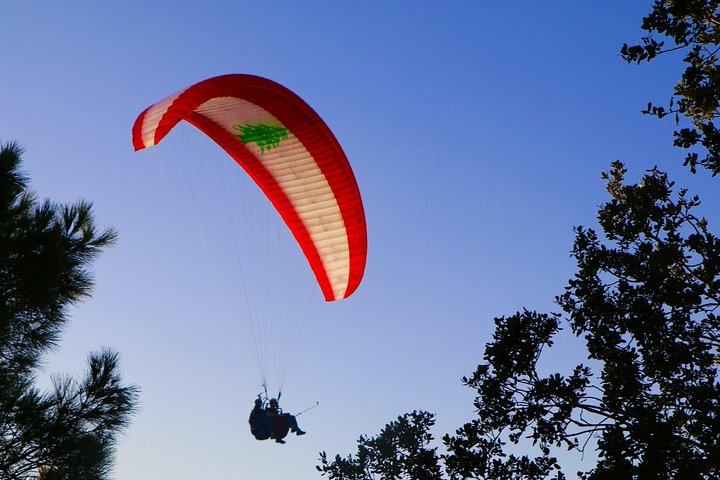
Paragliding over Jounieh Bay from Beirut
Cultural & heritage in Beirut
See all 13 →5 hoursPrivate street food tour of Beirut’s neighbourhoods
5 days5-day Lebanon highlights tour from Beirut
 9 hours
Small-group tour of Sidon, Tyre and Maghdouche from Beirut
 8 hours
Small group tour to Jeita Grotto, Harissa and Byblos from Beirut
 8 hours
Hiking and swimming at Jannet Chouwen Lake
 3 days
Three-day tour package exploring Lebanon from Beirut
Day trips in Beirut
See all 10 →30 minPigeon Rocks boat ride in Beirut
6 hoursPrivate half-day tour to Dog River, Jeita Grotto, and Harissa from Beirut
6 days6-day highlights of Lebanon tour from Beirut
 8 hours
Small-group tour to Jeita Grotto, Harissa, and Byblos from Beirut
 9 hours
Small-group tour of Anjar, Baalbek and Ksara winery from Beirut
