What's the itinerary?+
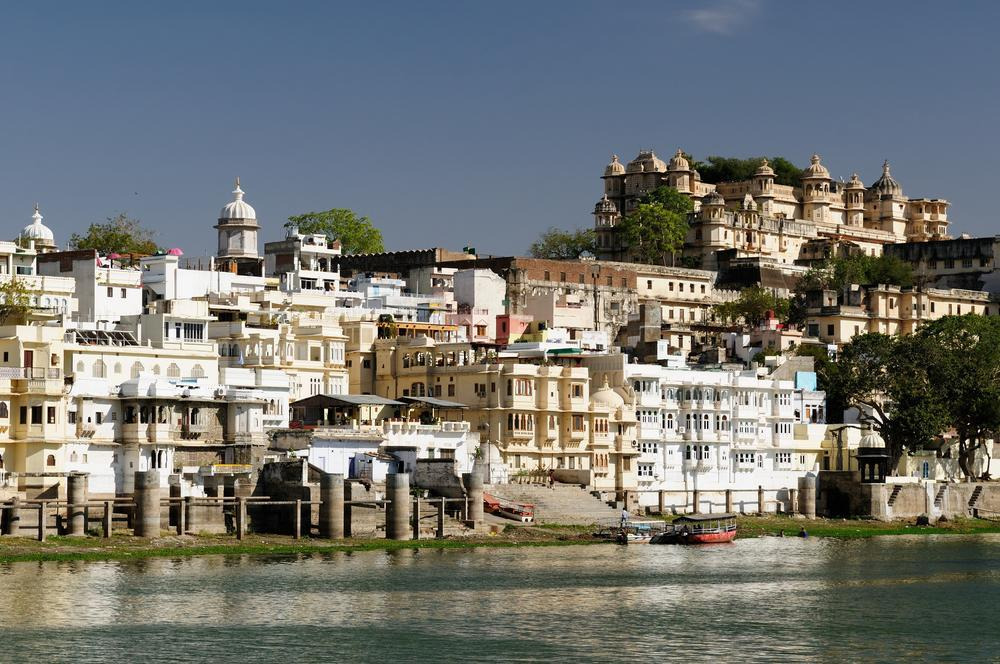
• The City Palace of Udaipur exemplifies the grandeur of the Mewar rulers from centuries past and still retains its magnificence. It showcases a combination of architectural styles, situated on the eastern banks of Pichola Lake. The palace features Rajasthani, European, Chinese, and Mughal designs, contributing to its charm. The complex includes the Monsoon Palace, Lake Palace, Jagdish Temple, Jag Mandir, and Neemach Mata temple, all surrounded by the Aravalli Mountains, enhancing its scenic backdrop. Constructed entirely of marble and granite, it displays fine marble-work, mirror-work, silver-work, inlay-work, wall paintings, and murals.
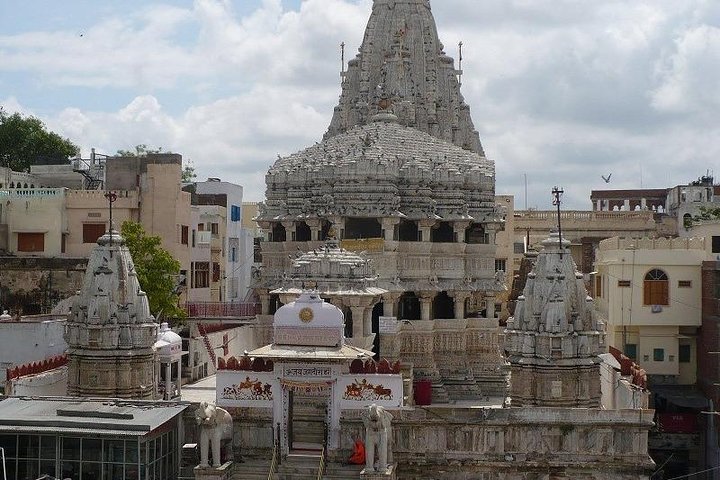
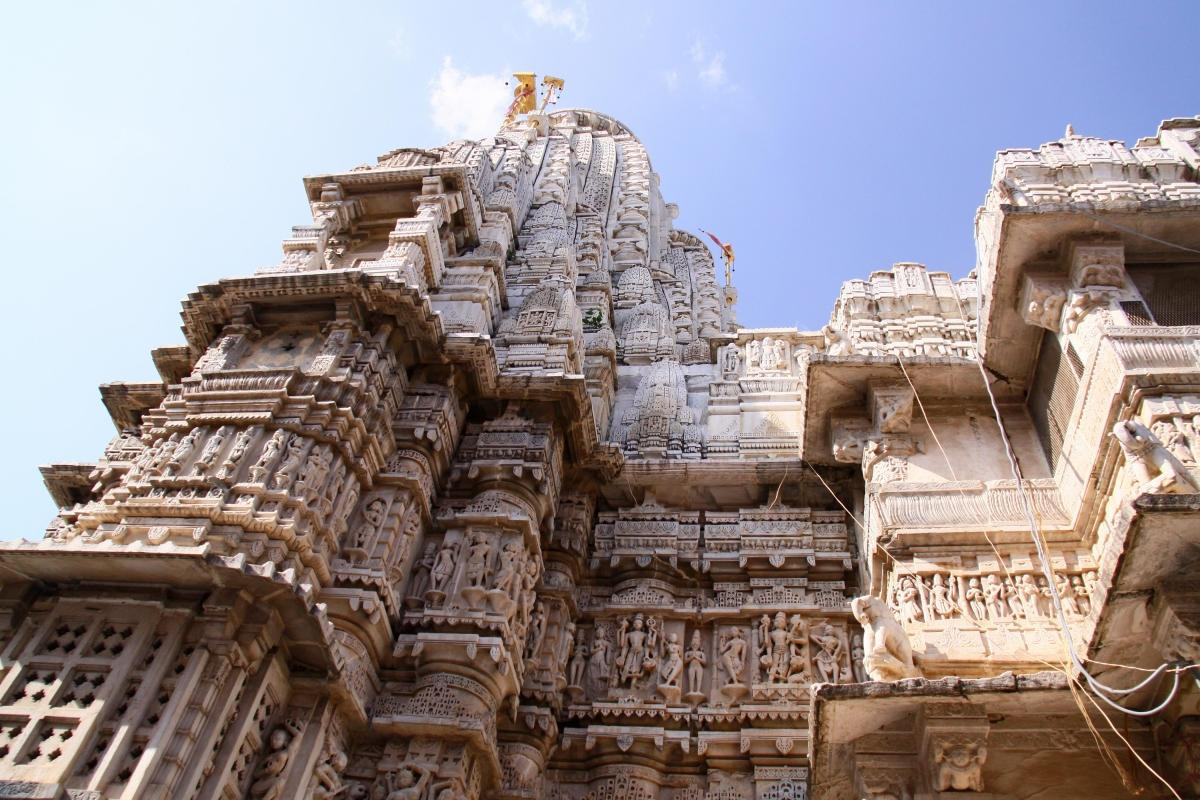
• Jagdish Temple, an important temple in Udaipur, is located within the City Palace complex and showcases Indo-Aryan architectural style. Built in 1651 by Maharana Jagat Singh, who ruled Udaipur from 1628-53, it is dedicated to Lord Vishnu (Laxmi Narayan), the universe's preserver. This temple is recognized as the largest in Udaipur, with its entrance situated about 150 meters from the Bara Pol of the City Palace.
• The Ahar Cenotaphs are situated in Ahar, Rajasthan, approximately 2 km to the east of Udaipur. This site includes over 250 cenotaphs commemorating the maharajas of Mewar, constructed over a span of around 350 years. It features 19 chhatris that honor the 19 maharajas cremated at this location, also referred to as the Mahasati.
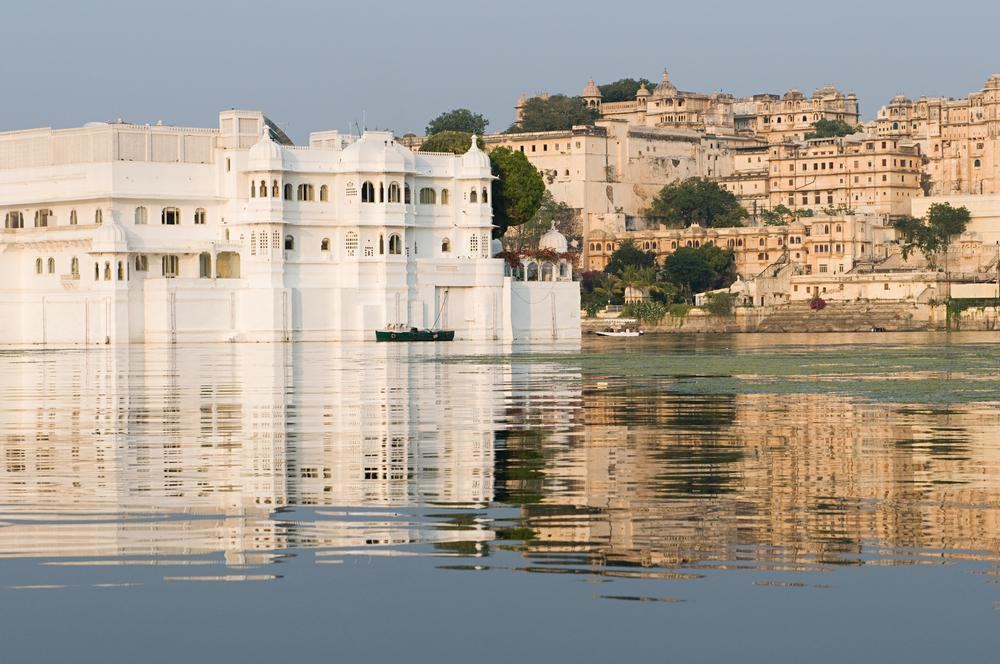
• Pichola Lake, an artificial freshwater lake established in 1362 AD, takes its name from the nearby village of Picholi. The lake's perimeter and numerous islands have been developed over time with palaces, marble temples, residences, and bathing ghats. The famous Lake Palace, now a heritage hotel, is situated in the center of the lake, alongside the islands of Jag Niwas and Jag Mandir.
• We proceed through Bada Bazar, which is followed by a market for vegetables and spices offering a range of items from fresh produce, tea, and spices to livestock and household goods.
• The Udaipur Ropeway, a recently introduced attraction, connects the popular Deen Dayal Park at the top of a hill near Lake Pichola to Machhala Hill Top near the Karni Mata temple. Commissioned in June 2008, it facilitates visits for many pilgrims heading to the Karnimata Temple and other historical sites at Machhala Hill.
• Saheliyon ki Bari, meaning Garden of the Maids, was constructed by Maharana Bhopal Singh and is located in the northern part of the city. This garden features fountains, kiosks, a lotus pool, and marble elephants. Each water channel produces unique sounds that enhance the atmosphere of the area. A small museum is also available on the premises. The garden was designed for 48 young women attendants who accompanied a princess as part of her dowry.
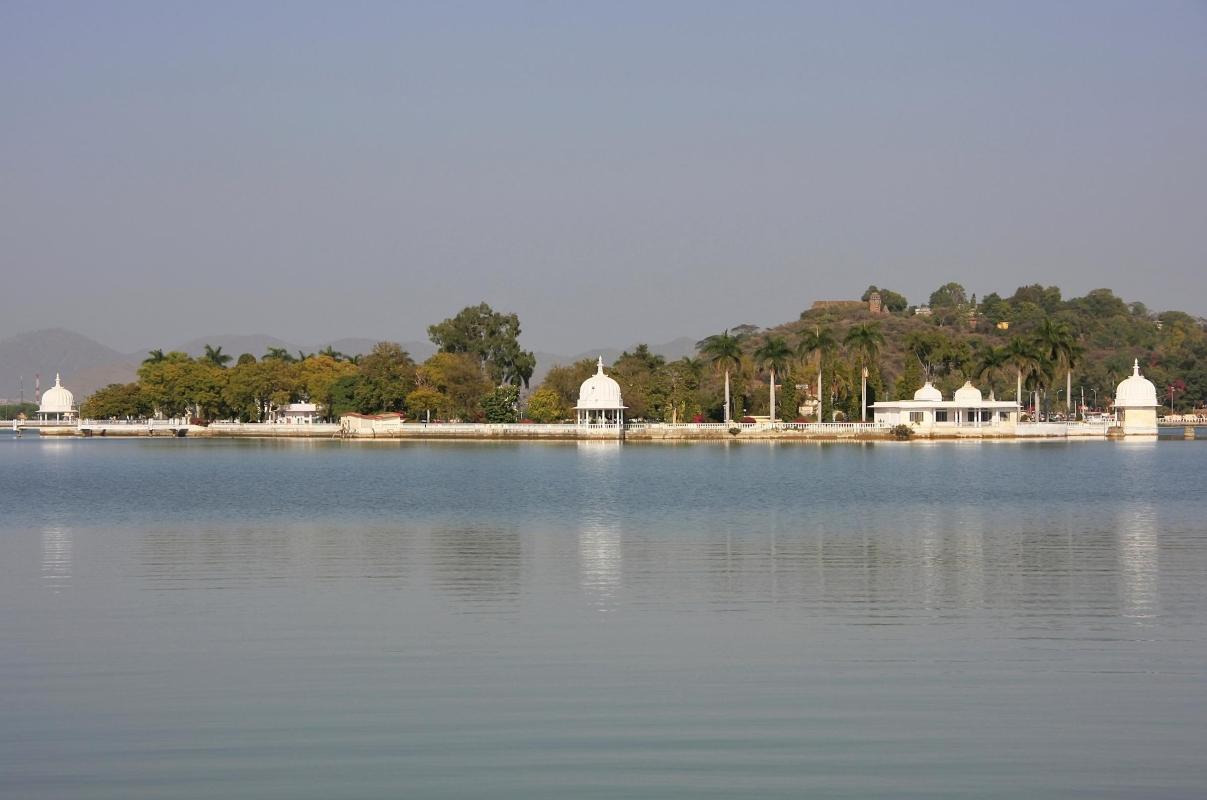
• Fateh Sagar Lake, located in Udaipur, is an artificial lake named after Maharana Fateh Singh and was created to the northwest of Udaipur in the 1680s, north of Lake Pichola.
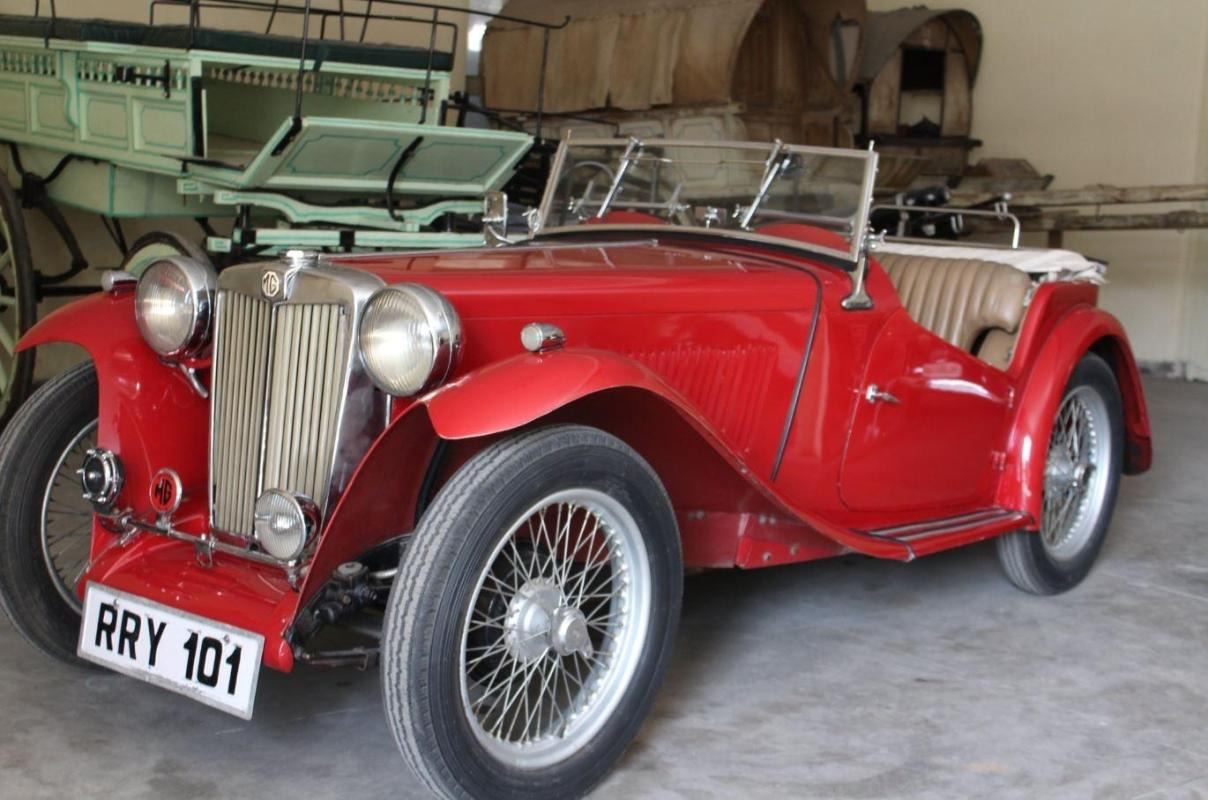
• The Vintage and Classic Car Museum in Udaipur hosts an impressive collection of rare classic and vintage cars.
• The Crystal Gallery, housing a vast assortment of crystals, is located inside the Fateh Prakash Palace. It boasts the largest collection of crystals.
• Jag Mandir is a palace situated on an island within Lake Pichola, also referred to as the "Lake Garden Palace." This significant structure attracts a large number of tourists and is credited to the Maharanas of the Sisodia Rajputs from the Mewar kingdom.