rovostays·

Full-day tour of Ajmer and Pushkar

5.0· 16 reviews6 hoursFrom INR 4911
Full-day tour of Ajmer and Pushkar — Day trips things to do in Pushkar

Ten hours of guided touring—exploring Ajmer's heritage and Pushkar's ghats, finishing with the evening Arti at Pushkar Lake.

This full-day tour offers an engaging exploration of Ajmer and Pushkar, showcasing their unique cultures and histories. You will visit eleven key sites, starting in Ajmer where you'll have about three hours to take in famous landmarks and local attractions. A one-hour break for lunch follows, with recommendations provided for local options.

After lunch, you'll head to Pushkar for an additional hour of sightseeing, where the tranquil ghats and temples offer a stark contrast to Ajmer's bustling vibe. The day concludes with the serene experience of the evening Arti at Pushkar Lake, providing a peaceful way to end your journey through these two culturally rich cities.

Places you'll visit

FAQ

Good to know

What's included in this experience?+
• Exclusive transportation • Coffee and tea
What should I know before booking?+
• Nearby public transportation is accessible • Infants must be seated on an adult's lap • Appropriate for individuals of all fitness levels
What's the cancellation policy?+
To receive a full refund, cancellations must be made at least 24 hours prior to the scheduled departure time.
How does pickup work?+
Pickup is organized based on guest preferences. Guests can be collected from their chosen locations.
What's the itinerary?+
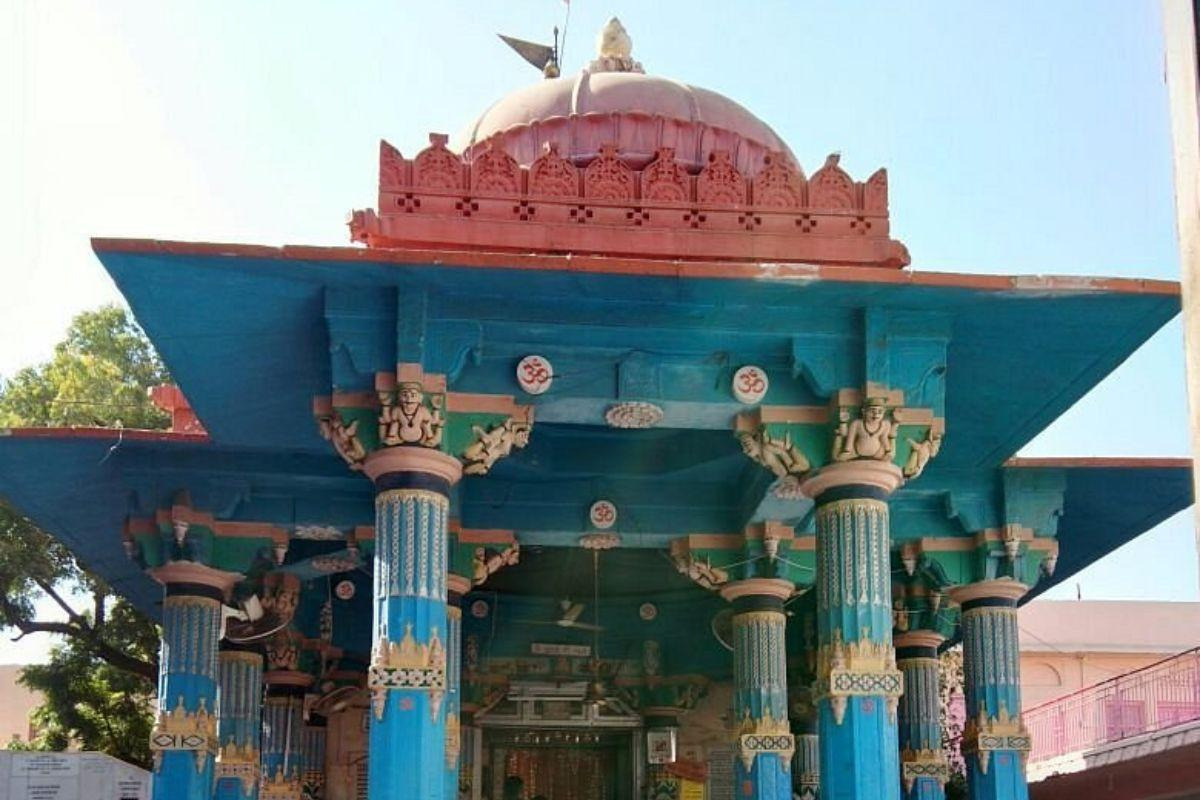
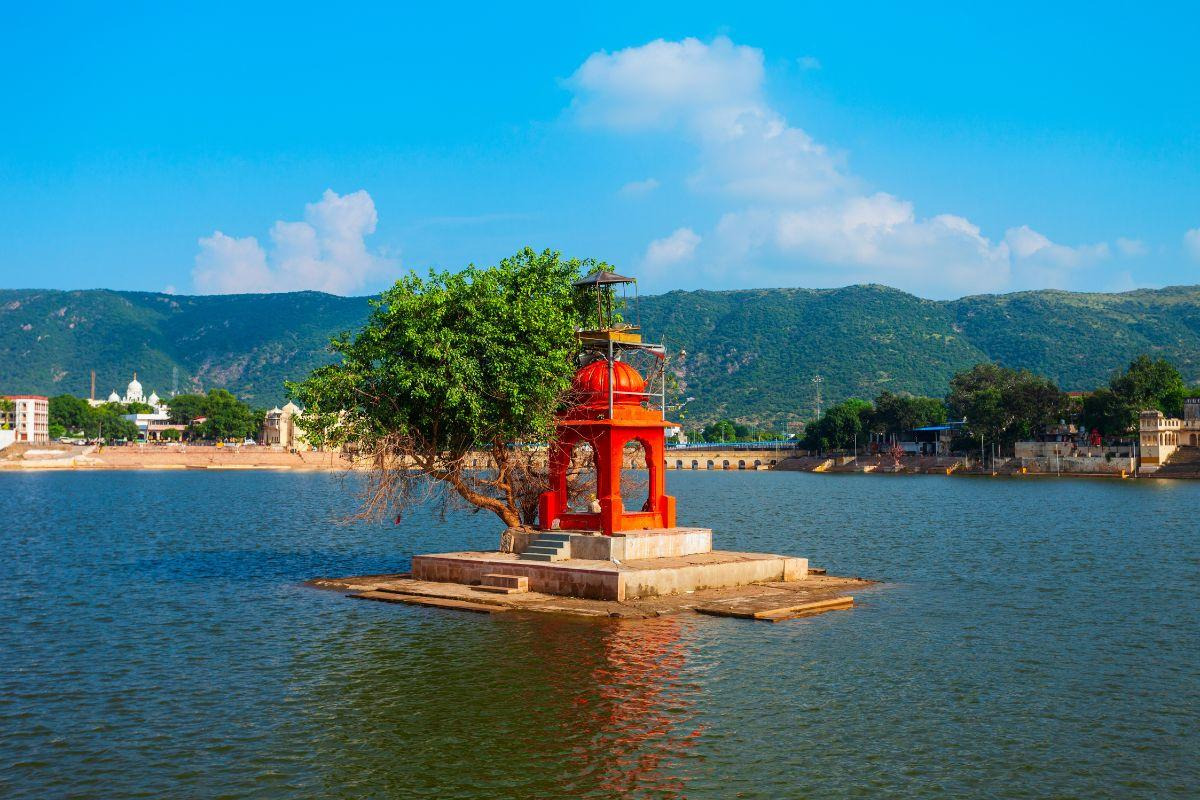
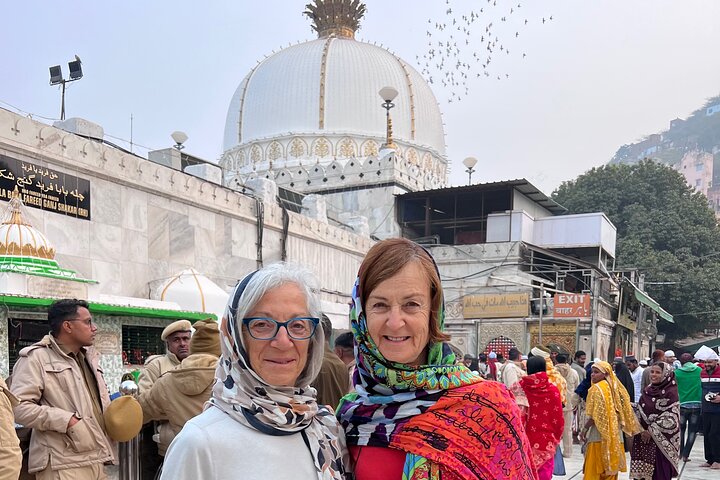
• Soni Ji Ki Nasiya, often referred to as the Jain temple, was constructed in the 19th century and is dedicated to Lord Rishabhdev (Agnidev), the first Tirthankara. Over 1000 kg of gold was used to create the temple's impressive appearance. • Dargah Sharif, also known as Ajmer Sharif, is the mausoleum of the Sufi saint Khwaja Moinuddin Chishti, who arrived in Ajmer from Persia in the late 11th century. This mosque holds significant sacred value for Muslims and other spiritual seekers and is entirely built from white marble, located amid the bustling streets of Ajmer. • The Government Museum of Ajmer is located within the 16th-century Akbari Fort and features an extensive collection of historical artifacts, sculptures, miniature paintings, and more. • Ana Sagar Lake was created by King Arnoraja or Anaji Chauhan, the grandfather of the prominent ruler Prithvi Raj Chauhan. Mughal Emperor Jahangir established the Daulat Bagh garden adjacent to the lake, and Shah Jahan built five pavilions (known as Baradari) between the garden and the water. • Begin your exploration in Pushkar with insightful information regarding the Sikh religion and community. Out of ten, two notable and respected teachers have visited this place. • The Varaha temple in Pushkar, dedicated to Lord Vishnu, is one of the oldest temples and recognized as one of the eight Swayambhu Kshetra of Vishnu. Constructed in the 12th century by King Anaji Chouhan, it was later destroyed by Mughal emperor Aurangzeb and reconstructed in the 18th century by Raja Sawai Mann Singh II. The temple is noted for its beautiful structure adorned with precious ornaments and stones. • The old Rangji temple, approximately 200 years old and located near Varaha Ghat in the center of town, is dedicated to Lord Vishnu. Commissioned in 1823 by wealthy merchant Seth Puran Mal Ganeriwal of Hyderabad, it houses idols of Lord Rangji, Lord Krishna, Goddess Lakshmi, Shri Ramanujacharya, Venu Gopal, and Narsingh. The temple is celebrated for its stunning South Indian architecture featuring a high Gopuram. • The Atmateshwar temple, dedicated to Lord Shiva, was built in the 12th century AD and is renowned for its intricate Hemadpanti architectural carvings and designs. The ceiling is carved from a single stone, and the main lingam resembles that of the Mahakaal Ujjain temple. • This temple is unique as it is the only one in the world dedicated to Lord Brahma, dating back to the 14th century and later renovated. Constructed from black and white marble, the temple features a pillared gate that gives access to two smaller temples dedicated to Gatekeepers Lord Indra and Lord Kuber. A silver turtle sits on the floor facing the sanctum (Garbhgriha), which houses the idol of Lord Brahma with four faces alongside Goddess Gayatri. The Brahma idol was consecrated in 718 AD by Adi Shankara and is managed by Sanayasi (monks). • Pushkar Lake is surrounded by 52 Ghats, each with cultural and religious significance, utilized for bathing, ceremonies, and meditation. These ghats were built by various kings and emperors from across India. Notable ghats include Brahma Ghat, Badri Ghat, Varaha Ghat, Jaipur Ghat, and Jodhpur Ghat.

Visiting Pushkar?

Stay with Rovostays

Hand-picked, verified serviced apartments — concierge always included.