What's the itinerary?+
• Varaha Temple, one of the ancient sites in Pushkar, is dedicated to Lord Vishnu and is recognized as one of the eight Swayambhu Kshetra of Vishnu. This temple was constructed in the 12th century by King Anaji Chouhan, grandfather of King Prithviraj Chauhan, and was later destroyed by Mughal emperor Aurangzeb. It was rebuilt in the 18th century by Raja Sawai Mann Singh II. The temple’s elegant structure features ornate decorations made of valuable materials and is renowned for its stunning architecture and suitability for photography.
• Visitors can learn about Sikh history, beliefs, and the significance of Pushkar in Sikhism.
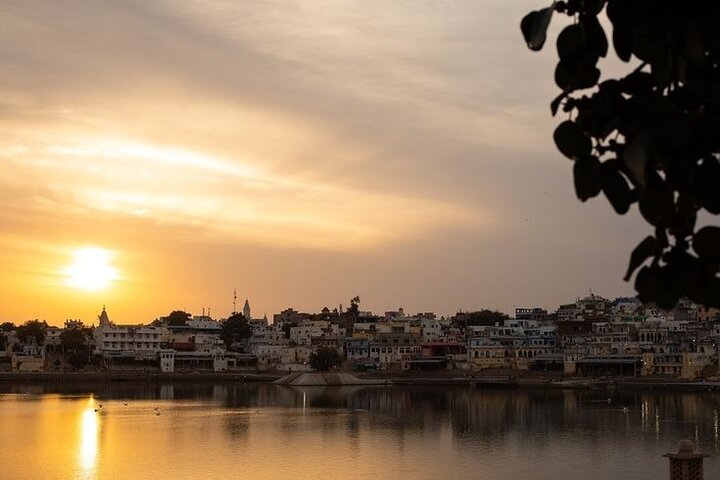
• The Ghat, known as Sunset Point or Raj Ghat, was built by the King of Amer, Raja Mann Singh I, in the early 16th century and later renovated by Jai Singh in the 18th century. The sunset viewed from Jaipur Ghat allows for beautiful photography and historical insights.
• Brahma Ghat hosts the evening fire ceremony, offering breathtaking and mesmerizing rituals. Attending the evening Aarti is essential for those seeking peace and tranquility. Visitors can get lost in the chants, along with the fragrances of incense and roses, while the melodic sounds of chiming bells from nearby temples create a divine ambiance. Large crowds gather at Brahma Ghat for the evening Aarti.
• Atmateshwar Temple, dedicated to Lord Shiva, was built in the 12th century AD and is famous for its intricate Hemadpanti architectural carvings. This underground cave temple has a ceiling carved from a single stone, and the main lingam resembles the one at Mahakaal Ujjain temple, making it notable for its captivating architecture and history.
• A spiritual walk along the ghats leads to Brahma Ghat, where visitors can participate in offering ceremonies for their families and special prayers for ancestors. Brahma Ghat is significant for the Maha Aarti, and Shri Jayendra Saraswati constructed the renowned Shankaracharya temple at the entrance.
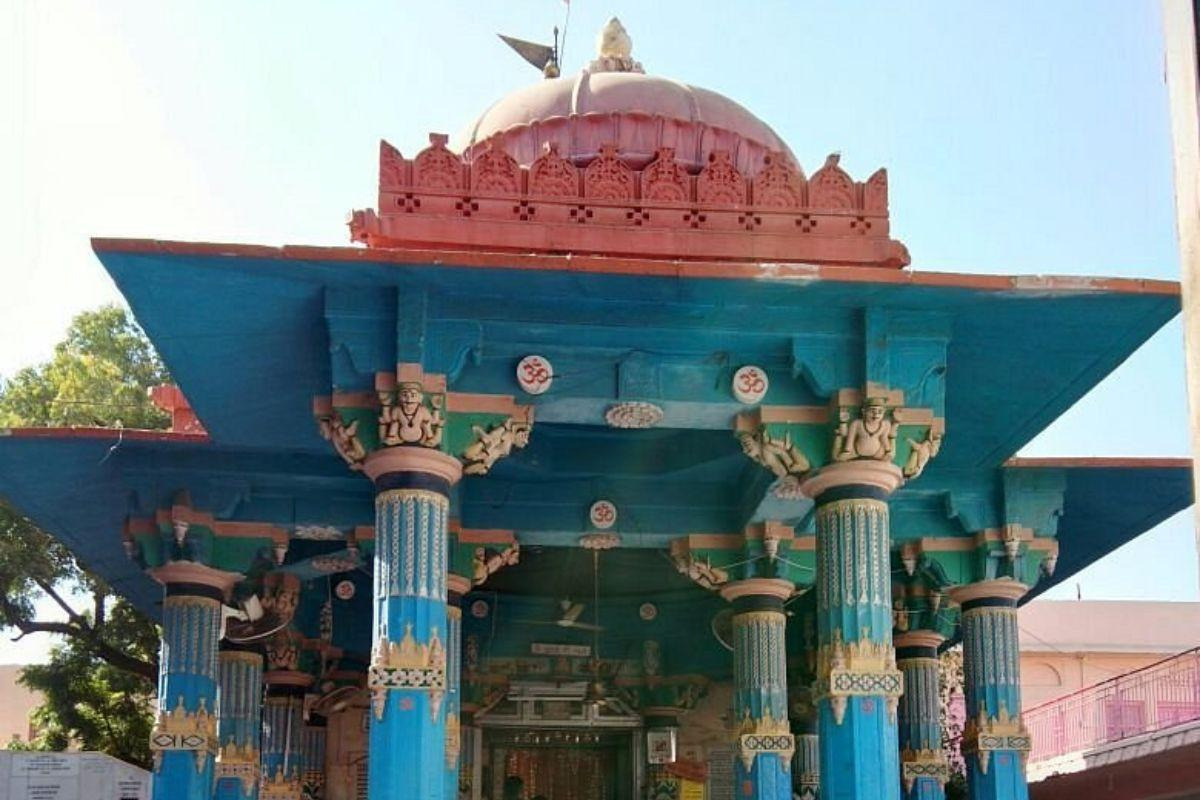
• This is the only temple in the world dedicated to Lord Brahma, with its structure dating back to the 14th century, and later renovations. The temple is made from black and white marble stones. A pillared gate leads to two smaller temples for the gatekeepers, Lord Indra and Lord Kuber, on opposite sides. A silver turtle is situated on the floor facing the Sanctorum (Garbhgriha), which houses the idol of Lord Brahma. The Brahma idol features four faces and Goddess Gayatri and was consecrated in 718 AD by Adi Shankara, with governance by monks.
• One of the oldest and most famous temples in Pushkar, the Rangji Temple is situated near Varaha Ghat in the town’s center. This 200-year-old temple, dedicated to Lord Vishnu, was commissioned for construction in 1823 by a wealthy merchant, Seth Puran Mal Ganeriwal of Hyderabad. It hosts idols of Lord Rangji, Lord Krishna, Goddammahi, Goddess Lakshmi, Shri Ramanujacharya, Venu Gopal, and Narsingh. The temple is known for its impressive South Indian architecture, highlighted by its towering Gopuram.
• After visiting Brahma Temple, the journey continues toward the Main Market, navigating narrow lanes that offer excellent photography opportunities, eventually reaching Halwai Gali, known for its Malpuas, and Gandhi Ghat.