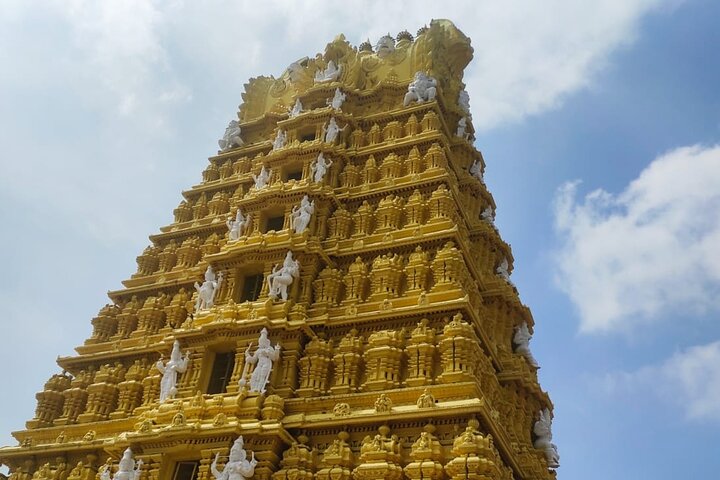
What's the itinerary?+
• Srirangapatna, a former capital of the Wodeyar dynasty and later of Hyder Ali and Tipu Sultan, is a historic town situated on an island formed by the Kaveri River, considered the Ganges of the South. Enclosed by a double-walled fortress first constructed in the 16th century and later enhanced in the 18th century, the fort is surrounded by water on three sides and has a moat on one side. Noteworthy attractions here include: the fort, Sriranganatha temple, Col. Bailey's dungeon, remnants of Tipu's palace, the summer palace 'Daria Daulat Bagh', Tipu's mausoleum 'Gumbaz', river ghats for rituals, the location of Tipu's body discovery, Jami Masjid with its minarets, and more. A drive around the fort and a visit to Tipu's palace is recommended. The next destination, Somanathpur, is a 45-minute drive away.
• The Keshava temple in Somanathpur, located 35 km from Mysore, is a remarkable 13th-century structure built during the Hoysala dynasty's reign. It ranks among the top three of the 92 temples constructed by the Hoysalas. The temple, situated on a star-shaped base, is adorned with high-quality sculptures. Key features include: geometric lathe-turned pillars, 16 uniquely themed ceilings, exquisite statues of Venugopala and Janardhana in the sanctum, ornate vimanas, and carvings of 480 distinct elephants. Constructed over 40 years by around 500 artisans, the temple was later vandalized by the Mughals in the 14th century, leaving it abandoned in a ritual sense but standing as an artistic marvel. A one-hour drive leads to Mysore Palace.
• Mysore Palace is known as the most opulent and luxurious palace in South India, often referred to as the "Palace of Versailles" of India. Completed in 1912, it showcases Indo-Saracenic architecture designed by English architect Henry Irwin. Its grandeur includes: tiles from England, marble from Italy, chandeliers from Czechoslovakia, cast iron pillars and stained glass from Scotland, teak wood from Burma, and bronze statues of jaguars from England. Spanning 45 acres, the palace complex also features various temples and is divided into two sections—one managed by the State Government and the other owned by the Wodeyar family. The palace attracts more visitors annually than the Taj Mahal, with a brief 10-minute drive to Devaraja Market and a suggested one-hour lunch break amidst the tour.
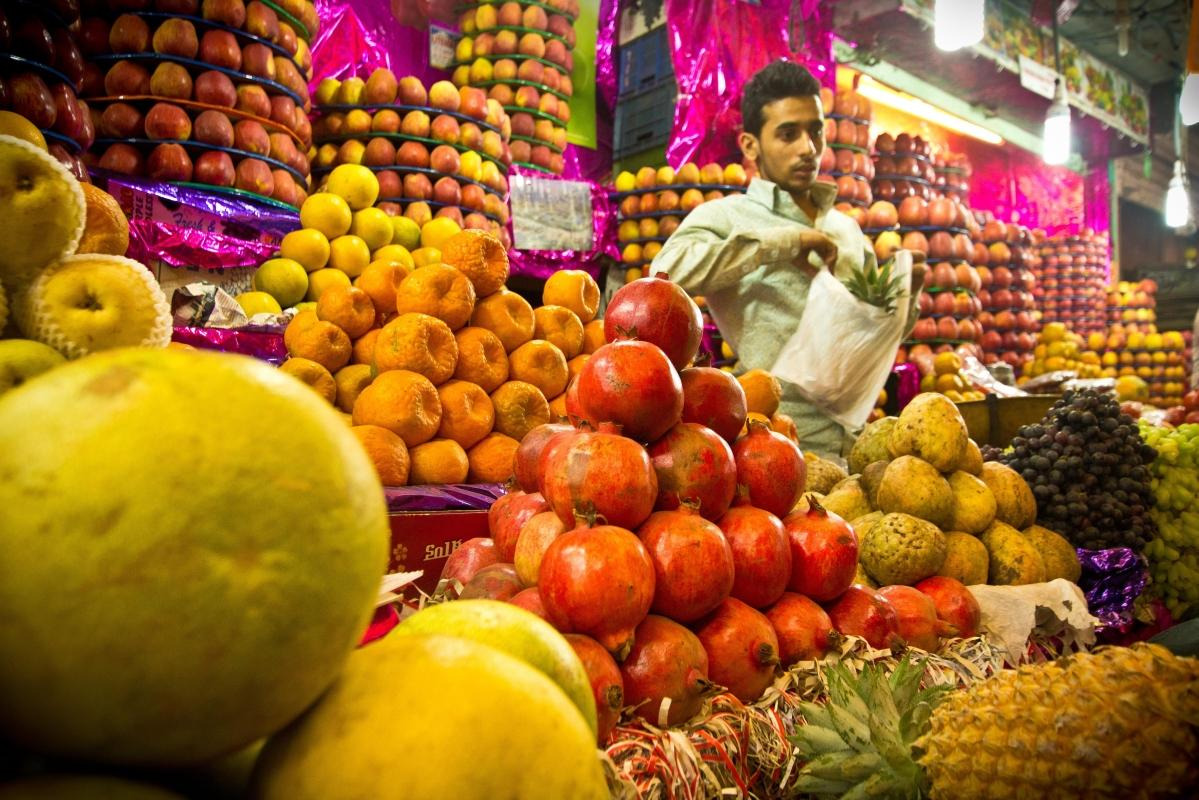
• A visit to Devaraja Market is a highlight for many visitors to South India, particularly for Western travelers. It has become an essential experience in Mysore itineraries, with some international visitors showing a preference for it over other notable monuments. The market is organized in a rectangular layout with dedicated areas for vegetables, fruits, and flowers, making it a visually appealing location for photography. The bustling atmosphere, filled with street vendors, perfume makers, tea sellers, and garland makers, offers a vivid snapshot of daily life in India.