rovostays·

Full-day guided tour of Lucknow including lunch

8 hoursFrom INR 9331
Full-day guided tour of Lucknow including lunch — Luxury & private things to do in Lucknow

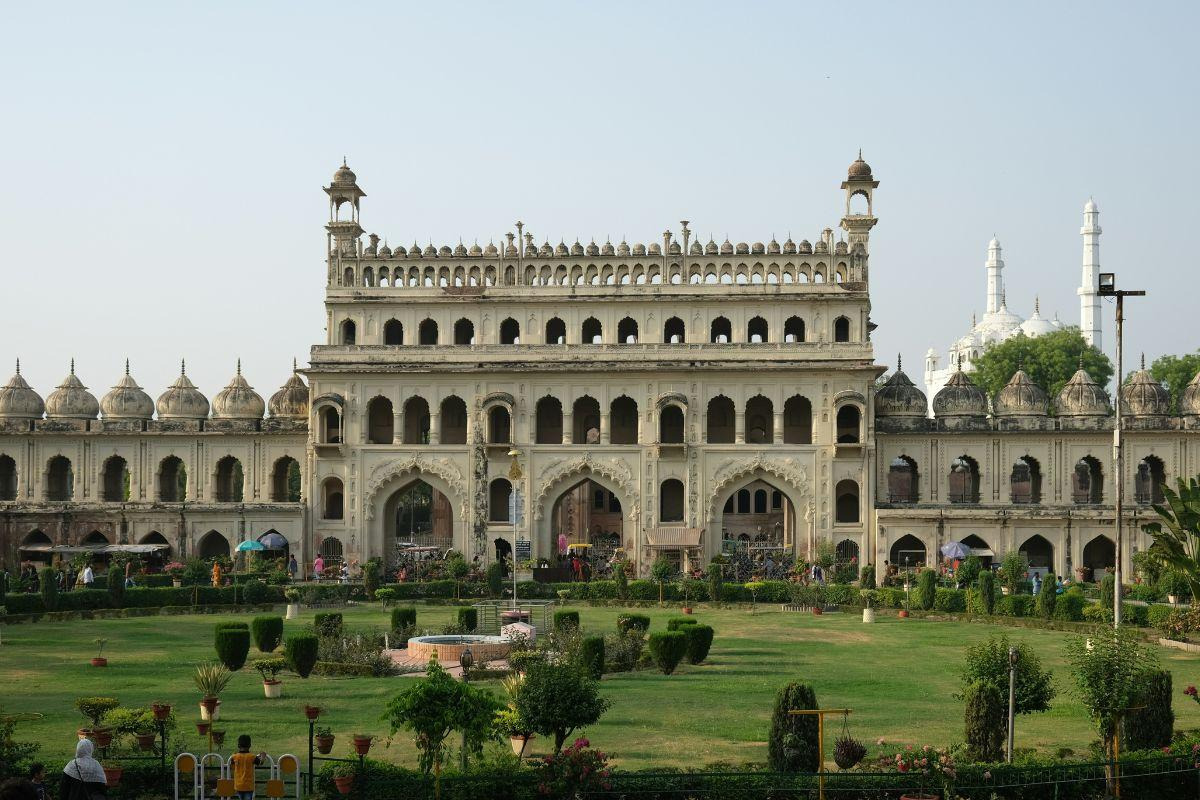
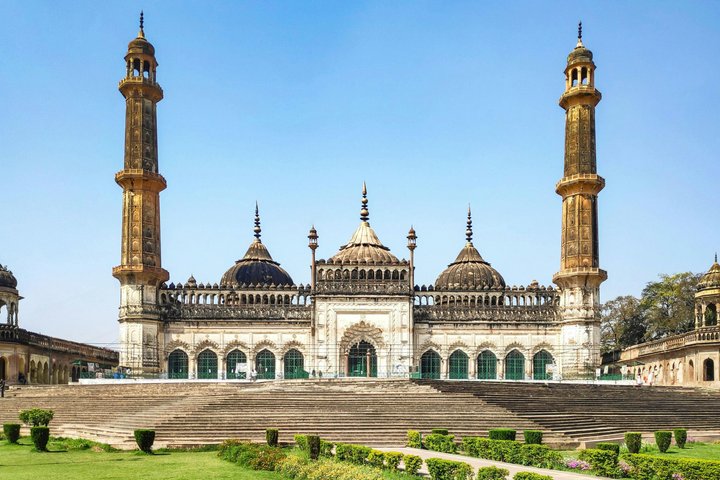
Eight hours with a private guide — explore Bara Imambara, Chota Imambara, and Chowk, including lunch at a local restaurant.

This guided full-day tour offers an in-depth exploration of Lucknow's historical and cultural landmarks. Over eight hours, visit the impressive Bara Imambara, known for its vast vaulted hall, and discover the intriguing layout of Bhool Bhulaiya. The tour also includes Chota Imambara, built as a famine-relief project in the 1830s, and a stroll through Chowk to appreciate the craftsmanship of chikankari.

Lunch is provided at a local restaurant, allowing for a taste of regional cuisine. The tour also covers key sites like the British Residency, which plays a significant role in the events of 1857, and ends near the serene Gomti River, where you can reflect on Lucknow's historical narratives. Be prepared for a full day of walking, so comfortable footwear is advisable.

Places you'll visit

FAQ

Good to know

What's included in this experience?+
• Exclusive transportation • Admission fees • Meal • Tour guide
What should I know before booking?+
• Nearby public transportation is accessible • Appropriate for individuals of any fitness level
What's the cancellation policy?+
To receive a full refund, cancellations must be made a minimum of 24 hours prior to the planned departure time.
How does pickup work?+
Pickup takes place from the hotel lobby.
What's the itinerary?+
• Start early at Bara Imambara, where you can see one of the world’s largest vaults constructed without iron or timber, designed using principles of load transfer and lime-mortar elasticity that are still studied by engineers today. Continue into the Bhool Bhulaiya, where the double walls create sound distortions and maintain cooler air, an early method of passive climate control. Exit through Rumi Darwaza, inspired by Ottoman architecture, which reflects Lucknow's 18th-century global perspective. • A brief drive takes you to Chota Imambara. Beyond its ornate chandeliers and intricate calligraphy lies a lesser-known history: it served as a famine-relief initiative during the drought in the 1830s, providing jobs through its construction, as documented in Awadh court records and referenced by social historians. • Transition to colonial times at the British Residency. The maintained ruins bear evidence of the 1857 uprising, with bullet holes and crumbling walls acting as firsthand documentation, closely aligned with military reports and personal accounts from both sides. This is a history to be seen rather than read on plaques. • Traditional local lunch. • Stroll through Chowk, where life moves at a human pace. Observe artisans working on chikankari embroidery, a craft adapted from Persian styles using fine cotton, suited to the hot, humid conditions of the Gangetic plains, which merges beauty with functionality. Take note of inward-facing homes with courtyards, a local response to the climate, frequently cited in urban studies throughout northern India. • By early afternoon, reach Hazratganj. Originally a colonial promenade, it has transformed into a communal space in Lucknow where Urdu literature, cafés, and political discussions coexist. Cultural historians often characterize it as the bridge between Nawabi sophistication and contemporary public life. • Conclude at the Gomti River as the light fades. Historical maps indicate how the city expanded along the river, which served as a resource for trade, rituals, and daily activities. Observing the water here completes the narrative—from regal aspirations to a vibrant urban life.

Visiting Lucknow?

Stay with Rovostays

Hand-picked, verified serviced apartments — concierge always included.