rovostays·

Private tour of Khajuraho's Kamasutra Temples

4.2· 5 reviewsFrom INR 10706
Private tour of Khajuraho's Kamasutra Temples — Cultural & heritage things to do in Khajuraho

Eight hours with a personal guide and driver — explore the intricate Kamasutra carvings of Khajuraho's temples at your own pace.

This private tour of Khajuraho's Kamasutra Temples spans eight hours, allowing you and your personal guide to delve into the artistry and history of these remarkable structures. Your day is customizable based on your interests, ensuring that you see the temples that intrigue you most.

An air-conditioned car is at your disposal, with fuel, parking, taxes, and surcharges included. The tour allows ample time to take in the architectural details and stories behind the enchanting carvings, so wear comfortable shoes for walking. Ideal for those with a keen interest in history or art.

Places you'll visit

FAQ

Good to know

What's included in this experience?+
• Access to the Western and Eastern groups of temples • Pickup and drop-off at hotels in Khajuraho • Private vehicle with air conditioning • Driver • Expert tour guide
What's NOT included?+
• Admission Fees • Items not specified in the inclusions
What should I know before booking?+
• Nearby public transport options are accessible • Not advisable for individuals with cardiovascular issues • Appropriate for all levels of physical fitness • The minimum age requirement is 2 years
What's the cancellation policy?+
To receive a full refund, cancellations must be made at least 24 hours prior to the planned departure time.
How does pickup work?+
Kindly include your hotel information when making your reservation.
What's the itinerary?+
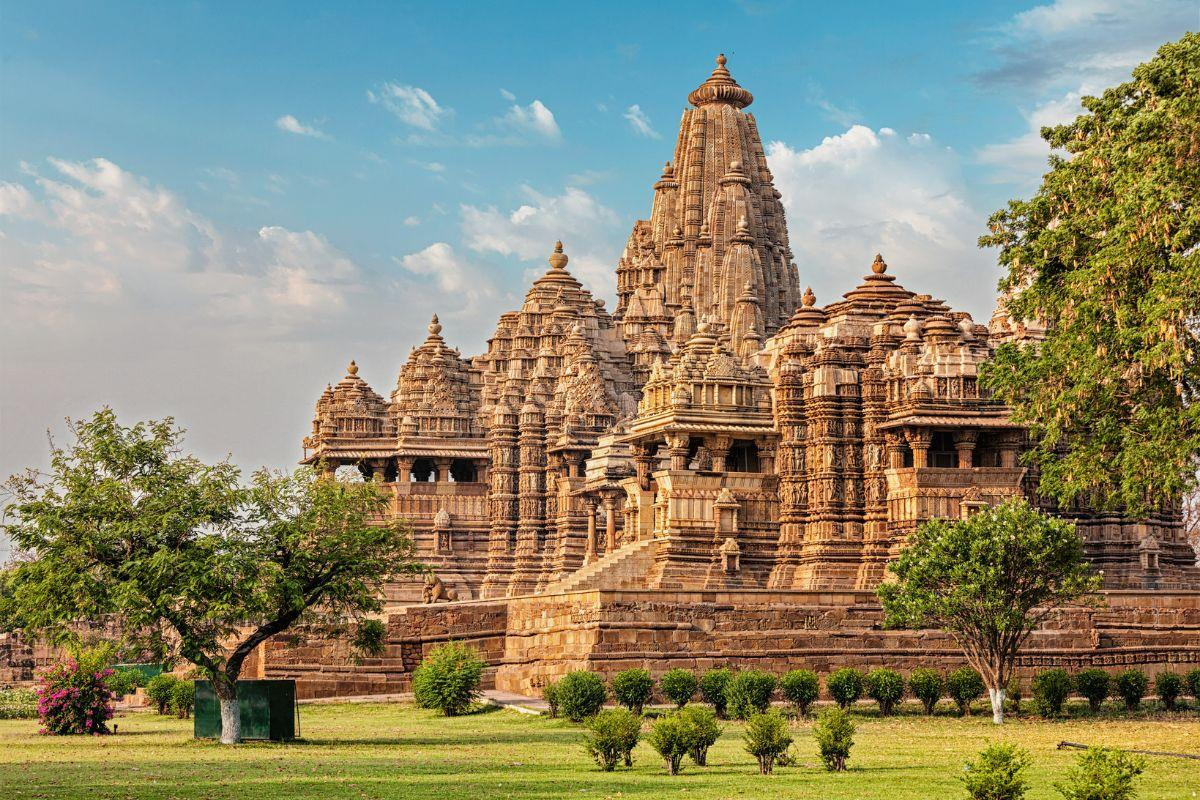
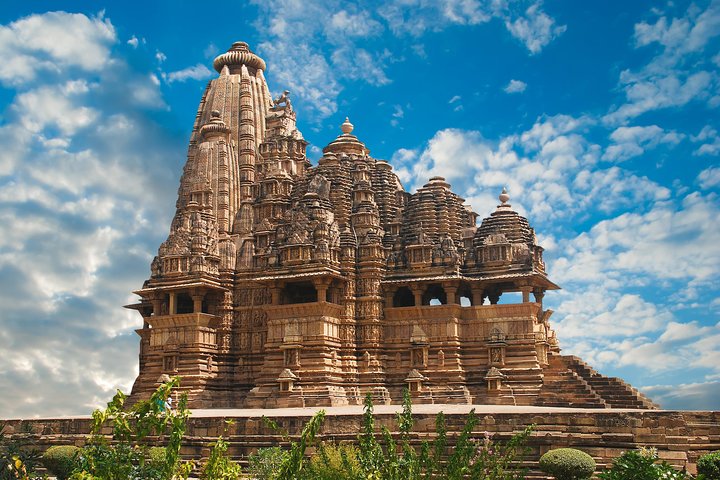
• The tour commences with a guide picking you up at your hotel lobby in Khajuraho at 09:00 AM, and a private car along with a driver will be available for 8 hours for travel within the city limits of Khajuraho. During this 8-hour private tour, you will have the opportunity to explore the Kamasutra temples of Khajuraho at your own pace. Recognized as a UNESCO World Heritage site in central India, Khajuraho is known for its intricately sculpted temples dedicated to Shiva, Vishnu, and Jain patriarchs. Once a significant capital of the Chandela kings from the 9th to the 11th century CE, the region encompassed a vast realm that included much of present-day Madhya Pradesh. Spanning 21 square kilometers, it was home to approximately 85 temples constructed by various rulers between 950 and 1050 AD. Following a period of turmoil in the late 11th century, the Chandela kings relocated to hill forts, while Khajuraho maintained its religious significance until the 14th century. It was largely neglected thereafter, likely due to its remoteness protecting it from destruction by Muslim conquerors. In 1838, British army captain T.S. Burt, associated with the Asiatic Society in Calcutta, encountered information that led to the rediscovery of these temples in Khajuraho's jungle. • Of the original 85 temples, about 20 remain in relatively good condition, primarily constructed of durable river sandstone. The temples feature elaborate carvings and sculptures, many of which are sensual or sexually explicit. They are arranged into three complexes, with the western complex being the largest and most famous, housing the remarkable Kandariya Mahadev temple, a 31-meter tall structure adorned with porches and turrets that culminate in a spire. Modern Khajuraho is a small village catering to tourists with various hotels and an airport. The name Khajuraho is derived from the area's abundance of date palms, known as khajur. • The Kandariya Mahadeva Temple, translated as "the Great God of the Cave," stands as the largest and most elaborately constructed Hindu temple within the medieval group in Khajuraho, Madhya Pradesh, India. It is widely regarded as one of the finest examples of medieval temple architecture preserved in India.

Visiting Khajuraho?

Stay with Rovostays

Hand-picked, verified serviced apartments — concierge always included.