rovostays·

Private custom tour of Hampi and Hospet

5.0· 2 reviews8 hoursFrom INR 10909
Private custom tour of Hampi and Hospet — Cultural & heritage things to do in Hampi

Full-day private tour with a guide — explore Hampi's ancient temples and visit Tungabhadra Dam in Hospet.

This private tour takes you through the historic landscapes of Hampi, a UNESCO World Heritage Site known for its ancient ruins from the Vijayanagara Empire. You'll have a knowledgeable guide to help navigate the numerous temple complexes and share insights about their cultural significance.

After exploring Hampi, you'll travel to Hospet, just a half-hour away by car. Here, visit the Tungabhadra Dam, which serves multiple purposes including irrigation and electricity generation. It has also become a popular picnic spot, where you can take a moment to relax and enjoy the views. This all-day experience allows for a deep dive into the heritage of Karnataka, so wear comfortable shoes for walking.

Places you'll visit

FAQ

Good to know

What's included in this experience?+
• Pickup and return to the hotel • Expert local guide • Bottled water provided • Exclusive private tour • Transportation via a private air-conditioned vehicle
What's NOT included?+
• Fees for photography at sites • Tips • Meals and beverages
What should I know before booking?+
• Infants and young children may be accommodated in a pram or stroller. • Nearby public transport options are accessible. • Infant seats are specially provided. • A moderate level of physical fitness is recommended for travelers.
What's the cancellation policy?+
To receive a full refund, cancellations must be made a minimum of 24 hours prior to the scheduled departure time.
How does pickup work?+
Pickup and drop-off are available at any hotel, vacation rental, or guesthouse within the Hampi city area.
What's the itinerary?+
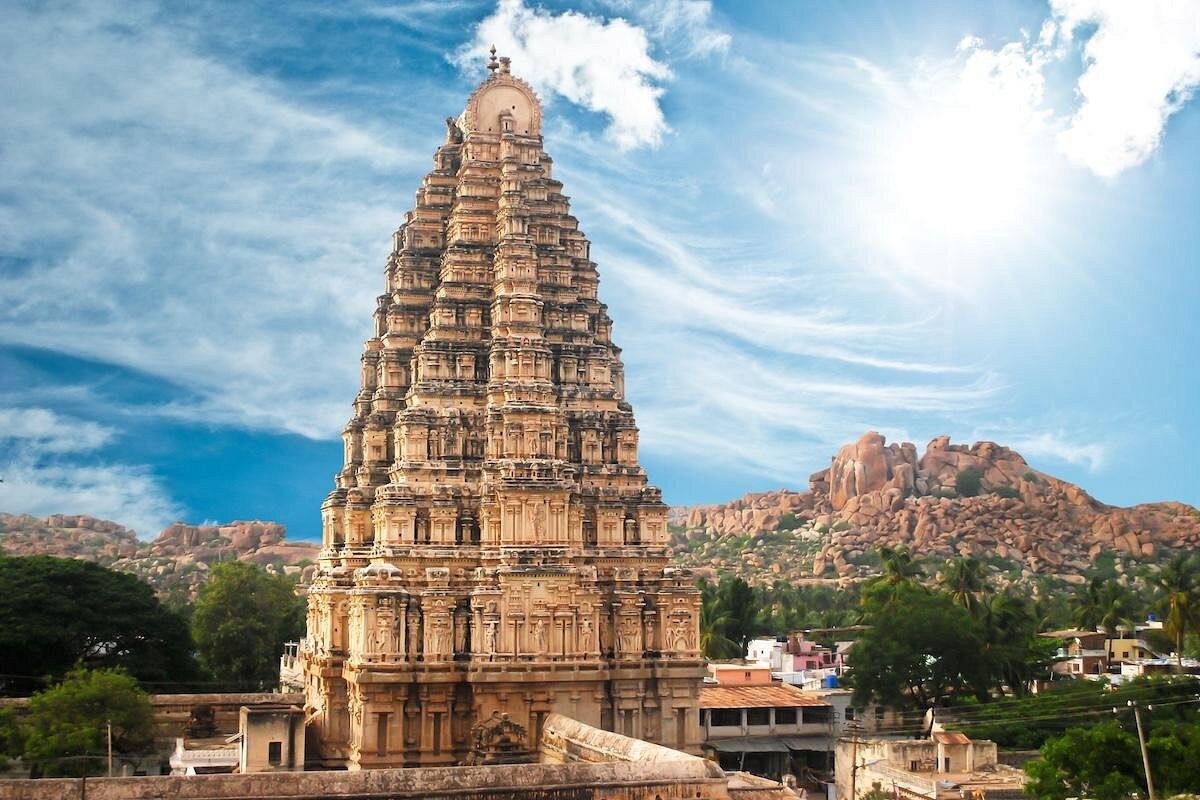
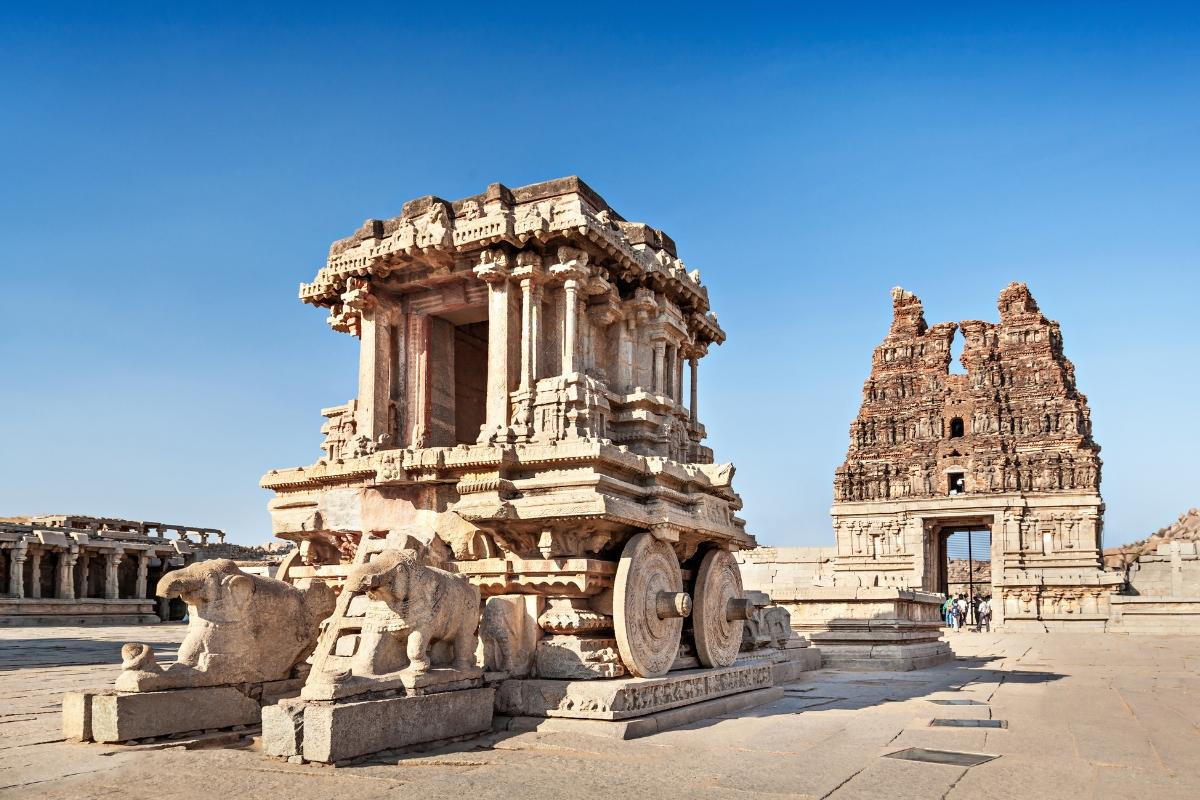
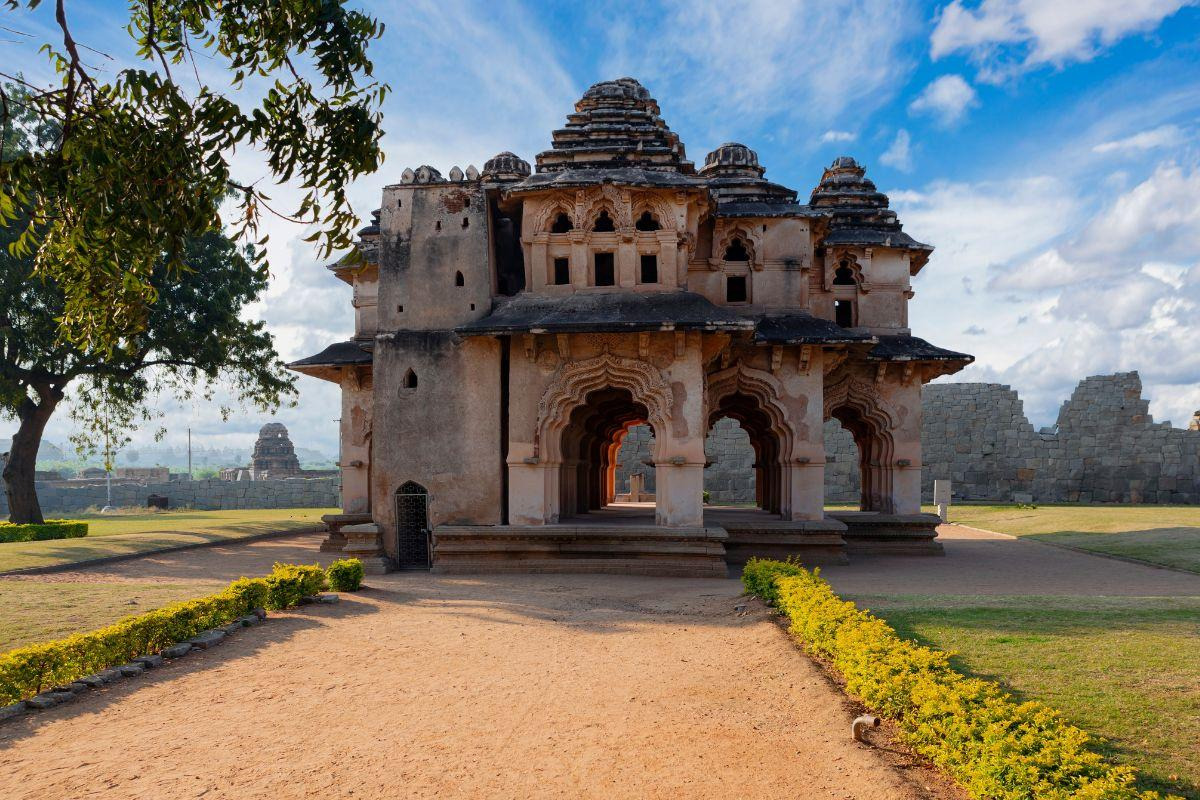
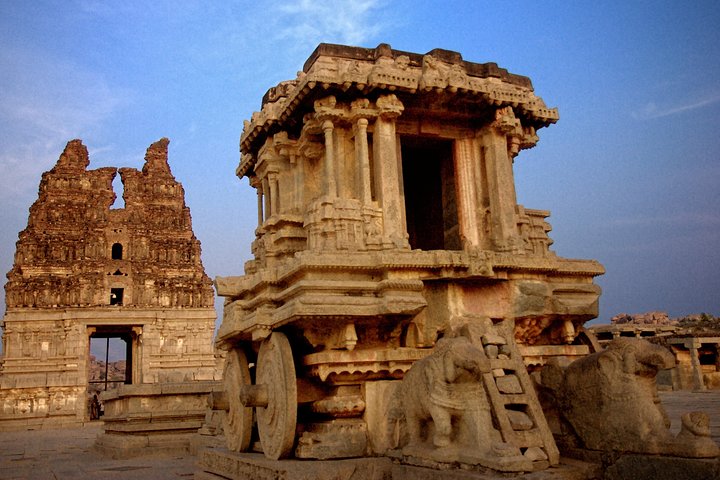
• Known as the Pampapathi temple, this is the most renowned temple in Hampi, dating back to the 7th century. It is devoted to Lord Shiva and features intricately carved walls that tell mythological tales. The temple contains a shrine for Virupaksha and another for Sage Vidyaranya. The Virupaksha Temple is a significant location for Lord Shiva's devotees, situated on the southern banks of the Tungabhadra River. This temple has continuously functioned since its establishment in the 7th century AD, making it one of the oldest temples in India with an unbroken history. • The masonry dam extends roughly 590 meters in length and rises 49 meters high. The reservoir has a capacity of 132,559 million cubic feet of water, covering an area of 379 square kilometers. • Hampi has been designated as a UNESCO World Heritage Site due to its collection of ancient temples, forts, and other historical landmarks. Once the capital of the Vijayanagar Empire around 1500 AD, it was arguably the second largest city in the world at that time. Over the centuries, it diminished in significance, leaving behind ruins of numerous temples and structures over a vast landscape. The area is also characterized by its unique topography, surrounded by boulders of various sizes, which visitors can climb to enjoy panoramic views of the city and its surroundings. Located along the banks of the Tungabhadra River, Hampi is celebrated for its magnificent, intricately carved temples that narrate the stories of its historical edifices. Many visitors ascend Matangaparvata for a view of Hampi and its landscape. The city's design, featuring temples and marketplaces, is noteworthy. Across the Tungabhadra River lies Anegundi, the first capital of the Vijayanagar Empire, rich with temples and stories that enhance understanding of the local heritage. • The Vithala Temple, constructed in the 16th century, showcases a grand entrance arch adorned with intricate carvings, leading to a large courtyard that houses the iconic stone chariot at its center. This stone chariot, a symbol of Hampi's architecture, is situated within the temple grounds. The main temple is positioned just behind the chariot and features exquisite carvings, alongside several smaller temples within the courtyard that are also worth exploring. The carvings on these structures' walls and pillars represent various deities in different forms. • This aesthetically pleasing structure comprises two levels, featuring open pavilions at the lower level and balconies above. The Mahal (Palace) exemplifies a blend of Hindu and Muslim architectural styles, named for its beautifully arranged cusped arches that resemble the petals of a lotus flower opening towards the sun. • Visit the Virupaksha Bazaar to purchase a variety of artifacts. Located opposite the Virupaksha temple, this market offers an assortment of handicrafts, musical instruments, leather goods, and more.

Visiting Hampi?

Stay with Rovostays

Hand-picked, verified serviced apartments — concierge always included.