What's the itinerary?+
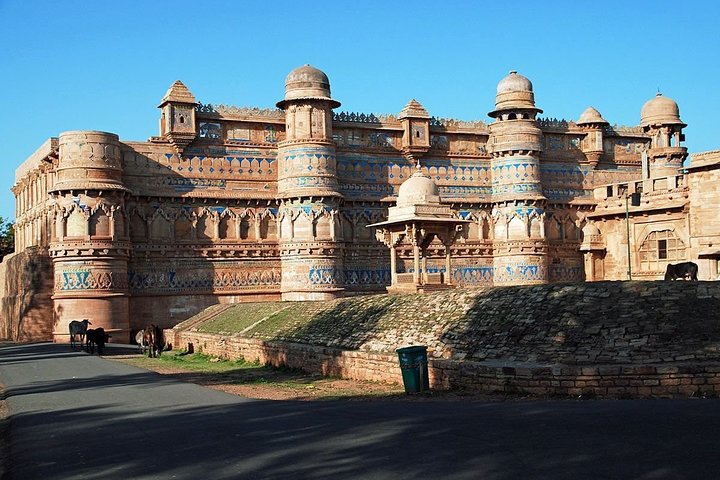
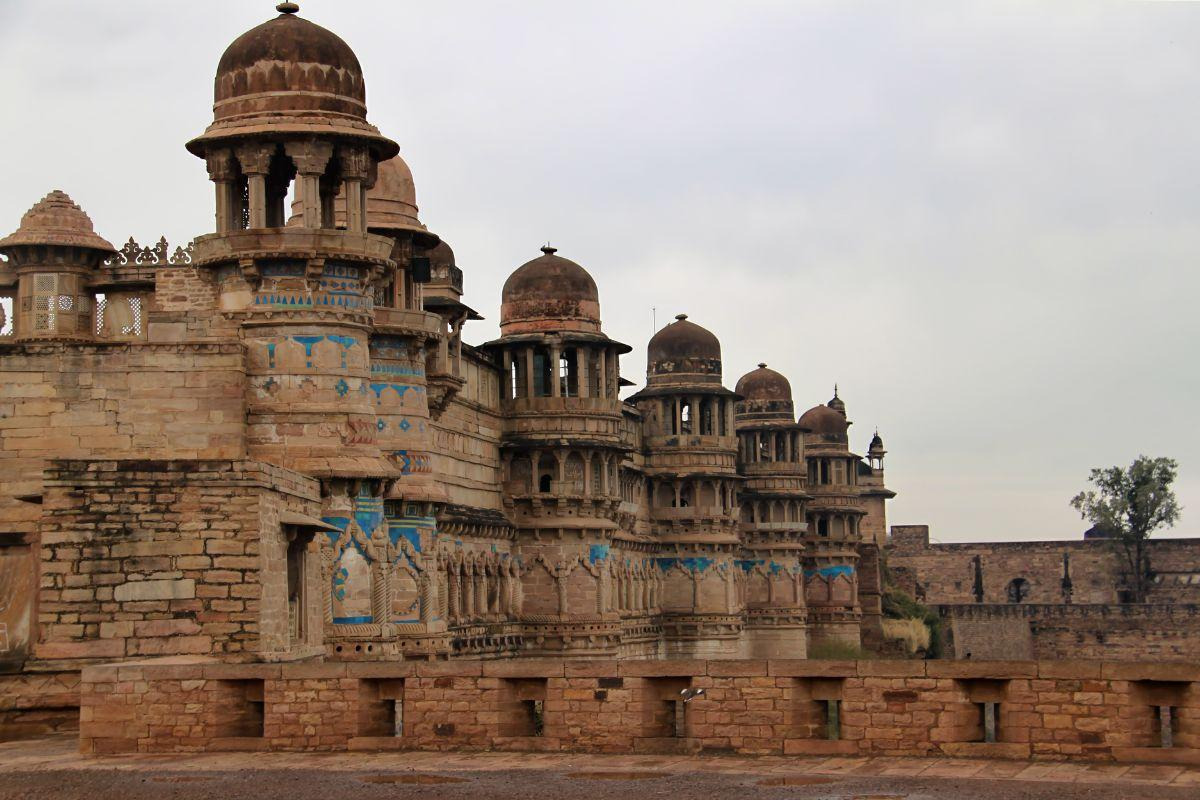
• Gwalior Fort, constructed by the Tomar dynasty, is recognized as one of the strongest forts in India. Built on a solid rock formation, it offers an impressive view of the surrounding area and is often referred to as “the Gibraltar of India.” Babur, the Emperor, described it as “the pearl in the necklace of the forts of Hind.” The fort features unique architecture that exhibits Chinese influence, seen in the dragon carvings at the bases of the pillars, a result of trade between India and China during its construction.
• Gujari Mahal was erected in the 15th century by Raja Maan Singh at the behest of his wife, Rani Mrignayani, a Gujar princess often regarded as his mistress. Located by the Rai River, the palace became a museum in 1922 and is now known as the Central Archaeological Museum. It contains 28 galleries and around 6,000 artifacts, showcasing sculptures, coins, pottery, terracotta, paintings, inscriptions, and weaponry from as far back as the 2nd century, also highlighting the significance of the mahal in classical singing history, with connections to fifteen notable singers, including Tansen. The museum is renowned for its extensive collection of photographs, including works depicting Bagh Cave paintings and various Indian monuments.
• Teli Ka Mandir, standing approximately 100 feet within Gwalior Fort, is distinct from other structures of its era due to its unique design. Although the temple’s roof reflects Dravidian architecture, its sculptures are characteristically North Indian. The temple closely resembles the Prathihara Vishnu temple and includes imagery of serpents, mythical couples, river goddesses, and a flying Garuda. Translated as "Oilman's Temple," it is the tallest structure in the fort, reaching a height of 30m, and features numerous inscriptions dedicated to the Mother Goddess, though it lacks definitive information about its construction or deity.
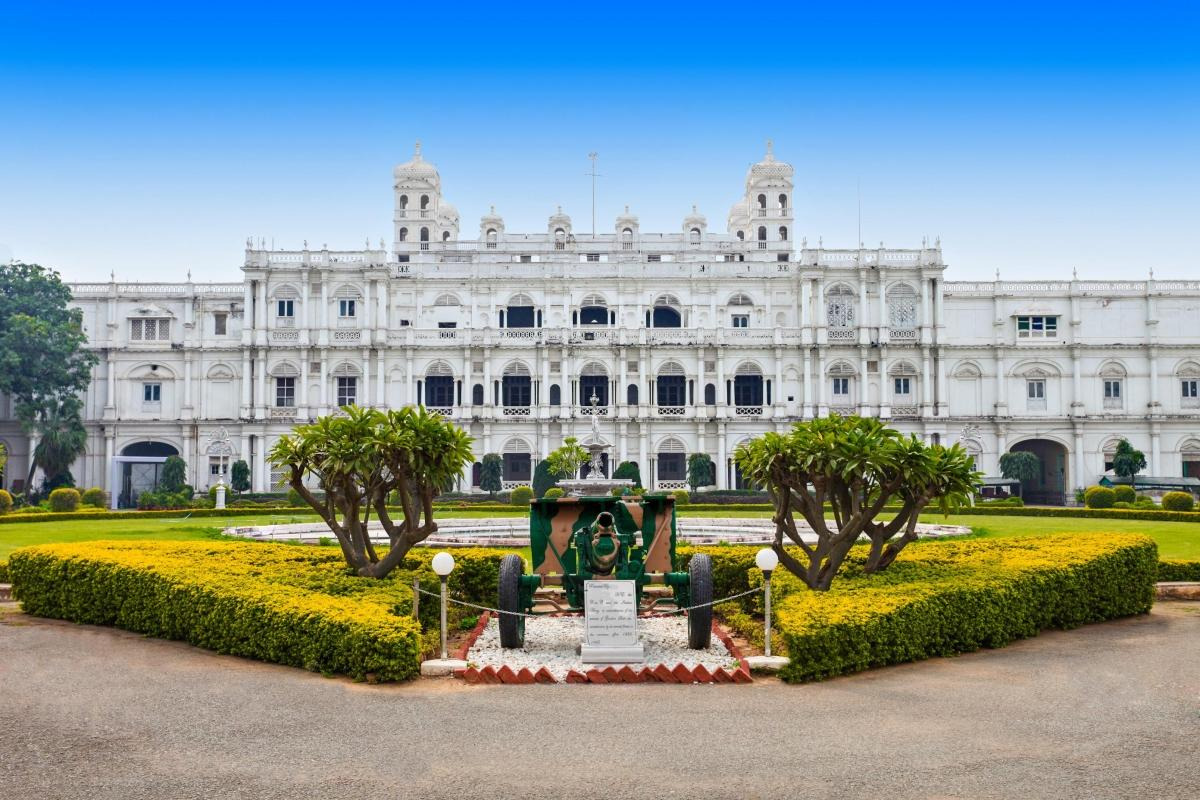
• Jai Vilas Palace, the presidential residence of the Scindia family—one of the key figures in Maratha history of the 18th century—has been transformed into an opulent museum comprising 35 rooms filled with remarkable artifacts from Gwalior's historical period. This museum, one of the largest in Madhya Pradesh, is known for housing the world’s largest chandelier. The architectural design of the palace merges British and Hindu styles, built in 1874 in an effort to emulate the Palace of Versailles. Notable exhibits include a silver miniature train with cut-glass carriages for serving guests, an Italian glass cradle used for baby Krishna during Janamashtami, silver dining sets, and swords once owned by Aurangzeb and Shah Jahan.
Note: Jai Vilas Palace is not open on Mondays.
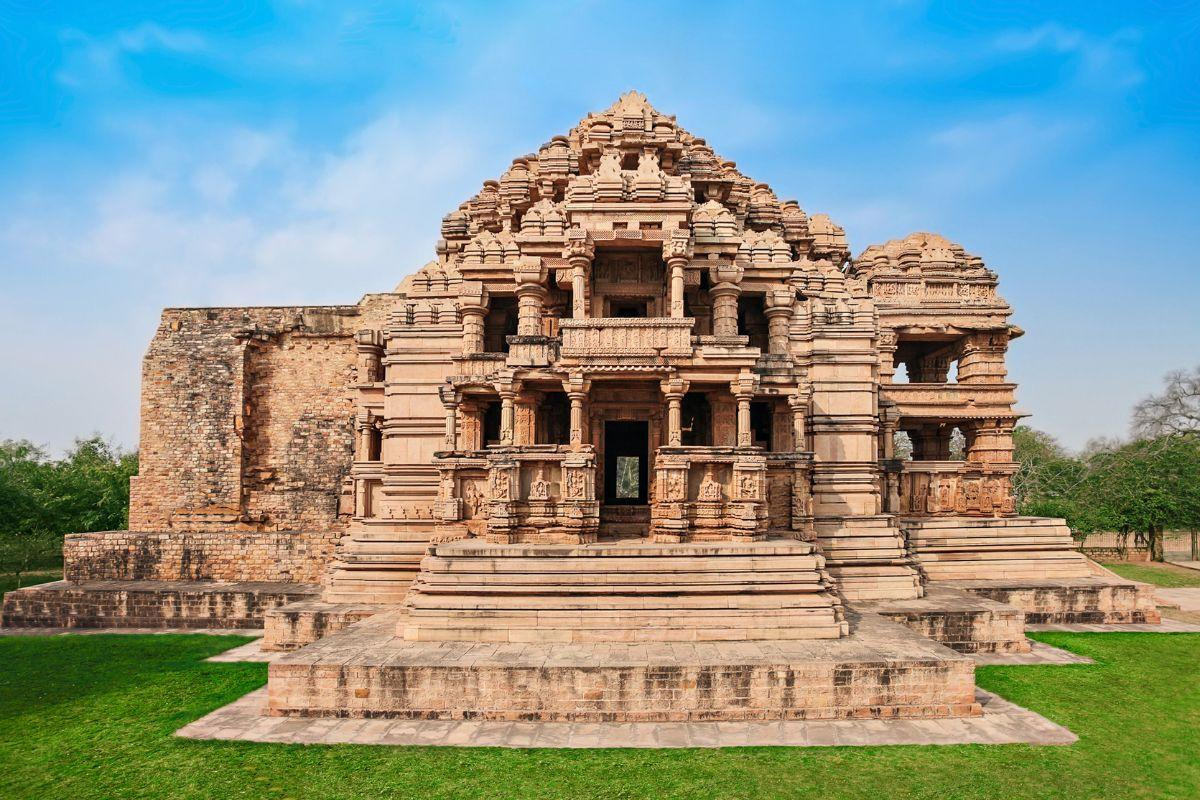
• Sas Bahu Temple is a significant historical and religious site in Gwalior. Comprising a pair of temples, it is an architectural treasure located to the south of Man Mandir Palace. Initially called Shahastra Bahu Temple, it was dedicated to Lord Vishnu and constructed by Kachhwaha king Mahipal in the early 11th century.