rovostays·

Bangalore Pété walking tour: heritage and local culture

5.0· 170 reviewsFrom INR 3000
Bangalore Pété walking tour: heritage and local culture — Cultural & heritage things to do in Bangalore

Three hours on foot — explore Tipu Palace, Jain Temple, and KR Market, with insights into local history and culture from your guide.

This three-hour walking tour through the historic lanes of Bangalore encompasses sites like Tipu Palace, the Jain Temple, and the colourful KR Market. You'll encounter art, architecture, and the daily vibrancy of local life, guided by an expert who shares the rich history and cultural significance of each spot.

Dress modestly, covering shoulders and legs for the Jain Temple. Women may need a scarf, and bringing extra socks for temple visits is advisable. Inform your guide beforehand if transport from your hotel to the tour starting point is needed, as it’s available for an extra charge. Be mindful that entry timings for temples may vary, so checking with your guide is wise.

Places you'll visit

FAQ

Good to know

What's included in this experience?+
• Admission to all monuments
What's NOT included?+
• Lunch and transportation are not included • Gratuities for the guide are not included
What should I know before booking?+
• Nearby public transportation options are accessible. • Not advisable for individuals with spinal injuries. • Pregnant travelers are discouraged from participating. • Those with poor cardiovascular health should not book this. • A moderate level of physical fitness is required for participants. • Guides who speak French, Italian, and German are available based on availability. • Attire should cover both legs and shoulders when visiting temples. Women should also bring a scarf.
What's the cancellation policy?+
To receive a full refund, cancellations must be made a minimum of 24 hours in advance of the scheduled departure time.
What's the itinerary?+
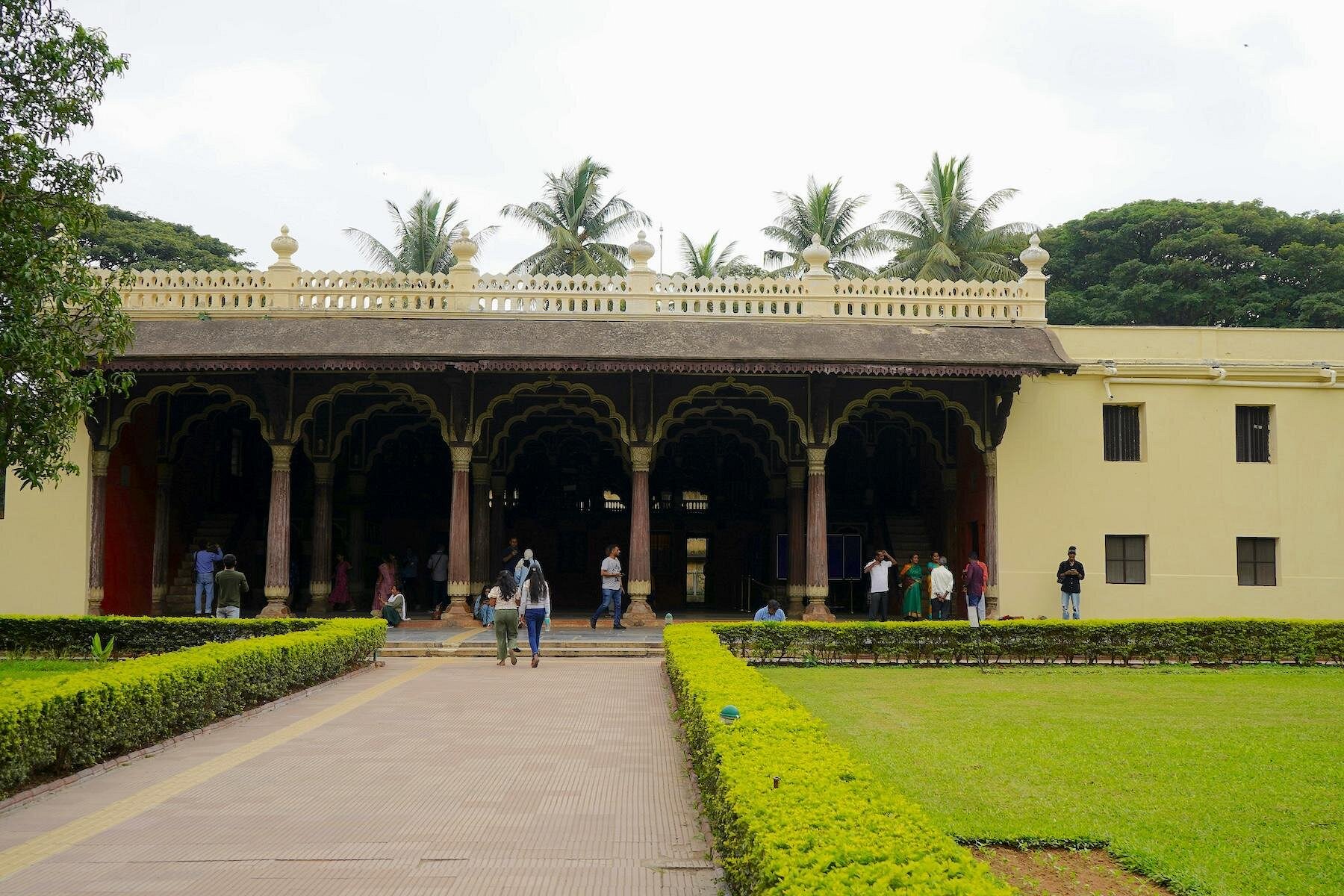
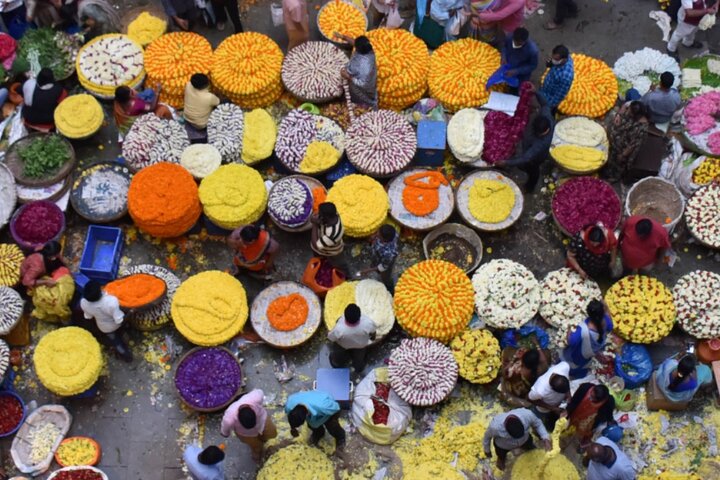
• After a greeting, a government-approved and licensed guide will take you to Tipu Palace, a 230-year-old structure made entirely of teak wood and designed in a traditional Islamic style, highlighting the diwas-e-am and diwan-e-khas. A brief overview of Tipu Sultan's life, including his interactions with the French, the Anglo-Mysore Wars, and his notable contributions and controversies, will be provided. A visit to the museum on-site will elaborate on his distinction as the Grandfather of Rocket Science globally. • Adjacent to Tipu Palace is a temple constructed in 1690 AD by Chikkadevaraja Wodeyar, featuring exquisite stone carvings of Indian mythological figures on its walls. The intricately decorated stone columns inside exemplify the high level of craftsmanship of local artisans. Hindu worshippers often need to schedule months in advance to perform the "Kalyanotsava" (the marriage ceremony of Lord Vishnu with Lakshmi) at this temple. It is said that the Garuda Gamba here protected Tipu Sultan from a cannonball fired by Cornwallis that would have struck his palace. The next destination is Bangalore Fort, located just a 10-minute walk away. • Founded by Kempegowda in the 16th century, the original mud fort was reconstructed in stone by Hyder Ali in the 1760s. Today, only about 5% of the fort remains, and it is open to visitors. This well-maintained and relatively unknown site is noteworthy for exploration. • This market is a prime spot to observe typical Indian daily life. The vibrant area is bustling with vendors, workers, coolies, hawkers, buyers, cows, dogs, bicycles, rickshaws, and scooters, all competing for space. Abundant piles of vegetables, fruits, flowers, and spices fill the surroundings, showcasing chaos that follows an underlying order. This lively Indian market presents an engaging experience of essential goods. • Jainism, one of the world’s oldest religions, originated in India and has a history of at least 2500 years. Coinciding with Buddhism, its fundamental principles include non-violence and vegetarianism. Although the Jain community constitutes under 0.4% of India's population, they contribute over 24% of personal tax revenues. Jains own more than 28% of Indian real estate and boast a literacy rate of 94%. Nearly half of India's stockbrokers are Jains, significantly impacting the success of Indian businesses. Access to Jain temples is subject to specific conditions and restrictions.

Visiting Bangalore?

Stay with Rovostays

Hand-picked, verified serviced apartments — concierge always included.