What's the itinerary?+
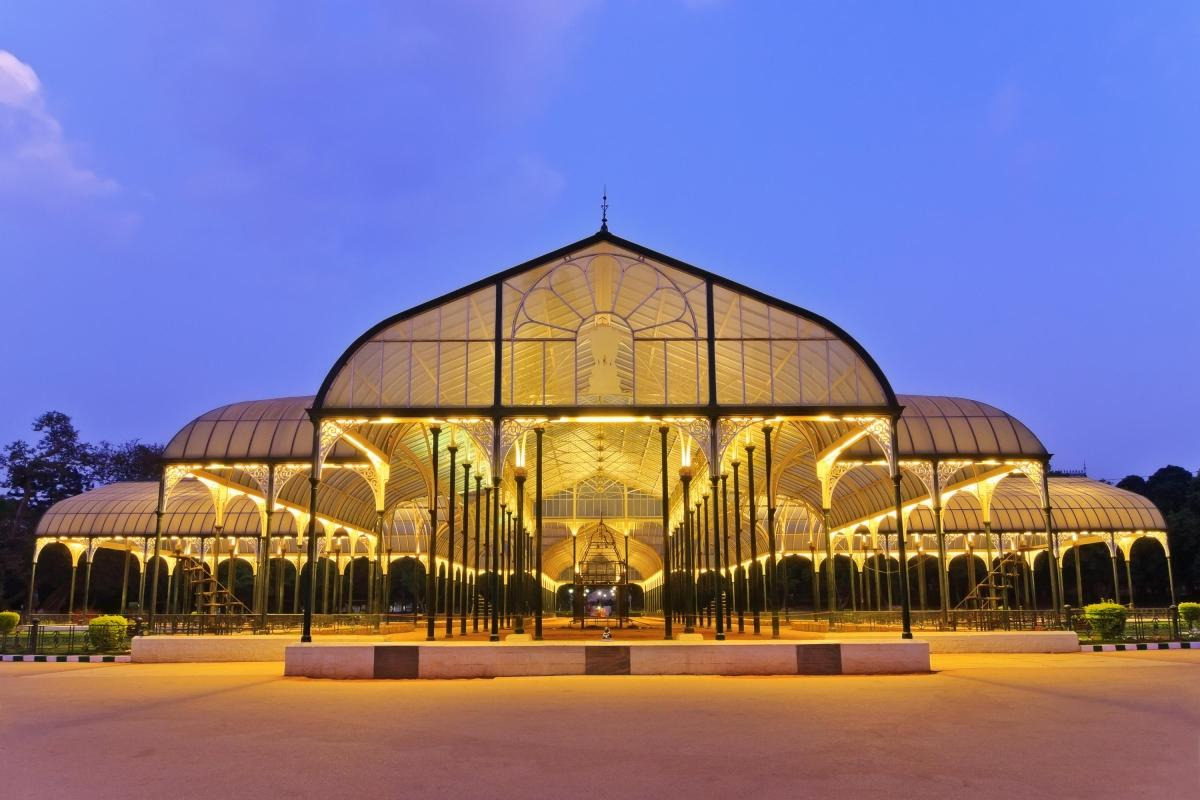
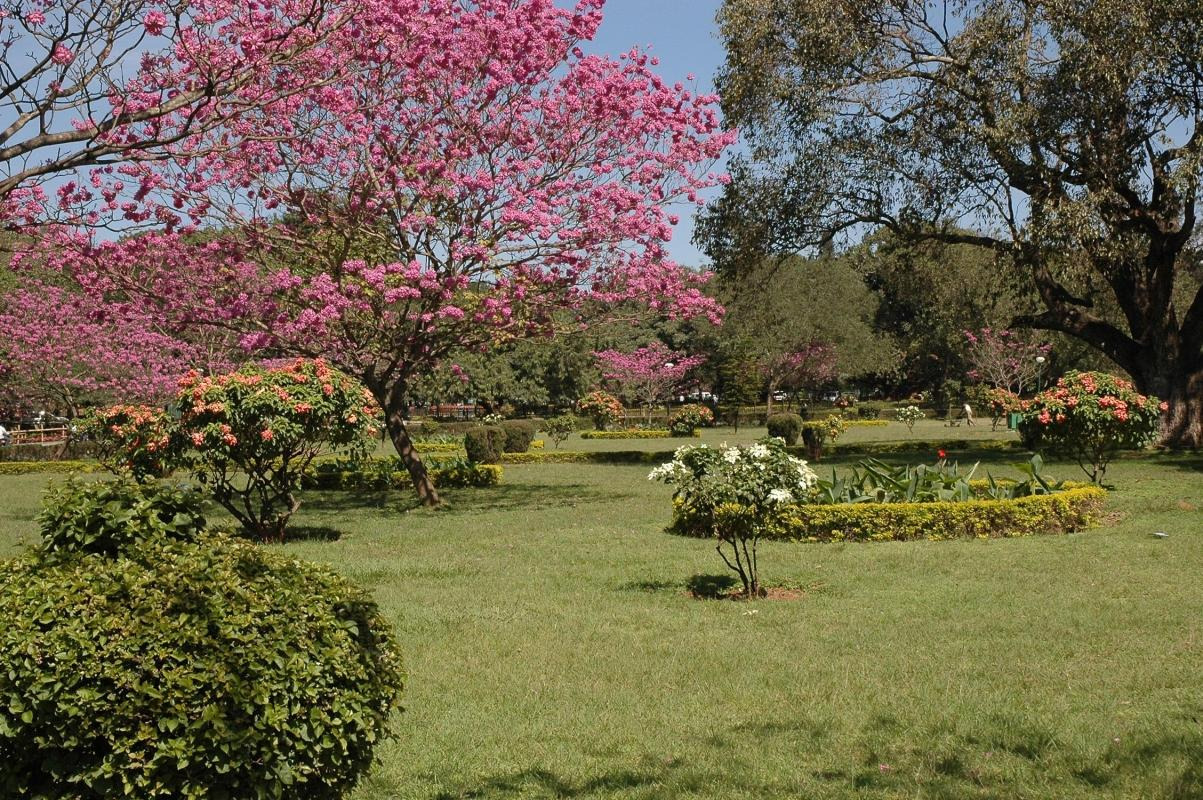
• The guide will collect you from your accommodation and proceed to Lalbagh, a significant botanical garden. Covering 240 acres, Lalbagh features over 1,800 species of plants, shrubs, and trees, serving as a green oasis in Bangalore. Established by Hyder Ali in 1760, it is recognized for its famous flower show and is a key site to visit in the city.
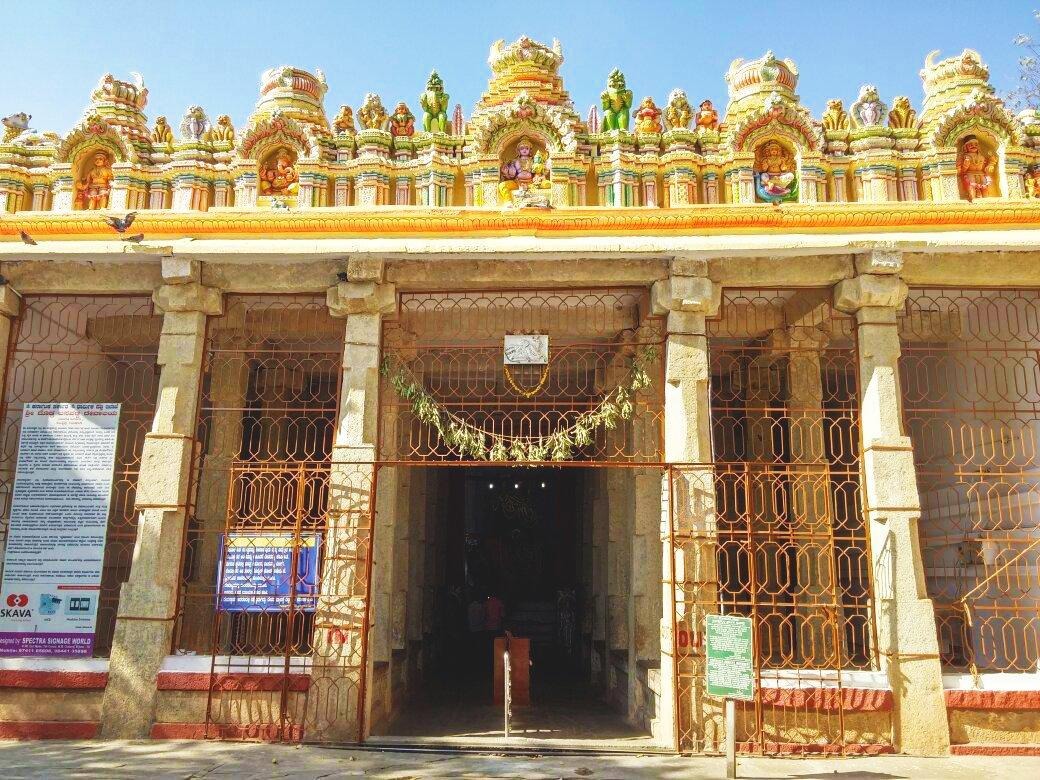
• The Bull Temple, dedicated to the Nandi Bull, which serves as Lord Shiva's vehicle, is located in Basavanagudi. Constructed in the Dravidian architectural style during Kempe Gowda's reign, it is one of the city's oldest temples. Inside, a large idol of the Nandi Bull, measuring 4.5 meters in height and 6.5 meters in length, is carved from a single rock and features a small iron plate on its head, a traditional element believed to prevent the bull from growing.
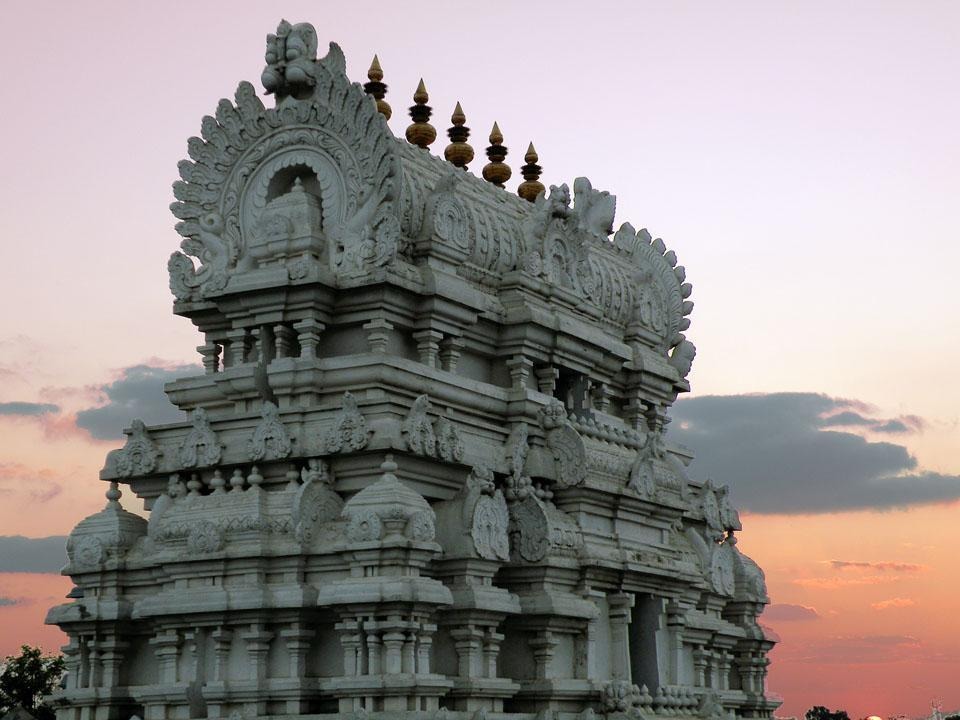
• The International Society for Krishna Consciousness (ISKCON), established in 1966 by A. C. Bhaktivedanta Swami Prabhupada in New York City, promotes bhakti yoga based on traditional Hindu scriptures such as the Bhagavad-gītā and the Śrīmad Bhāgavatam. Visitors will go to the temple situated on a hill, which boasts stunning architecture combining modern and conventional styles, including a gold-plated flag post and intricate carvings. The temple features a deity of Lord Krishna adorned with exquisite jewelry and flowers, alongside a museum exhibiting artifacts related to Indian mythology and culture.
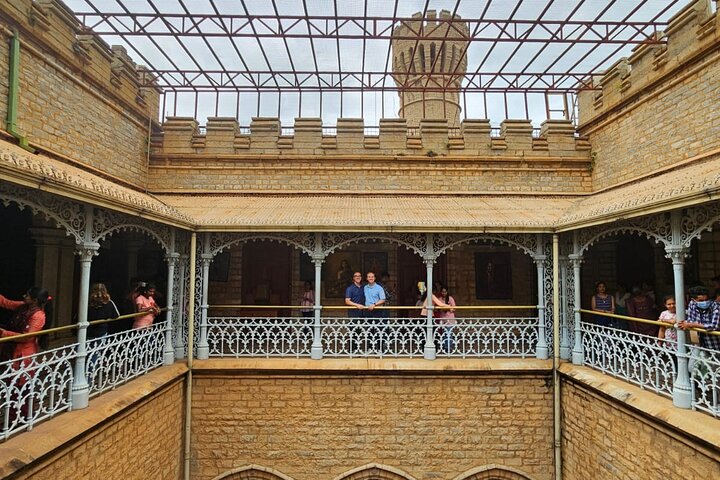
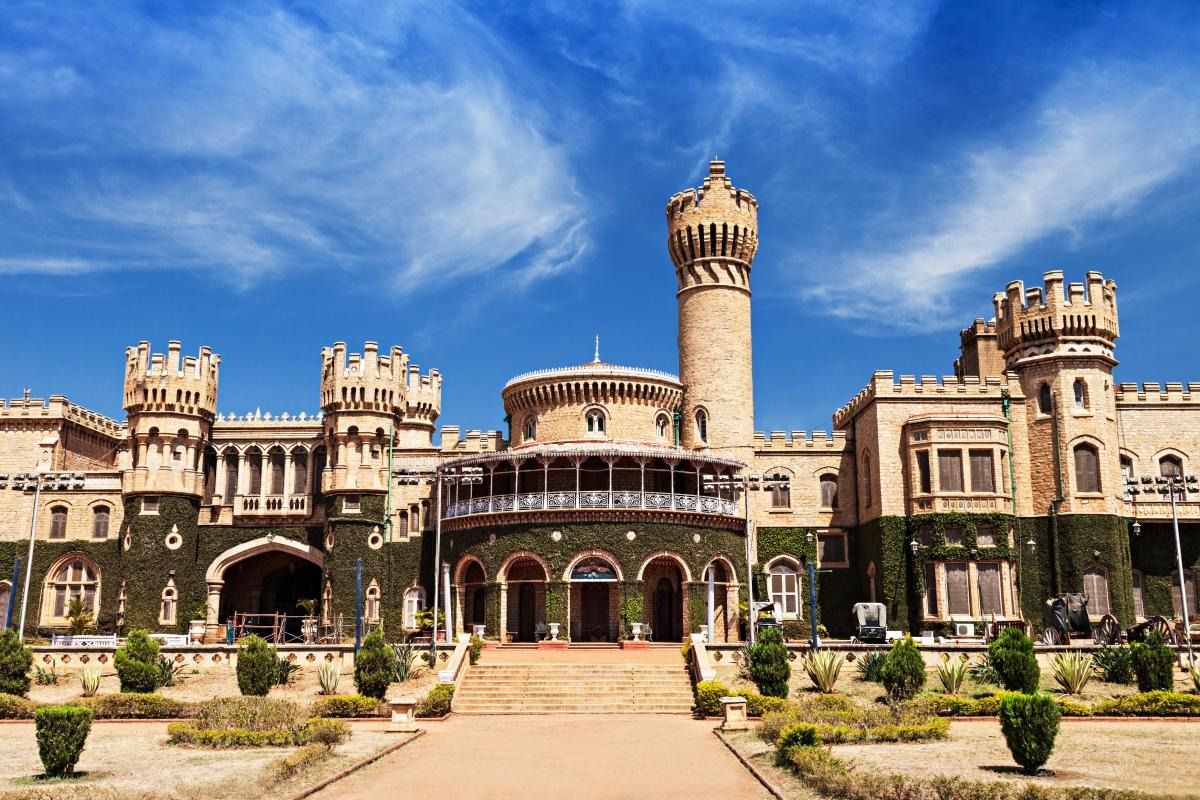
• Bangalore Palace, associated with the Wodeyar dynasty of Mysore, is a grand edifice constructed in Tudor style. It showcases fortified towers, battlements, and turrets, with regal interiors featuring elegant wood carvings and floral motifs. The palace's furniture reflects Edwardian and Victorian styles, reminiscent of Windsor Castle in England. An audio tour delivers detailed insights into the lives of the Wodeyar Kings and their association with the British Empire. Note that the palace is not open on Mondays, and a visit to Tipu Sultan's Palace will be substituted.
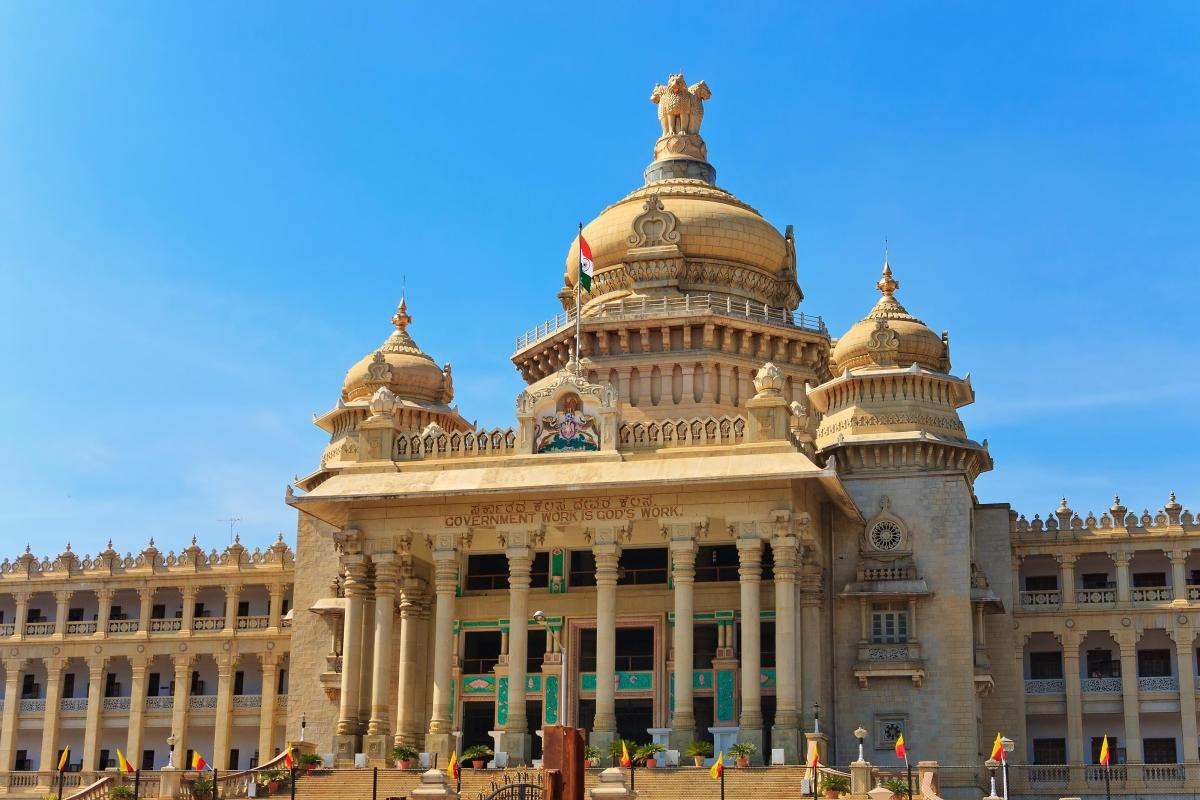
• Vidhan Soudha is a prominent landmark in Bangalore, housing the Legislative Chambers of the state government. The building consists of approximately 300 rooms for around twenty-two departments, reaching a height of 46 meters, making it one of the city's most notable structures. As it functions as a government office, visits are conducted from outside.
• Cubbon Park, a historic park in central Bangalore, spans 300 acres and is a favored retreat for locals and visitors. Established in 1870 by the British and named after Commissioner Sir Mark Cubbon, the park is known for its lush greenery and diverse tree species. Its features include sculptures, fountains, and a toy train for children, making it a popular venue for joggers, picnics, and nature walks, alongside hosting cultural events year-round.
• Commercial Street is a lively shopping hub in Bangalore, recognized for its dynamic atmosphere full of fashion boutiques, street vendors, and eateries. This bustling street is lined with stores offering clothing, accessories, footwear, and home decor, catering to both traditional Indian attire and Western styles. Bargaining is a customary practice here, allowing shoppers to negotiate prices for favorable deals. The street is always teeming with both locals and tourists, providing a glimpse into the city's vibrant culture and shopping life.
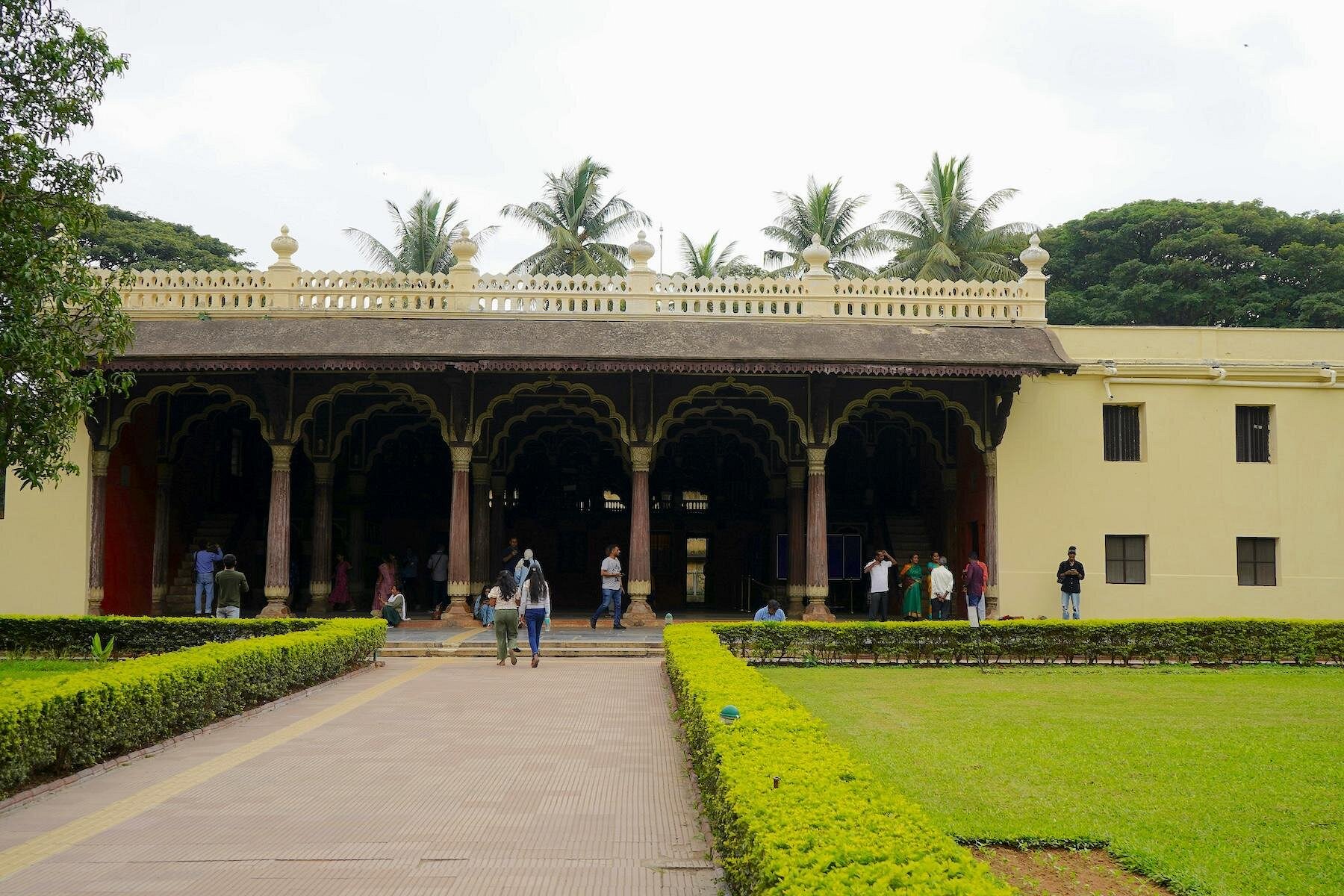
• The Tipu Sultan Summer Palace, situated in Bangalore, was constructed in the late 18th century by Tipu Sultan, the ruler of the Kingdom of Mysore. This effection demonstrates Indo-Islamic architectural design, featuring ornate carvings and frescoes throughout. The palace served as a summer retreat for the Sultan and his family, with a complex that includes a museum housing artifacts and personal belongings related to Tipu Sultan, amid a surrounding garden filled with various trees and plants. It is a notable destination for enthusiasts of history and architecture.
• KR