What's the itinerary?+
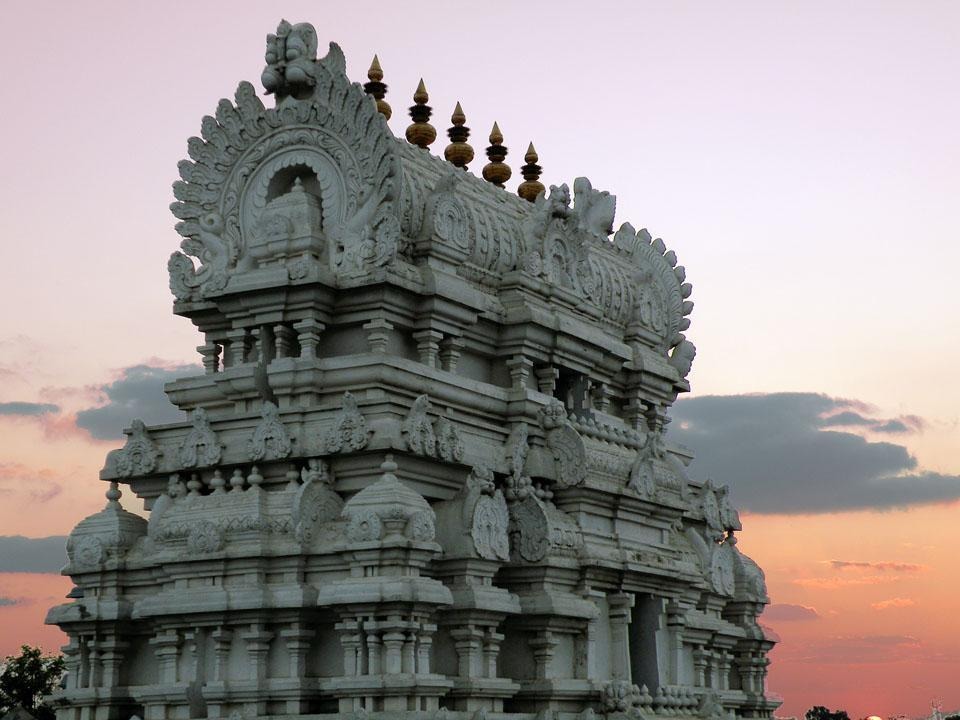
• The ISKCON Temple in Bengaluru, established in 1997, ranks among the largest Krishna temples globally. Situated on Hare Krishna Hill in Rajajinagar, it fuses modern architecture with traditional Hindu design, featuring ornate golden domes, tall gopurams, and detailed carvings. Visitors can enjoy a tranquil spiritual atmosphere with lively festivals, devotional music, and beautiful shrines dedicated to Radha and Krishna.
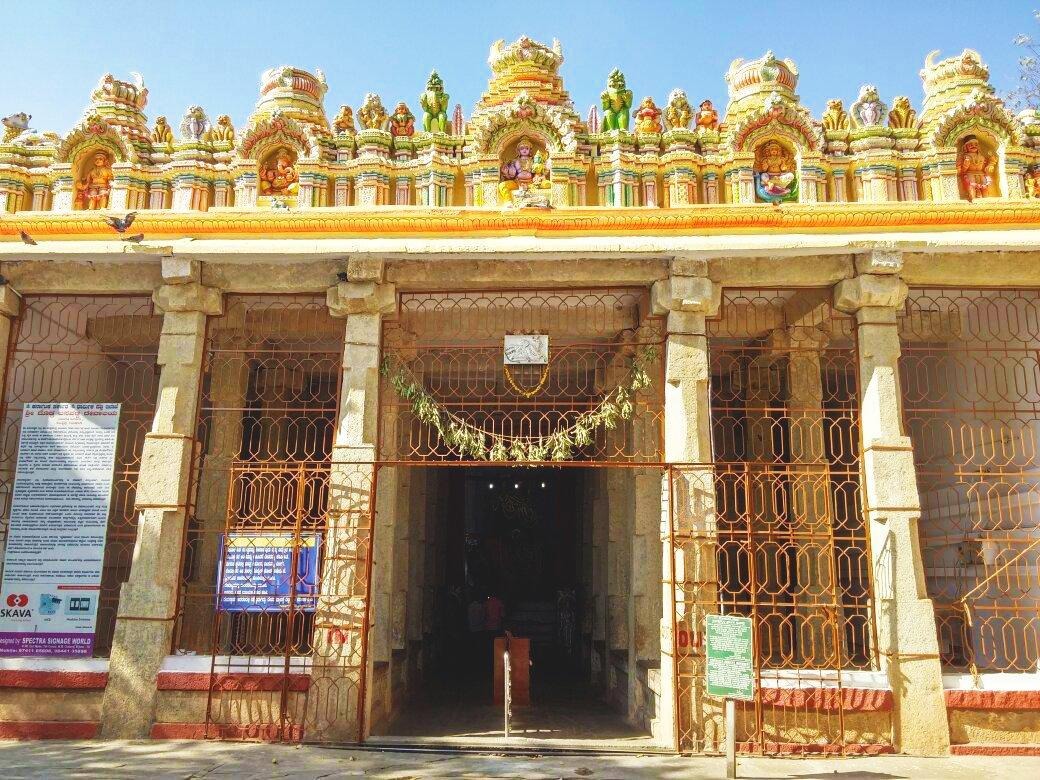
• The Bull Temple in Basavanagudi, Bangalore, is a significant site honoring Nandi, the sacred bull and companion of Lord Shiva. Its giant monolithic Nandi statue, over 4.5 meters tall and 6.5 meters long, is one of the largest worldwide. Constructed in the 16th century by Kempe Gowda, the city's founder, the temple exhibits classic Dravidian architecture with intricately carved pillars and a peaceful ambiance. Annually, it hosts the lively Kadalekai Parishe (Groundnut Fair), celebrating local traditions and community spirit.
• Bangalore Fort, originally a mud structure built in 1537 by Kempe Gowda I, signifies the city's foundation. Hyder Ali upgraded it to a strong stone fort in 1761, and his son Tipu Sultan enhanced it during the Anglo-Mysore wars. Much of the fort was demolished during British rule, but features like the Delhi Gate and bastions remain, highlighting 18th-century military architecture. Today, it serves as a quiet yet significant reminder of Bangalore’s historical and strategic importance.
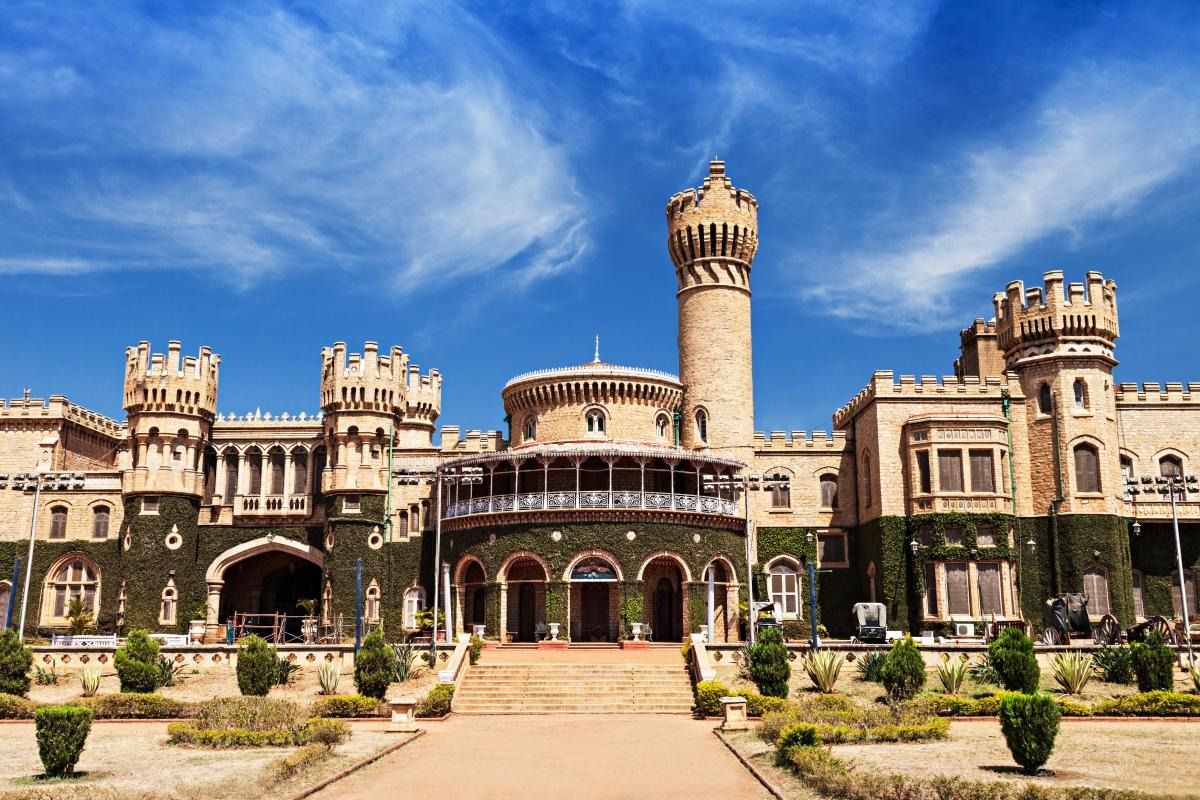
• Constructed in 1878 by King Chamaraja Wadiyar, Bangalore Palace showcases Tudor-style architecture, influenced by Windsor Castle in England. The palace's opulent interiors display intricate wood carvings, vintage furniture, and royal portraits that capture the splendor of the Wadiyar dynasty. Presently, it functions as a cultural venue and tourist attraction, offering insight into regal heritage amidst lush gardens and historical beauty.
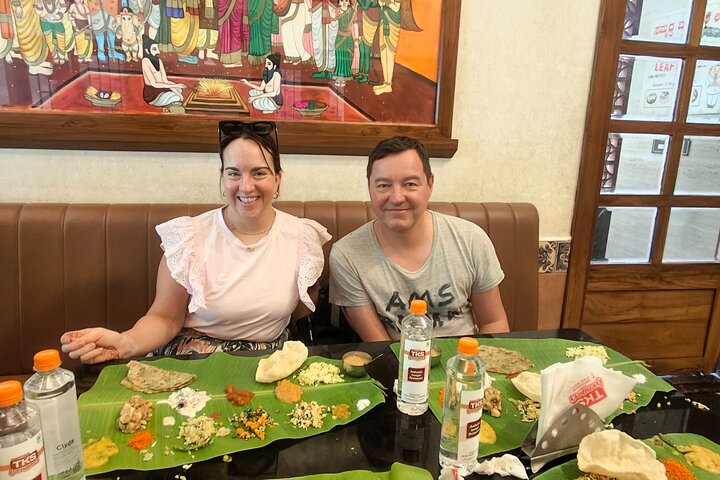
• MTR (Mavalli Tiffin Rooms) is one of Bengaluru’s most historic and well-known restaurants, founded in 1924. It is renowned for its authentic South Indian dishes, including rava idli, dosa, vada, and its signature bisi bele bath, served in a traditional manner. For visitors, dining at MTR not only provides delicious food but also a glimpse into Bengaluru’s cultural legacy and culinary history.
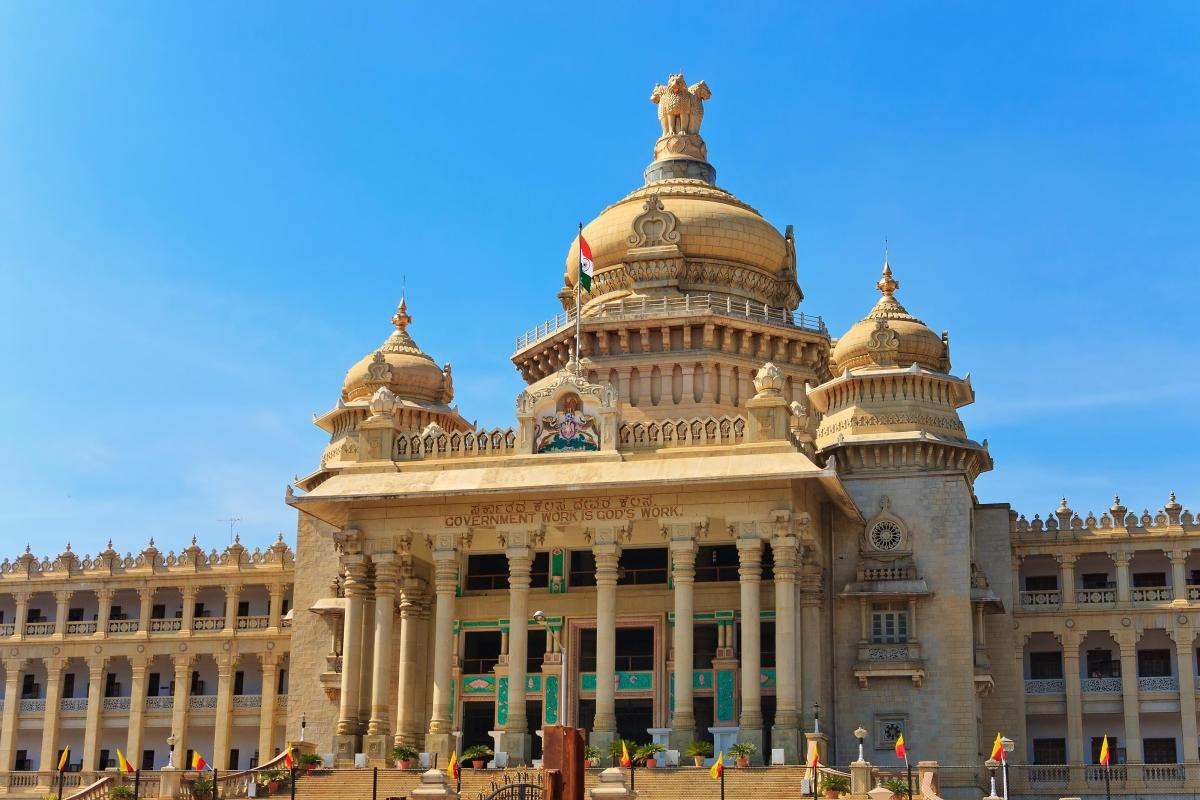
• Vidhana Soudha, located in the heart of Bengaluru, is a prominent legislative structure that accommodates the Karnataka State Legislature and Secretariat. Built between 1951 and 1956 under Chief Minister Kengal Hanumanthaiah, it showcases Neo-Dravidian architecture with its impressive granite facades and grand central dome. Standing 150 feet tall, the building features intricately carved pillars, ornamental designs, and the national emblem atop its dome. Often called the “Taj Mahal of South India” for its magnificence, it represents the democratic spirit and architectural pride of Karnataka.
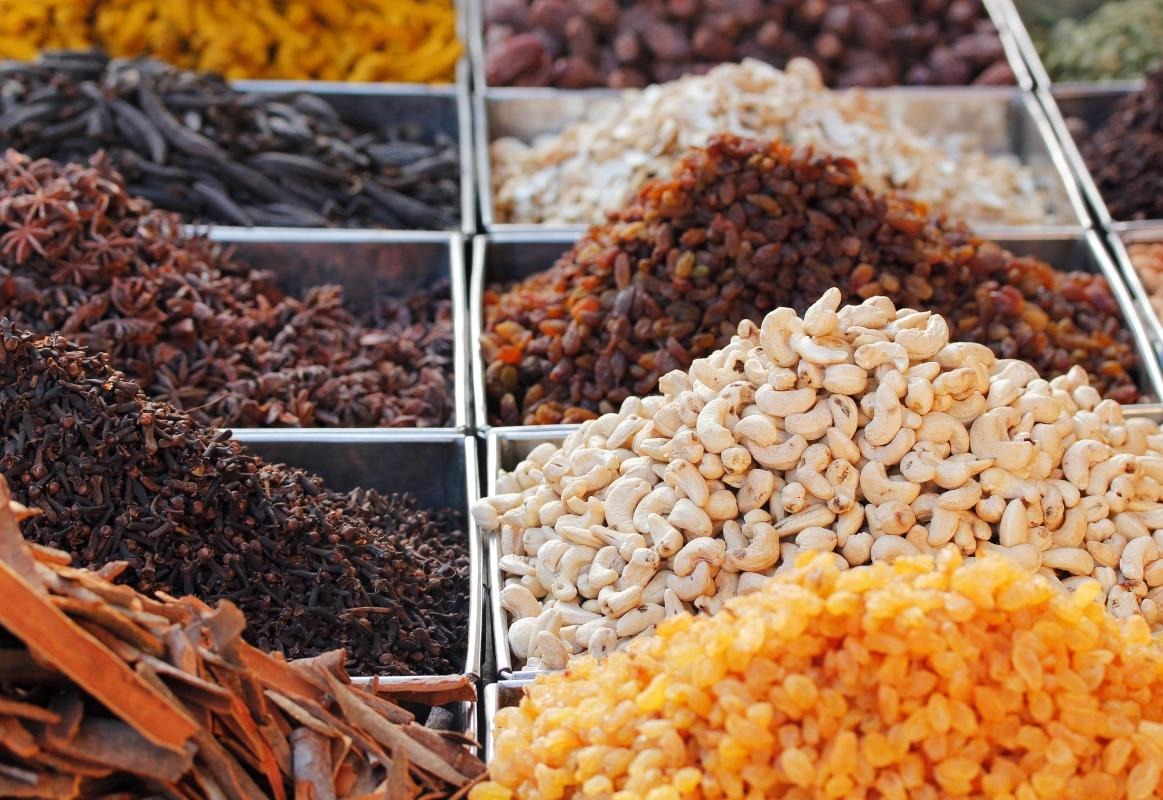
• KR Market (Krishna Rajendra Market), established in 1928, ranks among Bangalore’s oldest and busiest wholesale markets, bustling with color, activity, and trade. Located near Tipu Sultan’s Summer Palace, it is especially noted for its extensive flower market—one of the largest in Asia—where vibrant marigolds and roses fill the pathways at dawn. The market features layered architecture, including colonial structures and a 3-story concrete building from the 1990s to support expanding trade. Beyond flowers, it serves as a center for fresh produce, spices, tools, and traditional goods, providing a genuine glimpse into Bangalore’s daily life.
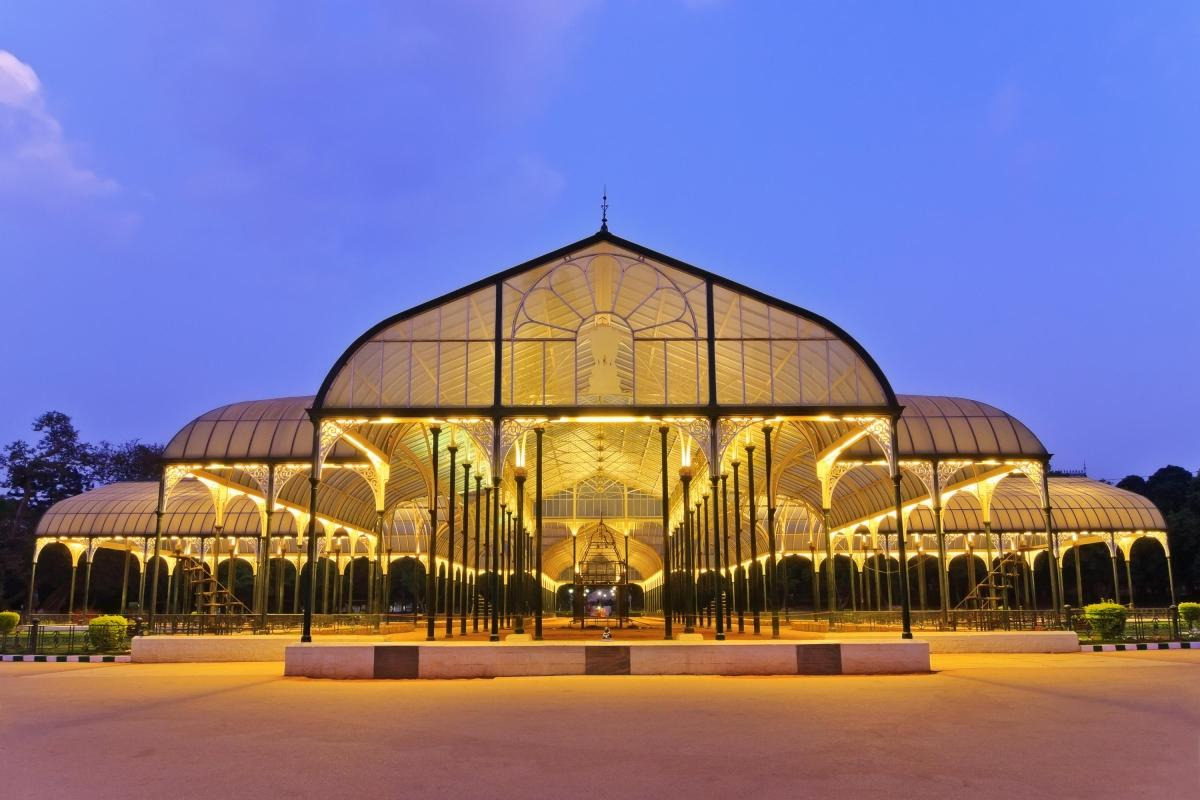
• Lalbagh Botanical Garden, founded by Hyder Ali in 1760, is one of Bangalore’s most famous green spaces, covering over 240 acres in the city center. It showcases India’s largest collection of tropical and subtropical plants, featuring ancient trees and colorful flowerbeds that draw nature enthusiasts throughout the year. The